
 Anjar Salim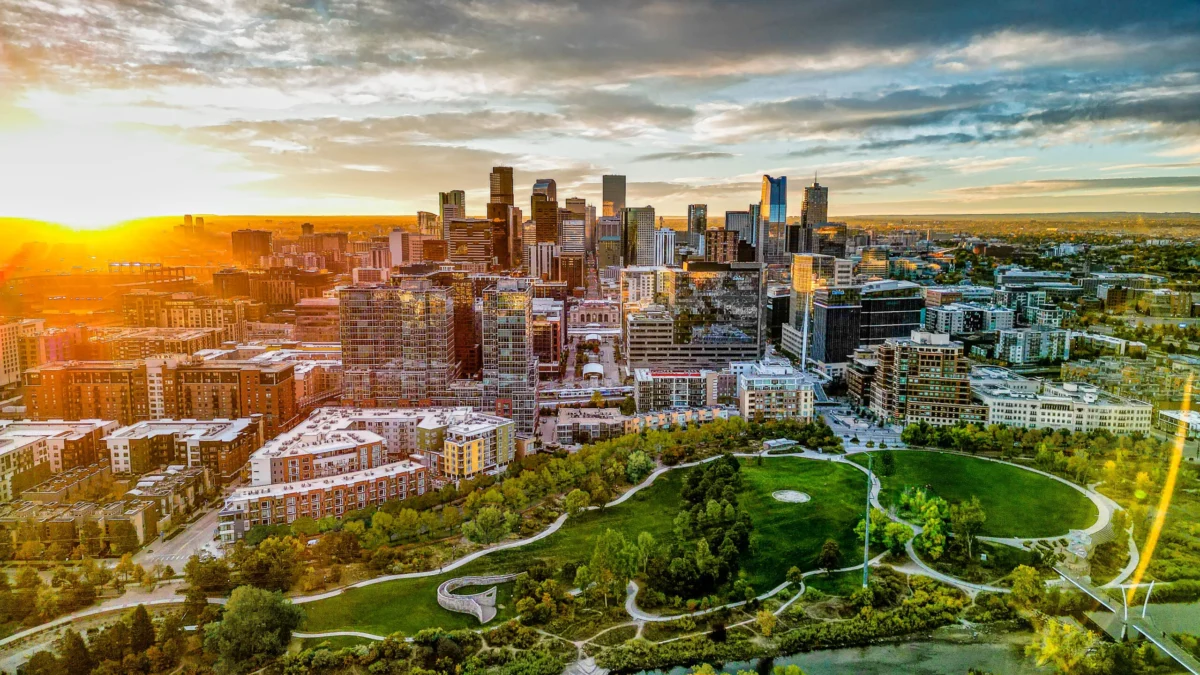
The selection of Denver, Colorado, as the host city for the 2026 Outside Days festival underscores the municipality’s strategic positioning as the primary gateway to the Rocky Mountain West. Long recognized as a logistical "launchpad" for alpine expeditions, the Mile High City has increasingly marketed itself as a standalone destination for outdoor enthusiasts, balancing urban amenities with immediate access to high-altitude wilderness. As the festival approaches, city officials and regional tourism boards are highlighting a diverse portfolio of activities—ranging from technical mountaineering to urban fly-fishing—designed to showcase the region’s unique intersection of natural history, recreational infrastructure, and economic vitality.
Historical Context and the Evolution of the "Gateway" Identity
Denver’s identity has been inextricably linked to the Rocky Mountains since its founding during the Pikes Peak Gold Rush of 1858. However, the modern iteration of the city as an outdoor recreation capital is a more recent development, fueled by decades of intentional urban planning and conservation efforts. The 2026 Outside Days festival serves as a culmination of these efforts, celebrating the city’s ability to provide wilderness experiences within a metropolitan framework.
Visit Denver, a nonprofit trade association that has promoted the city for 117 years, has been instrumental in this transition. By contracting with the City of Denver to market the region as a premier convention and leisure destination, the organization has helped transform the local economy. According to recent economic impact reports, the outdoor recreation industry in Colorado contributes significantly to the state’s GDP, supporting over 120,000 jobs and generating billions in consumer spending annually. The festival is expected to further stimulate this sector, drawing international attention to the Front Range’s recreational assets.
Geological and Cultural Significance of Red Rocks and Dinosaur Ridge
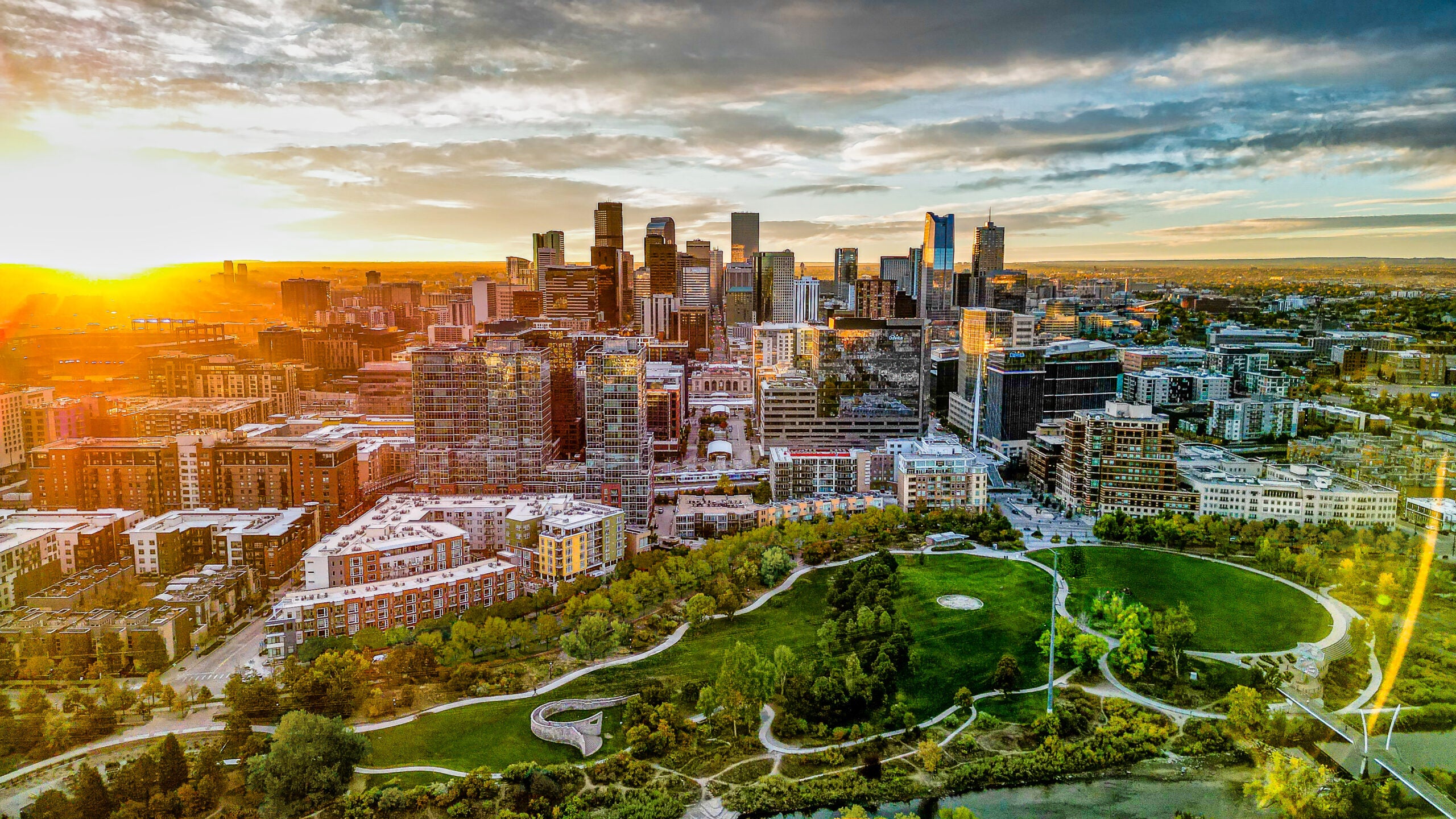
A central pillar of Denver’s outdoor appeal is the Red Rocks Park and Amphitheatre, located in Morrison, approximately 15 miles west of downtown. Managed by the City and County of Denver, the venue is world-renowned for its natural acoustics and dramatic sandstone formations, which belong to the Fountain Formation—a geological layer dating back roughly 300 million years. While primarily known as a concert venue, Red Rocks serves as a multi-use recreational site, hosting "Yoga on the Rocks," film screenings, and a network of hiking trails that connect to the broader Jefferson County Open Space system.
Contiguous to Red Rocks is Dinosaur Ridge, a site of international paleontological significance. Designated as a National Natural Landmark, Dinosaur Ridge features over 300 Cretaceous-era dinosaur footprints and various fossil remains. The site functions as an outdoor museum, providing critical educational context regarding the region’s prehistoric environment. For the 2026 festival, these locations represent the intersection of Colorado’s cultural heritage and its geological history, offering visitors a perspective on the landscape that predates modern recreation.
High-Altitude Access and the "Fourteener" Culture
Colorado is home to 58 mountain peaks exceeding 14,000 feet, colloquially known as "fourteeners." For many visitors to the Outside Days festival, "bagging" a fourteener is a primary objective. The proximity of Denver to several of these peaks makes the city a unique metropolitan hub for high-altitude mountaineering.
Among the most accessible is Mount Blue Sky (formerly Mount Evans), which stands at 14,264 feet. The Mount Blue Sky Scenic Byway is the highest paved road in North America, allowing motorized access to within a few hundred feet of the summit. This infrastructure makes the peak one of the most visited in the state. To manage the environmental impact of high visitor volume, the U.S. Forest Service has implemented a strict timed-entry reservation system. This management strategy reflects a broader trend in Colorado’s outdoor industry: the necessity of balancing accessibility with ecological preservation.
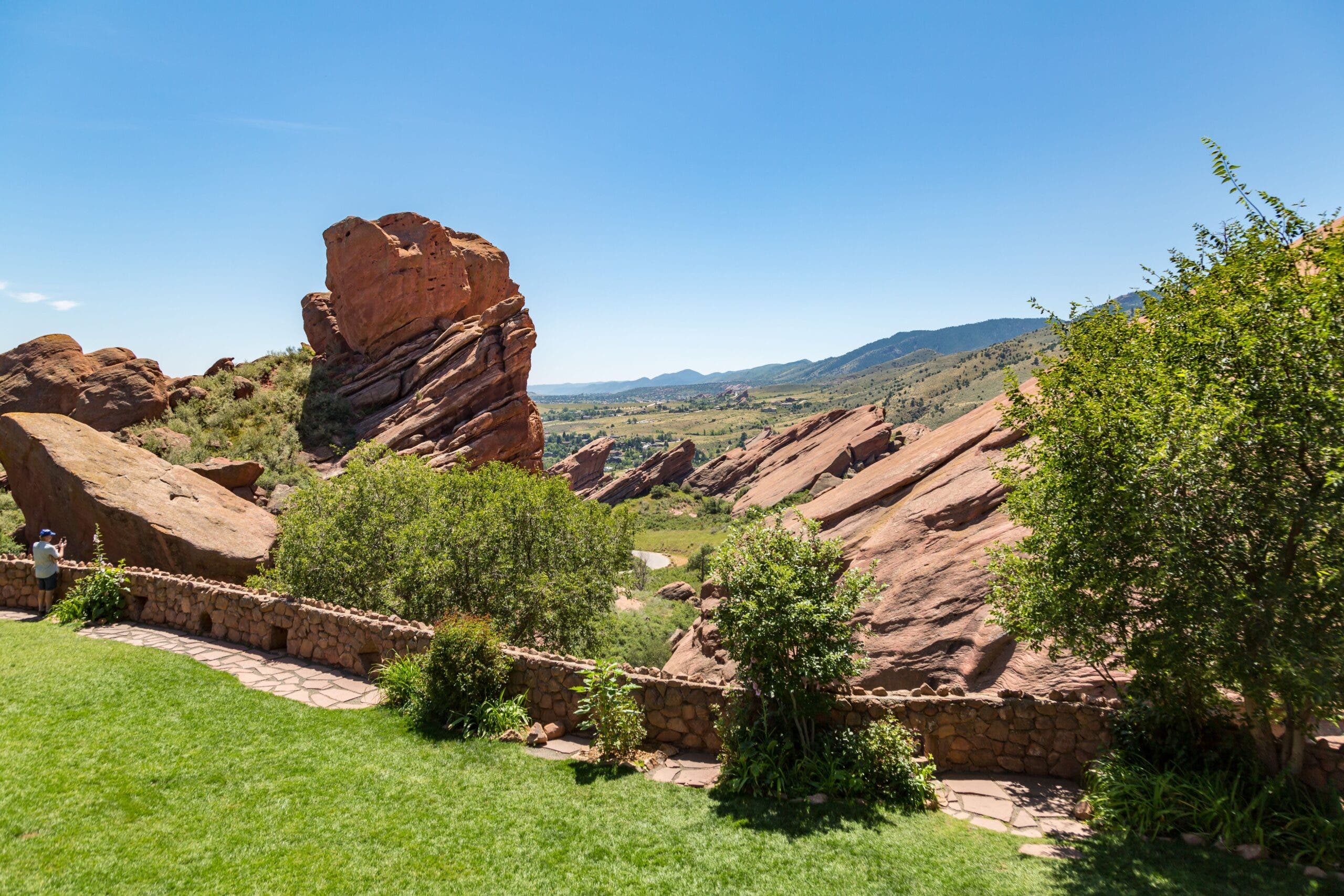
For those seeking more strenuous physical engagement, Grays and Torreys Peaks offer a formidable alternative. Located just over an hour west of Denver in the Front Range, these two peaks are often summited together via an 11.2-mile round-trip trek. The popularity of these trails contributes to the regional economy through the sale of technical gear, guide services, and hospitality in nearby mountain corridors.
The Urban-Outdoor Nexus: Fly-Fishing and the South Platte River
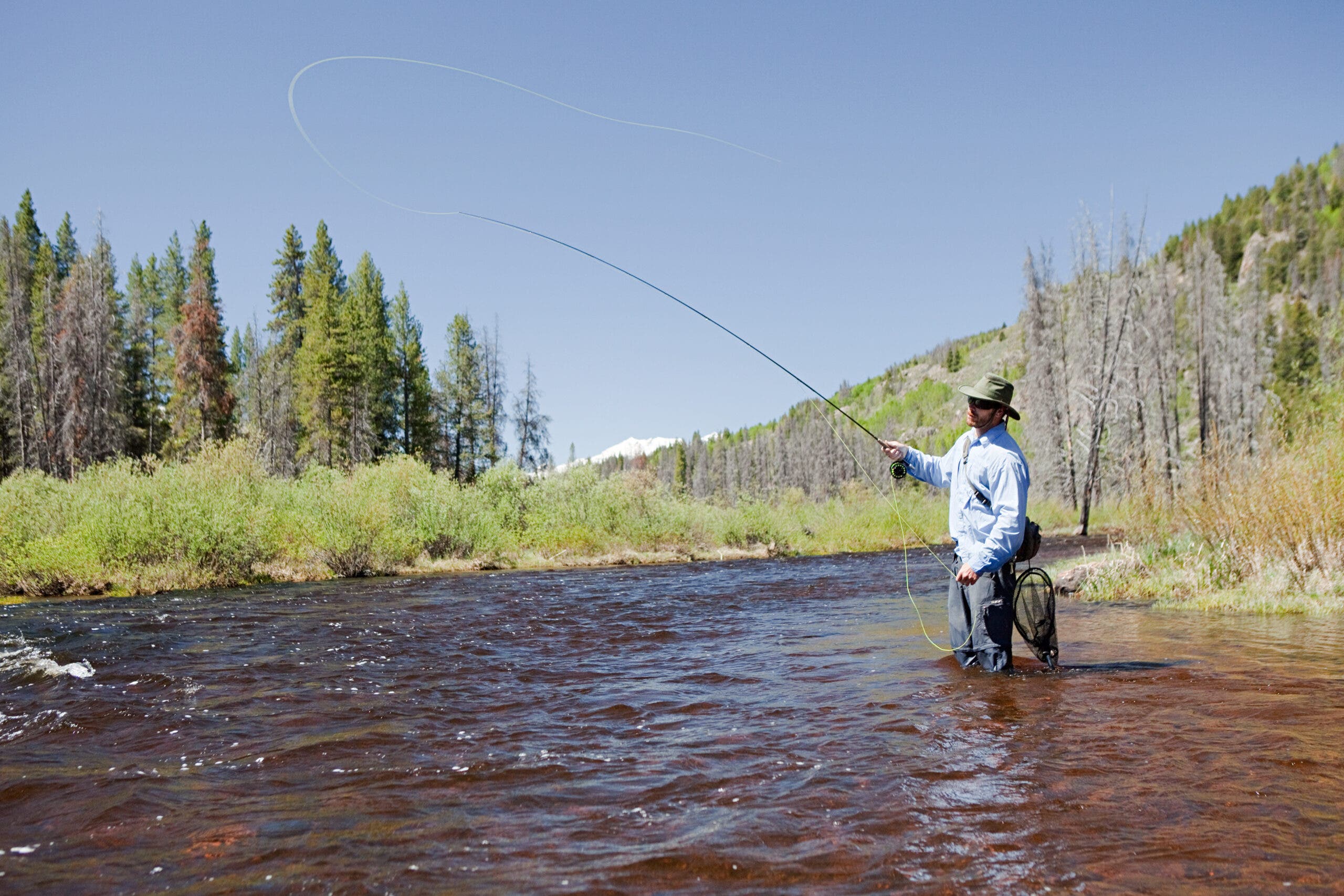
One of the more surprising developments in Denver’s recreational portfolio is the revitalization of the Denver South Platte River. Once overlooked as an industrial waterway, a 26-mile urban stretch of the river has been transformed into a viable fishery. Anglers can now find trout, bass, walleye, and catfish within sight of the city’s skyscrapers. This urban fishery is a testament to long-term water quality improvements and habitat restoration projects.
Beyond the city limits, Colorado’s fly-fishing industry is a major economic driver. The Blue River near Breckenridge and the headwaters of the Colorado River in Rocky Mountain National Park are considered "Gold Medal" waters, a designation by the Colorado Parks and Wildlife Commission indicating the highest quality trout habitats. These areas require specific permits and adherence to "catch and release" regulations in many sections, highlighting the state’s rigorous approach to wildlife management.
Regional Connectivity and Gateway Towns
The economic impact of Denver’s outdoor tourism extends well into the surrounding mountain towns, which serve as secondary hubs for the Outside Days festival. Estes Park and Idaho Springs are two primary examples of communities that have successfully transitioned from extraction-based economies (mining and logging) to tourism-based economies.
Estes Park and Rocky Mountain National Park
Estes Park serves as the eastern entrance to Rocky Mountain National Park (RMNP), one of the most visited national parks in the United States. The town is characterized by its historic architecture, most notably the Stanley Hotel, which opened in 1909 and remains a cornerstone of the local hospitality industry. The town’s economy is heavily dependent on the four million-plus visitors who pass through to access RMNP’s 355 miles of hiking trails and iconic wildlife, including the regional elk population.
Idaho Springs and the Argo Infrastructure
Located 45 minutes west of Denver along the I-70 corridor, Idaho Springs is a former mining camp that has rebranded itself as a destination for history and adventure. The town recently saw the installation of the Mighty Argo Cable Car, a modern piece of infrastructure that transports visitors above the valley floor to view the historic Argo Mill and the surrounding peaks. This development, along with the town’s famous "Colorado-style" pizza industry and antique commerce, demonstrates how small mountain communities are innovating to capture the overflow of Denver’s growing tourism market.
Data and Economic Implications
The 2026 Outside Days festival arrives at a time of significant growth for Colorado’s outdoor sector. Data from the Bureau of Economic Analysis (BEA) indicates that outdoor recreation accounts for roughly 2.5% of Colorado’s total GDP. In Denver specifically, the influx of visitors for outdoor-centric events has a "multiplier effect," benefiting not only gear retailers but also the city’s extensive craft brewery network.
The Denver Beer Trail, a curated map of the city’s numerous breweries, is often marketed in tandem with hiking and biking activities. Denver currently boasts one of the highest concentrations of breweries per capita in the United States. This synergy between "trail and tap" has become a formalized marketing strategy for Visit Denver, linking the physical exertion of outdoor sports with the city’s culinary and social offerings.
Analysis of Sustainability and Future Challenges
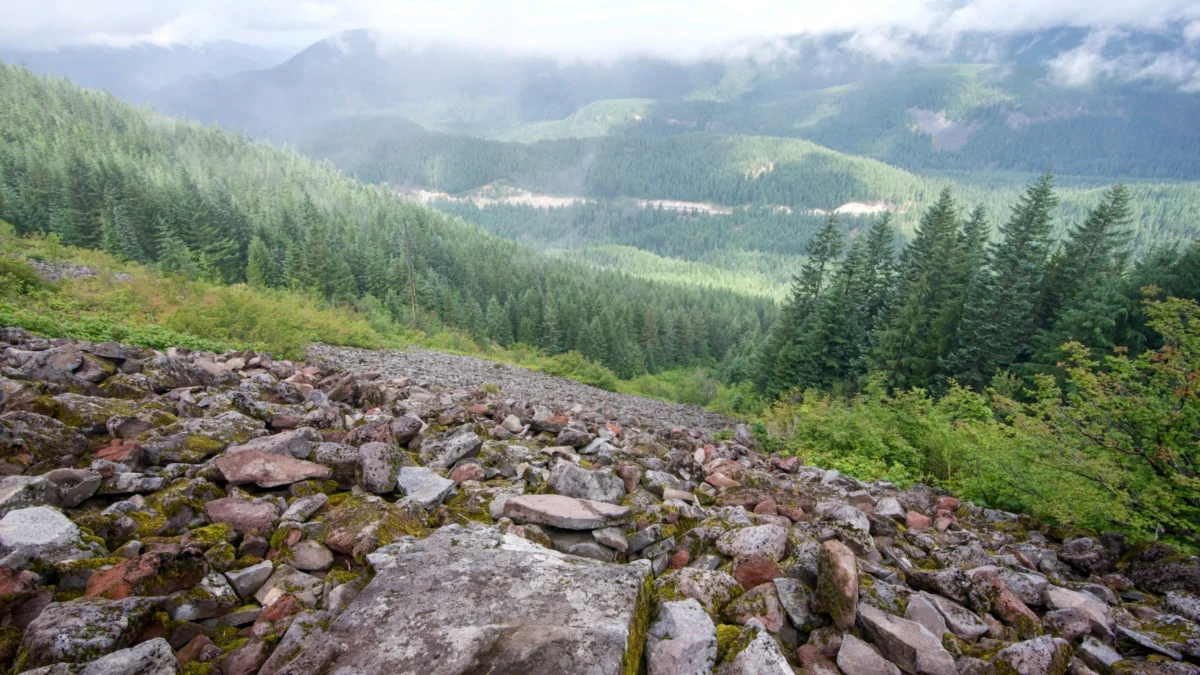
While the Outside Days festival highlights the benefits of Denver’s outdoor proximity, it also brings to light the challenges of "over-tourism." The heavy usage of trails like those at Red Rocks or the summit of Mount Blue Sky has led to soil erosion and habitat fragmentation. Consequently, the future of Denver’s outdoor industry is increasingly tied to sustainable management.
The implementation of reservation systems and "Leave No Trace" educational campaigns are critical components of the city’s long-term strategy. Industry analysts suggest that the success of events like Outside Days will be measured not just by attendance figures, but by the ability of the city and state to manage the environmental footprint of those attendees.
Conclusion
As Denver prepares to host the Outside Days festival in May 2026, the city stands as a model for how a major metropolitan area can integrate wilderness recreation into its economic and cultural fabric. From the prehistoric echoes of Dinosaur Ridge to the high-altitude summits of the Front Range, Denver offers a comprehensive outdoor experience that supports a multibillion-dollar industry. By leveraging its historic role as the gateway to the Rockies, the Mile High City continues to redefine the relationship between urban development and the natural world.


 Budi Mulyono
 Lukman Taruna Persada Ramadan
 Chandra Hamzah
 Tatiana Tantri Indah Sari