
 Tatiana Tantri Indah Sari
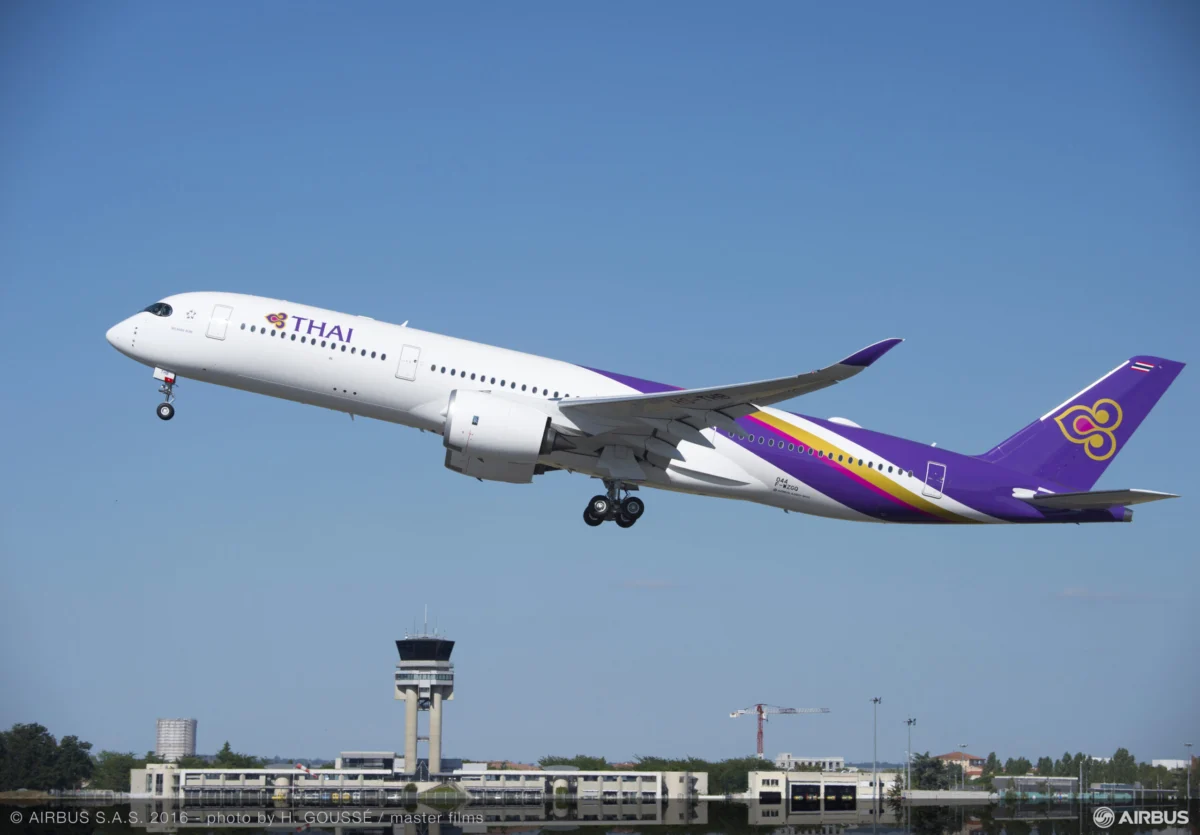
Thai Airways Chief Executive Officer Chai Eamsiri was removed from his leadership position on Friday, following days of severe operational disruptions and baggage handling failures at Bangkok’s Suvarnabhumi Airport. The leadership shakeup comes in the immediate wake of torrential monsoon downpours and severe flash flooding that paralyzed parts of the Thai capital, leaving critical aviation infrastructure severely short-staffed and thousands of passenger bags stranded indefinitely.
The decision to oust Chai was finalized during an emergency board meeting where directors voted overwhelmingly to suspend the sitting CEO. According to statements provided by Chai to local and international media outlets, the board’s action was taken to facilitate a comprehensive internal inquiry into why the crisis management protocols failed to prevent widespread operational paralysis. In an official stock exchange filing, the national carrier confirmed the suspension, marking a sudden and dramatic turn of events for an airline that had only recently navigated a protracted and complex corporate rehabilitation process.
To ensure business continuity during the transition, the Thai Airways board of directors moved swiftly to appoint Samrit Samniang as acting CEO. Samniang brings considerable corporate governance and operational management experience to the role, having previously served as a director on the Thai Airways board and held high-ranking executive positions at PTT Exploration and Production, one of Thailand’s premier oil and gas conglomerates. The appointment of an interim leader with a strong corporate turnaround background underscores the urgency with which the airline’s leadership is attempting to restore operational stability and public confidence.
Chronology of the Crisis
The sequence of events leading to the high-profile ouster began earlier in the week when an unprecedented weather system battered Bangkok and its surrounding provinces. Meteorological agencies recorded historic rainfall volumes within a compressed 48-hour window, overwhelming urban drainage systems and inundating major thoroughfares leading to Suvarnabhumi Airport, the country’s primary international gateway.
As floodwaters accumulated on access roads and perimeter areas, ground transportation networks ground to a near-halt. Airport employees, baggage handlers, and contract staff found themselves unable to reach their terminals on time, resulting in massive workforce absenteeism across multiple ground-handling agencies.
By mid-week, the human resource deficit manifested in catastrophic operational bottlenecks. Flight schedules experienced cascading delays as turnaround times stretched far beyond acceptable industry parameters. Concurrently, the breakdown of the baggage handling ecosystem left tens of thousands of passenger bags unassigned, accumulating in vast piles inside arrival halls and cargo holding areas. International travelers faced multi-hour waits to reclaim luggage, while departing passengers boarded flights without their checked belongings, generating widespread frustration, international media scrutiny, and severe reputational damage for the flag carrier.

Background Context and Corporate Recovery
The timing of this operational crisis is particularly damaging for Thai Airways, which has spent the better part of the last four years navigating a grueling court-supervised rehabilitation plan. Following years of financial mismanagement exacerbated by the global aviation downturn during the COVID-19 pandemic, the airline filed for bankruptcy protection in 2020. Under the stewardship of Chai Eamsiri, who took the helm with a mandate to streamline operations and return the carrier to profitability, Thai Airways had successfully slashed costs, renegotiated aircraft lease agreements, and capitalized on the post-pandemic resurgence in global travel demand.
Prior to the flooding incident, Thai Airways had been signaling a triumphant return to financial health, posting consecutive quarters of positive earnings and preparing for a formal exit from its rehabilitation program. The airline’s strategic focus had shifted toward modernizing its widebody fleet—including investments in Airbus A350 aircraft—and expanding its network footprint across Europe, Asia, and Australia. The sudden disruption at Suvarnabhumi Airport has abruptly punctured this narrative of recovery, exposing lingering vulnerabilities in the airline’s crisis response capabilities and third-party vendor management.
Official Responses and Stakeholder Reactions
In the wake of his removal, Chai Eamsiri defended his administration’s efforts while acknowledging the severity of the situation. Speaking to reporters on Friday, Chai stated, "They ordered me to step aside from my duties as CEO. They want to find out why the crisis was not resolved." He maintained that executive management worked around the clock to mitigate the effects of an act of nature that overwhelmed municipal infrastructure well beyond the immediate jurisdiction of the airport authority.
Meanwhile, representatives from the Ministry of Transport and the Airports of Thailand (AOT) have launched parallel investigations into the preparedness of ground handlers and emergency response units. Transport ministry officials emphasized that critical national infrastructure must possess robust redundancy plans to handle extreme weather events, which are becoming increasingly frequent due to shifting global climate patterns. Passenger advocacy groups have likewise voiced outrage over the lack of timely communication and support for stranded travelers, demanding transparent compensation frameworks and expedited luggage repatriation processes.
Broader Impact and Implications for Thai Aviation
The removal of Chai Eamsiri carries significant implications for the broader Thai aviation and tourism sectors. Suvarnabhumi Airport serves as the central hub for the nation’s tourism economy, a vital pillar that accounts for a substantial percentage of Thailand’s Gross Domestic Product (GDP). Any sustained perception of operational instability or infrastructural vulnerability at the airport threatens to deter international visitors during crucial seasonal travel windows.
From a corporate governance perspective, the board’s decisive action signals to creditors, shareholders, and regulatory authorities that Thai Airways will hold executive leadership strictly accountable for operational resilience. However, abrupt leadership transitions during a crisis can also introduce internal uncertainty, potentially complicating ongoing negotiations with aircraft lessors, labor unions, and financial institutions as the airline finalizes its exit from corporate rehabilitation.
As acting CEO Samrit Samniang assumes command, his immediate priorities will include clearing the backlog of stranded luggage, restoring normal punctuality metrics, and reestablishing robust lines of communication with frustrated passengers. Beyond these urgent operational firefighting measures, the new leadership team must institute comprehensive infrastructural stress tests and disaster preparedness protocols to ensure that future weather anomalies do not precipitate a similar institutional collapse. The international aviation community will be watching closely to see how quickly Thailand’s national carrier can steady its trajectory and recover from this unexpected turbulence.



 Dwi Wanna

 Anjar Salim

 Lukman Taruna Persada Ramadan

 Budi Mulyono
