
 Diana Nuri Rohmawati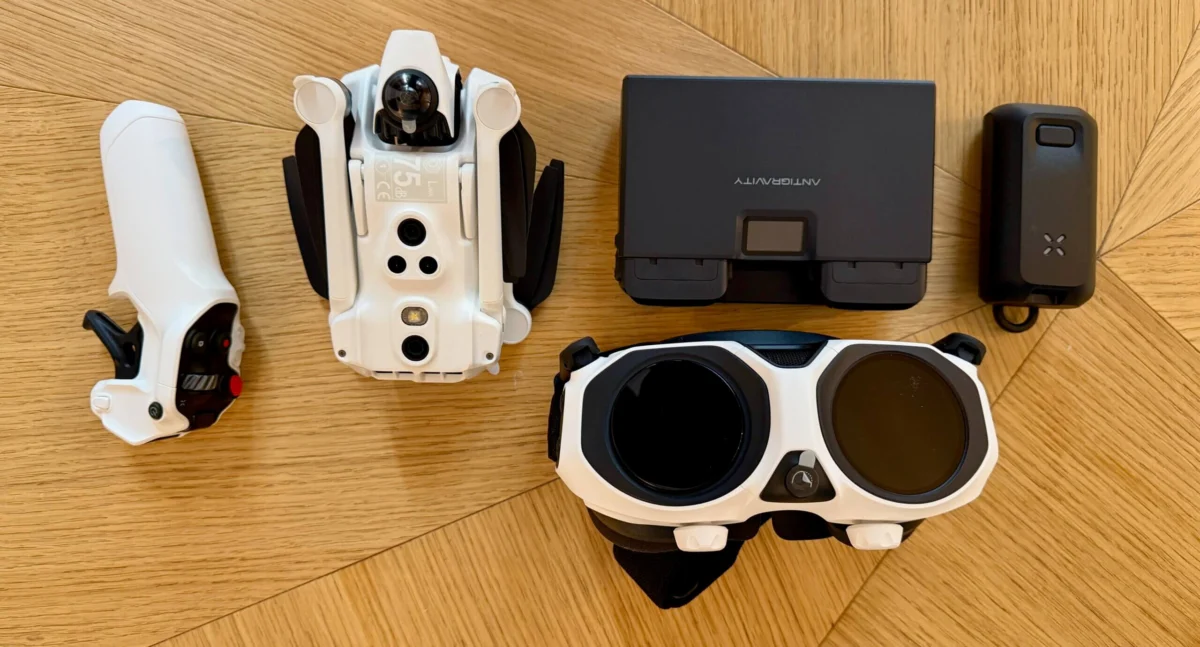
The release of the Antigravity 360 A1 in late 2025 has marked a significant shift in the consumer and prosumer drone markets, introducing a paradigm where traditional mechanical gimbals are increasingly viewed as legacy technology. By utilizing a sophisticated dual-lens 360-degree capture system, the A1 allows operators to record an entire spherical environment simultaneously, effectively decoupling the act of flying from the act of framing. This "fly now, frame later" workflow represents a fundamental change in aerial production, moving away from the precision-piloting requirements of the past decade toward a more software-defined cinematography experience.
The Engineering of Spherical Capture
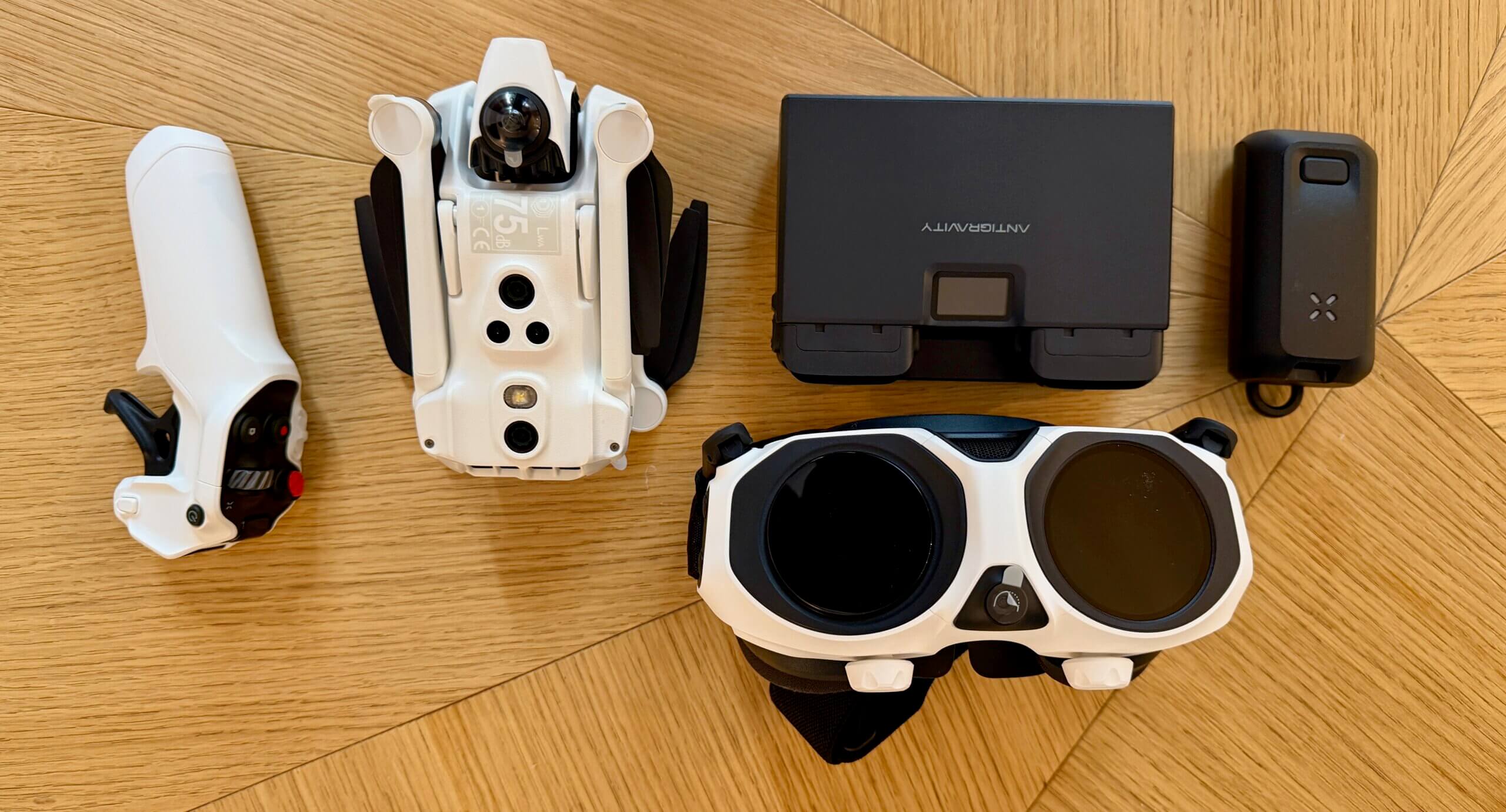
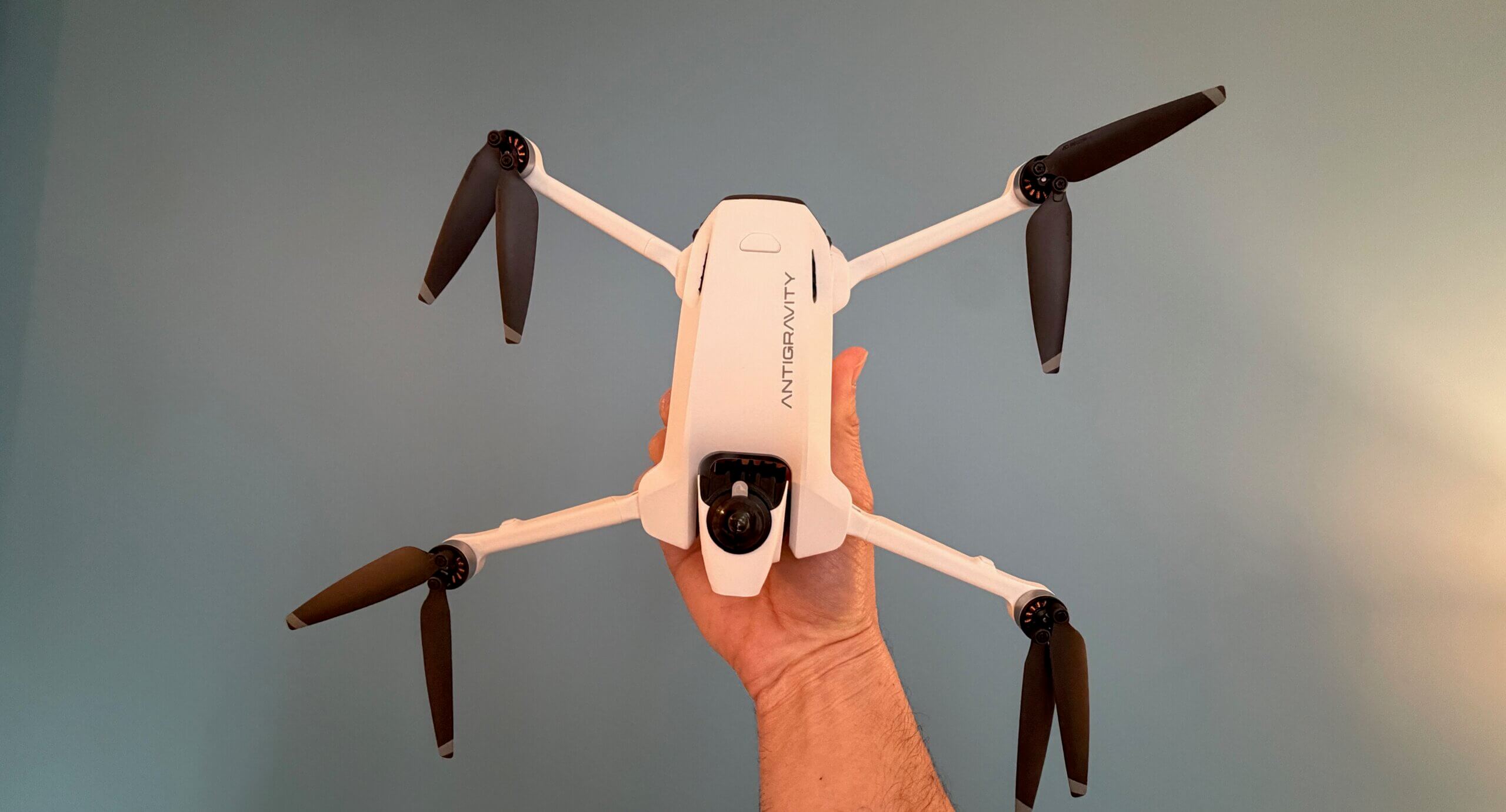
At the core of the Antigravity A1’s innovation is its optical configuration. Unlike conventional drones that rely on a single camera mounted to a three-axis mechanical gimbal, the A1 utilizes two ultra-wide-angle lenses positioned on the dorsal and ventral sides of the central fuselage. Each lens captures a 200-degree field of view, providing a 20-degree overlap that allows the onboard processor to stitch the images into a seamless 360-degree sphere.
The drone’s software employs an "invisible" algorithm that digitally removes the aircraft’s body from the final footage. This creates a visual effect previously only achievable with complex professional rigs: the illusion of a camera floating in mid-air without any visible support structures or propellers. The hardware powering this capture consists of dual 1/1.28-inch CMOS sensors. While these are smaller than the 1-inch sensors found in high-end photography drones like the DJI Mavic Pro series, they represent a massive leap forward for 360-degree technology, which has historically been limited by the small sensors found in action cameras. These larger pixels provide enhanced dynamic range and superior performance in low-light conditions, mitigating the "noise" typically associated with spherical video.
Regulatory Strategy and the 249-Gram Threshold
One of the most critical aspects of the A1’s market positioning is its weight. Global aviation authorities, including the Federal Aviation Administration (FAA) in the United States and the European Union Aviation Safety Agency (EASA), have established 250 grams as the threshold for mandatory drone registration and stricter operational limitations. By engineering the A1 to weigh exactly 249 grams with its standard Intelligent Flight Battery, Antigravity has bypassed the requirement for commercial-grade registration in many jurisdictions.
To achieve this weight while maintaining structural integrity, the manufacturer moved away from standard ABS plastics. The A1 is constructed from a high-grade carbon-fiber-reinforced polymer, which provides a high strength-to-weight ratio. This material choice allows the drone to remain rigid during high-speed maneuvers while protecting the sensitive internal optics. The folding mechanism is designed for portability, reducing the aircraft to the footprint of a large smartphone, albeit with significantly more depth to accommodate the dual-lens architecture.
Chronology of Development and Market Entry
The path to the A1’s release was marked by several years of research into stabilization and miniaturization.
- 2023: Initial patents were filed by Antigravity Tech regarding "omni-directional capture in sub-250g unmanned aerial vehicles."
- Early 2024: Prototype testing began in high-wind environments to refine the "FlowState" stabilization algorithms, which aim to replace mechanical gimbals with electronic image stabilization (EIS).
- Late 2024: The company announced a partnership with micro-OLED manufacturers to develop the dedicated vision goggles that would eventually launch alongside the drone.
- Late 2025: The Antigravity A1 was officially released to the global market, targeting travel content creators and FPV (First Person View) enthusiasts.
The Immersive Flight Experience
The A1 is bundled with advanced Vision Goggles that utilize dual 4K micro-OLED displays. With a 120Hz refresh rate and near-zero latency, these goggles facilitate an immersive "cockpit" view. A standout feature is the integrated head-tracking system. Because the drone records in a full 360-degree sphere, the pilot is not restricted to a forward-facing view. When the pilot turns their head, the goggle feed pans within the recorded sphere in real-time. This provides a level of spatial awareness that traditional drones cannot match, as the pilot can "look down" through the floor of the drone or "look back" at the flight path without changing the aircraft’s heading.
The control scheme also departs from tradition. While the A1 supports a standard "Mode 2" dual-stick controller for professional FPV pilots, its primary interface is a single-handed motion controller. This device translates wrist movements and trigger pulls into flight commands: tilting the controller banks the drone, while raising the nose initiates a climb. This intuitive system is designed to lower the barrier to entry for novice pilots while maintaining the agility required for complex maneuvers.
Technical Specifications and Data Analysis
The "8K" resolution advertised by Antigravity requires a nuanced understanding of spherical pixels. In a standard flat video, 8K (approximately 7680 x 4320 pixels) is concentrated in a 16:9 frame. In 360-degree video, those pixels are spread across a 360×180-degree sphere. When a creator "reframes" this footage into a standard 1080p or 4K flat video, they are essentially cropping into a portion of that sphere.
| Comparative Performance Data: | Feature | Antigravity A1 | Standard 360 Action Cam | Pro Photography Drone |
|---|---|---|---|---|
| Sensor Size | 1/1.28-inch (Dual) | 1/2.3-inch to 1/2-inch | 1-inch to Full Frame | |
| Weight | 249g | ~160g (no flight) | 900g+ | |
| Max Resolution | 8K Spherical | 5.7K Spherical | 5.4K – 8K Planar | |
| Stabilization | FlowState (EIS) | Electronic | Mechanical Gimbal | |
| Flight Time | 20-24 Minutes | N/A | 30-45 Minutes |
The A1’s battery life is a point of contention among power users. The standard battery provides approximately 20 minutes of real-world flight time, which is lower than the 30-40 minutes seen in non-360 drones. However, industry analysts point out that the "usable footage per minute" is higher with the A1. Since the drone captures all angles at once, a pilot does not need to fly the same path multiple times to get a "reveal shot," a "tracking shot," and a "top-down shot." One flight provides all three perspectives in post-production.
Software Ecosystem and AI Integration
The hardware is supported by the "Antigravity Studio" application, which handles the high-bandwidth wireless transfer of footage at speeds up to 80MB/s. The software’s primary function is reframing, allowing users to use their smartphone’s gyroscope to direct the camera after the flight has ended.
Furthermore, the app includes "Auto-Frame" AI. This tool uses machine learning to identify human subjects, vehicles, or specific landmarks within the 360-degree sphere, automatically generating a cut that follows the action. This feature is particularly aimed at solo creators who act as both the pilot and the subject of their footage. For professional environments, the drone supports a 10-bit "Log" color profile, ensuring the footage can be color-graded to match high-end cinema cameras in a multi-cam production.
Industry Implications and Future Outlook
The introduction of the Antigravity A1 has broader implications for the future of media consumption and drone regulation. As VR (Virtual Reality) and AR (Augmented Reality) headsets become more prevalent, the demand for high-quality 360-degree content is expected to rise. The A1 provides an accessible entry point for creating the immersive environments required for these platforms.
From a flight dynamics perspective, the A1 is classified as a "cinewhoop." It is designed for stability and predictable movement rather than the aggressive, high-speed capabilities of racing drones. Its top speed of 36 mph is sufficient for most cinematic applications, such as following a cyclist or a car in an urban environment. The inclusion of "Turtle Mode"—a feature that allows the drone to flip itself over using its propellers if it lands upside down—further emphasizes its role as a tool for creators who may be operating in challenging or tight spaces.
Industry experts suggest that the success of the A1 may force other major manufacturers to reconsider their reliance on mechanical gimbals for the consumer segment. While gimbals still offer superior raw image quality for static photography, the creative flexibility and durability of a lens-based stabilization system are increasingly attractive to the "TikTok and YouTube" generation of creators.
The Antigravity 360 A1 represents a successful convergence of three distinct technologies: high-resolution spherical optics, AI-driven post-production, and sub-250g aerospace engineering. By navigating the complexities of international aviation laws while providing a revolutionary creative tool, Antigravity has established a new benchmark for what a portable drone can achieve in the late 2020s. As firmware updates continue to refine the stitching algorithms and AI tracking, the gap between this spherical capture method and traditional cinematography is expected to close even further.




 Anjar Salim
 Chandra Hamzah
 Tatiana Tantri Indah Sari
 Budi Mulyono
 Lukman Taruna Persada Ramadan
