
 Cholid Fahmi Thalib
Embarking on a culinary journey requires more than just a list of popular restaurants; it demands a strategic approach to discovering the heart of a city’s or region’s gastronomic identity. The most profound food experiences are often found not in the spotlight of tourist traps, but in the quiet hum of local life, where familiar faces and practiced hands signal authenticity. This principle extends to travel planning, where the ability to move freely between culinary hubs is paramount to maximizing a food-focused itinerary. For travelers arriving in Sydney, Australia, for instance, securing rental cars from Sydney Airport early in their trip provides the essential freedom to explore beyond the immediate city center, enabling efficient booking, effective use of daylight hours, and the flexibility to adapt to evolving kitchen closing times – a crucial element for any serious food explorer.
Cultivating Culinary Discovery Through Strategic Neighborhood Selection
The foundation of exceptional food exploration lies in identifying and immersing oneself in neighborhoods that boast a high density of authentic eateries. These are areas where a walkable radius connects a diverse array of local markets, artisanal bakeries, and bustling cafes that sustain themselves throughout the day, from early morning risers to lunchtime crowds. The ability to traverse these districts on foot not only maximizes the number of culinary establishments one can experience but also minimizes the time lost to transit, allowing for a deeper and more efficient tasting experience.
A recommended strategy for maximizing daily culinary exploration involves designating two distinct food neighborhoods per day. Crucially, a deliberate pause or break should be scheduled between these intensive tasting periods each afternoon. This interlude can be utilized for a relaxing walk in a local park, a visit to a nearby museum, or a brief period of rest at one’s accommodation. Such a pause is vital for refreshing the palate, preventing taste bud fatigue, and mitigating the risk of making impulsive, less-informed food choices when hunger strikes later in the day.
Identifying neighborhoods that cater primarily to locals, rather than transient tourists, is key. Indicators of such authenticity include the presence of local grocery stores, proximity to educational institutions, and restaurants that prominently display daily lunch specials on exterior boards. Furthermore, a robust public transportation network, coupled with accessible parking options for those undertaking short drives between culinary destinations, signifies a well-established and frequented area.
Several city pairings exemplify this approach, offering neighborhoods that consistently reward repeat visits and deep exploration. In Tokyo, the districts of Asakusa and Yanaka provide an ideal starting point for experiencing early morning sweets, traditional noodle dishes, and tranquil coffee bars before the influx of larger crowds. Mexico City, a UNESCO Creative City of Gastronomy, presents the vibrant neighborhoods of Roma and La Condesa, where an easy stroll connects a plethora of taco stands and exquisite bakeries. Lisbon’s Campo de Ourique and Príncipe Real offer a captivating blend of traditional markets, intimate wine bars, and charming bistros. Bangkok’s Ari and Talat Phlu districts artfully balance contemporary cafes with venerable family-run eateries situated conveniently near public transit stations. Both of these Asian metropolises are particularly well-suited for early risers, as their vibrant markets commence operations swiftly, and local patronage swells well before mid-morning.
Leveraging Airport Hubs for Regional Culinary Access
Significant culinary discoveries often lie beyond the immediate confines of major city centers, and airports can serve as invaluable gateways to these regional gastronomic treasures. A direct car rental pickup from an airport can significantly shorten the initial journey, allowing travelers to bypass crowded public transportation hubs and directly access smaller towns or villages renowned for their distinct culinary traditions. This strategy is particularly effective when a region maintains strong, localized cooking styles that have not widely disseminated to more urbanized areas.
Sydney, Australia, serves as an excellent case study for this airport-gateway approach. The region’s exceptional food scene extends across its picturesque beaches, diverse suburbs, and fertile inland valleys, far beyond the central business district. From Sydney Airport, travelers can readily access Cabramatta, a vibrant hub for authentic Vietnamese cuisine, or Marrickville, known for its burgeoning bakery scene and eclectic small bars. Alternatively, a drive towards the Blue Mountains offers opportunities to sample artisanal pies, locally produced ciders, and dishes from small-scale roasters.
To maintain energy levels and avoid the stress of late-night dining, it is advisable to limit the initial day’s driving to a maximum of ninety minutes each way from the chosen base. This allows for arrival with ample energy, prevents the need for rushed meals, and still leaves time for a leisurely exploration of the chosen area. In instances where heavy traffic is anticipated, a pragmatic adjustment involves switching to a closer suburban destination for the day and deferring the longer excursion to the following day.
This airport-facilitated regional exploration model is applicable in numerous locations globally where distinct food cultures thrive within reasonable driving distance. Barcelona, Spain, can serve as a launchpad to Girona, a city where market lunches and patisserie shops offer delightful interludes between visits to historical sites. Cape Town, South Africa, provides access to the renowned Winelands, where farm-to-table kitchens and wine tastings are complemented by roadside produce stands offering the freshest local ingredients. Vancouver, Canada, offers a direct route to Richmond, a culinary mecca for Cantonese cuisine, with its numerous kitchens and dessert shops remaining active well into the evening. New Orleans, USA, allows for excursions to smokehouses and seafood shacks located beyond the immediate downtown area, often featuring more accessible parking and shorter queues. In each of these scenarios, a rental car is instrumental in prioritizing culinary objectives over fixed accommodation addresses, enabling travelers to align their exploration with the operational hours of the establishments they seek to experience.
Integrating Buffer Time: The Key to Resilient Food Itineraries
The success of a food-centric travel itinerary hinges on the strategic incorporation of buffer time, preventing a single unforeseen delay from derailing the entire day’s plans. Rather than meticulously scheduling every hour, a more resilient approach involves identifying one non-negotiable dining destination per day and supplementing this with two to three nearby alternative options that offer readily available seating. This contingency planning ensures that a delayed train, unexpected traffic congestion, or an unforeseen closure does not result in the forfeiture of a highly anticipated meal.
Before committing to a dinner reservation or visit, it is imperative to ascertain the "last order time" rather than solely relying on the stated closing time. Many kitchens, particularly on weeknights or during local events and public holidays, cease accepting new orders significantly before their official closing hour. Similarly, market hours require careful verification, as popular stalls can exhaust their inventory well before midday on Saturdays.
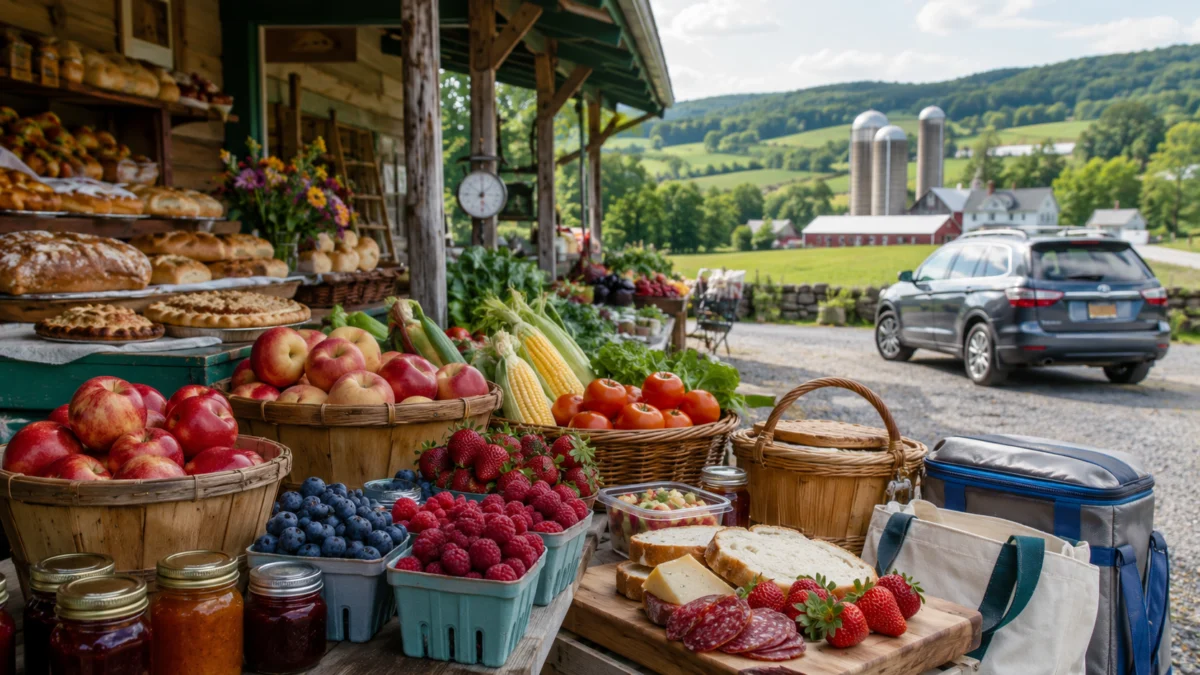
To enhance the practicality of long days dedicated to culinary exploration without adding significant bulk to luggage, travelers are advised to pack a few essential items. These include wet wipes for immediate clean-up, a reusable water bottle to stay hydrated, and a small cooler bag for transporting perishable purchases like cheeses or pastries. Carrying a portable charger for electronic devices and a supply of small cash denominations can prove invaluable, as digital navigation and payment systems can falter at critical moments.
For those undertaking driving tours, a concise pre-drive checklist can contribute to a more relaxed and secure culinary experience. This checklist might include identifying a suitable parking spot near the initial destination, enabling easy pedestrian access to subsequent locations within a one-hour radius. It is also prudent to abstain from alcohol consumption before driving and to opt for takeaway options over on-site consumption when adherence to local driving regulations is a priority.
Diversifying Culinary Formats for Enhanced Learning
The longevity of culinary memories is significantly enhanced by engaging with a diverse range of dining formats, rather than solely focusing on high-profile restaurants. Each format offers a unique lens through which to understand a region’s food culture. Markets, for example, provide invaluable insights into local ingredients and their seasonality, while cafes reveal the rhythms of daily life and local consumption habits. Eateries such as bars often showcase social customs and preferred pairings. While fine dining can offer lessons in culinary technique, its value is maximized when experienced at a pace and price point that aligns with the diner’s comfort and enjoyment.
A balanced daily itinerary should incorporate at least one spontaneous stop at a venue frequented by locals, often chosen without prior planning. Establishments with concise menus often signal a focused approach to sourcing, preparation, and consistent quality, leading to better execution and timing. Experiencing a single signature dish multiple times across different establishments within a city can also offer a profound understanding of regional variations in technique and ingredient utilization.
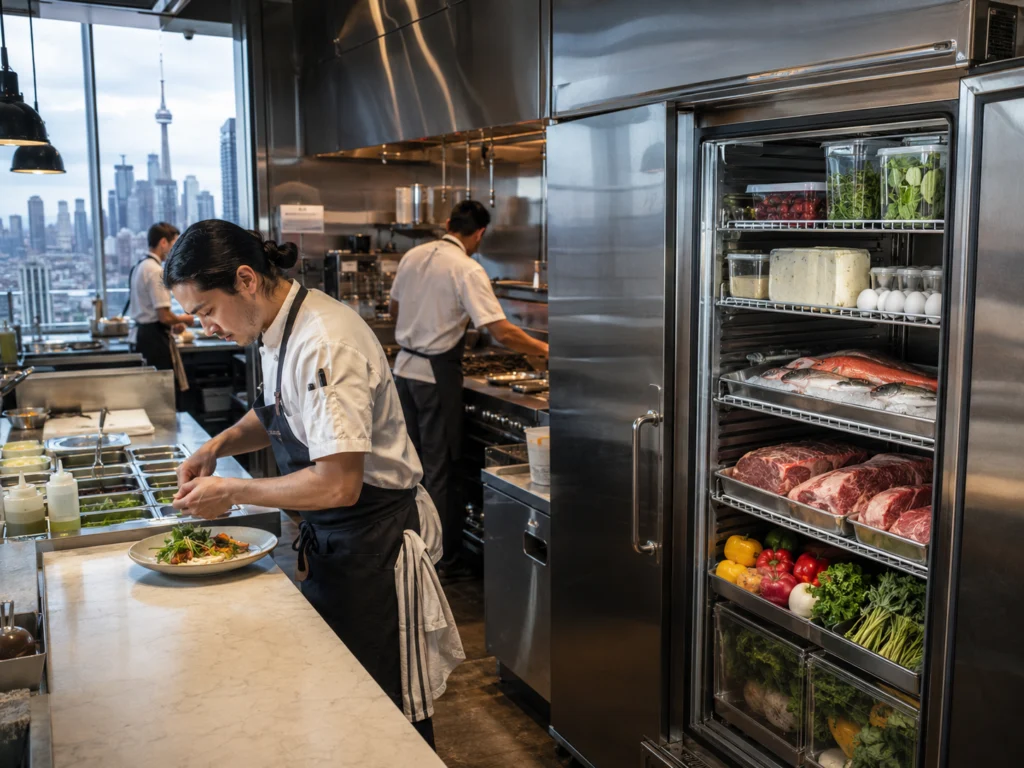
The choice of seating can profoundly influence the dining experience and subsequent ordering decisions. Sitting at a counter seat provides a direct view of the kitchen’s operations, allowing observation of the chefs’ techniques, the tools employed, and the overall timing of service. This intimate perspective can foster greater confidence and accuracy when ordering subsequent dishes. Conversely, an outdoor table encourages a slower pace, facilitating people-watching and observation of how locals pair beverages with their small plates.
Following each meal, it is beneficial to record three brief notes while the flavors are still vivid. These notes could include the dish’s name, a specific flavor profile that stood out, and a practical tip or observation that could be replicated at home. Taking a photograph of the menu can also be a useful tool, simplifying the process of recalling or re-finding dishes without extensive digital searching.
Constructing a Personal Culinary Map
The process of building a personal food map begins upon arrival in a new destination, often with an initial visit to a local market, followed by the selection of a signature meal representative of the city or region. The market visit serves as an introduction to the raw ingredients and their provenance, while the chosen meal offers insights into local culinary techniques and service styles. Subsequent culinary exploration can then focus on filling the itinerary with simpler establishments located within the planned daily walking routes.
Maintaining a consistent routine while traveling is crucial for preventing food fatigue and avoiding poor dietary choices that can detract from the overall experience. This routine should include regular hydration, prioritizing vegetable consumption at lunch, and actively seeking out fruit from local produce stalls. If feeling overly satiated, splitting a dish with a companion allows for continued exploration of the culinary landscape without excessive consumption.
Translating these principles into a practical travel plan involves organizing itinerary items by neighborhood clusters, incorporating generous time buffers between activities, and setting realistic daily driving objectives. This methodical approach enables travelers to savor diverse culinary experiences across multiple locations without succumbing to stress or wasting valuable travel hours. It also ensures that even when unexpected circumstances such as inclement weather, lengthy queues, or personal fatigue necessitate deviations from the original plan, backup options are readily available, guaranteeing a consistently rewarding gastronomic adventure.


 Anjar Salim
 Chandra Hamzah
 Tatiana Tantri Indah Sari
 Budi Mulyono
 Lukman Taruna Persada Ramadan
