
 Cholid Fahmi Thalib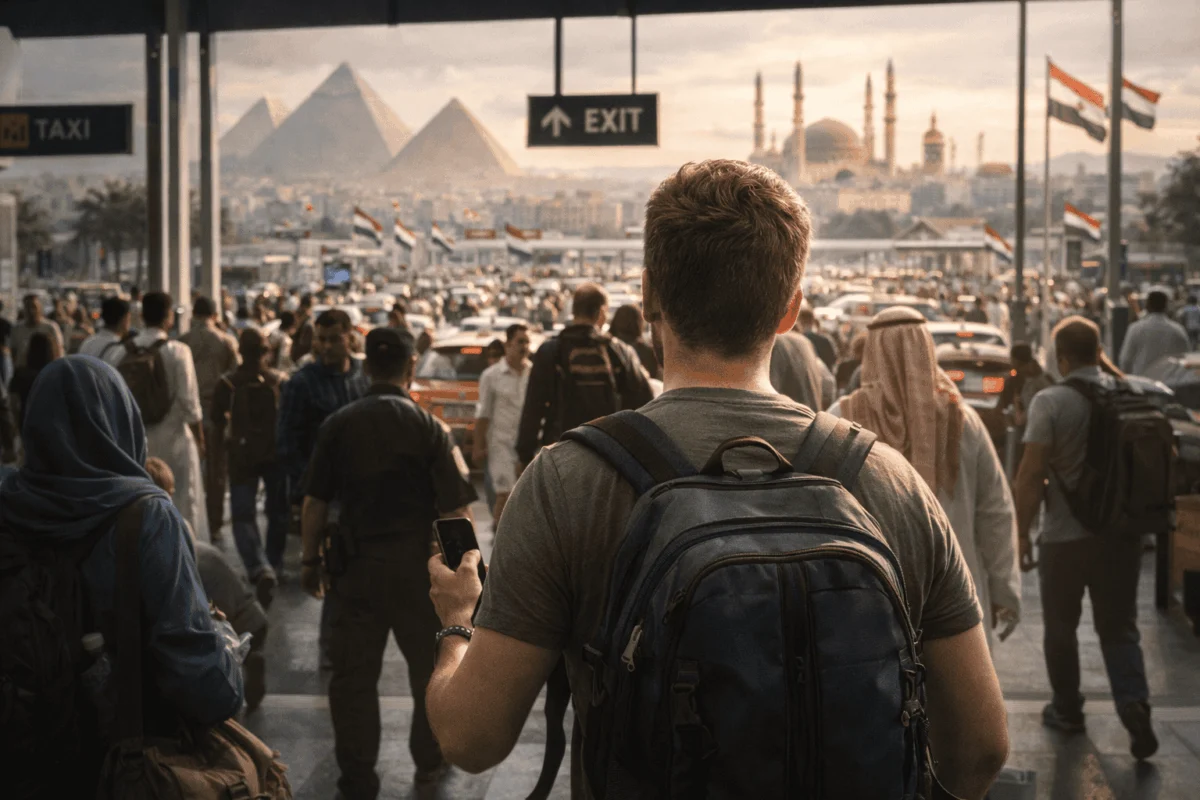
Traveling to Egypt, a nation steeped in millennia of history and situated at the crossroads of continents, often comes laden with preconceptions. For many first-time visitors, the anticipation is a complex blend of excitement for ancient wonders and apprehension fueled by media portrayals and cautionary tales from friends and family. This initial emotional cocktail, a mix of eagerness and anxiety, is a common prelude to an Egyptian adventure. The truly transformative aspect of visiting Egypt, however, lies in how swiftly these pre-conceived notions begin to unravel and reconfigure upon arrival. This is not a curated, idealized version of Egypt presented in glossy brochures; it is the unvarnished reality – a tapestry woven with moments of confusion, overwhelming sensory input, profound warmth, and surprising revelations that frequently lead first-time visitors to exclaim, "I didn’t expect this at all."
The Unraveling of Preconceptions: From Anticipation to Immersion
The prevailing image of Egypt before arrival often conjures a scene of intensity, chaos, and perhaps even intimidation. While elements of this perception hold true, the volume of apprehension in one’s mind tends to be far louder than the reality on the ground. The moment one steps beyond the controlled environment of the airport, the senses are immediately bombarded. The air vibrates with a symphony of car horns, spirited conversations, and the melodic strains of music drifting from open windows. The atmosphere itself feels denser, a palpable blend of heat, dust, and constant motion. This initial immersion can be overwhelming, prompting a fleeting doubt about the wisdom of the journey.
However, a subtle yet significant shift occurs as one begins to observe the underlying order within the apparent disarray. Despite the visible dynamism, there is an inherent flow. People navigate their surroundings with a clear purpose, and established systems, though perhaps unfamiliar in their manifestation, are demonstrably in place. A gradual sense of relaxation begins to set in. Egypt, it becomes evident, is not attempting to deter visitors; it is simply existing in its authentic, vibrant form.
Navigating the Initial Overwhelm: The First Day’s Immersion
The first day in Egypt can feel like a disorienting dream. The lingering effects of travel, coupled with the sheer sensory overload, create a state of heightened awareness as one attempts to absorb a fundamentally different rhythm of life. Mundane tasks, such as crossing a busy street, can transform into an exhilarating test of agility and nerve. Traffic regulations often appear more as guidelines than strict mandates, and the concept of personal space operates on a different cultural wavelength.
Yet, the human capacity for adaptation is remarkable. Within hours, and certainly by the close of the first day, many travelers find themselves amused by their earlier anxieties. Patterns begin to emerge: the optimal moments to walk, the cues to wait, the signals to hail a taxi, and those to let one pass. This initial period of adjustment, while potentially uncomfortable, is rarely unmanageable. Once this initial cultural shock subsides, it is invariably replaced by a burgeoning sense of curiosity, paving the way for deeper engagement with the country.
The Nuances of Culture Shock: Small Surprises, Profound Impact
Culture shock in Egypt often manifests not through grand, dramatic events, but through a series of small, unexpected encounters that gradually reshape one’s perspective. Directness in communication is common; conversations can initiate spontaneously, and strangers may inquire about one’s origins and impressions of Egypt. While initially perceived as intrusive by some, this openness often evolves into a source of genuine human connection.
The perception of time also undergoes a recalibration. Schedules can be fluid, and delays are not uncommon. Resisting this inherent flexibility can lead to frustration, whereas embracing it fosters a more relaxed and authentic travel experience. Furthermore, unexpected acts of kindness and assistance frequently emerge. A local might point out the correct bus, a shopkeeper may offer directions without expectation of immediate reciprocation, or a family might extend an invitation for tea simply as a gesture of hospitality. These small moments of connection serve to soften the edges of the unfamiliar and foster a sense of belonging.
Deciphering Transportation: From Intimidation to Familiarity
Transportation within Egypt presents a significant, and understandable, concern for many first-time visitors. The visual impression of Egyptian roads can be one of organized chaos, and the railway system often evokes a sense of nostalgia for a bygone era. While ride-sharing applications are functional, their reliability can vary. Initially, travelers may find themselves meticulously planning every journey, questioning the safety of taxis, negotiating fares, and second-guessing their navigation.
However, this apprehension gradually gives way to burgeoning confidence. The realization dawns that most drivers are simply professionals navigating their daily routines. Travelers begin to develop an intuitive understanding of typical fare structures and learn to manage minor navigational detours with less panic. Many seasoned travelers advocate for familiarizing oneself with firsthand accounts of local transportation practices before arrival. Resources such as Inside-Egypt.com offer valuable insights into the daily realities of getting around, transforming the initial guesswork into informed exploration.
Safety in Egypt: A Matter of Awareness, Not Inherent Danger
The question of safety in Egypt is frequently at the forefront of a traveler’s mind, though not always explicitly articulated. The country’s safety landscape differs from that of many Western destinations, but this difference does not inherently equate to danger. Tourist areas typically exhibit a visible security presence, and locals often demonstrate a protective attitude towards visitors. While media reports may sometimes amplify concerns, serious incidents affecting tourists are statistically less frequent than often portrayed.
Prudence remains paramount. Travelers are advised to exercise common sense, remain aware of their surroundings, avoid ostentatious displays of wealth, and trust their instincts. The fundamental principles of personal safety applicable in any unfamiliar environment hold true in Egypt. What often surprises first-time visitors is the swiftness with which initial apprehension transforms into a sense of comfort, familiarity, and ease.
The Enduring Impression: The People of Egypt
While the monumental historical sites of Egypt are undeniably awe-inspiring, it is often the people who leave the most indelible mark on visitors. Conversations unfold organically in taxis, cafes, and queues. The inherent curiosity and talkative nature of Egyptians, coupled with their genuine interest in visitors’ experiences, foster a unique sense of connection. A palpable pride in their heritage is often evident, interwoven with an honest acknowledgment of the nation’s contemporary challenges.
Egyptian hospitality is not merely a performative gesture; it is deeply ingrained in the culture. It manifests in simple acts: an extra portion of food offered, a chair readily provided, or a stranger stepping in to assist without seeking reward. These cumulative moments of warmth and connection resonate long after departure.
Beyond the Icons: Egypt’s Living History
The initial encounter with iconic Egyptian landmarks, such as the Pyramids of Giza, is often a surreal experience. Their sheer scale and antiquity surpass imagination, creating a profound sense of wonder. However, a fascinating aspect of the Egyptian travel experience is how these monumental sites seamlessly integrate into the fabric of everyday life. Bustling streets coexist with ancient ruins, children play soccer in the shadows of millennia-old structures, and modern cafes are situated adjacent to temples predating recorded history.
Egypt is not a static historical exhibit; it is a dynamic, vibrant nation that embodies a compelling blend of the ancient and the contemporary. Recognizing this multifaceted reality transforms the perception of the country from a mere postcard image to a living, breathing entity.
The Emotional Arc of an Egyptian Journey
The emotional landscape of a trip to Egypt can be intensely varied. One moment, a traveler might feel overwhelmed and fatigued, questioning the challenges of navigating the unfamiliar. The next, they might find themselves in a moment of profound tranquility, captivated by a serene vista and feeling an overwhelming sense of gratitude. This emotional fluctuation can catch many first-time visitors by surprise. Egypt does not offer a gentle introduction; it demands attention, patience, and at times, a degree of humility.
In return, Egypt offers immense rewards: unparalleled awe, a broadened perspective, and a wealth of stories that will be recounted for years to come.
Common Misconceptions: The Pitfalls of Over-Control
A frequent misstep for first-time visitors to Egypt is the attempt to exert excessive control over their experience. This often manifests as over-planning, rigidly scheduled itineraries, and an expectation of punctuality and adherence to pre-determined plans. Such an approach often proves counterproductive.
Egypt flourishes when approached with flexibility. Leaving room for unexpected delays, spontaneous detours, and serendipitous conversations yields a far richer and more authentic experience. Shifting the focus from meticulously checking off items on a list to simply observing and engaging with the present moment unlocks a deeper understanding of the country. Another common error is attempting to frame Egypt through the lens of other travel destinations. The nation possesses a unique identity and should be appreciated on its own terms.
The Verdict: Is Egypt Worth the First-Time Visit?
The answer to whether Egypt is worth the first-time visit hinges on an individual’s travel aspirations. For those who require predictability and adherence to familiar structures, Egypt will undoubtedly present challenges. However, for the traveler who embraces discomfort, cultivates curiosity, and finds value in experiences that defy neat categorization, Egypt offers an unforgettable adventure.
The inaugural trip to Egypt is rarely perfect. It is often characterized by moments of confusion, periods of exhaustion, and an enduring sense of memory. A complete understanding of every facet of the country is not a prerequisite for a meaningful experience; indeed, it is often the unanswered questions that linger and contribute to its profound impact.
Egypt does not aim for polite applause; it engages travelers authentically, meeting them where they are, with all their complexities, and inviting them to perceive the world through a slightly altered lens. The question of whether one would return is often answered with a resounding "yes" long before the departure flight is even boarded.




 Anjar Salim
 Chandra Hamzah
 Tatiana Tantri Indah Sari
 Budi Mulyono
 Lukman Taruna Persada Ramadan
