
 Hendra Ismail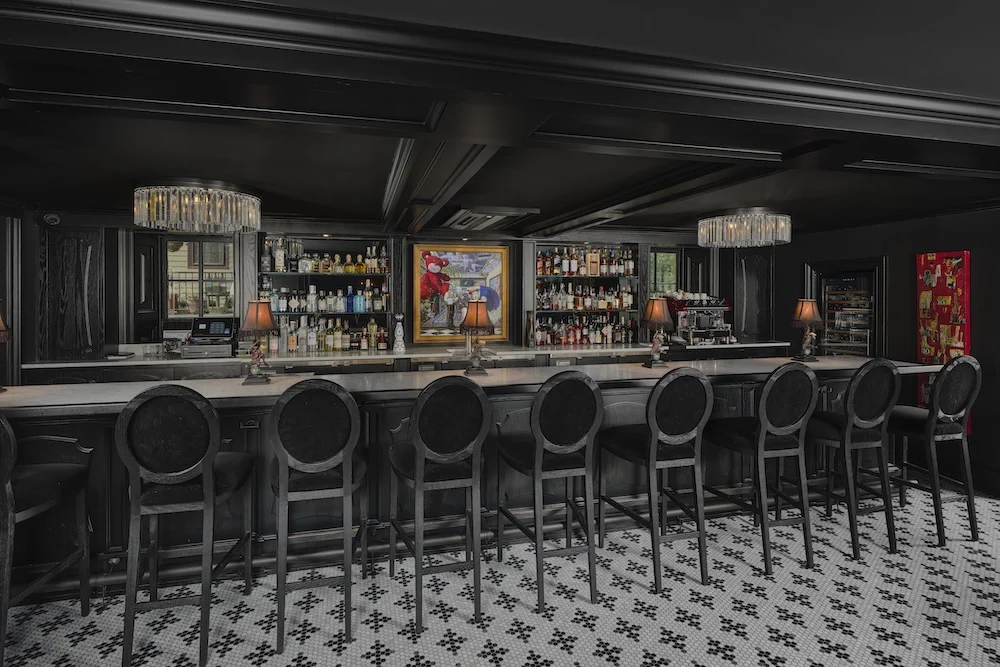
The venerable Carversville Inn, a landmark in the historic village of Carversville, Pennsylvania, has officially reopened its doors, marking a significant revitalization of a property with deep roots stretching back to 1813. This extensive restoration project, spearheaded by local residents Milan Lint and Mitch Berlin, transforms the 200-year-old building into a multifaceted destination, aiming to serve as both an intimate retreat for travelers and a vibrant hub for the local community. The project underscores a growing trend of investing in and preserving historic architecture for contemporary use, particularly within the charming and historically rich landscape of Bucks County.
A Vision Rooted in History and Hospitality
The journey to revive the Carversville Inn began with Lint and Berlin’s shared ambition of fulfilling a lifelong dream of innkeeping. Their deep appreciation for the property’s historical significance and architectural character propelled them to undertake a comprehensive renovation. Recognizing the need for specialized expertise, they partnered with local firms Wolstenholme Associates, known for their architectural design acumen, and JR Maxwell Builders, respected for their craftsmanship in historical restorations. This collaborative effort aimed to honor the inn’s past while infusing it with modern comfort and sophisticated design, creating an experience that resonates with both historical authenticity and contemporary elegance.
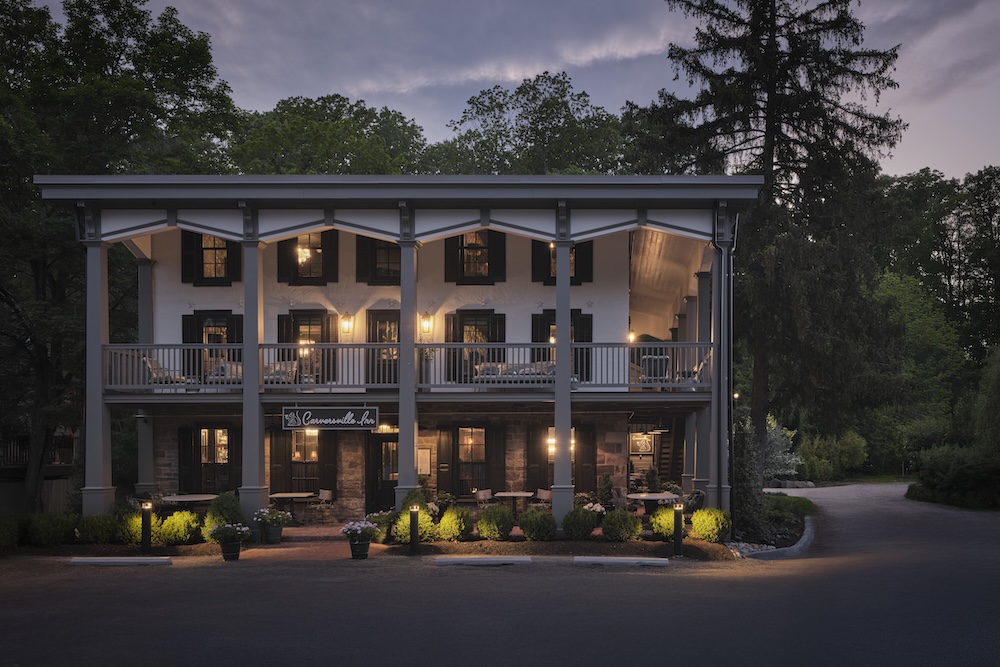
The exterior of the Carversville Inn remains a testament to its 19th-century origins, thoughtfully preserved with its original stucco, stone, and wood cladding. This commitment to historical accuracy immediately immerses visitors in the building’s rich narrative even before they cross the threshold. Upon entering, guests are guided through a series of thoughtfully designed, interconnected spaces that unfold with a deliberate, layered approach. This design philosophy intentionally evokes the welcoming and intimate atmosphere of a private residence, fostering a sense of comfort and exclusivity.
An Interior Narrative of Refined Ambiance
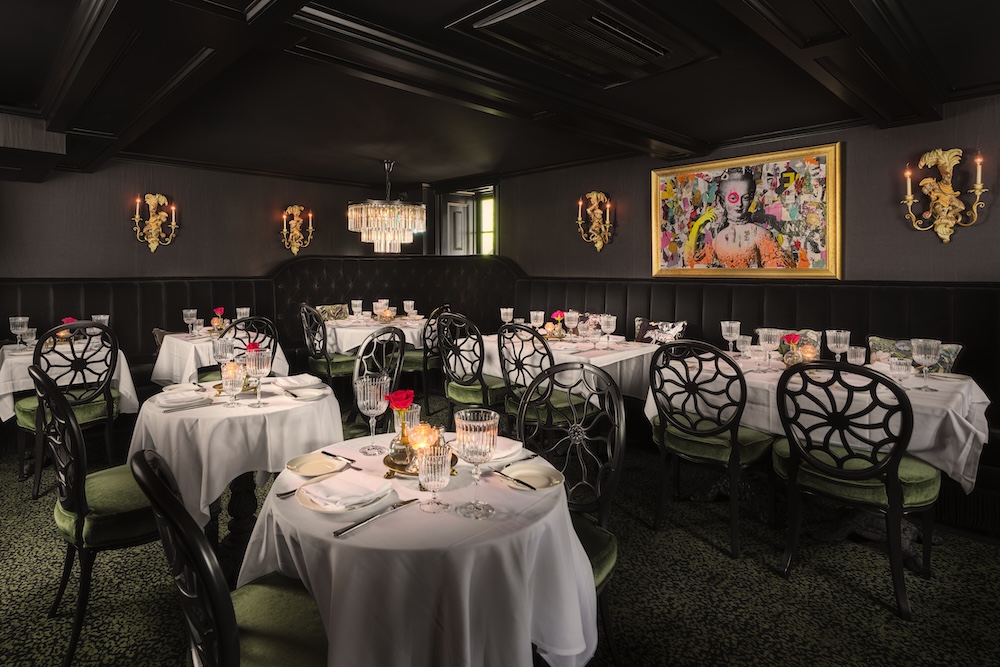
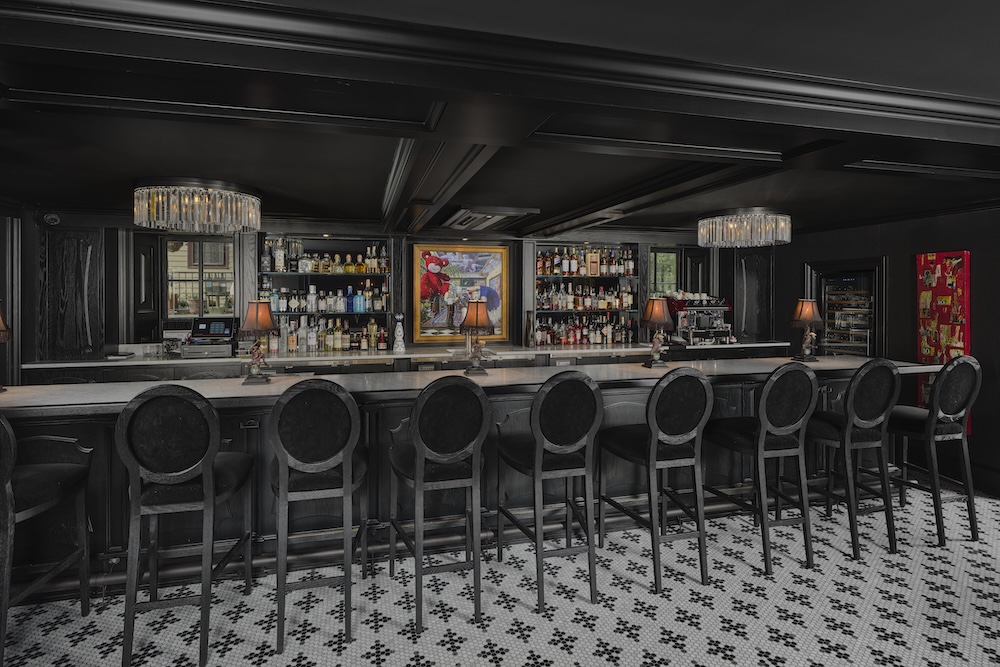
The heart of the inn’s initial welcoming experience is its bar area. This space is characterized by a moody, jewel-toned palette, creating an inviting and sophisticated ambiance. The comfort of guests is prioritized with plush mohair stools, while the soft, ambient glow of crystal lighting fixtures adds a touch of understated luxury. From this central point, visitors are seamlessly transitioned into interconnected dining rooms. Here, the design masterfully blends historical cues with contemporary touches. Walls are adorned with patterned wallpaper that complements the sleek, custom-built mohair banquettes, offering a luxurious seating experience. Throughout these spaces, heirloom wood elements are integrated, serving as a subtle yet poignant reminder of the building’s extensive history and enduring legacy.
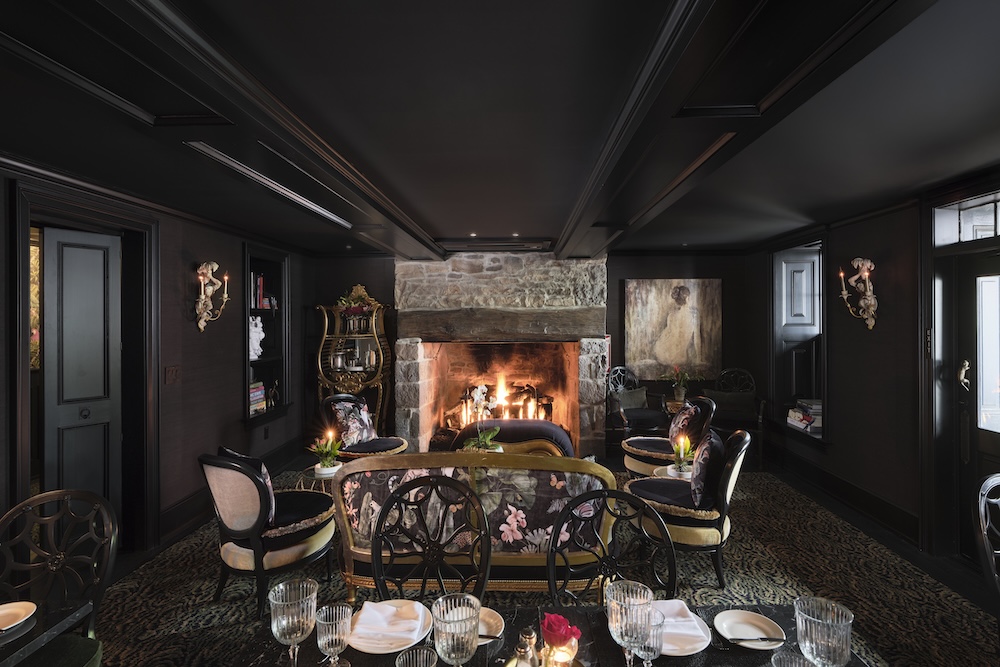
Further within the inn, the atmosphere gradually becomes more tranquil and intimate, culminating in the aptly named "Back Room." This versatile space functions as a sophisticated lounge, a refined dining area, and a venue for private events. The Back Room is distinguished by a curated collection of vintage paintings that lend an air of timeless elegance, and it proudly features the inn’s original, meticulously restored fireplace, which serves as a captivating focal point and a warm hearth for gatherings.
This quiet, romantic aesthetic extends to the inn’s six guest suites. Each suite is designed as a sanctuary of tranquility and refined comfort. Striking black walls provide a dramatic backdrop, complemented by moody, atmospheric wallpaper and punctuated by striking glass chandeliers that cast an elegant light. These suites are crafted to offer a luxurious and peaceful escape for overnight guests, ensuring a memorable and restorative stay.
Culinary Excellence and Local Sourcing
Complementing the boutique lodging experience is a distinguished 65-seat restaurant and bar, under the expert culinary direction of Chef Dara Tesser. Chef Tesser’s approach focuses on delivering an elevated yet comforting dining experience, with a menu deeply rooted in the philosophy of using locally and regionally sourced ingredients. This commitment to farm-to-table practices not only ensures the freshest and highest quality dishes but also actively supports the agricultural community and regional producers of Bucks County. The restaurant aims to be a destination for discerning diners, offering a menu that celebrates the bounty of the surrounding landscape.
A Curated Collection of Global Treasures
The interior design of the Carversville Inn is a deeply personal reflection of the owners’ global travels and discerning taste. The furnishings are predominantly vintage pieces, meticulously sourced from a variety of esteemed locations, including bustling Parisian markets, charming local antique shops, and curated retailers in New York City. This eclectic approach to décor imbues the inn with a unique character and a sense of discovered treasures.
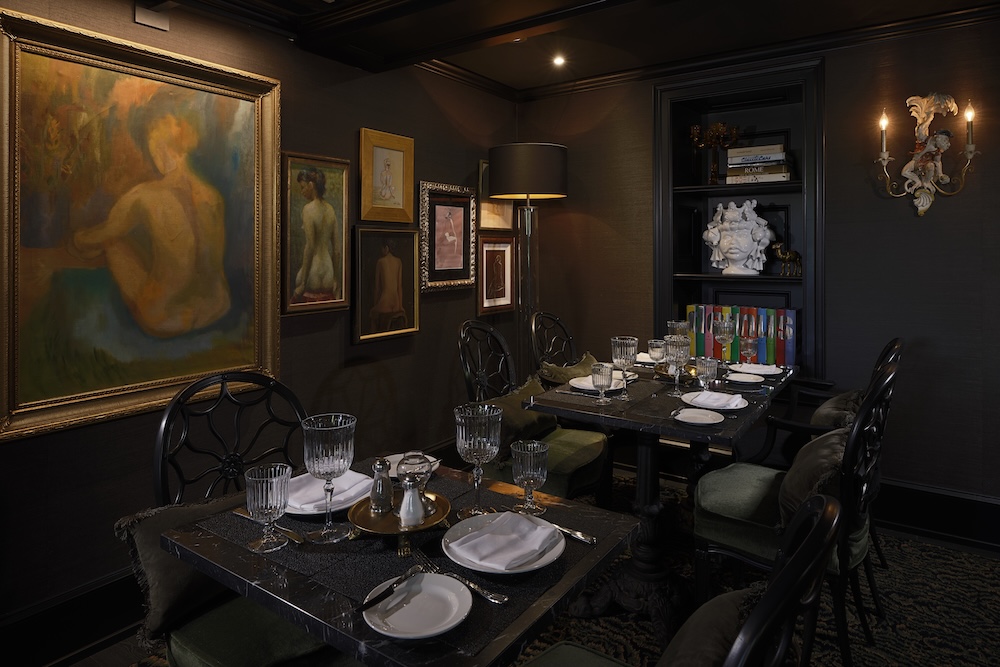
Dining areas are artfully accented with distinctive pieces, such as 1960s French Chiavari chairs, which add a touch of classic European flair. The tables themselves are a sophisticated blend of form and function, featuring cast iron bases paired with custom-made marble tops, creating a timeless aesthetic.
Lighting design plays an instrumental role in shaping the inn’s pervasive atmospheric ambiance. The selection of fixtures is both eclectic and impactful, highlighted by whimsical vintage Italian monkey lamps and a variety of sconces gathered from diverse international sources. These lighting elements not only provide illumination but also serve as sculptural art pieces, contributing significantly to the inn’s distinctive visual language.
The visual narrative of the Carversville Inn is further enriched by an impressive collection of artwork. This collection draws from the owners’ personal acquisitions, augmented by carefully selected pieces from galleries in Philadelphia and Miami. Additionally, exquisite porcelain pieces, directly sourced from Sicily, add a touch of Mediterranean artistry and craftsmanship, further enhancing the inn’s global appeal and curated elegance.
Historical Context and Preservation Efforts in Bucks County
The Carversville Inn’s revival comes at a time when historic preservation and adaptive reuse projects are gaining momentum across the United States, particularly in regions with a rich historical tapestry like Bucks County. This area, known for its colonial-era architecture, picturesque landscapes, and vibrant arts scene, has seen a growing appreciation for preserving its heritage. Projects like the Carversville Inn’s restoration contribute to the economic vitality of smaller towns and villages by attracting tourism and creating local employment opportunities.
The original establishment of the Carversville Inn in 1813 places it within a period of significant development in Pennsylvania. Inns of this era served as vital social and economic hubs, offering lodging, sustenance, and a place for travelers and locals to connect. The inn’s survival and subsequent restoration represent a successful effort to bridge the gap between historical significance and modern-day relevance, ensuring that this piece of local history continues to serve a purpose for future generations.
Broader Implications and Community Impact
The reopening of the Carversville Inn is more than just the launch of a new hospitality venue; it signifies a renewed commitment to the cultural and economic fabric of Carversville and the wider Bucks County region. By transforming a historic property into a multifaceted destination, Lint and Berlin are not only realizing a personal dream but also contributing to the revitalization of a village that values its heritage.
The inn’s dual role as a retreat and a community gathering place is particularly significant. In an era where community connection is increasingly sought after, spaces that can host local events, provide a welcoming atmosphere for residents, and offer exceptional dining experiences are invaluable. The focus on locally sourced ingredients further strengthens the inn’s ties to the regional economy, creating a symbiotic relationship between the hospitality sector and local agriculture.
The success of such projects often has a ripple effect, potentially inspiring further investment in historic properties throughout the county. As more communities recognize the economic and cultural benefits of preserving their architectural heritage, the Carversville Inn stands as a model for how thoughtful restoration and contemporary programming can breathe new life into long-standing institutions. The careful integration of vintage elements with modern design principles, as evidenced by the inn’s interiors, also sets a high standard for future hospitality ventures seeking to balance historical authenticity with guest comfort and aesthetic appeal.
The restoration of the Carversville Inn is a testament to the enduring appeal of history, the power of dedicated vision, and the significant contributions that thoughtful adaptive reuse can make to both local economies and the preservation of cultural heritage. Its reopening marks a new chapter for a historic landmark, promising to enrich the Carversville community and offer a unique destination for visitors for years to come.



 Anjar Salim
 Chandra Hamzah
 Tatiana Tantri Indah Sari
 Budi Mulyono
 Lukman Taruna Persada Ramadan
