
 Anjar Salim
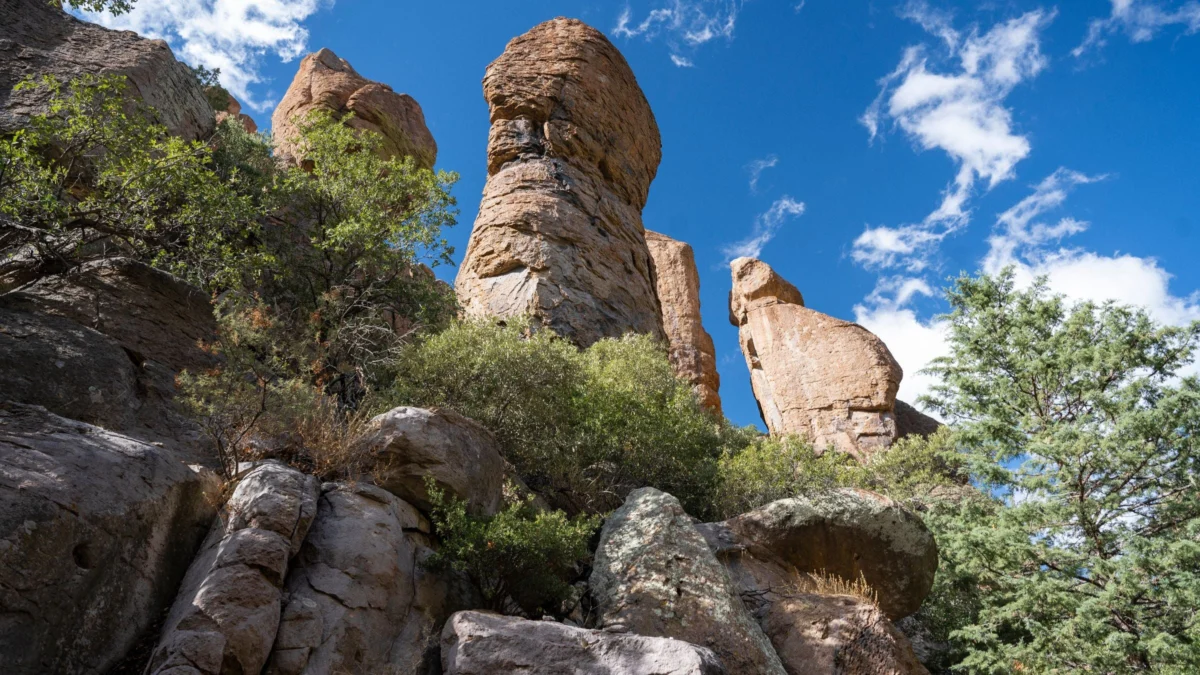
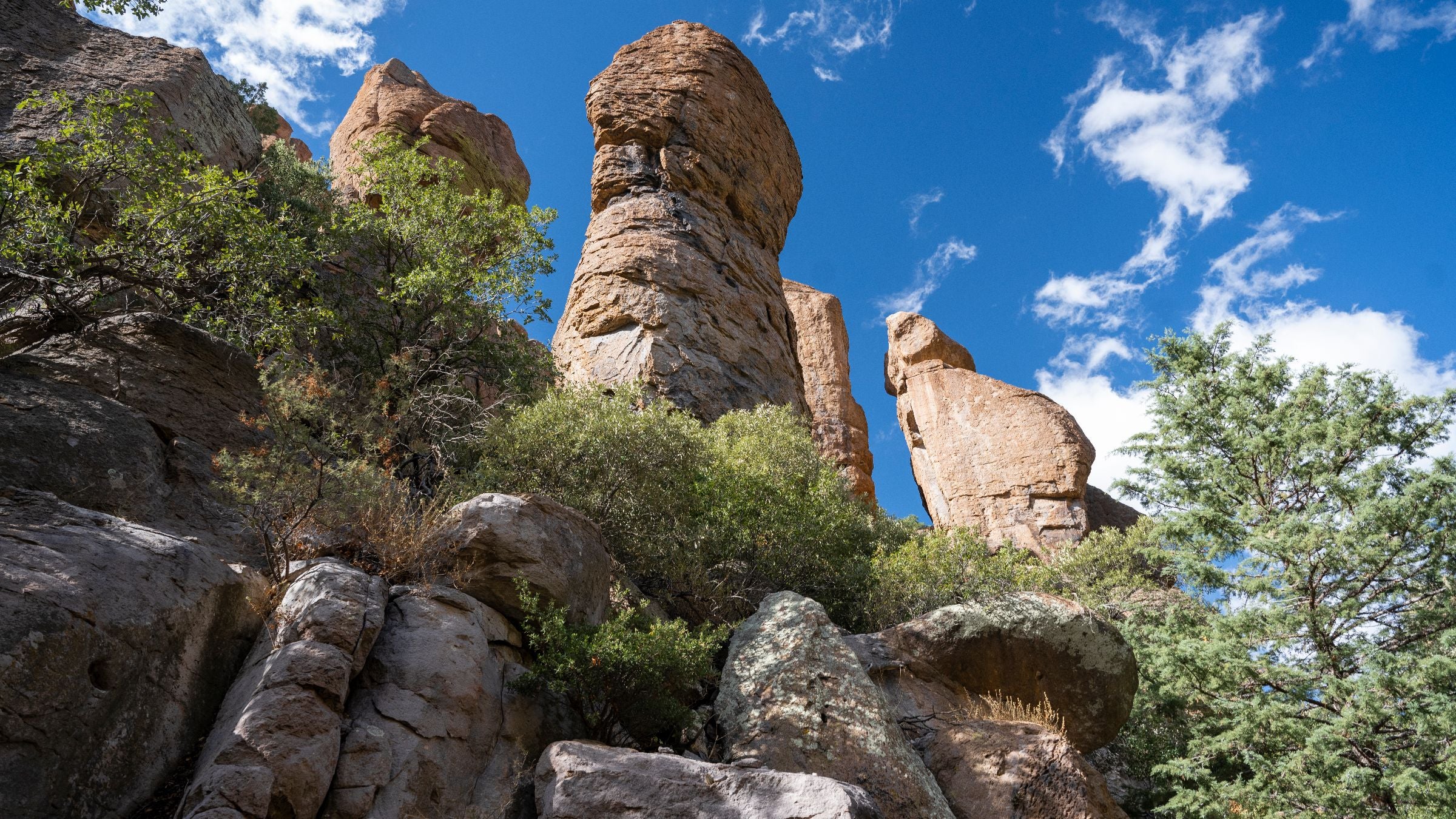
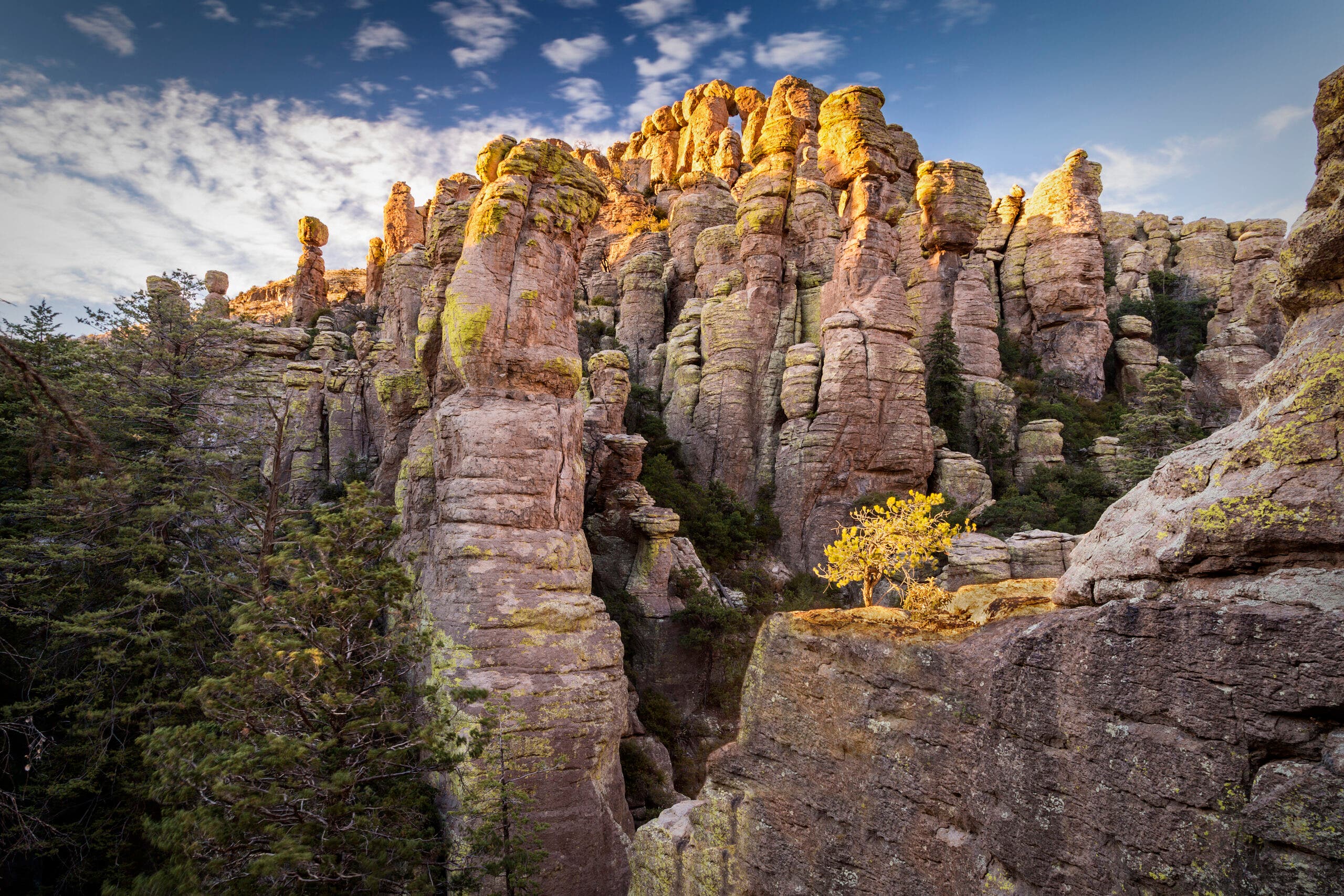
The designation of Chiricahua National Park in southeast Arizona by presidential administration action has once again brought to the forefront a deeply polarizing national dialogue concerning the management, expansion, and philosophical definition of America’s protected public lands. Renowned for its dramatic vertical rock spires, volcanic hoodoos, and rich ecological history, the newly elevated landscape has reignited a complex debate. While conservation advocates and local tourism boards celebrate the enhanced visibility and permanent protections associated with the nation’s premier conservation tier, critics and budgetary analysts question the wisdom of expanding top-tier park designations amid systemic federal funding challenges and a growing debate over landscape standards.
This controversy is not isolated. Over the past decade, the United States has steadily added to its roster of full-fledged national parks by elevating existing public lands—such as national monuments, lakeshores, and memorials—rather than acquiring entirely new acreage. This trend has forced policymakers, environmental groups, and local communities to re-examine the core purpose of the National Park System. The central tension lies in balancing the economic and protective benefits of the "national park" brand against the realities of a multi-billion-dollar deferred maintenance backlog, shifting political protections for national monuments, and the subjective criteria that separates awe-inspiring natural wonders from historically significant localized treasures.
Historical Foundations and the Evolution of the National Park System
To understand the current debate over modern park designations, it is necessary to examine the foundational architecture of the federal land management system. The United States established the world’s first national park, Yellowstone, in 1872, decades before the creation of a centralized agency to oversee such properties. It was not until the passage of the Organic Act of 1916, signed by President Woodrow Wilson, that the National Park Service (NPS) was officially established to manage these disparate landscapes.
The Organic Act defined the dual, and occasionally competing, mandate of the agency: to conserve park scenery, natural and historic objects, and wildlife, while simultaneously providing for public enjoyment in a manner that leaves them unimpaired for future generations. Over more than a century, the system has expanded dramatically. Today, the National Park System encompasses 433 distinct units, which span a wide array of designations including national monuments, national historic sites, national preserves, and recreation areas.
However, within this vast collection of protected areas, only 64 hold the designation of a full-fledged national park. Achieving this top-tier status is intentionally arduous. Unlike national monuments, which can be established or modified by the executive branch via the Antiquities Act of 1906, a full national park designation requires an act of Congress. This process necessitates passing enabling legislation through both the House of Representatives and the Senate, followed by a presidential signature. The rigorous legislative hurdle is designed to ensure deliberation and consensus, preventing the casual distribution of a title that carries profound national and international prestige.
Recent Designations and the Shift Toward Upgrading Existing Units
In recent years, the pathway to expanding the national park roster has relied heavily on the promotion of pre-existing federal lands rather than the acquisition of virgin wilderness. Within the last decade, five distinct areas have been elevated to full national park status: Gateway Arch in Missouri, Indiana Dunes in Indiana, White Sands in New Mexico, New River Gorge in West Virginia, and now Chiricahua in Arizona.
Each of these locations underwent a formal re-designation process:
- Gateway Arch National Park: Formerly designated as the Jefferson National Expansion Memorial, this 192-acre site in St. Louis was reclassified as a national park in 2018, making it the smallest unit with that title in the country.
- Indiana Dunes National Park: Previously managed as the Indiana Dunes National Lakeshore, this 15,000-acre protected area along Lake Michigan gained full national park status in 2019.
- White Sands National Park: Originally established as a national monument in 1933 under the Antiquities Act, this vast gypsum dunefield in New Mexico spanning more than 145,000 acres was officially elevated to a national park in 2019.
- New River Gorge National Park and Preserve: Transitioned from a national river designation in 2020, this 72,000-acre expanse in West Virginia protects a rugged, whitewater river canyon flanked by forested mountains.
- Chiricahua National Park: The most recent addition, this southeast Arizona landscape of striking geological formations transitions from a long-standing national monument to the country’s newest national park.
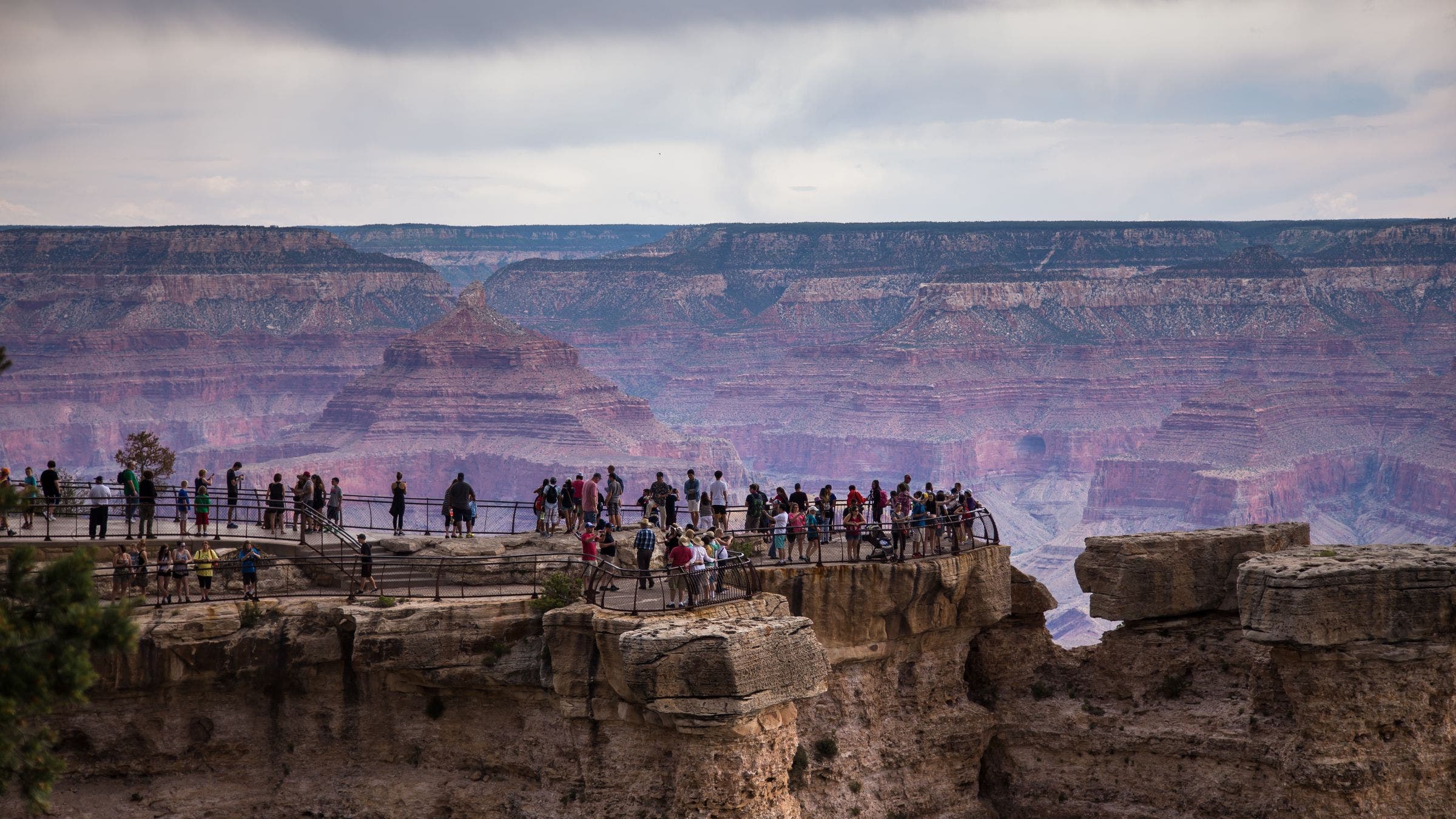
This pattern of elevation has altered the traditional perception of what constitutes a national park. Historically, full park status was largely reserved for expansive, multi-ecosystem wilderness areas possessing extraordinary natural phenomena, such as Yosemite, Yellowstone, or the Grand Canyon. The inclusion of smaller, culturally focused, or historically specific sites has sparked intense debate among conservationists, lawmakers, and outdoor recreationists.
Economic Impacts and Local Community Responses
One of the primary arguments in favor of elevating a public land unit to a national park is the measurable economic stimulus it provides to surrounding rural and regional economies. National park status carries a distinct marketing cachet that invariably drives a surge in tourism, hospitality spending, and small business growth.
Data from recent re-designations illustrates this phenomenon. Following its designation as a national park and preserve in late 2020, New River Gorge experienced a dramatic increase in public visitation. By 2025, annual visits to the West Virginia park exceeded 2 million—representing a more than 64 percent increase compared to pre-designation visitation numbers recorded in 2019. Local outfitters, lodging providers, and restaurants experienced sustained economic growth as a result of the heightened national and international exposure.
However, the economic windfall of increased tourism is not universally welcomed. Some local municipalities and regional populations actively resist federal park proposals due to concerns over land-use restrictions, strains on local infrastructure, traffic congestion, and a perceived loss of local control. A prominent example is the ongoing resistance surrounding proposals to convert portions of New York’s Adirondack Park into a federal national park. Communities within the region have repeatedly pushed back against federalization, preferring state-level management frameworks that they believe better accommodate local economic activities, private property rights, and traditional regional autonomy.
The National Park Service Budget Crisis and Infrastructure Pressures
A central point of contention among critics of national park expansion is the severe financial strain currently facing the National Park Service. The agency is burdened by a deferred maintenance backlog that exceeds $22 billion, encompassing crumbling roads, outdated visitor centers, degraded trail systems, and deferred utility updates across its hundreds of units.
Skeptics argue that expanding the agency’s operational portfolio or elevating sites to designations that typically encourage higher visitation is fiscally irresponsible while existing infrastructure suffers from underfunding.
Conversely, advocates and park administrators point out that administrative re-designations do not inherently create new financial burdens. Because sites like Chiricahua or New River Gorge were already federally managed units within the National Park System prior to their promotion, their baseline management costs were already factored into federal operational budgets. Ed Stierli, government affairs lead for the National Parks Conservation Association (NPCA), emphasizes that the operational structure remains largely unchanged by a name change.
"There is zero difference in how a monument and a park are managed," Stierli notes. "The budget is the same regardless of the name."
For instance, proponents note that New River Gorge received no substantial federal budget increase following its 2020 re-designation, operating instead within its existing budgetary framework, even as staffing levels faced subsequent fluctuations.
Legal Permanence: National Parks Versus National Monuments
The debate over designations also highlights a fundamental disagreement regarding the legal permanence and vulnerability of federal land protections. National parks, established strictly by acts of Congress, offer a high degree of statutory permanence. Modifying, reducing, or dissolving a national park requires an equally rigorous legislative act by lawmakers.
In contrast, national monuments can be established by executive action under the Antiquities Act, a mechanism that has also exposed them to executive revisions by successive presidential administrations. A notable example is the ongoing legal and political battle over Bears Ears National Monument in Utah, which was originally established by President Barack Obama, downsized significantly by President Donald Trump, restored by President Joe Biden, and subsequently subjected to further administrative review and adjustments.
Conservation advocates argue that national monuments deserve the same permanent, unassailable protections afforded to national parks. The Trump administration and allied policymakers, however, maintain that executive authority under the Antiquities Act allows for adaptive management and size adjustments to better reflect local land-use needs and state interests. This ongoing political friction has reinforced the appeal of pursuing congressional national park legislation, which shields designated boundaries from the shifting priorities of the Oval Office.

The "Brand Dilution" Debate and Future Designations
Perhaps the most philosophically divisive aspect of the modern park expansion trend centers on the concept of brand dilution. Critics contend that applying the "national park" moniker to smaller or less ecologically diverse landscapes risks diminishing the unique prestige traditionally associated with the title.
Under strict definitions, national monuments are generally intended to preserve at least one nationally significant resource, whereas national parks are designed to encompass a broad variety of nationally significant natural, cultural, and ecological resources across a large-scale landscape. Recent additions challenge these traditional parameters. For example, Gateway Arch encompasses under 200 acres and focuses primarily on a single architectural monument. Similarly, Chiricahua spans roughly 12,000 acres, and Indiana Dunes covers approximately 15,000 acres—standing in stark contrast to vast western parks like Yellowstone or Wrangell-St. Elias, which span millions of acres.
This tension is visible in current legislative proposals. Lawmakers are actively weighing bills to elevate other existing units, such as the Ocmulgee Mounds National Historical Park in Georgia, to full national park status. While Ocmulgee holds immense cultural and historical significance regarding Indigenous heritage, the site covers fewer than 2,000 acres and lacks the expansive backcountry recreation elements traditionally associated with major national parks. Opponents argue that maintaining distinct administrative categories—such as national historic parks, national monuments, and national preserves—is vital for accurately communicating the specific nature of a protected resource without overloading the premier national park classification.
Proponents of re-designation firmly reject the notion of brand dilution. Advocates argue that every unit within the National Park System, regardless of its specific title, holds equal ecological, historical, and cultural importance. From this perspective, elevating a site to a national park serves as a powerful public education tool, drawing vital attention to regional histories, native ecosystems, and the broader mission of federal land conservation.
As the debate continues in Washington and across local communities, the future of America’s public lands will likely hinge on finding a sustainable equilibrium between expanding public access, honoring diverse historical and natural resources, and securing the long-term financial investments required to properly steward the nation’s treasured landscapes for generations to come.




 Gabriela Annisa

 Lukman Taruna Persada Ramadan

 Tatiana Tantri Indah Sari


 Dwi Wanna
