
 Anjar Salim

The outdoor apparel industry has long struggled to balance rugged durability with sensory comfort and functional utility, particularly in women’s technical wear. For decades, hikers, climbers, and backcountry enthusiasts have compromised on garments that either lack weather resistance, feature harsh hardware causing sensory irritation, or fail to provide basic field practicality—such as efficient restroom access during extended excursions. Enter Allover Apparel, a brand that has rapidly gained traction in the Pacific Northwest and beyond for engineering technical overalls and trousers that solve these persistent design challenges. Combining sustainable textile manufacturing with user-centric ergonomic adjustments, the brand’s flagship products—the Lookout Overalls 2.0 and the Fooses Winter Overalls—represent a significant shift in how functional outdoor gear is conceptualized and executed.
Evolution of Technical Overalls in the Outdoor Sector
Historically, utility wear and overalls were designed primarily for industrial labor, later being adapted for casual outdoor recreation with minimal modification to sizing, hardware, or fabric composition. Traditional designs frequently incorporated heavy metal buckles, stiff canvas materials, and exposed metal zippers that exacerbated tactile sensitivities for neurodivergent consumers or those prone to skin chafing during high-endurance activities. Furthermore, standard overall configurations presented a well-documented logistical barrier for women navigating backcountry environments, often requiring the complete removal of outer layers and backpacks to address basic biological needs.
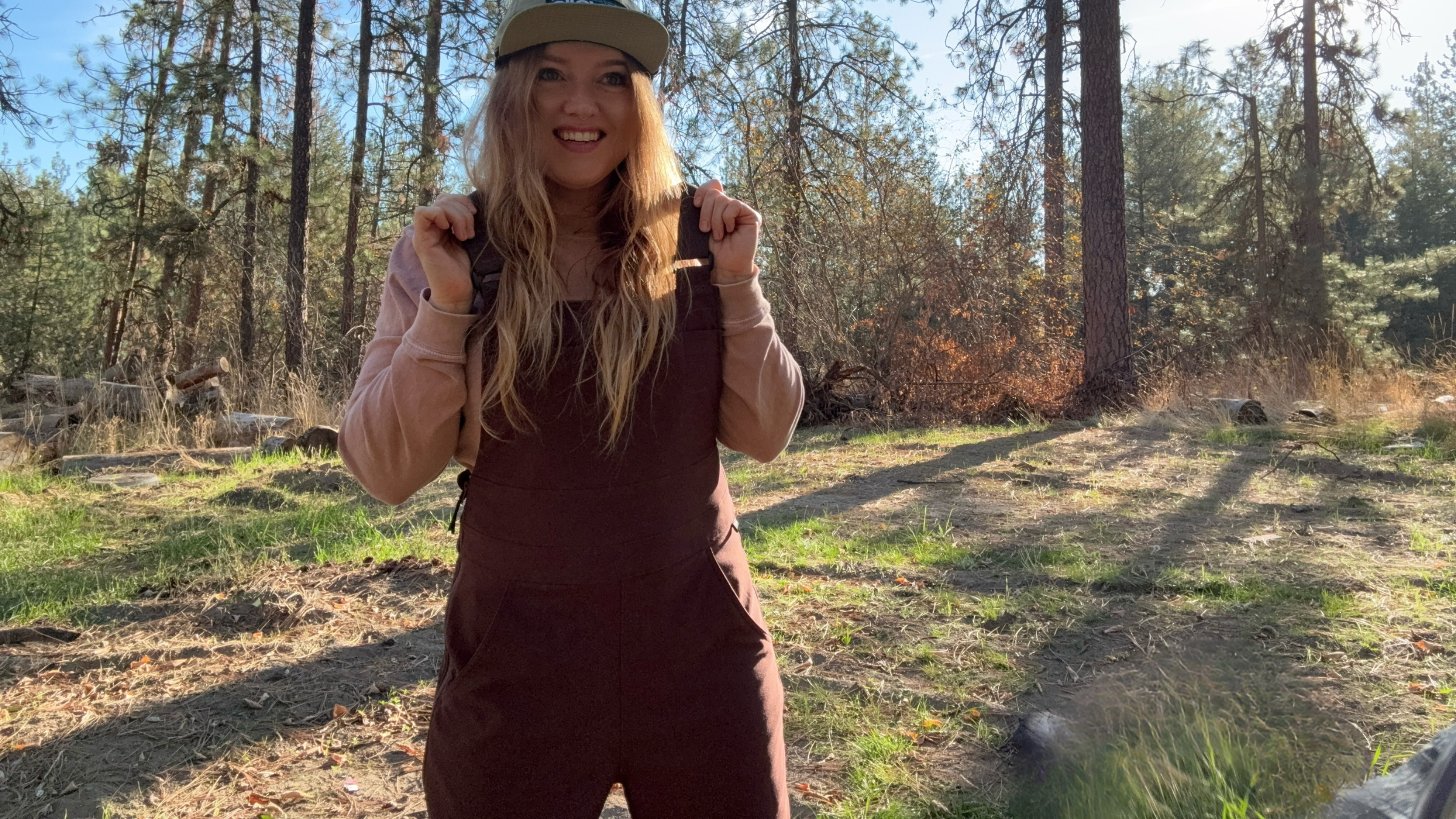
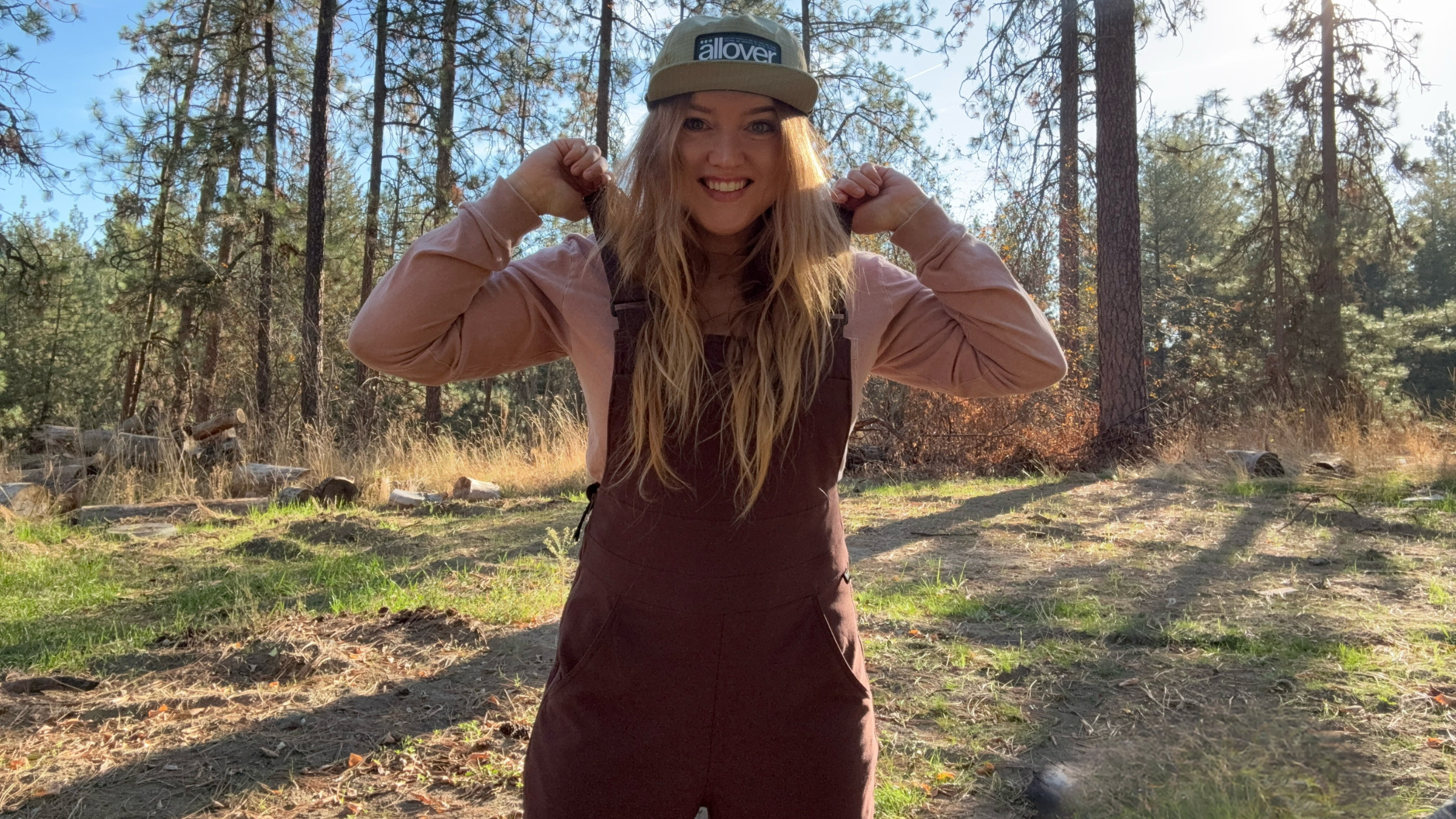
The emergence of Allover Apparel over the past two years marks a concerted industry effort to address these legacy design flaws. By prioritizing user feedback from hikers, cyclists, and winter campers, the brand developed performance wear specifically tailored to mitigate physical discomfort without sacrificing protection against extreme environmental elements. The resulting product line bridges the gap between casual cabin-core aesthetics and high-performance backcountry functionality, gaining critical acclaim among outdoor gear analysts and consumer advocacy groups focused on inclusive apparel design.
Material Science and Sustainability Standards
At the core of Allover Apparel’s product architecture is a rigorous commitment to advanced material science and environmental compliance. The Women’s Lookout Overalls 2.0 are constructed from a blend of 94 percent recycled polyester and 6 percent spandex, engineered to deliver a smooth, flexible texture with high moisture resistance. Crucially, the textiles utilized in production have earned Bluesign system approval. This certification verifies that the supply chain adheres to strict environmental criteria, eliminating harmful substances at the input stream and ensuring resource-conserving, low-impact manufacturing processes.
In winter-specific applications, such as the Fooses Winter Overalls introduced to the market in early 2026, the material profile is upgraded to provide windproof and waterproof barriers without introducing excessive bulk. Traditional winter gear often relies on thick, rigid insulation that restricts mobility during dynamic activities like Nordic skiing, snowshoeing, or mountaineering. Allover’s winter iteration maintains a high stretch-to-weight ratio, utilizing a soft interior lining that mimics thermal insulation while preserving anatomical range of motion. Industry analysts note that this approach reflects a broader consumer demand for lightweight thermal efficiency, moving away from cumbersome multi-layer systems toward streamlined, weather-adaptive garments.
Ergonomic Innovation and Sensory Accommodation
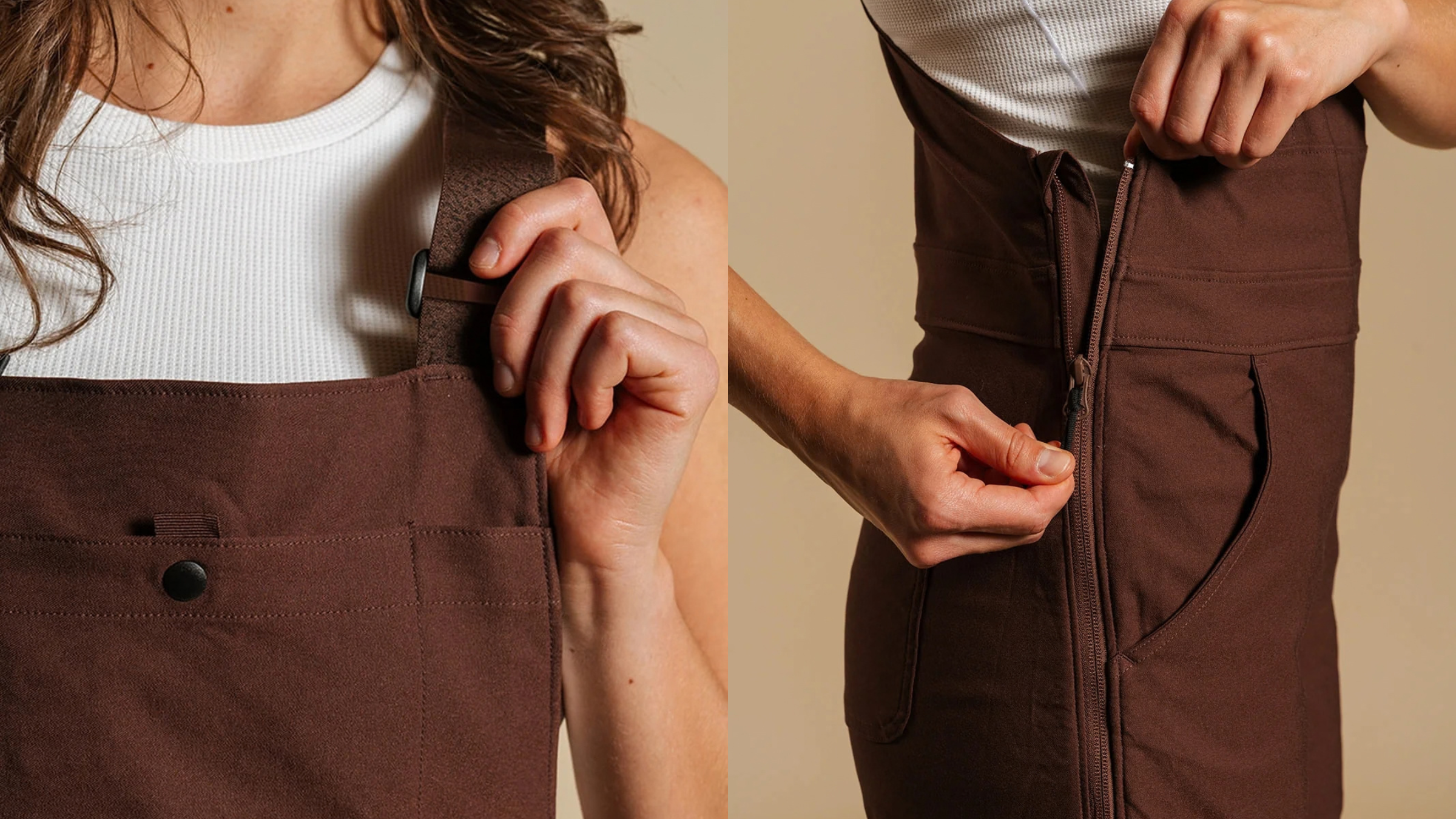
A defining characteristic of Allover’s product lineup is the meticulous attention paid to hardware and tactile interfaces. Traditional metallic clasps and adjustment sliders frequently generate cold points against the skin or slip under tension. Allover replaced these with nonrelease, thick-strapped tension adjusters that distribute weight evenly across the shoulders while eliminating accidental detachment.
Additionally, hardware integration has been re-engineered to accommodate sensory sensitivities. Zippers and pocket enclosures are embedded within soft-touch fabric channels, effectively neutralizing the stiffness and tactile feedback commonly associated with technical outerwear. This design consideration has drawn praise from ergonomic specialists who study the impact of clothing construction on sensory processing and physical fatigue during long-duration endurance events.
Practical Utility in Backcountry Environments
The most significant functional advancement introduced by Allover Apparel is the integration of side-zipper systems designed to facilitate outdoor restroom use without the complete disassembly of technical layers or the removal of weighted backpacks. Situated strategically at the mid-thigh level, the zipper placement utilizes the high elasticity of the surrounding recycled polyester-spandex fabric to provide sufficient clearance and tension release.
While competing outdoor brands have previously attempted drop-seat or side-zip configurations in women’s overalls, field testers have frequently reported inadequate stretch, leading to operational failures in cold or wet conditions. Allover’s implementation pairs the structural placement of the zipper with a relaxed, flexible chassis, allowing users to maintain pack security and thermal retention during field operations. This feature has broadened the appeal of the garments from casual day-hiking to multi-day alpine expeditions and winter hut trips across regions like Washington’s North Cascades.
Product Ecosystem and Sizing Dynamics
Beyond the flagship overalls, Allover Apparel has expanded its catalog to include complementary technical garments such as the Daily Driver Pants and the Rope Brim Camp Hat. The Daily Driver Pants utilize a high-rise, wide-leg architecture with customizable snap cuffs and moisture-resistant stretch fabrics, catering to consumers seeking versatile mountain-to-town transition wear. Meanwhile, the Rope Brim Camp Hat incorporates lightweight ripstop nylon and flexible brims to address common complaints regarding rigid, flat-billed headwear.
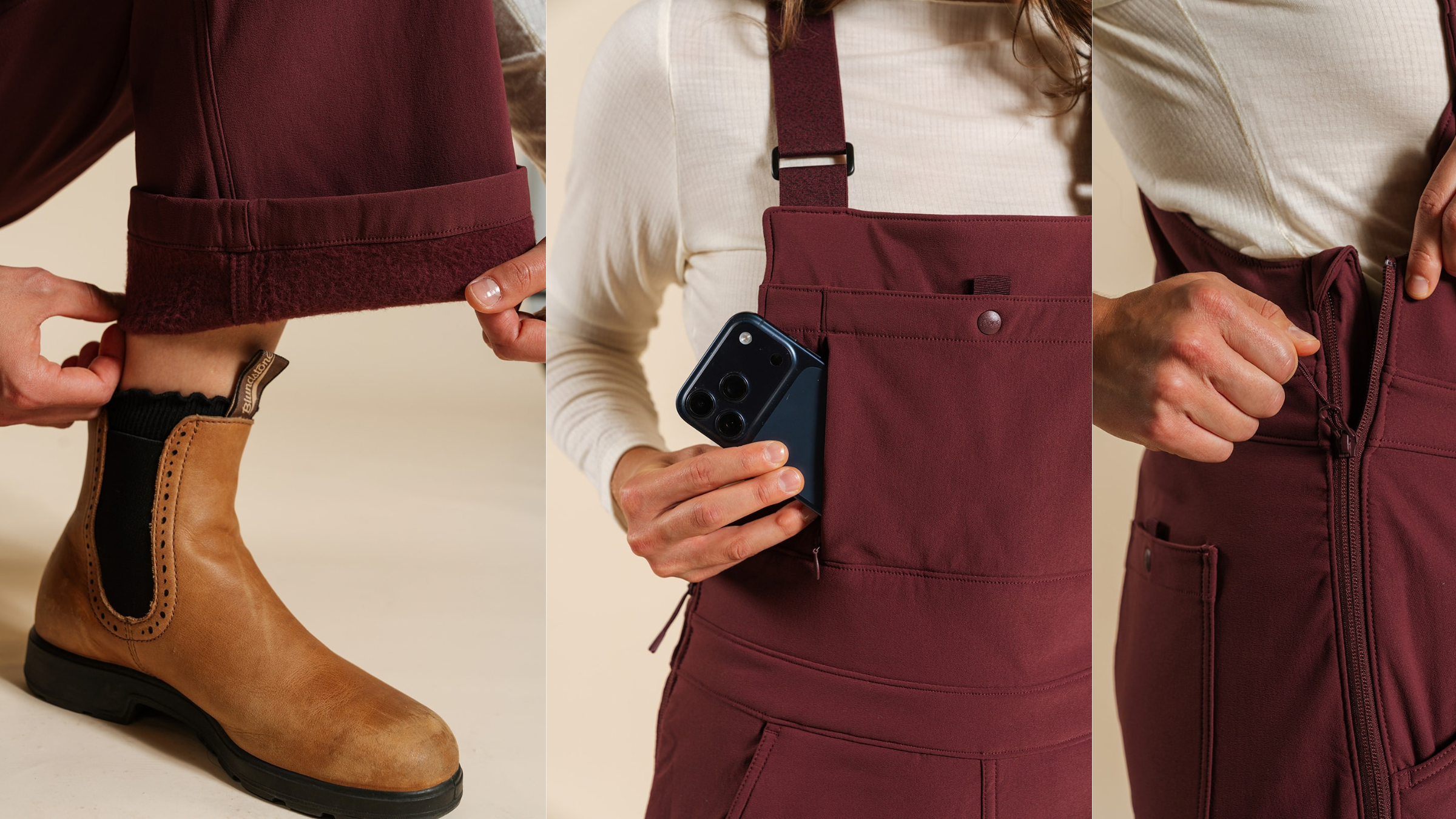
Market observers have noted distinct sizing considerations across the brand’s portfolio. Because the garments are intentionally cut with a relaxed, loose-fit architecture to accommodate base layers and dynamic movement, items such as the Fooses Winter Overalls and Daily Driver Pants typically run larger than standard commercial sizing charts indicate. Retail specialists advise consumers purchasing technical gear for casual, non-layered wear to adjust sizing accordingly, whereas backcountry users frequently opt for standard or slightly larger sizes to facilitate optimal layering during sub-freezing excursions.
Broader Economic and Market Implications
The commercial success of Allover Apparel highlights a structural shift in the outdoor retail market toward inclusive, multi-season technical wear. As participation in outdoor recreation diversifies, consumer expectations have evolved past traditional binary categorizations of gear, demanding products that merge high-level technical performance with everyday aesthetic versatility and neurological comfort.
Priced in the mid-to-upper tier of the technical apparel market—with winter overalls retailing around $219—the brand occupies a space previously dominated by legacy workwear and specialized mountaineering labels. However, industry analysts suggest that the longevity, multi-sport adaptability, and sustainable production credentials of these garments offer strong long-term value propositions for consumers investing in sustainable wardrobe curation. As climate conditions fluctuate and the demand for reliable, four-season gear intensifies, design paradigms pioneered by brands like Allover Apparel are expected to influence future product pipelines across the broader outdoor manufacturing sector.


 Tatiana Tantri Indah Sari

 Dwi Wanna

 Lukman Taruna Persada Ramadan


 Budi Mulyono
