
 Susilo Edi Turonggo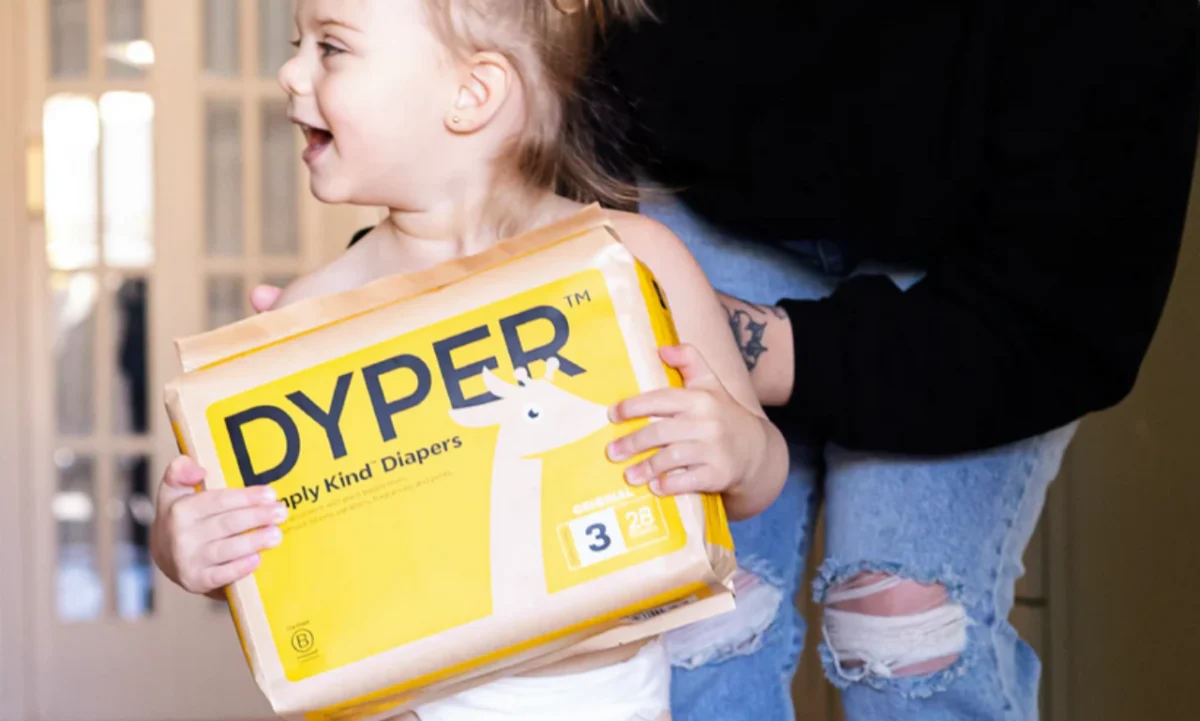
There is no easy way to state a confronting truth: the journey of parenthood, while profoundly rewarding, is also undeniably prolific in its generation of waste. Babies produce a significant volume of refuse, a reality that places a considerable burden on both household management and, more critically, the global environment. This challenge is epitomized by the sheer number of diapers a single child will utilize—an estimated 6,000 in their first two years of life alone. While reusable cloth diapers have long been presented as an eco-conscious alternative, their practical application often proves untenable for the demands of modern, busy parents, leaving many to rely on the convenience of single-use disposables. However, this convenience comes at a steep price, revealing a complex web of environmental degradation and potential health risks.
Traditional single-use disposable diapers are not merely a waste management issue; they represent a significant public health concern. Every component, from the plastic-derived materials forming the outer shell and absorbent core to the various chemicals employed for absorbency, scent, and aesthetic appeal, has come under scrutiny. The very notion of fragranced diapers raises questions about necessity versus potential harm, particularly when these components are linked to serious health implications. Scientific studies have identified connections between diaper chemicals and endocrine and reproductive disorders, acute skin rashes, and even, in later life, an increased risk of testicular cancer. The lack of stringent regulatory oversight exacerbates these concerns; the Consumer Product Safety Commission (CPSC) mandates testing only for lead in baby diapers, leaving a vast array of other potentially harmful chemicals, including carcinogens and endocrine-disrupting substances, largely unregulated and untested.
These conventional diapers, once soiled, are typically collected with municipal trash, contributing massively to landfills. The overflowing bins observed weekly by REDYPER™ founder Tony Patron and his business partner served as a visceral catalyst for change. As new fathers themselves, the sheer volume of plastic diapers accumulating in their household waste streams became an undeniable call to action. This pivotal moment marked the inception of what would eventually become Dyper, a pioneering company dedicated to developing safe, high-performance, and non-toxic diapers designed to mitigate both household and environmental waste.
The Diaper Dilemma: A Deeper Look into Environmental and Health Impacts
The scale of the disposable diaper problem is staggering. Globally, it is estimated that billions of disposable diapers are used annually, with the vast majority ending up in landfills. In the United States alone, diapers constitute a significant portion of non-biodegradable municipal solid waste. Each conventional diaper, primarily composed of plastics like polypropylene and polyethylene, along with super-absorbent polymers (SAPs) derived from petroleum, can take anywhere from 250 to 500 years to decompose. During this extended period, they release methane and other greenhouse gases as they slowly break down, contributing to climate change. Moreover, the manufacturing process for these traditional diapers is resource-intensive, requiring substantial amounts of crude oil for plastics and wood pulp, often from unsustainably managed forests. The bleaching processes involved in pulp production can also introduce dioxins, further contaminating ecosystems.
Beyond environmental concerns, the chemical cocktail present in many conventional disposable diapers poses direct risks to infants. Phthalates, commonly used to make plastics more flexible, are known endocrine disruptors, interfering with hormonal systems and potentially impacting reproductive development. Parabens, used as preservatives, have also been linked to endocrine disruption. Chlorine, frequently used in bleaching processes for wood pulp, can create dioxins, which are potent carcinogens and environmental pollutants. Fragrances, often a blend of undisclosed chemicals, are a common cause of skin irritation and allergic reactions in infants. Dyes, another common additive, can also trigger sensitivities. The fact that the CPSC’s regulatory framework for diapers is limited to lead testing underscores a critical gap in consumer protection, leaving parents largely uninformed about the myriad other chemicals their babies are exposed to daily through a product that is in constant contact with their most delicate skin.
The Genesis of an Eco-Innovation: Tony Patron’s Vision for Change
Tony Patron, an engineer by profession and a new father, found himself uniquely positioned to address this multifaceted problem. His personal frustration with the overwhelming volume of diaper waste piling up in his family’s bins converged with his technical expertise, igniting a drive to find a sustainable solution. Patron’s initial investigations led him to explore partnerships with existing companies manufacturing compostable diapers. This collaborative spirit eventually culminated in a merger, giving birth to Dyper. The new entity was founded on a clear, ambitious mission: to create a diaper that not only performed at par with conventional options but also championed non-toxicity, biodegradability, and a significant reduction in both household and environmental waste.
Patron recognized that for a sustainable diaper to gain widespread acceptance, it could not compromise on the core functionalities that parents relied upon: superior absorbency, a comfortable fit, and effective rash prevention. His team embarked on an intensive research and development journey, meticulously examining material science and product design. The goal was to engineer a diaper that was gentle on a baby’s skin, kind to the planet, and practical for everyday use, thereby offering a viable alternative to both the environmental burden of traditional disposables and the logistical challenges of cloth diapers.

Dyper’s Solution: A Deep Dive into Product and Process Innovation
Dyper’s commitment to its “plants over plastic” philosophy is evident in every aspect of its product design and material sourcing. The core of their innovation lies in the predominant use of plant-based materials. Their diapers primarily feature US-grown, FSC-certified bamboo and eucalyptus fibers. The Forest Stewardship Council (FSC) certification ensures that the wood pulp used comes from responsibly managed forests, promoting environmental, social, and economic benefits. The viscose bamboo utilized by Dyper is sourced from an Oeko-Tex certified supplier, guaranteeing that the material is free from harmful substances and produced in an environmentally and socially responsible manner. This dual certification provides a robust assurance of sustainability and safety for conscious parents.
Transparency is a cornerstone of Dyper’s brand ethos. To empower parents with complete knowledge, the brand meticulously labels each layer of its diapers with its specific components. This level of detail stands in stark contrast to the often opaque ingredient lists of conventional diapers. Furthermore, Dyper’s products are rigorously tested and certified by independent third-party organizations. Their diapers are Certified USDA BioPreferred 55% Product, indicating that over half of their content is derived from biological materials. Their wipes achieve an even higher standard, being a Certified USDA BioPreferred 95% Product.
In terms of safety and skin compatibility, Dyper’s diaper products meet stringent Oeko-Tex standards, which certify textiles and electronic products for human-ecological safety. The brand recently secured the coveted DermaTest 5-Star Certification, a prestigious endorsement from a leading dermatological research institute. This certification provides an independent guarantee that Dyper diapers will not cause any skin reactions, offering immense peace of mind to parents concerned about sensitive skin, allergies, and diaper rash. This focus on verifiable certifications underscores Dyper’s dedication to both environmental responsibility and baby health, moving beyond mere claims to tangible, third-party validated assurance.
The technical team at Dyper continuously strives for maximum biodegradability across all product components. While acknowledging that some advanced technologies, such as certain types of velcro, are not yet available in a fully biodegradable form, the company remains dedicated to minimizing its ecological footprint. Patron emphasizes that the primary objective is to deliver a diaper that performs on par with, or even surpasses, any other diaper on the market in terms of absorbency, fit, and comfort, all while ensuring zero skin irritation. This commitment to both efficacy and ecological integrity defines Dyper’s approach, proving that parents do not have to choose between a functional diaper and a sustainable one.
Plants Over Plastic: A Holistic Approach to Sustainable Parenting
The mantra "plants over plastic for happy babies" encapsulates Dyper’s holistic mission. By consciously selecting plant-based materials and meticulously avoiding harmful chemical additives, Dyper crafts diapers that are entirely free from phthalates, latex, parabens, chlorine, alcohol, and fragrances – all common irritants found in typical supermarket brands. These natural fibers are inherently gentler on a baby’s delicate skin, reducing the likelihood of rashes and discomfort. Furthermore, the responsible sourcing of these materials ensures that the environmental impact, from cultivation to production, is minimized.
Dyper diapers are designed not only for the baby’s well-being and the planet’s health but also to simplify life for parents. Despite their plant-based composition (over 50% plant-derived materials), these diapers are engineered for high performance, providing robust leak protection and superior absorbency to keep babies dry and content. This balance of sustainability and functionality is crucial for gaining widespread adoption among parents who need reliable products without added complications.
A cornerstone of Dyper’s commitment to closing the loop on waste is its innovative REDYPER™ program. This optional service allows for the composting of used Dyper diapers, offering a practical solution to the problem of landfill-bound waste. The "plants over plastic" philosophy extends beyond the product itself to its packaging, which utilizes sustainable materials wherever possible to further reduce environmental impact. Dyper demonstrates that functional diapers and sustainable practices are not mutually exclusive; they can, and should, coexist.
Make It Easy: The REDYPER Program and Its Impact
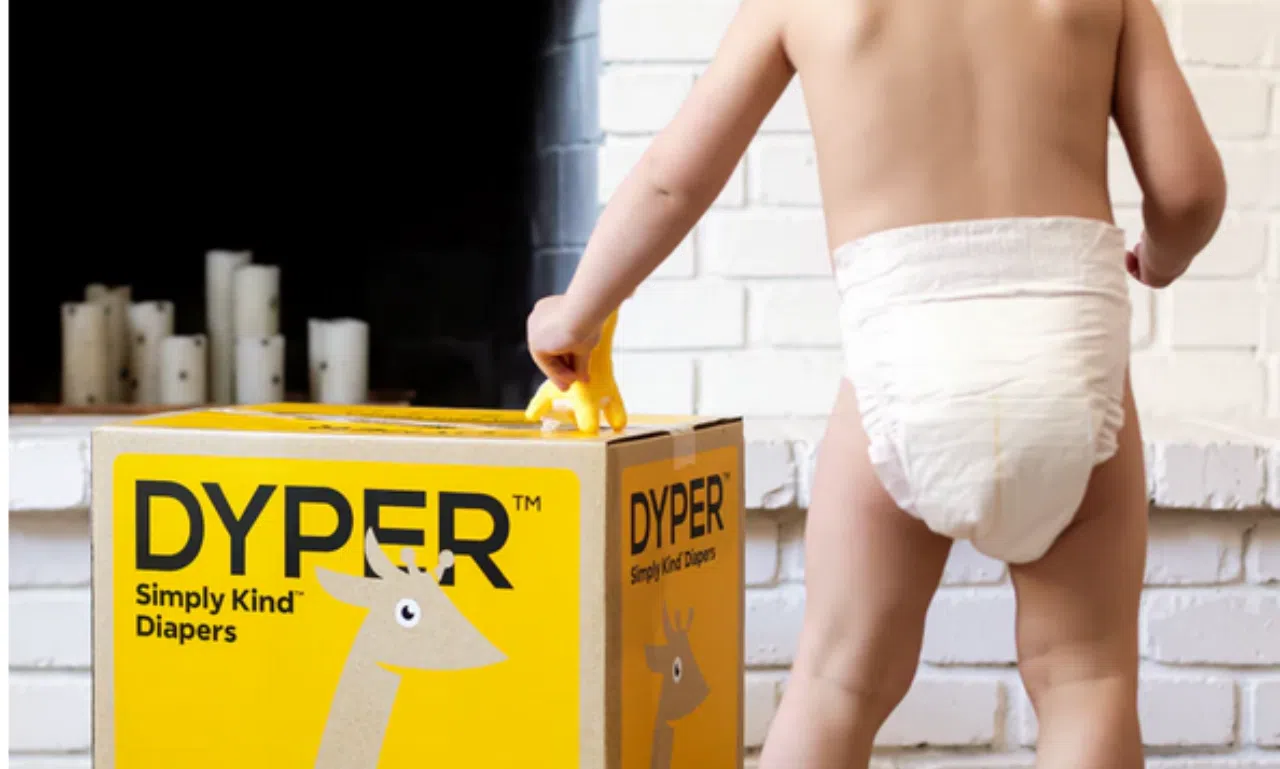
Recognizing that convenience is paramount for parents, Dyper offers flexible purchasing options, including subscriptions and one-time purchases, across a wide variety of sizes. The true innovation, however, lies in the REDYPER program, which addresses the end-of-life challenge for disposable diapers. In participating regions, Dyper provides a weekly or biweekly pickup service for used diapers and wipes. Parents simply collect their soiled diapers in specialized bags provided by Dyper, which are then picked up by the company’s logistics partners.
Once collected, these used diapers are transported to regional composting facilities with which Dyper has established partnerships. At these specialized facilities, the plant-based materials in the diapers undergo a managed composting process, breaking down within 14 to 16 weeks. Any non-compostable components, such as the small amount of non-biodegradable velcro or elastic, are carefully removed from the compost stream and disposed of responsibly. This systematic approach ensures that the maximum possible volume of waste is diverted from landfills.
The impact of the REDYPER program has been substantial. As of today, the program has successfully diverted over 14 million pounds of waste from landfills. To put this into perspective, 14 million pounds is equivalent to the weight of approximately 7,000 standard passenger cars, or roughly 70 fully loaded Boeing 747 aircraft. This significant achievement underscores the potential for innovative waste management solutions to address large-scale environmental challenges. While the program’s availability is state-dependent, reflecting the logistical complexities of establishing and scaling such a service, Dyper is continually working to expand its reach and partnerships with composting facilities nationwide.
Broader Industry Implications and the Future of Diapering
Dyper’s emergence and success signify a broader shift in consumer demand and industry responsibility. Parents are increasingly discerning, seeking products that align with their values for health and environmental stewardship. The growth of companies like Dyper demonstrates a clear market signal that consumers are willing to invest in sustainable and non-toxic baby products. This trend is compelling the wider baby care industry to re-evaluate its practices, pushing for greater transparency, cleaner ingredients, and more sustainable end-of-life solutions for products.
The current regulatory landscape, particularly the CPSC’s limited testing requirements for diapers, highlights a significant void that companies like Dyper are voluntarily filling. By setting higher benchmarks for material safety, toxicity testing, and compostability, Dyper is not only addressing an immediate consumer need but also implicitly advocating for more comprehensive industry standards. As public awareness grows regarding chemical exposures and environmental pollution, there is increasing pressure on regulatory bodies to update and strengthen guidelines for consumer products, especially those intended for infants.
Dyper effectively bridges the perceived gap between the convenience of single-use disposable diapers and the conscience of environmental responsibility. For many busy parents, the demands of cloth diapering—including washing, sanitizing, and managing laundry—are simply too time-consuming. Dyper offers a third path: the ease of disposables combined with the ecological benefits of biodegradability and a managed composting service. This innovative model addresses the "convenience vs. conscience" dilemma that has long plagued the baby care market.
Looking ahead, Dyper’s pioneering efforts are likely to inspire further innovation in the sustainable baby product sector. Future developments may include fully biodegradable components, advanced composting technologies that can handle a wider array of materials, and even more localized closed-loop systems for waste management. The company’s commitment to continuous improvement, evidenced by their ongoing material research and pursuit of additional certifications, positions them as a leader in shaping the future of responsible baby care.
In conclusion, Dyper is more than just a diaper company; it represents a commitment to sustainability, transparency, and superior baby care. By prioritizing plant-based materials, rigorously testing for non-toxicity, and offering a practical composting solution through its REDYPER program, Dyper provides a compelling answer to the pervasive environmental and health challenges posed by traditional disposable diapers. With Dyper, parents are not just choosing a high-performing product; they are choosing a tangible step towards a healthier future for their children and the planet.



 Budi Mulyono
 Anjar Salim
 Chandra Hamzah
 Tatiana Tantri Indah Sari

 Lukman Taruna Persada Ramadan