
 Walid Sujud Trenggono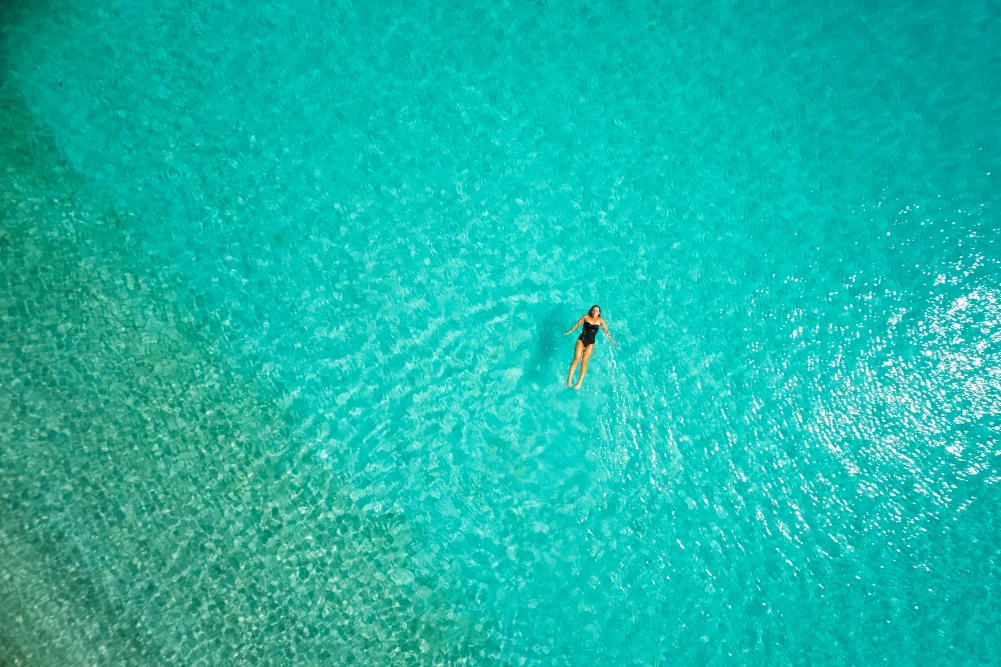
The international cruise industry is witnessing a significant paradigm shift as travelers increasingly prioritize mental well-being and "slow travel" over traditional high-intensity tourism. In the Australian and South Pacific markets, this trend has manifested in a surge of interest in regional itineraries that emphasize reconnection with nature and psychological decompression. Carnival Cruise Line, a dominant force in the Australian maritime sector, has positioned its South Pacific offerings as a primary vehicle for this transition, moving beyond the historical "party ship" reputation toward a more holistic, wellness-oriented experience. As modern professionals grapple with unprecedented levels of burnout and digital fatigue, the maritime environment—characterized by its isolation from land-based stressors and its proximity to "blue spaces"—is being re-evaluated as a critical tool for restorative health.
The resurgence of the South Pacific as a premier cruise destination is not merely a byproduct of geographic proximity but a calculated response to the global demand for authentic cultural engagement and environmental immersion. Industry analysts observe that the contemporary traveler seeks a "change of scenery" that serves a functional purpose: the resetting of the nervous system. By navigating the waters of the South Pacific, these journeys provide a structured yet flexible environment where the logistical burdens of travel—such as transport, meal planning, and itinerary scheduling—are managed by the carrier, allowing the passenger to focus exclusively on personal recovery and presence.
The Historical and Regional Context of South Pacific Maritime Tourism
The South Pacific has served as a cornerstone of the global cruise industry for decades, yet its role has evolved through several distinct phases. Following the initial expansion of commercial cruising in the mid-20th century, the region was primarily viewed as an exotic, remote frontier. By the 1990s and early 2000s, it had become a hub for family-oriented, mass-market tourism. However, the post-pandemic era has ushered in a third phase: the era of "purposeful cruising."
The chronology of this development is marked by significant investments in port infrastructure and vessel technology. In the last five years, major ports in Vanuatu, New Caledonia, and Fiji have undergone upgrades to accommodate larger, more environmentally efficient vessels. This infrastructure allows for a more seamless transition between the ship and the shore, facilitating deeper exploration of the archipelago’s unique ecosystems. The timeline of this growth correlates with a broader 20% increase in cruise passenger numbers in the Australian market between 2022 and 2024, as reported by the Cruise Lines International Association (CLIA). This growth is driven by a demographic that is younger and more wellness-conscious than previous generations, seeking a balance between physical activity and meditative stillness.

Data-Driven Insights into Wellness Tourism and the "Blue Mind" Effect
The shift toward restorative cruising is supported by emerging psychological data. Marine biologists and psychologists often refer to the "Blue Mind" effect—the scientifically documented state of water-induced meditation that lowers cortisol levels and boosts dopamine. A study published in the journal Environmental Psychology indicates that individuals living or spending significant time near large bodies of water report higher levels of self-rated health and well-being.
For the cruise industry, this data translates into tangible demand. Market research suggests that the wellness tourism sector is projected to reach a valuation of $1.2 trillion globally by 2027. Within this sector, "slow travel" itineraries, such as those offered in the South Pacific, are among the fastest-growing segments. Travelers are increasingly opting for longer durations at sea and fewer, more meaningful port calls. The Carnival model reflects this by providing expansive deck spaces and "adults-only" retreats designed to maximize exposure to the open horizon, which serves as a visual and cognitive palate cleanser for those accustomed to the "closed-in" environments of urban life.
Onboard Dynamics: Balancing Kinetic Activity with Restorative Stillness
A critical component of the modern South Pacific cruise is the dual-track approach to relaxation. Recognizing that stillness can be jarring for those accustomed to high-productivity environments, cruise lines have integrated "active rest" into their programming. This includes a spectrum of activities ranging from high-energy outdoor games and fitness centers to low-impact yoga and meditative spa treatments.
The logistical structure of these ships allows for a personalized rhythm. For instance, the integration of specialized "Serenity" retreats—areas designated for quietude and reflection—addresses the needs of the approximately 45% of travelers who identify "peace and quiet" as their primary vacation goal. Conversely, the availability of live performances and social classes ensures that the "disconnection" from work does not lead to social isolation. This balance is essential for cognitive recovery, as it allows the brain to toggle between different types of stimulation without the pressure of external deadlines.
Economic and Cultural Implications for Island Communities
The impact of South Pacific cruising extends far beyond the hull of the ship, fostering a complex socio-economic relationship with the host nations. Guided shore excursions have transitioned from passive sightseeing to active cultural exchange. By participating in local cooking classes, village tours, and ecological snorkeling expeditions, travelers contribute directly to the local economies of island nations while gaining a "genuine connection" to the region’s heritage.
Economic data from the South Pacific Tourism Organisation (SPTO) suggests that cruise tourism accounts for a significant percentage of the GDP in nations like Vanuatu and the Solomon Islands. However, the modern focus is on "sustainable engagement." Modern cruise lines are increasingly partnering with local operators to ensure that tourism revenue supports community development and environmental conservation. This purposeful exploration adds a layer of moral and intellectual fulfillment to the traveler’s experience, reinforcing the sense of "meaning" that is often missing from standard resort-style vacations.
Industry Analysis: The Future of Maritime Wellness
Travel industry analysts suggest that the "wellness cruise" is no longer a niche product but a standard expectation for the modern consumer. "The cruise industry is no longer just selling a cabin and a buffet; it is selling a psychological state," notes one senior analyst from a leading travel consultancy. "The South Pacific, with its unique combination of isolation and accessibility, is the ideal laboratory for this new model of travel."
The implications of this shift are twofold. First, there is an increasing pressure on cruise lines to enhance their environmental credentials. As travelers seek to reconnect with nature, they become more sensitive to the ecological footprint of their journeys. This has led to the adoption of Liquefied Natural Gas (LNG) power and advanced waste management systems across the Carnival fleet. Second, the integration of technology is being used to facilitate "unplugging." While high-speed internet is available, many passengers are now using "digital detox" apps provided by the cruise lines to manage their screen time, further emphasizing the goal of being "present for what’s right in front of you."
Conclusion: Returning with Clarity
The ultimate objective of the South Pacific cruise, as framed by contemporary travel trends, is the return to routine with a renewed sense of clarity. The "reset" described by travelers is not merely a temporary break from labor but a recalibration of the self. By providing a space where the logistical details are automated and the environment is inherently calming, cruise lines like Carnival are facilitating a form of "mental maintenance" that is becoming essential in a hyper-connected world.
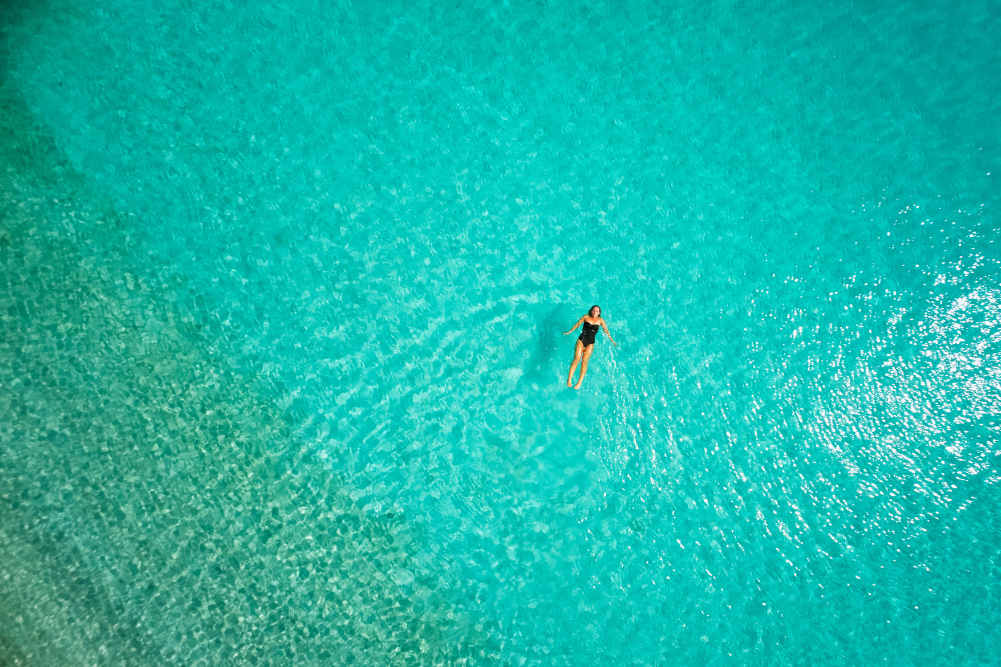
As the industry continues to evolve, the South Pacific will likely remain at the forefront of this movement. The combination of clear lagoons, welcoming local communities, and the vast, rhythmic presence of the ocean offers a unique antidote to the complexities of 21st-century life. For the modern traveler, the journey across the water is less about the destination and more about the space it creates for the mind to finally slow down, breathe, and reflect. The success of this model suggests that the future of travel lies not in seeing more, but in experiencing more deeply.


 Chandra Hamzah
 Tatiana Tantri Indah Sari
 Budi Mulyono
 Anjar Salim

