
 Walid Sujud Trenggono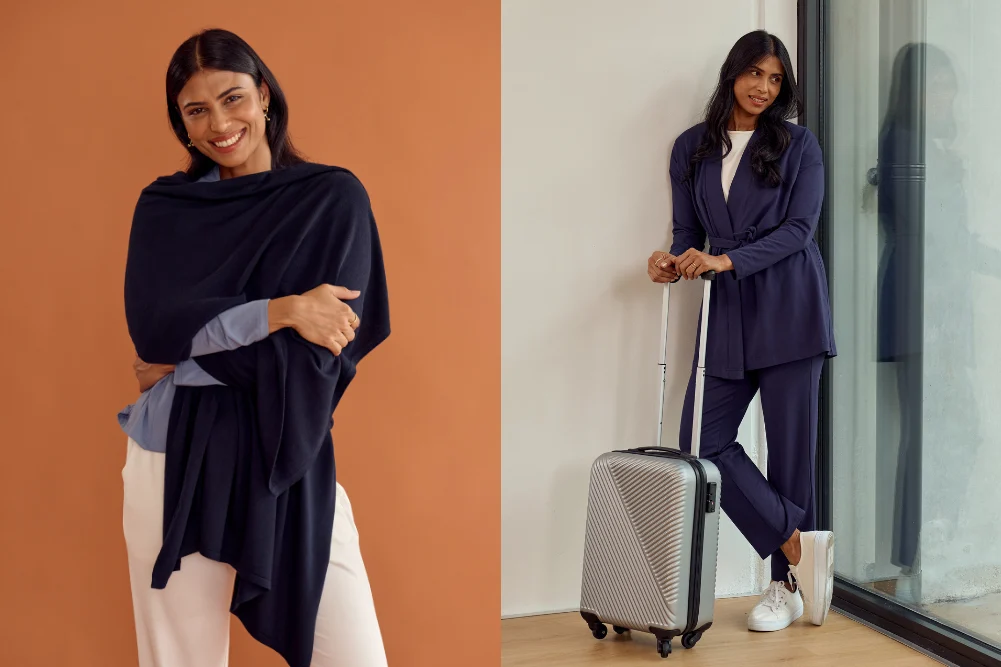
The modern traveler faces a unique set of physiological and environmental challenges when navigating the complexities of long-haul transit, leading to a significant shift in how the global apparel industry approaches the concept of the travel outfit. As international flight durations increase and the "bleisure" trend—combining business and leisure travel—continues to dominate the market, the demand for clothing that balances professional aesthetics with extreme physical comfort has reached an all-time high. In this evolving landscape, Australian textile innovators like Bamboo Body have spent nearly two decades refining the intersection of sustainable fabric science and ergonomic design, addressing the specific needs of passengers who must transition seamlessly from pressurized cabins to diverse climates.
The Physiological Demands of Long-Haul Transit
To understand the necessity of specialized travel apparel, one must first examine the environment of a standard commercial aircraft. At a cruising altitude of approximately 35,000 feet, cabin humidity levels often drop below 20 percent, significantly lower than the 30 to 50 percent humidity typically found in indoor environments. This arid atmosphere, combined with the recycled air and fluctuating temperatures, places immediate stress on the body’s thermal regulation systems.
Furthermore, the physical toll of remaining sedentary for extended periods—often exceeding 14 hours on ultra-long-haul routes—can lead to poor circulation, joint stiffness, and muscle fatigue. Medical experts have long noted that the choice of clothing plays a pivotal role in mitigating these effects. Restrictive waistbands and non-breathable synthetic fabrics can exacerbate discomfort and potentially contribute to more serious issues, such as deep vein thrombosis (DVT) in extreme cases, by hindering blood flow. Consequently, the move toward soft, high-stretch, and moisture-wicking materials is not merely a fashion preference but a functional requirement for health-conscious travelers.
A Chronology of Travel Fashion: From Formality to Functionality
The history of travel attire has undergone a radical transformation over the last century, reflecting broader societal shifts in class, technology, and lifestyle.
- The Golden Age of Aviation (1940s–1960s): During the early decades of commercial flight, air travel was a luxury reserved for the elite. Passengers typically wore formal attire—men in tailored suits and women in dresses, gloves, and hats. Comfort was secondary to the social status conveyed by one’s appearance.
- The Democratization of Flight (1970s–1990s): As air travel became more accessible to the middle class, dress codes began to relax. The 1980s and 90s saw the rise of casual wear, though often characterized by heavy denims or stiff synthetic blends that were not optimized for the confined spaces of increasing "economy" class seating.
- The Athleisure Revolution (2000s–2015): The early 21st century saw the birth of "athleisure," where yoga pants and hoodies became acceptable public attire. This era prioritized comfort but often lacked the polished look required for business travelers or those wishing to maintain a sense of style upon arrival.
- The Sustainable Performance Era (2015–Present): Today, the focus has shifted toward high-performance natural fibers. Brands like Bamboo Body, established nearly 20 years ago, have spearheaded this movement by utilizing bamboo-derived viscose. This era is defined by "capsule" travel wardrobes—minimalist sets that offer the comfort of pajamas with the silhouette of high-end loungewear.
The Science of Bamboo Textiles in Aviation Environments
The central pillar of modern travel apparel is material science. Bamboo fabric has emerged as a frontrunner in this space due to its unique molecular structure. Bamboo viscose is naturally porous, which allows for superior moisture-wicking capabilities compared to traditional cotton. For a traveler, this means that even as cabin temperatures fluctuate from uncomfortably warm during boarding to near-freezing during flight, the fabric works to pull moisture away from the skin and maintain a stable microclimate.
Data from textile research indicates that bamboo fabric can absorb up to three times its weight in water, and its natural thermal regulation properties make it an ideal insulator. In a recent analysis of travel-wear performance, bamboo-based textiles were found to retain less odor than polyester-based synthetics, a critical factor for passengers on multi-leg journeys where laundry facilities are unavailable.
Moreover, the integration of recycled cashmere into travel accessories, such as wraps and scarves, provides a secondary layer of sustainable luxury. By blending bamboo with recycled proteins, manufacturers create a fabric that is lightweight yet high in thermal resistance, providing the warmth of a heavy blanket without the bulk that complicates carry-on luggage limits.
Strategic Layering: The "Travel Set" Methodology
The industry has moved toward a modular approach to dressing, often referred to as the "Travel Set" methodology. This strategy involves a coordinated system of base layers, mid-layers, and outer wraps designed to be added or removed as environmental conditions change.
- The Foundation: A fitted singlet or lightweight tee serves as the moisture-management layer. Using bamboo for this layer ensures that the skin remains dry and irritation-free.
- The Mid-Layer: Relaxed-fit trousers with elasticized waistbands and matching tops provide the primary aesthetic. These sets are designed with a "polished drape," ensuring that the fabric does not cling to the body or lose its shape after hours of sitting.
- The Protective Layer: The travel wrap or oversized scarf serves as a versatile tool. It functions as a garment through the terminal and a blanket during the flight, addressing the common complaint of inadequate airline-provided bedding.
This modular system allows travelers to navigate the "micro-climates" of a journey: the humid walk from the car park, the air-conditioned terminal, the pressurized cabin, and the eventual outdoor climate of the destination.
Market Trends and Consumer Sentiments
The shift toward specialized travel wear is reflected in global market data. The global bamboo fiber market is projected to grow significantly through 2030, driven by an increasing consumer preference for eco-friendly products and the expansion of the wellness tourism sector. According to industry reports, modern consumers are increasingly willing to invest in "investment pieces"—high-quality garments that offer longevity—rather than "fast fashion" items that deteriorate after a few washes.
Industry analysts suggest that the success of brands like Bamboo Body lies in their ability to address the "post-flight" experience. "The goal is no longer just to survive the flight," says a retail analyst specializing in travel goods. "The goal is to land ready for a meeting, a meal, or a sightseeing excursion without needing a complete wardrobe change. This ‘readiness’ is the new luxury in travel."
Supporting Data: Why Small Details Matter
While much focus is placed on the primary outfit, secondary accessories like bamboo socks play a disproportionate role in passenger comfort. During long flights, the extremities—specifically the feet—are prone to swelling (edema) due to gravity and inactivity. Soft, non-constrictive bamboo socks provide a layer of warmth and protection while allowing for better skin breathability than nylon or wool blends.
Furthermore, the psychological impact of travel attire cannot be overlooked. A study on "enclothed cognition" suggests that the way we dress affects our psychological processes. Travelers who feel "disheveled" or "messy" upon arrival often report higher levels of stress and fatigue. Conversely, those wearing coordinated, clean-lined travel sets report a higher sense of control and a smoother transition into their destination’s environment.
The Future of Travel: Sustainability and Longevity
As the aviation industry faces pressure to reduce its carbon footprint, the apparel industry is following suit. The use of bamboo is particularly relevant here; as a crop, bamboo requires no pesticides, minimal water, and grows rapidly, making it one of the most sustainable raw materials available for textile production.
The longevity of these garments also contributes to a reduction in waste. Unlike cheap synthetics that pill or lose elasticity, high-quality bamboo blends are designed to withstand the rigors of frequent travel. This "slow fashion" approach aligns with the values of the modern traveler, who is increasingly conscious of the environmental impact of their lifestyle.
Conclusion: Arriving Refreshed in a Changing World
The secret to a successful journey in the 21st century lies in the strategic selection of apparel that serves both the body and the mind. By prioritizing soft, breathable, and versatile pieces—such as those pioneered by Bamboo Body—travelers can mitigate the physical stresses of flight while maintaining a professional and polished appearance.
As we look toward the future of global mobility, the integration of sustainable textile science and functional design will continue to redefine the passenger experience. The travel outfit is no longer just a choice of clothing; it is a critical component of travel logistics, essential for arriving at one’s destination not just on time, but feeling refreshed and ready for the journey ahead. For those seeking to optimize their next trip, exploring collections designed specifically for the rigors of the road and sky is the first step toward a more comfortable and sustainable way to see the world.



 Chandra Hamzah
 Tatiana Tantri Indah Sari
 Budi Mulyono
 Anjar Salim

