Anjar Salim
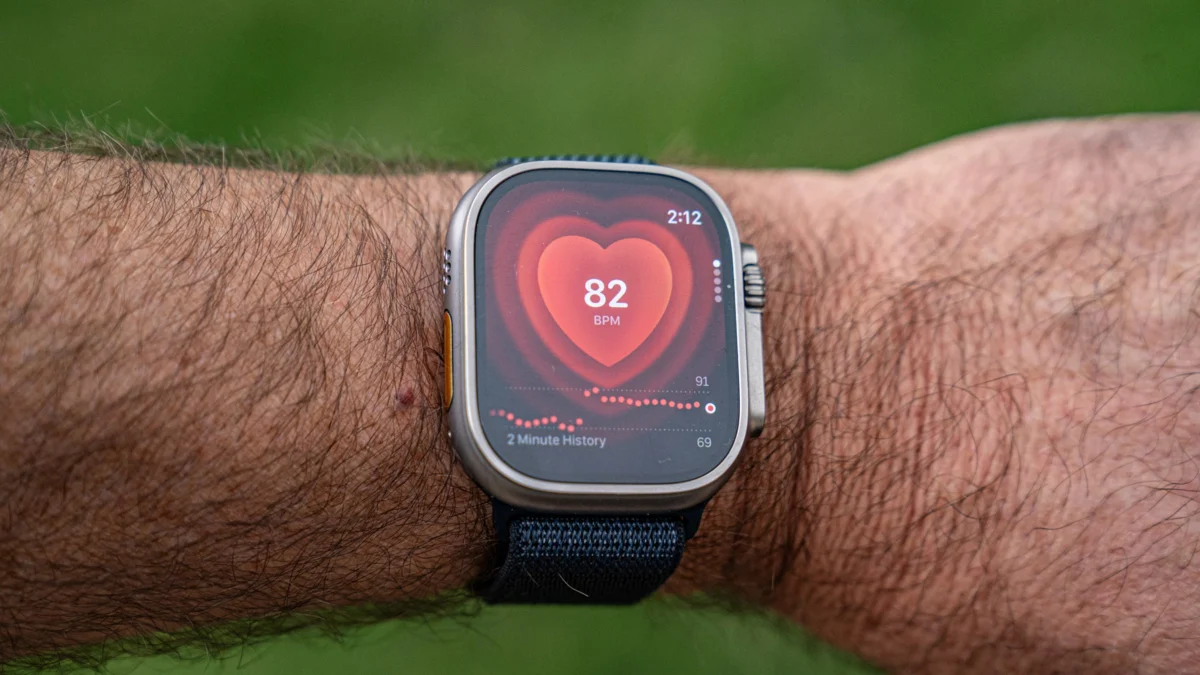
Apple Inc. officially released the Apple Watch Ultra 4 alongside the Apple Watch Series 12, marking a significant technological pivot for the Cupertino-based technology giant. While Apple has historically entered the sports and endurance wearables market years after specialized competitors such as Garmin, Coros, and Suunto, the company’s latest hardware iteration seeks to close the feature gap through heavily validated sensor accuracy and refined software integration. Central to this September 2026 product rollout is the introduction of a comprehensive training readiness scoring system, advanced heart rate variability (HRV) tracking, and substantial power management updates designed to bridge the divide between elite fitness metrics and consumer-friendly usability.
Chronology of Development and Market Entry
The trajectory of Apple’s wearable division over the past half-decade has been characterized by deliberate, iterative hardware improvements coupled with aggressive software expansions. When Apple first introduced the "Ultra" branding in 2022, the device targeted endurance athletes and outdoor adventurers who previously relied exclusively on dedicated sports watches from brands like Garmin. However, critics noted that early iterations lacked advanced physiological metrics, such as native training readiness scores, recovery analytics, and deep biometric trend tracking.
Competitors such as Garmin established market dominance by offering robust training readiness algorithms years prior. Apple’s strategy has consistently relied on entering established product categories late—as seen with its folding device rollouts and health monitoring ecosystems—while refining the user experience to appeal to a broader consumer base. The release of the Apple Watch Ultra 4 and Series 12 in September 2026 represents the culmination of years of internal sensor development, validation studies, and software development within Apple’s health division.
Hardware Upgrades and Sensor Accuracy
At the core of the Apple Watch Ultra 4 and the Apple Watch Series 12 is a redesigned optical heart rate sensor array. To substantiate claims regarding sensor precision, Apple published a comprehensive clinical study evaluating the new hardware against a broad cross-section of competing wrist- and arm-based wearables, encompassing approximately 90 percent of the current commercial wearable market. The study evaluated participants across diverse demographics, accounting for variations in sex, age, body mass index (BMI), and skin tone to mitigate historical biases associated with optical plethysmography (PPG).
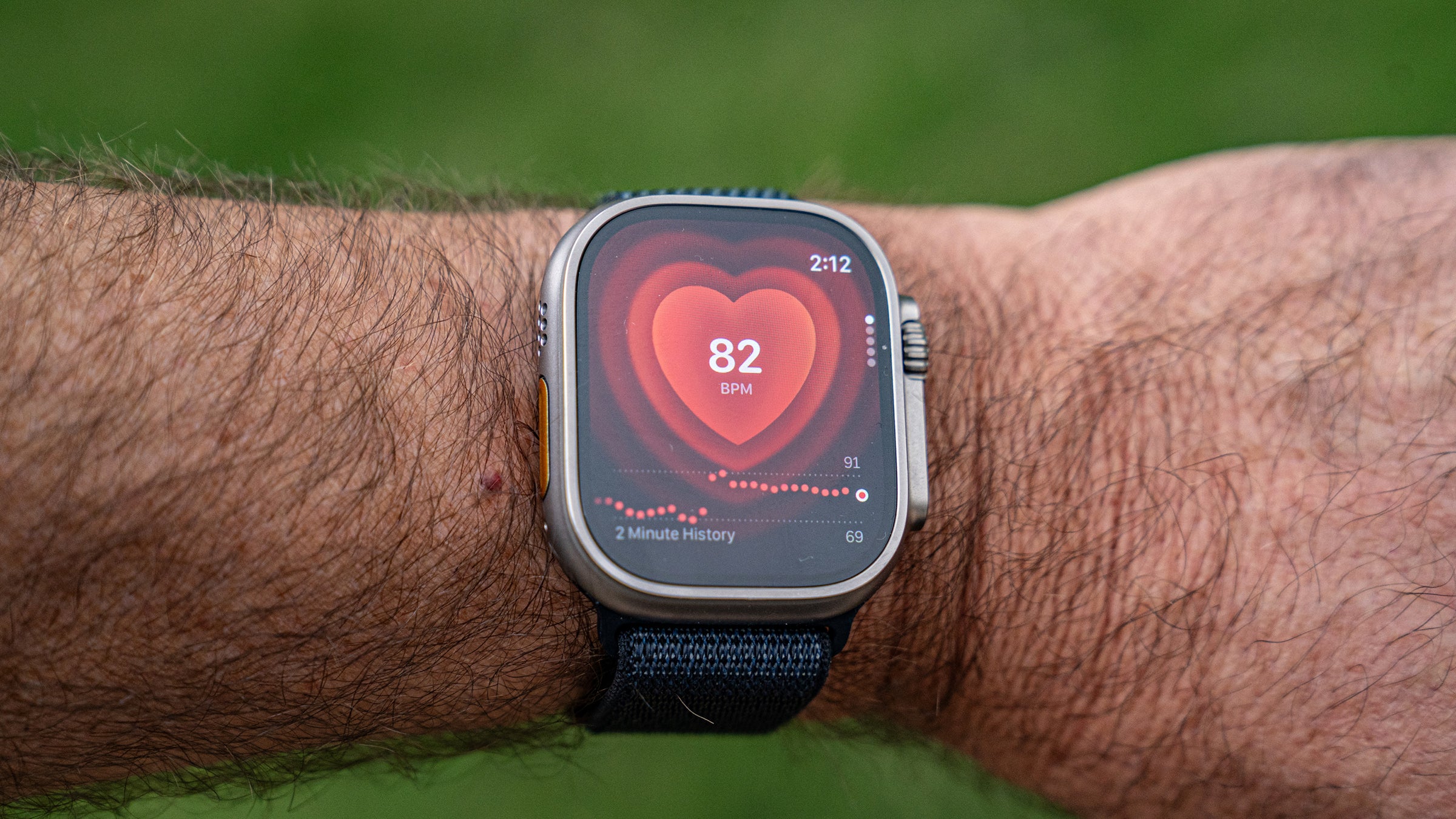
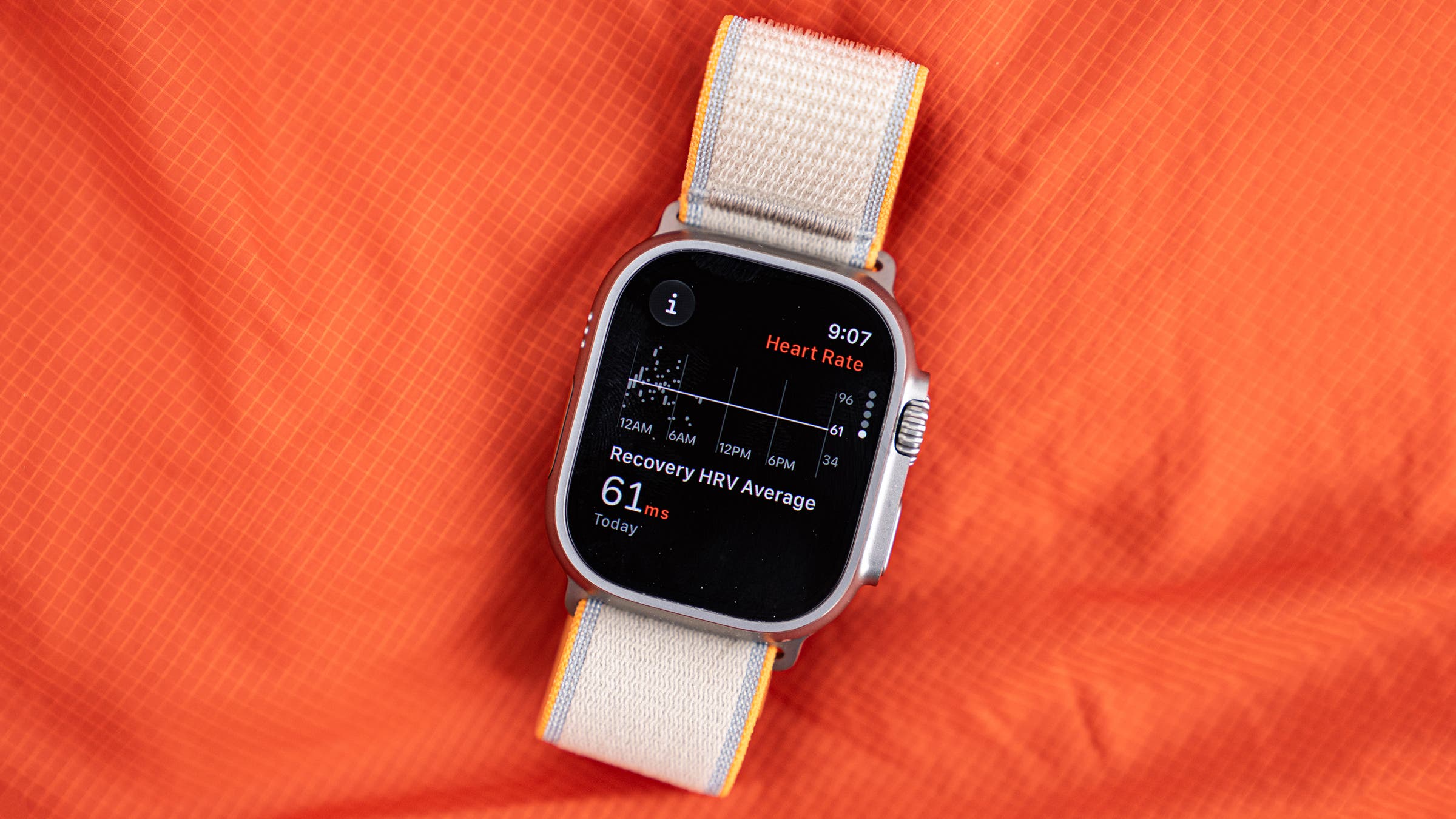
This elevated level of wrist-based accuracy enables the hardware to reliably capture Heart Rate Variability (HRV), a metric that measures the microscopic fluctuations in time between consecutive heartbeats. Physiological research demonstrates that higher HRV values generally correlate with robust recovery, lower baseline stress, and positive fitness adaptations, whereas suppressed HRV can signal overtraining, systemic inflammation, or impending illness.
The Apple Watch Ultra 4 samples HRV continuously during resting periods, capturing readings as frequently as every five minutes throughout both day and night. General heart rate sampling occurs at five-second intervals during standard daily wear. By comparison, industry competitors utilize varying polling frequencies: Garmin devices continuously log heart rate multiple times per second while restricting automated HRV tracking primarily to nocturnal sleep windows, supplemented by manual daytime "health snapshots." Coros devices similarly log heart rate every second during active workouts and every ten minutes during sedentary periods.
The Training Readiness Framework
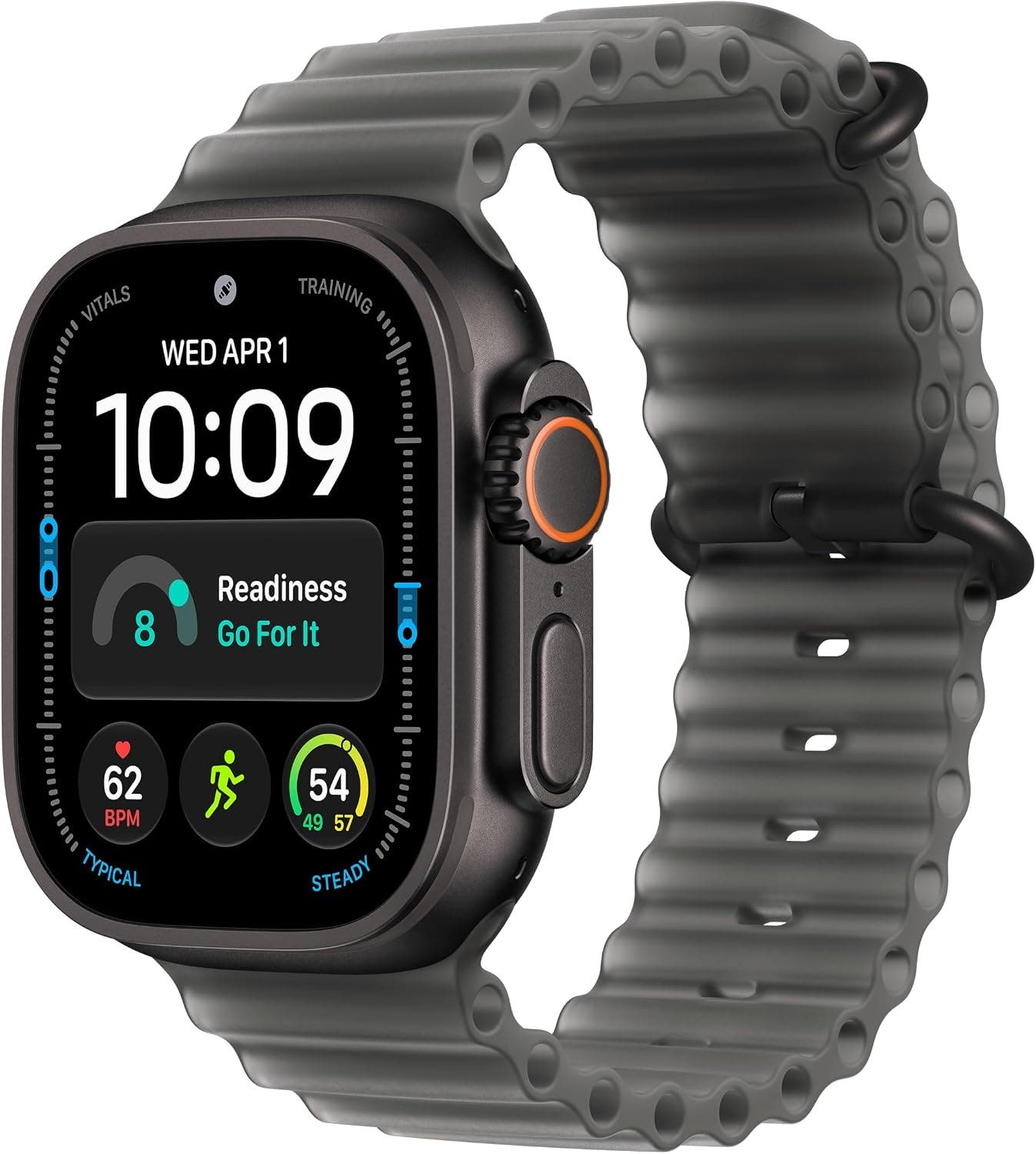
Leveraging the expanded dataset generated by the updated sensor suite, Apple has introduced a native training readiness score. Evaluated on a simplified scale from 1 to 10, the metric categorizes user recovery into distinct, actionable guidance phrases:
- Scores of 0 to 1 prompt the user to "Recover."
- Scores of 2 to 4 advise the user to "Pace Yourself."
- Scores of 5 to 7 indicate that the user is "Ready."
- Scores of 8 to 10 encourage the user to "Go For It."
This approach contrasts with the granular 1-100 scales utilized by competitors such as Garmin, which often present dense arrays of data points that require advanced interpretation by the user. By streamlining numerical outputs into direct behavioral recommendations, Apple aims to make recovery science accessible to casual and mid-tier athletes who may find traditional sports watch analytics overwhelming.
The readiness metric synthesizes historical sleep architecture, acute and chronic training loads, resting heart rate, HRV trends, and other baseline vitals. Early field testing of the Ultra 4 indicates high alignment between the algorithm’s daily outputs and subjective user fatigue levels, though minor limitations—such as the delay of readiness score generation until the completion of morning physical activity—highlight ongoing areas for software refinement.
Software Ecosystem and Upcoming Health Integrations
Beyond immediate workout analytics, the hardware updates introduced in the Ultra 4 and Series 12 are engineered to feed into a redesigned health application slated for deployment later in the year. This upcoming software update introduces several prominent features:
- The Insights Tab: Aggregates daily metrics, longitudinal trends, sleep stages, cardiovascular fitness, and vitals, utilizing Apple Intelligence to generate personalized physiological guidance.
- Health Age: Compares an individual’s functional physical capacity against chronological age metrics, mirroring similar "Fitness Age" calculations offered by competing ecosystems.
- The Longevity Tab: Evaluates multi-year health data across cardiovascular health, metabolic function, hearing conservation, mental wellbeing, nutrition, and daily movement patterns.
Industry analysts note that this software integration represents Apple’s broader strategic shift from simple activity tracking to holistic preventive health management. By synthesizing disparate biometric data streams into unified consumer-facing dashboards, Apple continues to position its wearable hardware as an essential health utility rather than a niche athletic accessory.
Battery Performance and Power Management
Power endurance remains a critical point of divergence between Apple’s smartwatch lineup and traditional endurance-focused competitors. The Apple Watch Series 12 delivers up to 24 hours of standard battery life under normal operational conditions, whereas the Apple Watch Ultra 4 extends standard use up to 50 hours—an eight-hour improvement over its predecessor, the Ultra 3.
For full-power athletic tracking, the Ultra 4 provides up to 18 hours of continuous GPS and heart rate logging, compared to 10 hours on the Series 12. Power management is further supported by rapid-charging capabilities, yielding approximately 18 hours of additional runtime from a 15-minute charge cycle.
When utilizing specialized power-saving configurations, such as Extended Workout mode, the Ultra 4 extends tracking capabilities to 25 hours by selectively disabling auxiliary background features while maintaining full GPS and optical heart rate sampling. Max Extended Workout mode extends outdoor tracking limits up to 45 hours by reducing GPS polling intervals to one-second spot checks during designated activities such as hiking and walking.
Competitive Analysis in Endurance Markets
Despite substantial battery improvements, the Apple Watch Ultra 4 faces notable performance constraints when evaluated against specialized ultra-endurance hardware. Market alternatives, such as the Garmin Enduro 3, offer GPS tracking durations exceeding 120 hours under standard conditions, scaling up to 320 hours when supplemented by integrated photovoltaic solar charging. Similarly, contemporary devices like the Coros Pace 4 Pro provide up to 60 hours of continuous GPS tracking at a substantially lower retail price point.
Consequently, industry experts observe that elite endurance athletes participating in multi-day events, such as 100-mile ultramarathons or expedition races, are unlikely to adopt the Apple Watch Ultra 4 as their primary competition device. The necessity to balance power-hungry everyday operating systems, high-resolution color displays, and cellular connectivity prevents Apple from matching the multi-week battery longevity achieved by streamlined, monochromatic sports watches.
Broader Market Implications
The launch of the Apple Watch Ultra 4 defines a clear market segmentation strategy for the wearable technology sector. For non-professional endurance athletes, recreational runners, and fitness enthusiasts who prioritize daily smartwatch functionalities—such as notifications, cellular communication, seamless software integration, and intuitive health metrics—the Ultra 4 provides a compelling, robust package.
Conversely, consumers whose primary purchasing criteria center exclusively on extreme battery longevity, multi-day expedition tracking, and granular training load analytics may find better value in dedicated athletic ecosystems. By focusing on sensor accuracy, clinical validation studies, and simplified actionable intelligence, Apple has successfully solidified its position in the performance wearable market without fully compromising the daily utility that defines its broader product ecosystem.




 Lukman Taruna Persada Ramadan

 Tatiana Tantri Indah Sari

 Budi Mulyono