Anjar Salim
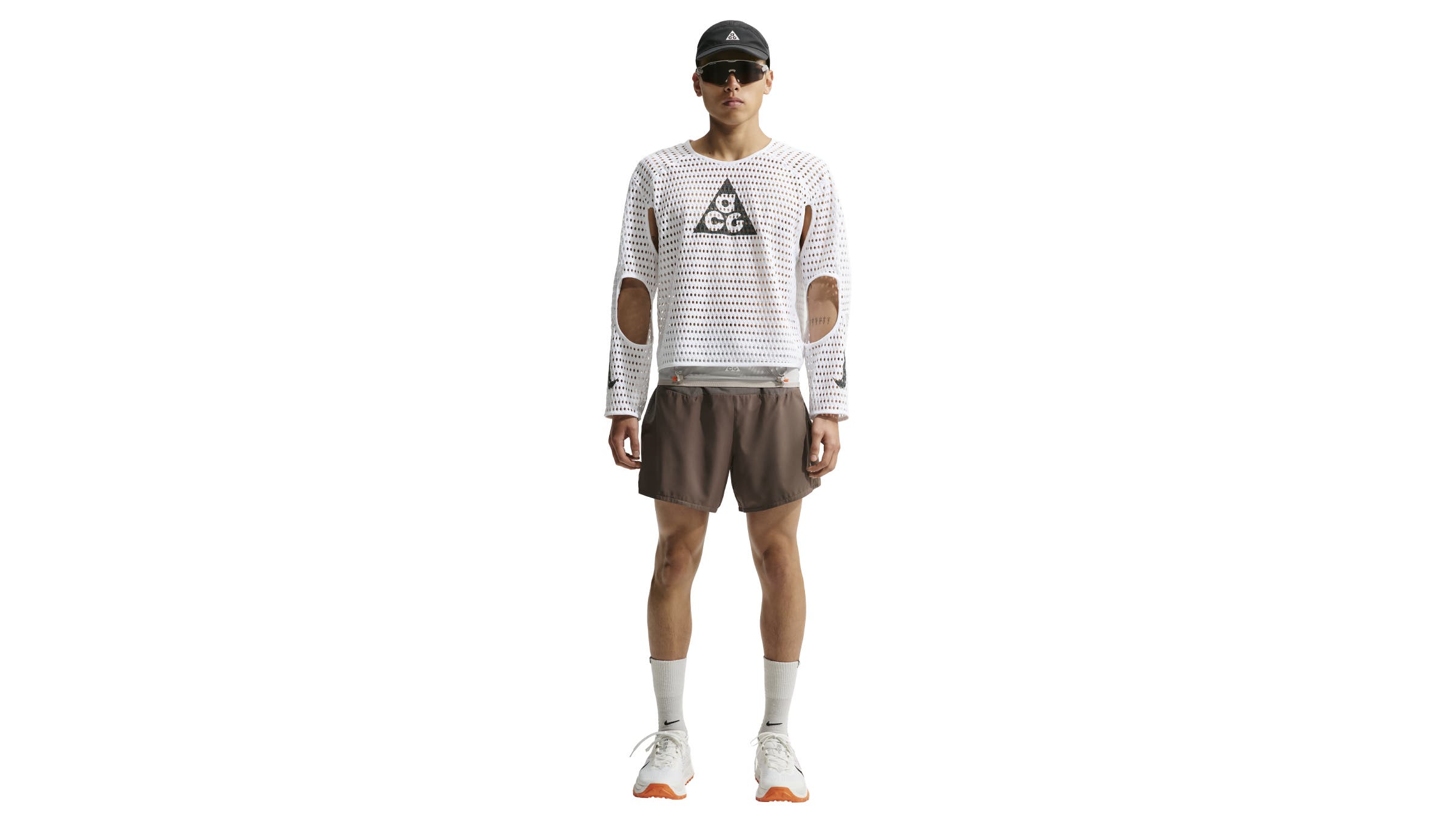
The intersection of outdoor athletic apparel and urban streetstyle has officially transitioned from a niche subculture into a dominant global retail phenomenon. This evolution is perhaps best encapsulated by the viral rollout of Nike’s All Conditions Gear (ACG) Radical AirFlow shirt, colloquially dubbed the “holey shirt.” Distributed to a curated cohort of running influencers across the United States in June 2026, the garment instantly dominated social media platforms. Featuring advanced thermodynamic engineering—specifically, strategically placed holes that widen externally before narrowing to channel cooling airflow across the skin—the shirt bridged the gap between high-performance athletic gear and avant-garde streetwear.
While Nike athlete Caleb Olson previously validated the garment’s functional pedigree by securing a victory at the Western States 100-Mile Endurance Run wearing a prototype, the broader cultural reception highlights a wider shift. Industry analysts note that contemporary consumers increasingly evaluate technical outdoor apparel through an aesthetic lens, prioritizing silhouette and design innovation alongside moisture-wicking metrics and durability.
Chronology of the Gorpcore Movement

The fusion of technical outdoor gear and everyday fashion did not materialize overnight. The trajectory of this trend traces back decades, evolving through distinct phases of adoption, commercialization, and cultural integration:
- 1989: Nike introduces its All Conditions Gear (ACG) sub-brand, establishing an early blueprint for rugged, all-weather footwear and apparel that leans heavily into vibrant nineties aesthetics.
- 2017: Fashion publication The Cut coins the term “gorpcore” to describe the rising popularity of utilitarian outdoor items—such as fleece pullovers and technical shells from brands like Patagonia and Arc’teryx—worn in metropolitan environments.
- Late 2010s: Footwear brand Salomon experiences an unexpected crossover when its XT-6 trail running shoe migrates from mountain paths to international fashion runways and gains visibility among high-profile celebrities like Rihanna. In response, the brand establishes its Sportstyle category.
- February 2026: Nike relaunches its ACG line with an intentionally irreverent, street-oriented marketing strategy that channels nineties counterculture and targets urban demographics.
- June 2026: The viral unboxing campaign for the Radical AirFlow shirt demonstrates the seamless blending of high-performance lab innovation with mainstream fashion influence.
Supporting Data and Demographic Shifts
The mainstreaming of outdoor apparel is fundamentally underpinned by shifting consumer habits and broader demographic trends within outdoor recreation. According to a comprehensive 2025 report published by the Outdoor Industry Association, recent growth in outdoor participation has been largely driven by diverse, casual, and urban participants rather than traditional core mountaineers.
This influx of new enthusiasts has permanently altered the visual language of outdoor gear. Environmental and cultural historian Rachel S. Gross of the University of Colorado, Denver, notes that long-term trends toward workplace casualization in the United States have steadily expanded the boundary lines of acceptable daily attire, allowing high-performance athletic fabrics to infiltrate professional and social settings.
Furthermore, historical precedent indicates that market expansion often invites friction from traditionalists. Gross points out parallels to the 1970s, when longtime executives at Eddie Bauer expressed concern over the brand’s transition from a specialized expedition outfitter into a mainstream mall brand. Despite similar concerns voiced today regarding brand dilution, major outdoor conglomerates continue to post robust financial results while simultaneously servicing elite expeditions. The North Face, for instance, has reported consistent double-digit quarterly revenue growth while continuing to outfit world-class climbers and skiers such as Conrad Anker, Jimmy Chin, and Jim Morrison.
Industry Responses and Strategic Collaborations
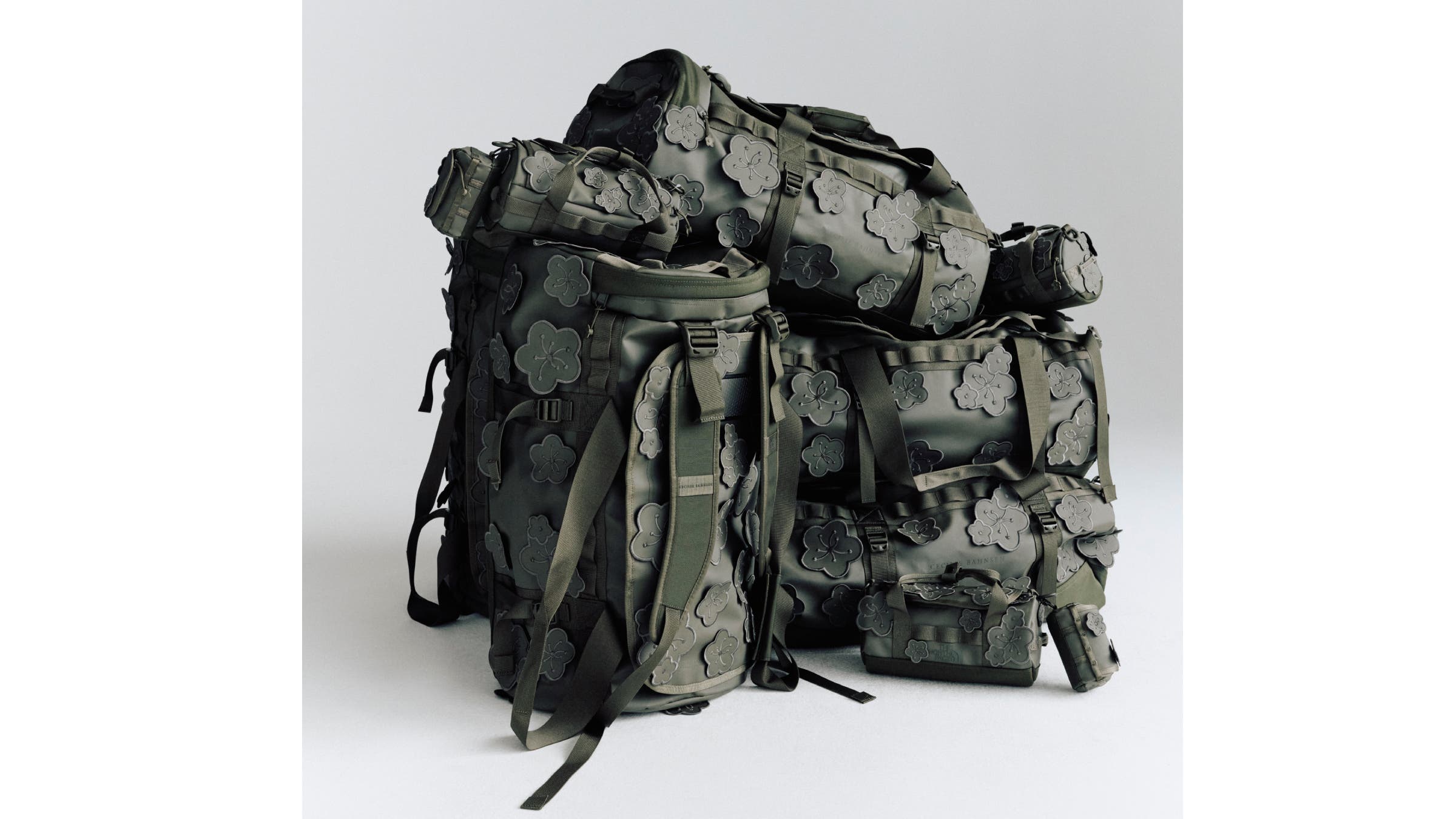
Major legacy brands have actively leaned into this convergence through high-profile design collaborations that intentionally blur the line between wilderness functionality and high fashion. Recent campaigns—such as The North Face partnering with Skims and collaborating with Danish designer Cecilie Bahnsen to produce Base Camp duffels adorned with floral appliqués—demonstrate a deliberate effort to capture diverse, style-conscious consumer segments.
David Whetstone, design director of global collaborations at The North Face, dismisses criticisms that lifestyle-oriented partnerships detract from a brand’s technical authenticity. “When we did Skims, we had real athletes, some of the best skiers in the world, in that campaign,” Whetstone states. “But we also invited people to the mountain, period.”
Similarly, Nike’s relaunch of the ACG line reflects a calculated response to shifting market demographics. Margaret Mussman, senior design director for Nike ACG, explains that the advanced material used in the Radical AirFlow shirt originated within Nike Innovation before rigorous athlete testing identified trail running as its ideal performance application. However, the overarching marketing strategy remains intentionally inclusive. “We like to say we’re building for the wild one,” Mussman notes. “We like to think of all the ways that people get outside and continue to encourage that behavior.”
Implications for the Future of Outdoor Culture
The commercial success of hybrid apparel lines has initiated a broader qualitative elevation across the entire outdoor sector. Hadley Hammer, a former professional big-mountain skier and co-founder of the outdoor-fashion publication Togs, observes that the influx of streetstyle influences has compelled legacy technical brands to modernize their design language. Emerging market entrants like Hikerkind and Halfdays—alongside fast-fashion and lifestyle giants such as Zara and Vuori—have collectively expanded the aesthetic boundaries of outdoor culture.
From an analytical perspective, this cultural porousness offers significant advantages for both participation rates and industry economics. By lowering psychological barriers to entry associated with traditional, highly uniform outdoor gear, lifestyle-integrated apparel functions as an accessible gateway for broader demographics. As outdoor spaces and urban environments continue to intersect, the cultural footprint of technical apparel remains less insular, less siloed, and increasingly reflective of a diverse, modern consumer base.



 Chandra Hamzah
 Tatiana Tantri Indah Sari