
 Anjar Salim
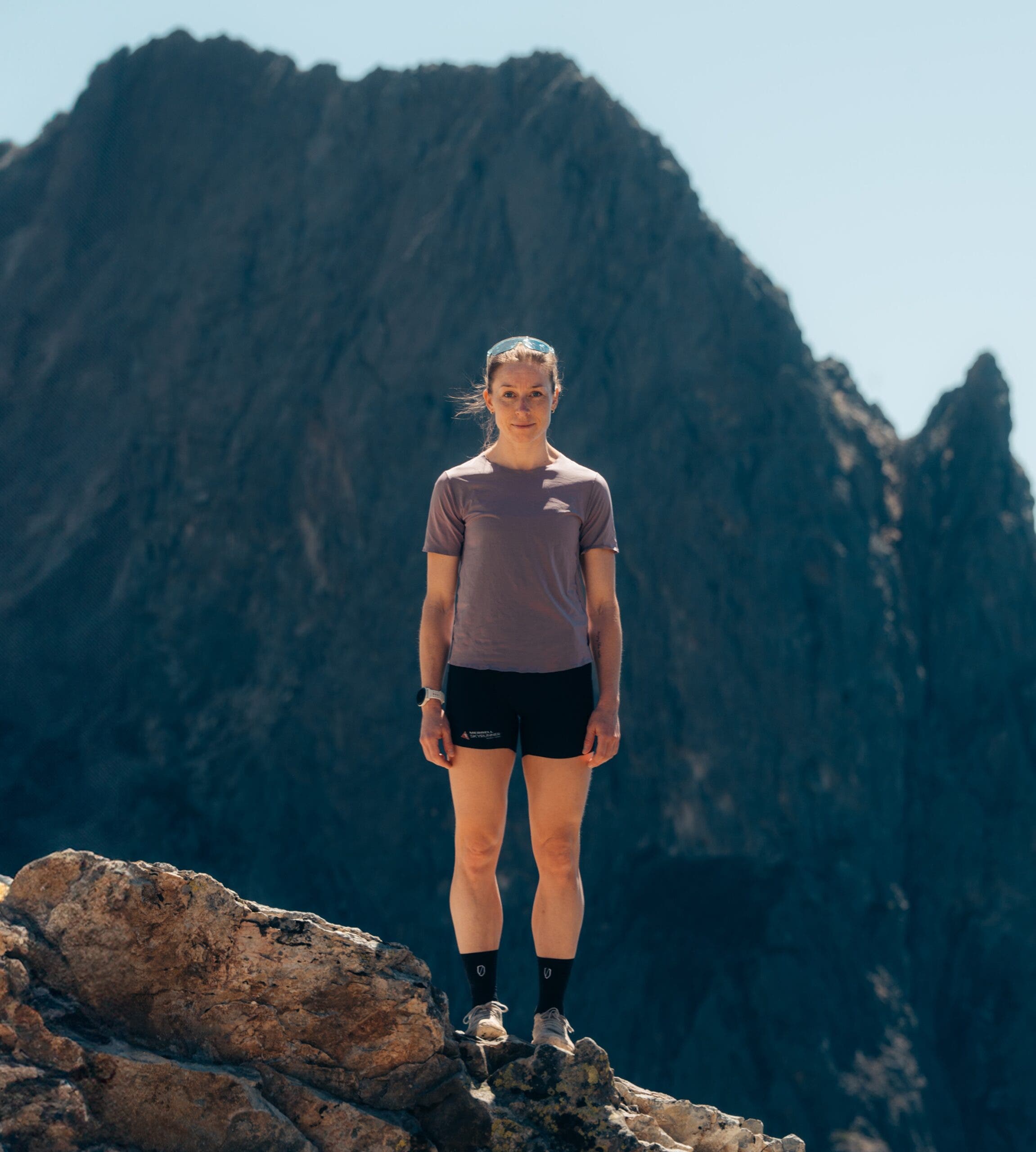
Italian authorities have officially suspended the extensive search-and-rescue operation for 38-year-old Canadian elite trail runner and skyrunner Kalie McCrystal, who vanished without a trace during a reconnaissance descent of the Matterhorn. McCrystal, an accomplished mountaineer who famously traded a successful career in corporate law for the demanding world of extreme high-altitude endurance sports, successfully reached the 14,682-foot summit on September 1, 2026. Witnesses observed her moving smoothly and purposefully along the technical route before she completely disappeared during her descent down the mountain’s Italian side.
Following a grueling week of scouring the treacherous, vertical rock faces and crevasse-ridden glaciers of the Pennine Alps, local mountain rescue teams and Italian authorities made the difficult decision to call off the active search on September 8. The disappearance of the methodical and highly qualified athlete has left the international skyrunning community, her close friends, and her family bewildered and grieving. Despite broad daylight, ideal movement, and extensive familiarity with the terrain, the precise whereabouts of the experienced mountaineer remain completely unknown, raising difficult questions about the inherent risks associated with chasing fastest known times (FKTs) in ultra-technical alpine environments.
Anatomy of the Route: The Perils of the Lion Ridge
Rising starkly along the border between Switzerland and Italy, the Matterhorn is globally recognized as one of the world’s most formidable and majestic peaks. Standing at 14,692 feet, the mountain is characterized by its dramatic, isolated pyramid shape and steep, precipitous faces that demand absolute precision from anyone attempting to scale them. Explorer Edward Whymper achieved the first documented ascent of the peak on July 14, 1865, a historic milestone that was tragically marred by a fatal accident during the descent.
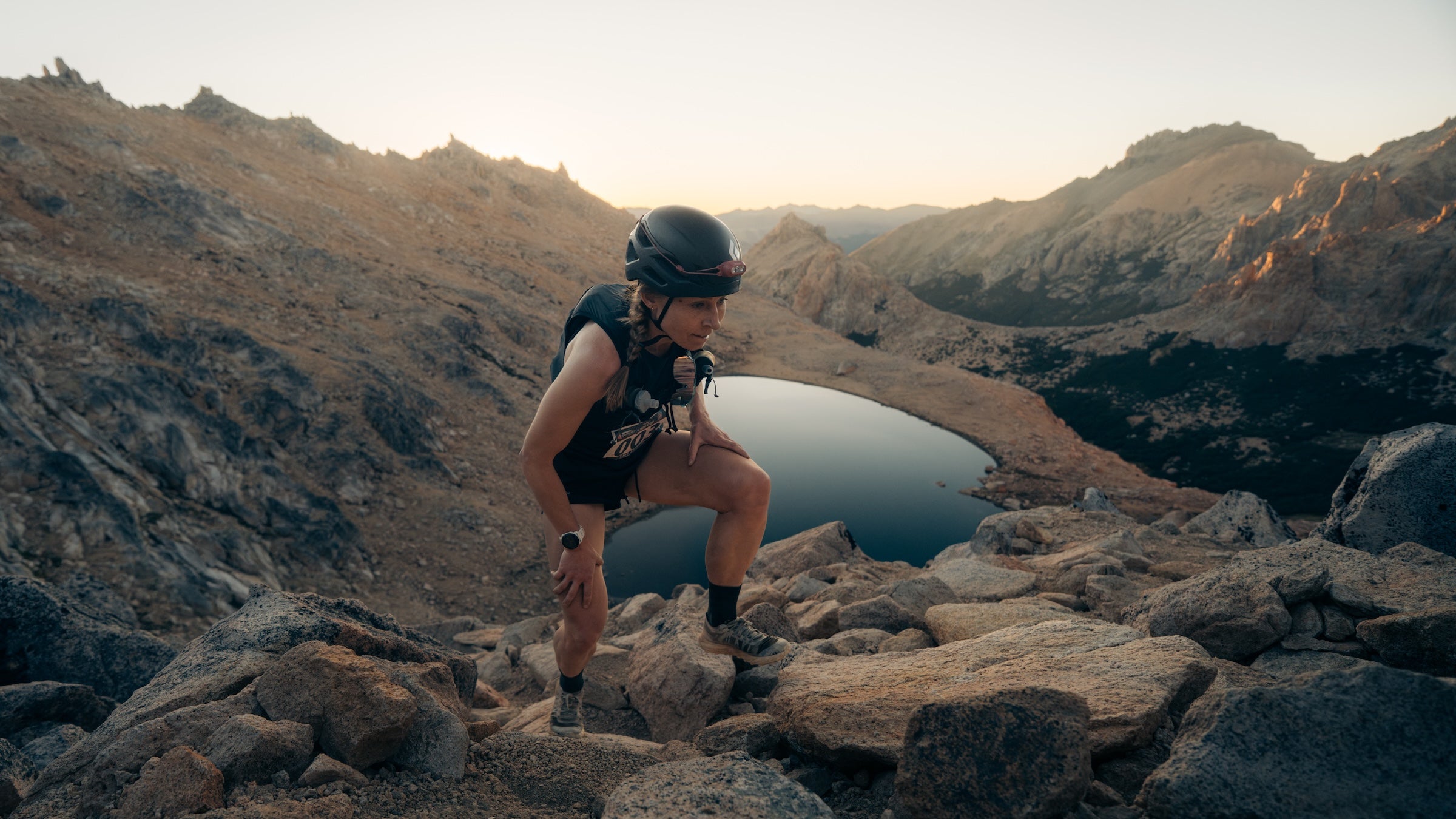
In the decades since Whymper’s inaugural climb, the mountain has averaged approximately 3,000 successful summits per year, primarily during the narrow summer-to-early-fall window when lower elevations are relatively clear of deep snow accumulation. However, this high volume of traffic is counterbalanced by a grim safety record. According to data from the Zermatt Tourism Board, the Matterhorn has claimed more than 600 lives since 1865, averaging roughly six fatalities annually due to rockfall, sudden weather shifts, technical slips, and extreme exposure.
McCrystal was attempting to scout the Lion Ridge—the primary technical route ascending the mountain from the Italian side—in preparation for an official FKT attempt. The route is notoriously demanding, requiring sustained scrambling, delicate rope work, and intense physical exertion across thousands of feet of sheer vertical exposure. Unlike traditional trail running paths, skyrunning combines high-altitude running with mountaineering skills, forcing athletes to navigate loose, unstable rock, narrow ledges, and sheer cliffs where a single misstep can result in catastrophic consequences.
A Detailed Chronology of September 1, 2026
The sequence of events leading up to McCrystal’s disappearance has been meticulously pieced together through accounts provided by fellow elite athletes, local guides, and international climbing witnesses stationed along the mountain.
- Early Morning: McCrystal reviewed favorable local reports regarding route conditions on the Lion Ridge. Having previously deferred her FKT aspirations earlier in the season due to severe weather and deteriorating trail conditions, she recognized a narrow window of opportunity to challenge Karina Anderson’s reigning FKT of 5 hours, 14 minutes, and 53 seconds, which had been set less than a month prior on August 9.
- 12:00 PM – 2:15 PM: McCrystal commenced her reconnaissance run. Italian mountain guides reported sighting her moving upward near the Mauvais Pas—a heavily exposed rock ledge whose name literally translates to "bad step"—at approximately 2:15 PM. Witnesses noted that she was maintaining a steady, composed pace as she approached the upper stretches of the climb.
- Summit Arrival: Swiss rescue officials stationed in an operational office utilized a high-powered telescope trained on the Matterhorn. Observers positively identified McCrystal at the summit, verifying her physical presence and even distinguishing the specific apparel she was wearing. Observers confirmed she displayed no signs of distress or physical exhaustion.
- 3:45 PM: After completing her brief summit stop, McCrystal initiated her descent. Polish climbers encountered her near the Enjambée, a precarious and narrow rock gap situated at approximately 14,000 feet. This marked the final confirmed visual sighting of the Canadian runner as she descended the upper ridge in favorable daylight conditions.
- Evening and Initial Alert: When McCrystal failed to check in at her designated post or return by evening, concern quickly mounted among her support network, prompting immediate notifications to local emergency services and initiating the multi-day alpine search effort.
The Life and Legacy of an Elite Skyrunner
Kalie McCrystal’s journey to the upper echelons of international skyrunning was as unconventional as it was inspiring. After establishing a successful career as a corporate lawyer, she consciously chose to pivot away from the traditional office environment, dedicating her rigorous work ethic and meticulous planning skills to endurance mountaineering. Within just a few short years of entering the sport, she ascended to the competitive world stage, earning acclaim for her exceptional proficiency on technical, high-altitude terrain.

Friends and peers have widely characterized McCrystal as a disciplined, methodical athlete who approached mountain safety with the utmost seriousness. Amelia Boultbee, a former law school classmate, noted that McCrystal naturally assumed the role of the organized planner within her peer group, bringing that same level of deliberate preparation to her athletic endeavors. Hillary Gerardi, a renowned Black Diamond Global Athlete who holds multiple prestigious records—including the women’s speed records on the Chamonix to Zermatt Haute Route Ski Traverse and Mont Blanc—emphasized McCrystal’s unique talent for moving swiftly and safely across extreme terrain where others would hesitate.
Beyond her athletic achievements, McCrystal was deeply integrated into the trail running community through her warmth, humor, and generosity. Friends frequently shared anecdotes of her organizing elaborate community events, such as orchestrating Easter egg hunts deep within the Squamish forests of British Columbia. In the wake of her disappearance, Gerardi traveled to Chamonix, France, to support McCrystal’s mother and sister, balancing shared grief with fond recollections of her vibrant personality and unwavering positivity.
Official Response and Search Operations
The search-and-rescue operation mobilized immediately following the report of her overdue return, drawing upon the expertise of Italian and Swiss alpine rescue units, specialized canine tracking teams, and aerial helicopter reconnaissance. Rescuers faced immense logistical challenges, including unpredictable alpine weather patterns, freezing nocturnal temperatures, and the inherent dangers of searching the sheer vertical drops of the Lion Ridge.
Despite deploying advanced technical resources over a continuous seven-day period, search teams were unable to locate any physical evidence or gear belonging to the missing runner. On September 8, Italian authorities formally suspended active ground and aerial searches, concluding that the probability of locating a survivor in the targeted sectors had diminished to zero given the passage of time and extreme environmental conditions.
Broader Implications for Extreme Mountaineering and FKT Culture
The disappearance of Kalie McCrystal has sent profound ripples through the global trail running and skyrunning communities, igniting serious discourse regarding the safety parameters of chasing Fastest Known Times on high-consequence peaks. As the sport of skyrunning experiences a massive surge in global popularity, athletes are increasingly pushing the boundaries of speed and technical capability in environments historically reserved for traditional, slower-paced mountaineering expeditions.
Industry analysts and veteran alpinists point out that the pursuit of FKTs inherently introduces elevated risk profiles. Unlike traditional mountaineering—which often relies on heavy packs, extensive rope systems, and conservative pacing—skyrunners favor lightweight, minimalist gear setups to maximize speed and agility. While this methodology allows elite athletes to conquer massive vertical gains in remarkably short windows, it leaves an extremely narrow margin for error should unexpected environmental hazards, rockfall, or subtle physical miscalculations occur.
Safety advocates emphasize that even the most meticulous planning, comprehensive reconnaissance, and world-class technical skill cannot entirely eliminate the objective dangers inherent to high-altitude giants like the Matterhorn. As the international mountain sports community processes the loss of a beloved athlete, the incident serves as a sobering reminder of the unforgiving nature of the Alps and the profound emotional toll exacted by the relentless pursuit of human limits in vertical terrain.




 Chandra Hamzah
 Tatiana Tantri Indah Sari
 Budi Mulyono
 Lukman Taruna Persada Ramadan