
 Anjar Salim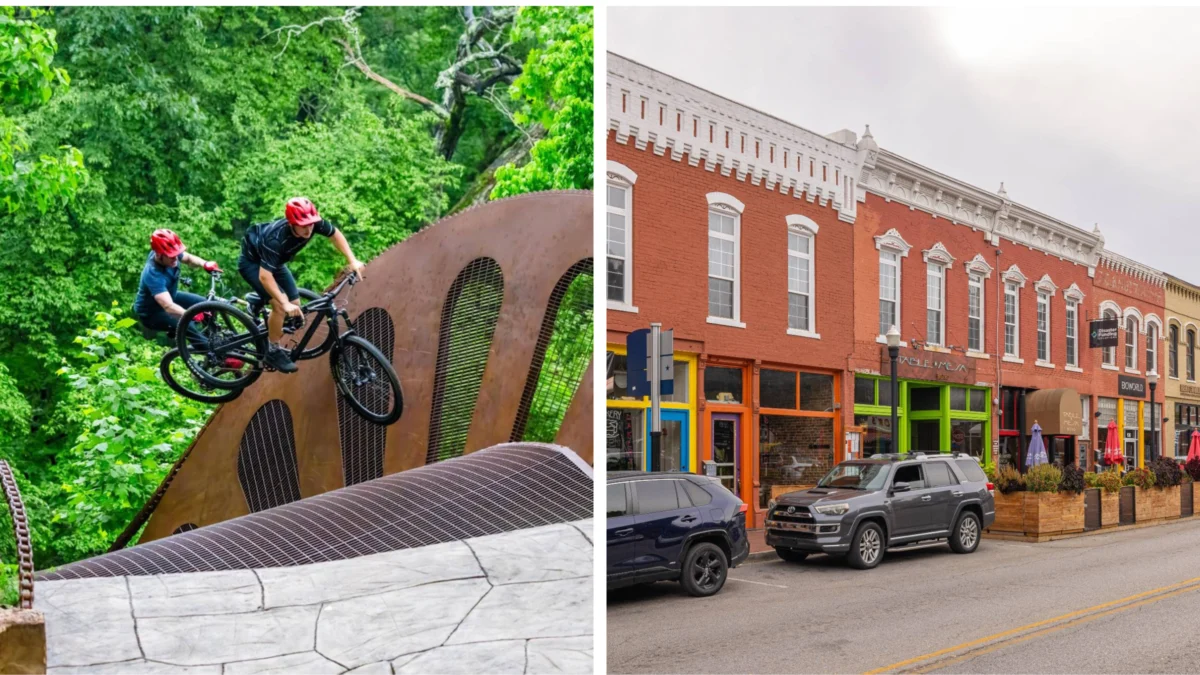
The transition of mountain biking from a niche, counter-cultural activity in the 1980s to a primary driver of municipal economic development in the 21st century represents one of the most significant shifts in American outdoor recreation. Once considered a "fringe" sport practiced by enthusiasts on repurposed cruiser bikes, mountain biking is now a cornerstone of the $1.1 trillion outdoor recreation economy, according to data from the U.S. Bureau of Economic Analysis (BEA). Today, the presence of high-quality singletrack is not merely an amenity for residents; it is a recruitment tool for corporations and a vital revenue stream for rural and mid-sized municipalities across the United States.
To determine the premier mountain bike destinations in the country, a combination of quantitative data—such as total mileage and elevation diversity—and qualitative factors, including community "vibe" and infrastructure support, must be analyzed. The following seven towns represent the pinnacle of this integration, where fat-tire cycling has moved from the outskirts of town into the center of the local identity.
7. Duluth, Minnesota: The Urban Singletrack Model
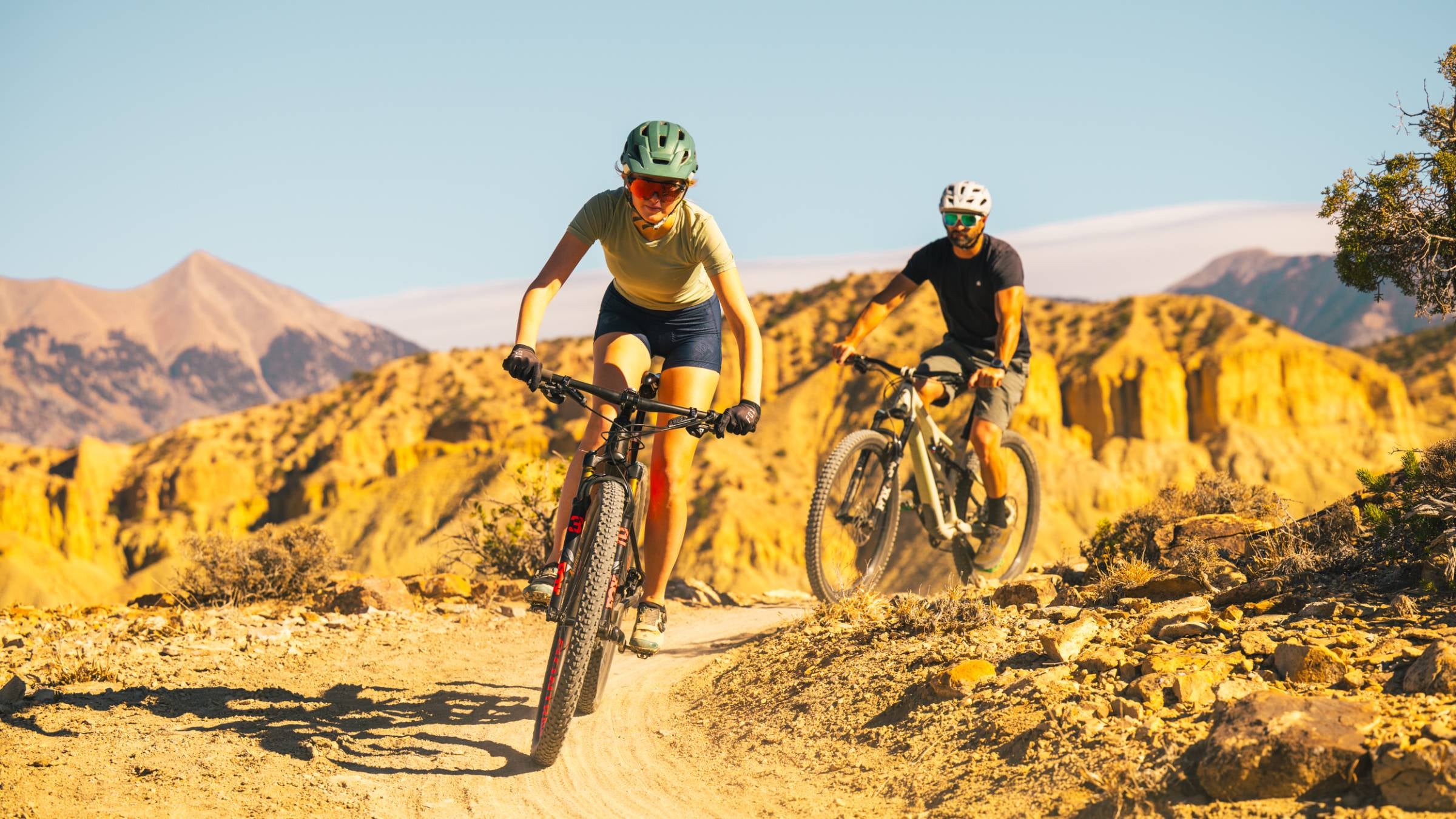
Duluth, a historic seaport on the shores of Lake Superior, has successfully pivoted from a purely industrial economy to a diversified model that prioritizes outdoor tourism. The city’s transformation is anchored by the "Duluth Traverse," a 42-mile multi-use trail system that connects various neighborhoods and parks within the city limits.
Economic Context and Infrastructure
The Cyclists of Gitchee Gumee Shores (COGGS), a local nonprofit, has been instrumental in developing over 110 miles of trail. The city’s topography—defined by a massive rocky ridge overlooking the lake—allows for diverse riding experiences, from the beginner-friendly flow of Mission Creek to the lift-served gravity trails at Spirit Mountain.
Broad Impact
Duluth serves as a case study for urban trail integration. By placing trails within pedaling distance of residential areas and breweries, the city has fostered a "ride-to-the-trail" culture that reduces the need for vehicular transport. This accessibility has spurred a burgeoning culinary and craft beer scene, with establishments like Bent Paddle Brewing and Ursa Minor Brewing catering specifically to the post-ride demographic.
6. Park City, Utah: The High-Altitude Gold Standard
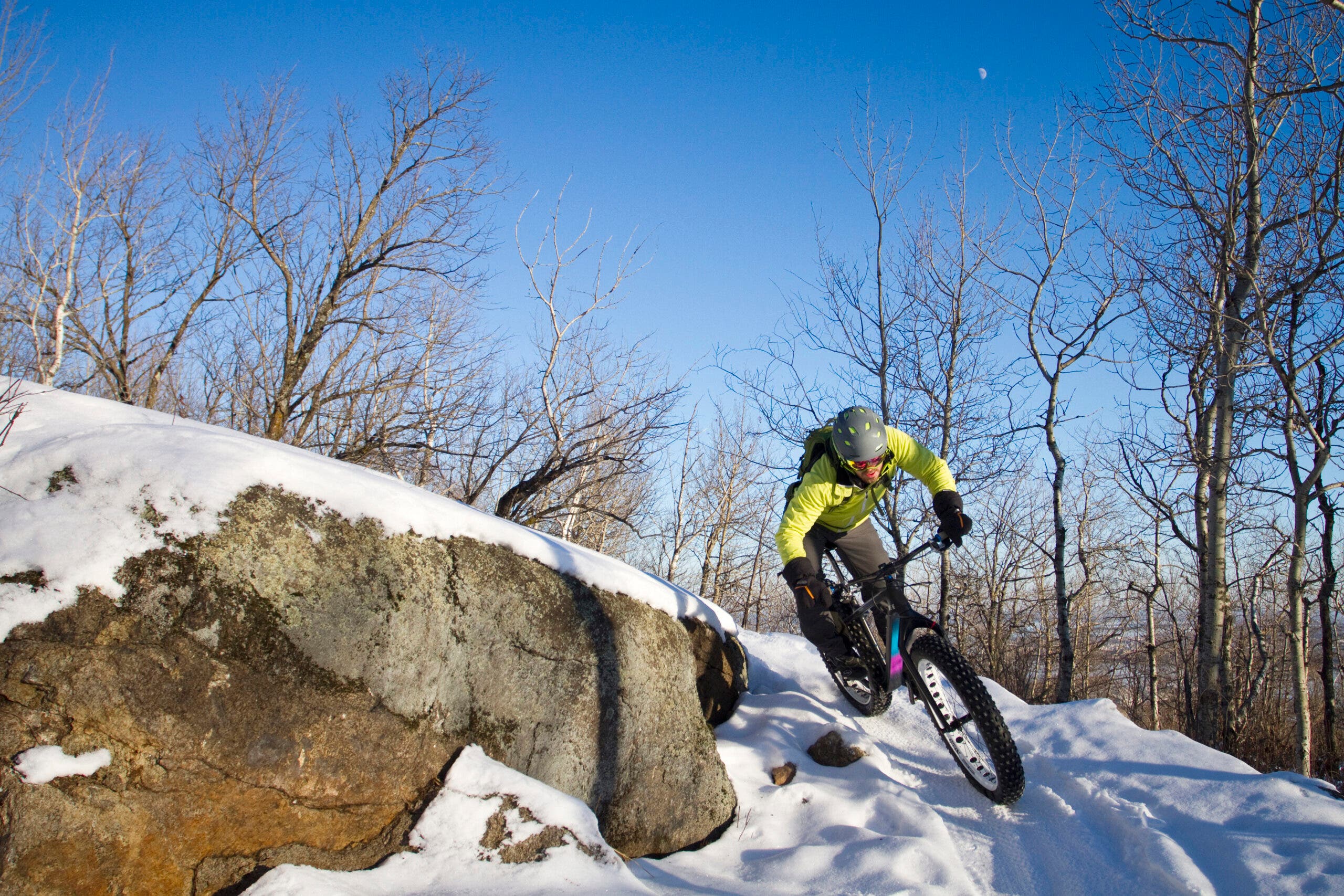
Park City is widely recognized as a premier winter destination, but its summer economy now rivals its ski season in terms of activity. It was the first location to receive the "Gold-Level Ride Center" designation from the International Mountain Bicycling Association (IMBA), a title reserved for destinations that offer a world-class trail experience for all skill levels.
Chronology of Development
The infrastructure for mountain biking in Park City leveraged existing ski resort facilities. As the ski industry faced shorter seasons due to climatic shifts, the conversion of ski lifts to bike carriers provided a year-round revenue stream. The city now boasts over 400 miles of interconnected trails.
Supporting Data
The city operates a free public transit system with bike racks, connecting the historic Main Street to various trailheads. Woodward Park City and Trailside Bike Park provide specialized environments for skill progression, ranging from asphalt pump tracks to professional-grade jump lines. The Mid Mountain Trail, hovering at 8,000 feet of elevation, remains the region’s flagship cross-country experience.
5. Oakridge, Oregon: The Post-Industrial Recovery
Located in the heart of the Cascade Mountains, Oakridge is a former timber town that has redefined itself through the "Timber-to-Trails" movement. Following the decline of the logging industry in the late 20th century, the community faced significant economic hardship. Local leaders and trail advocates recognized that the vast network of old logging roads could be repurposed to access pristine singletrack.
The Enduro Epicenter
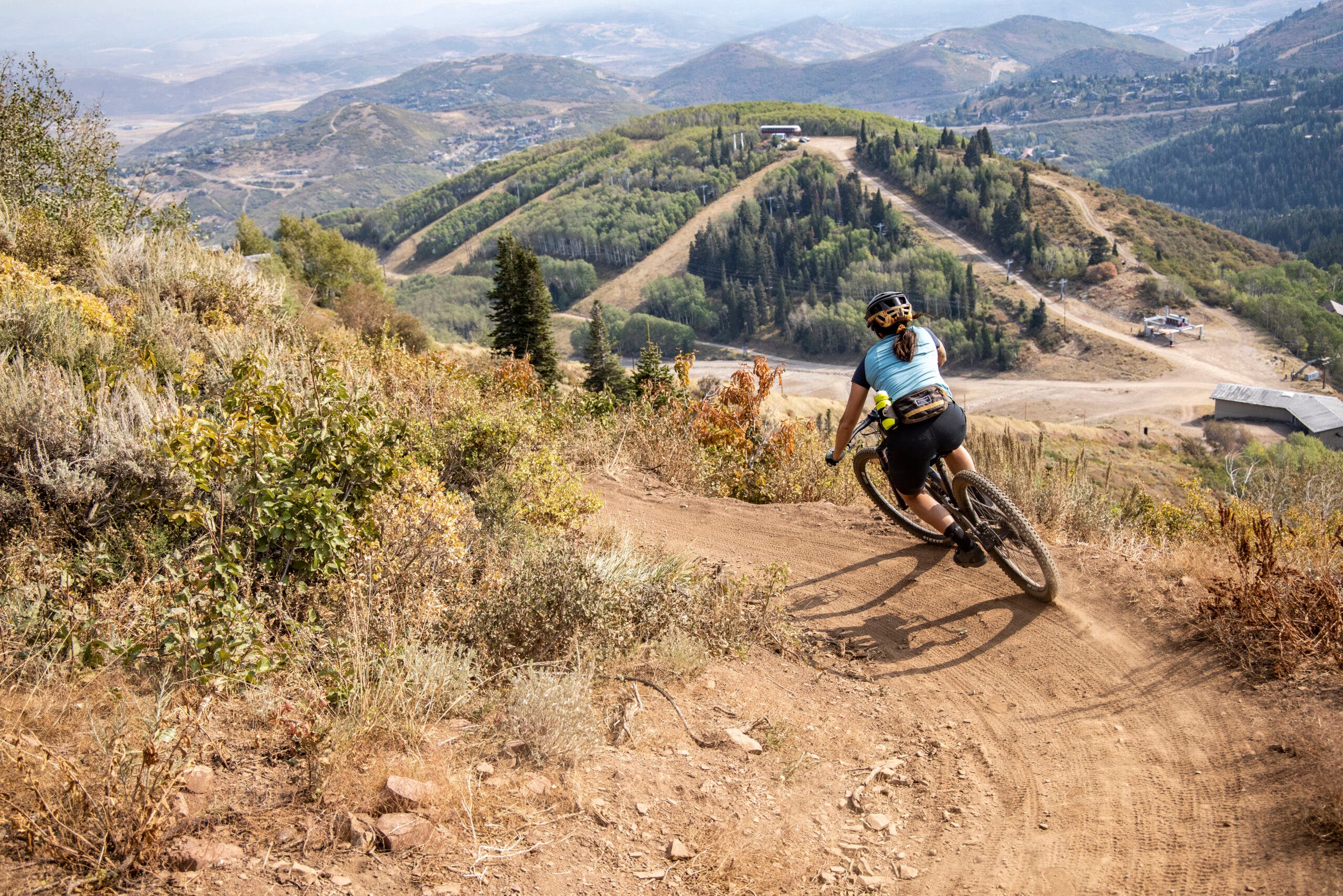
Oakridge and its neighbor, Westfir, offer more than 300 miles of trails characterized by deep loam and dense Douglas fir forests. The region is famous for the Alpine Trail, a 15-mile descent that drops 4,000 vertical feet.
Economic Implications
The town has seen a resurgence in small-business growth, specifically in the shuttle and hospitality sectors. Shuttle companies now transport thousands of riders annually to the top of ridges, bypassing grueling climbs and maximizing downhill mileage. This "shuttle-ready" infrastructure has made Oakridge a focal point for the "enduro" style of mountain biking, which emphasizes downhill performance.
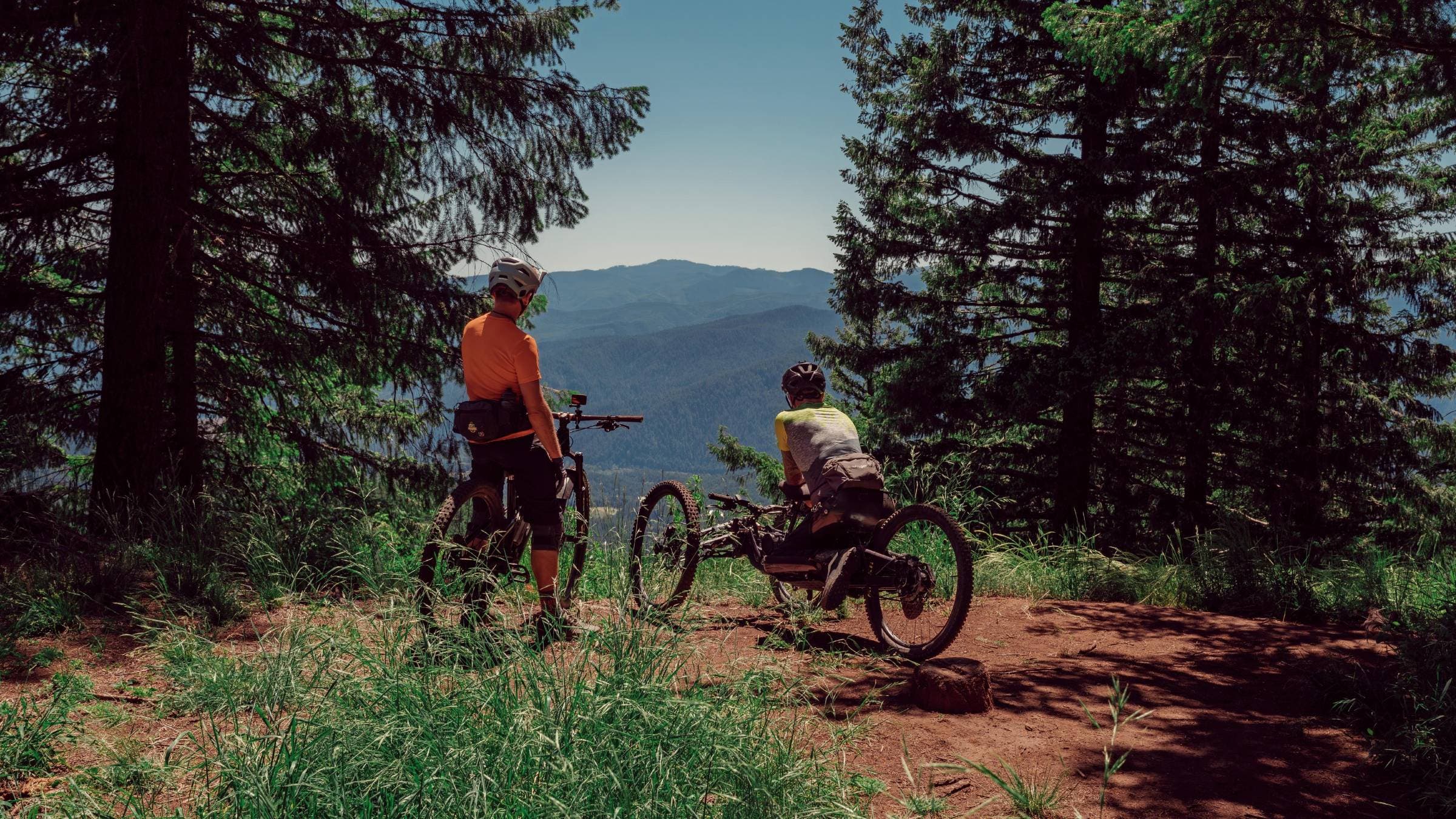
4. Brevard, North Carolina: The Technical Heart of the South
While Asheville often garners more general tourism attention, Brevard (population 8,000) is the functional hub for mountain biking in the Southeastern United States. The town sits at the entrance to Pisgah National Forest and is a short drive from DuPont State Recreational Forest.
Technical Diversity
The trails in Pisgah are renowned for their technical difficulty, featuring "old-school" characteristics such as exposed roots, rock gardens, and steep gradients. Conversely, DuPont offers high-speed "flow" trails and unique "slickrock" granite domes. This variety attracts a wide spectrum of riders, from professional racers to weekend enthusiasts.
Community Integration
The presence of major industry players, such as the Oskar Blues Brewery and various boutique bike components manufacturers, has solidified Brevard’s status. The Hub and Sycamore Cycles act as community anchors, providing both retail services and social gathering spaces. The local economy is now heavily dependent on the "outdoorist" demographic, which supports a vibrant downtown filled with galleries and restaurants.
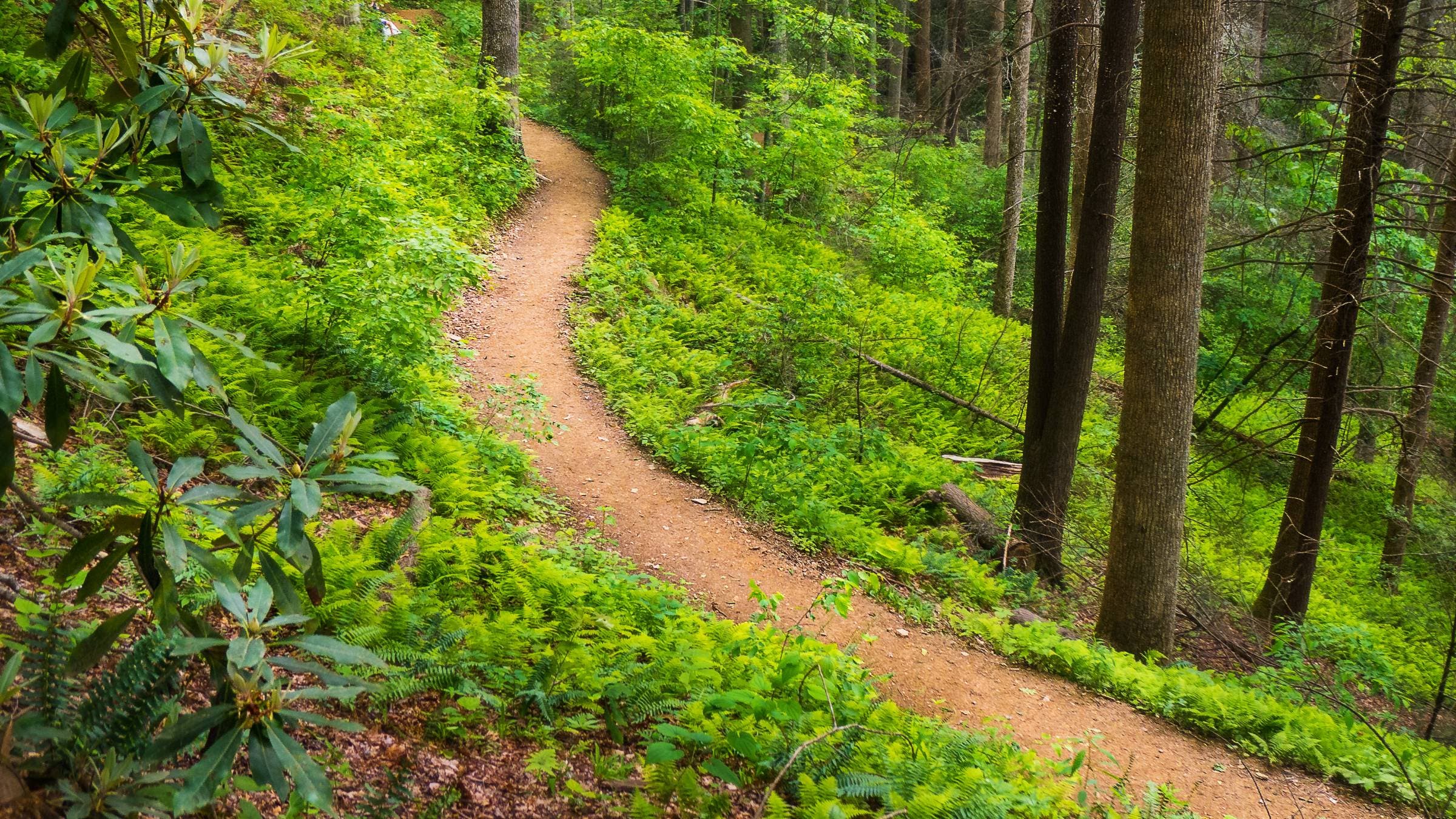
3. Moab, Utah: The Legacy Destination
Moab occupies a unique position as the "original" mountain bike mecca. Since the 1980s, the desert landscape of Grand County has served as the testing ground for mountain bike technology. What began as a destination for the "Slickrock Trail" has evolved into a massive network of modern, purpose-built singletrack.
Historical Context
Moab’s transition from a uranium mining outpost to a global recreation hub occurred in the late 20th century. Today, the town manages a complex balance between two national parks (Arches and Canyonlands) and vast tracts of Bureau of Land Management (BLM) land.
Strategic Trail Planning
Recent developments, such as the Klondike Bluffs system and "The Whole Enchilada"—a 7,000-vertical-foot descent from the La Sal Mountains to the Colorado River—demonstrate a sophisticated approach to trail management. The town’s hospitality sector has adapted with "bike-friendly" hotels and specialized maintenance shops, ensuring that Moab remains a top-tier destination despite increasing competition from newer trail centers.
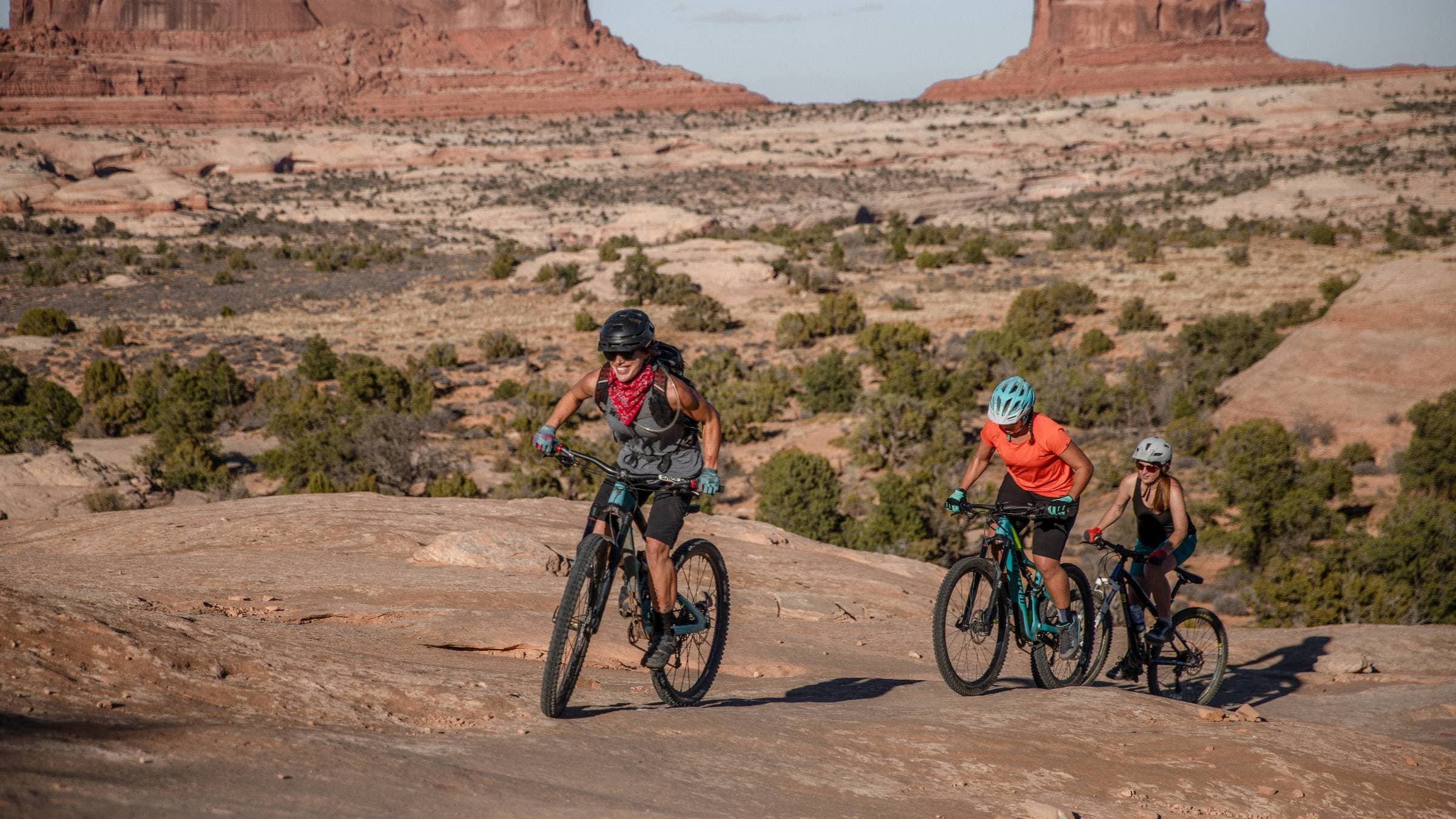
2. Bentonville, Arkansas: The Corporate-Philanthropic Model
The rise of Bentonville as a mountain bike destination is arguably the most rapid and well-funded transformation in the sport’s history. Over the last decade, the town has transitioned from a quiet corporate headquarters for Walmart into a global cycling destination, largely due to hundreds of millions of dollars in investment from the Walton Family Foundation.
The "Singletrack Sidewalk" Concept
Bentonville’s urban planning is unique in that it incorporates trails directly into the city’s transit infrastructure. The concept of "singletrack sidewalks" allows residents to commute to work or school via mountain bike trails. There are 80 miles of trail within the city limits and over 500 miles in the surrounding Ozark Mountains.
Economic and Social Impact
Bentonville has successfully attracted professional cyclists and outdoor industry businesses to relocate to Northwest Arkansas. The upcoming debut of a 200-acre lift-served gravity park in nearby Bella Vista signals continued expansion. The city’s "Bikes are Life" ethos is supported by high-end culinary options and the Crystal Bridges Museum of American Art, creating a "luxury-adventure" hybrid experience.
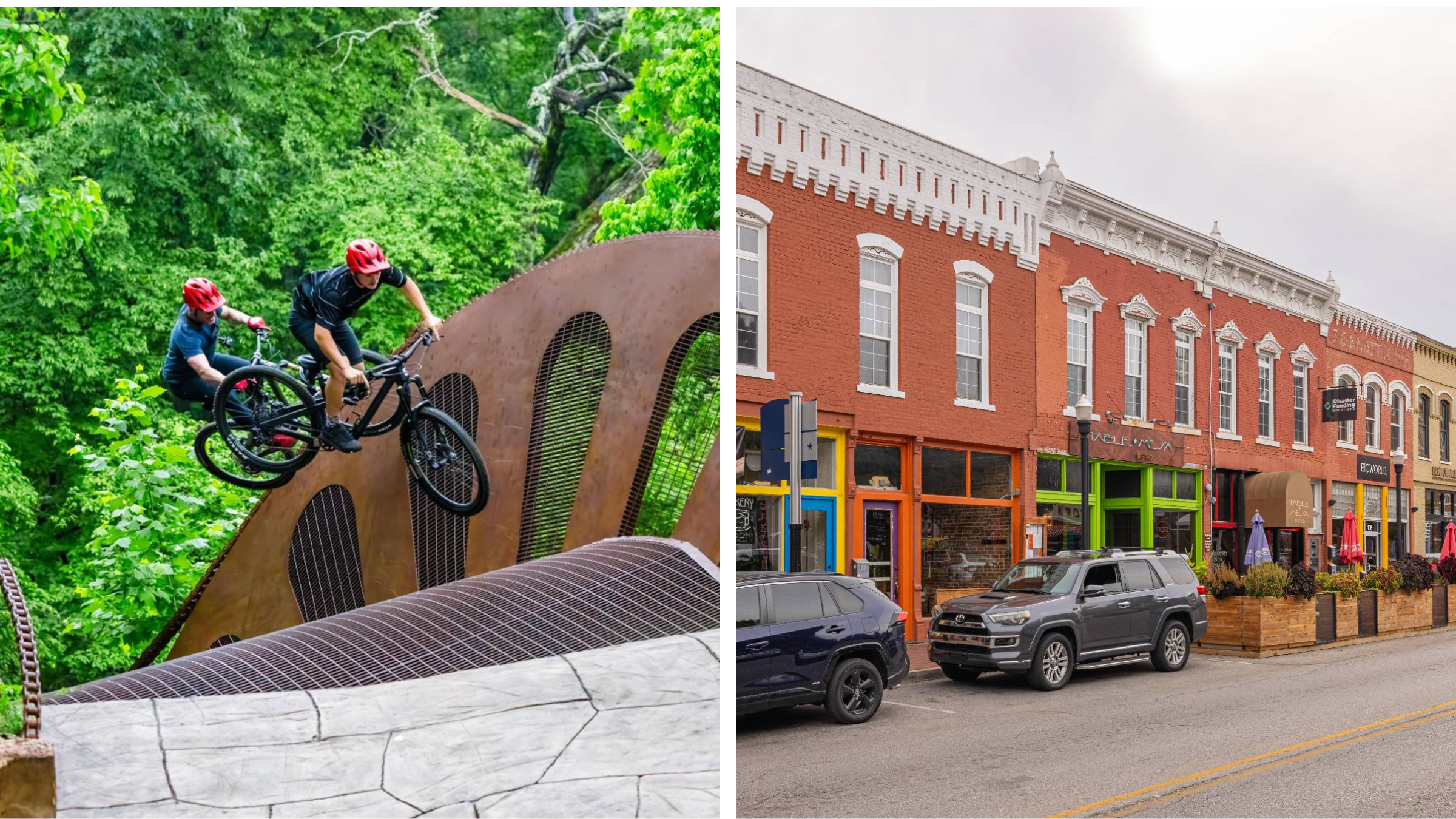
1. Durango, Colorado: The Cultural Pinnacle
Durango holds the top spot due to its deep historical roots, elite athletic pedigree, and immediate trail access. Unlike destinations that require a drive to the trailhead, Durango’s 300-mile network begins where the downtown streets end.
The Racing Legacy
Durango was the host of the first-ever UCI Mountain Bike World Championships in 1990. Since then, the town has produced more professional mountain bikers and Olympic cyclists per capita than perhaps any other city in the U.S. This "college town smarts meets mining town grit" creates an environment where trail advocacy is a civic duty.
Future Outlook and 2030 Bid
The town is currently bidding to host the UCI Mountain Bike World Championships again in 2030, which would coincide with the 40th anniversary of the original event. The development of the 1,800-acre Durango Mesa Park is a key component of this bid, representing a massive expansion of the city’s recreational footprint. With the Colorado Trail’s southern terminus located here, Durango offers a seamless connection between urban amenities and high-alpine wilderness.
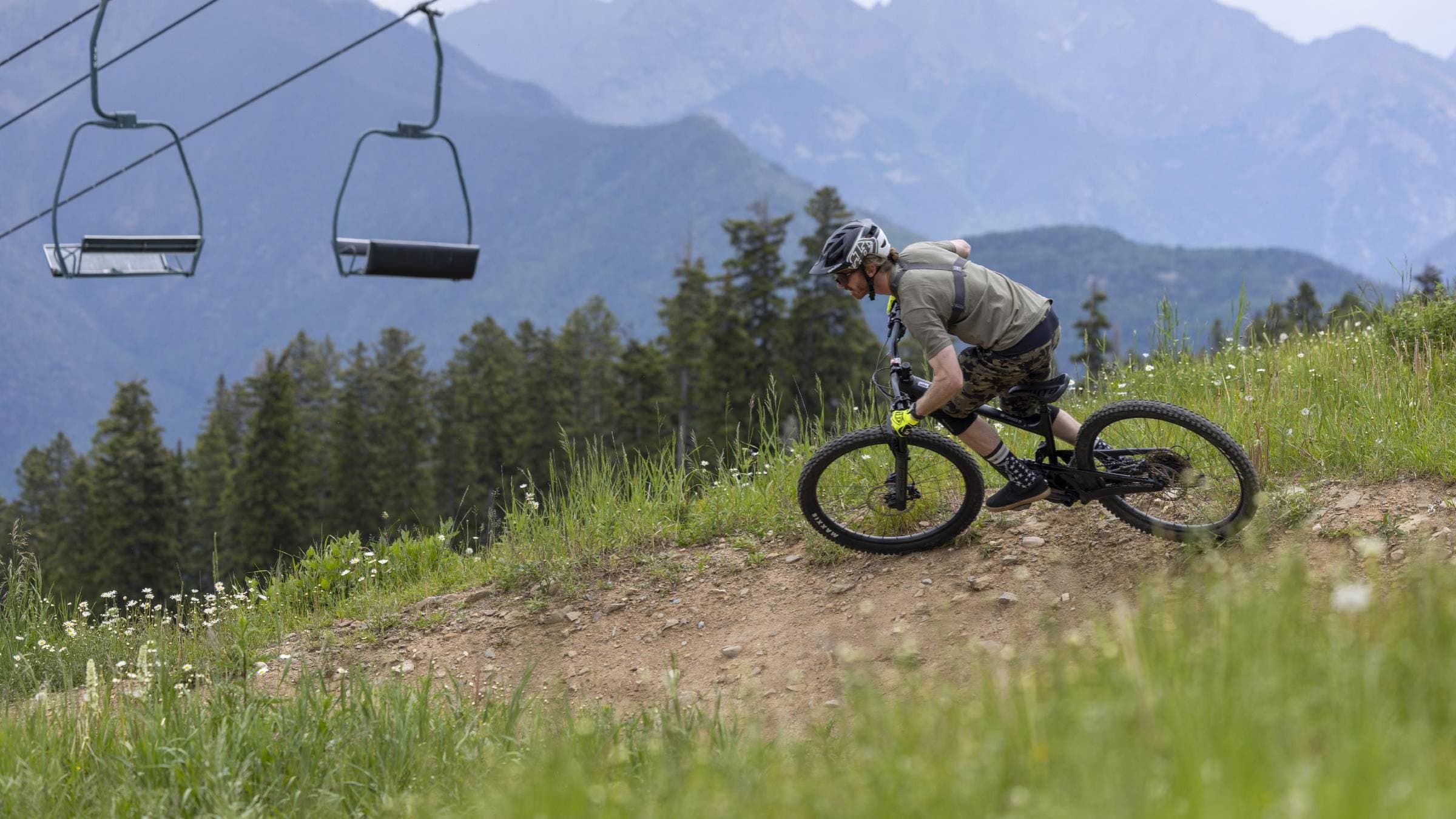
Broader Implications: The Future of Mountain Bike Towns
The success of these seven towns illustrates a broader trend in American economic geography: the "amenity migration." As remote work becomes more prevalent, professionals are increasingly choosing residences based on access to outdoor recreation rather than proximity to traditional industrial hubs.
However, this growth brings challenges. Issues of "amenity-driven gentrification," rising housing costs, and environmental impact on trail systems are now central topics of debate in city council meetings from Moab to Brevard. The sustainable management of these resources will require continued cooperation between local governments, federal land managers, and nonprofit trail organizations.
As mountain biking continues to evolve with the rise of e-bikes and specialized gravity parks, these towns will likely remain the blueprints for how communities can leverage their natural landscapes to build resilient, 21st-century economies. The shift from "outlaw" sport to economic engine is complete; the next phase will be defined by how these communities manage their own success.




 Chandra Hamzah
 Tatiana Tantri Indah Sari
 Budi Mulyono
 Lukman Taruna Persada Ramadan