
 Walid Sujud Trenggono
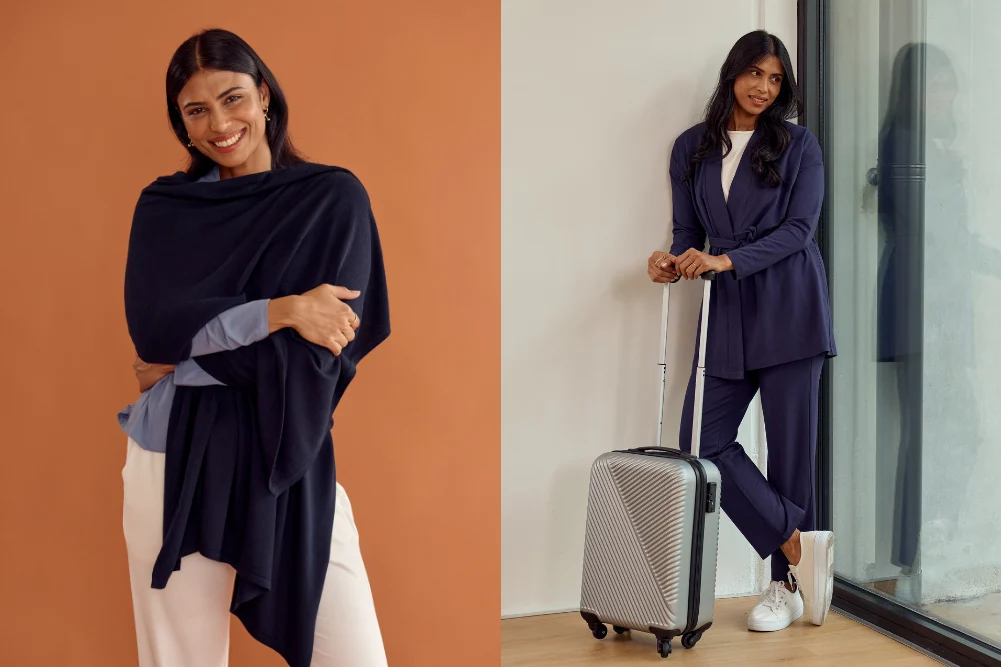
Anyone who has stepped off a long-haul flight feeling stiff, cold, and completely dishevelled understands the profound importance of a well-planned travel outfit. What travellers choose to wear on an aircraft matters immensely—not merely for immediate comfort at 35,000 feet, but for physical well-being, psychological readiness, and overall post-flight recovery. As global tourism rebounds to pre-pandemic levels and international flight durations continue to test the limits of human endurance, the age-old question of what to wear while travelling has evolved from a casual wardrobe choice into a matter of travel science. Whether passengers are embarking on a 14-hour international transit, settling in for a cruise departure, or navigating a cross-continental road trip, getting the travel ensemble right can significantly reduce transit fatigue and smooth the transition from passenger to explorer.
The Evolution of Travel Fashion and Ergonomics
The history of travel attire has undergone a dramatic transformation over the past century. During the golden age of aviation in the 1950s and 1960s, flying was regarded as an elite, formal occasion where passengers routinely donned suits, dresses, and structured coats. As commercial aviation democratized in the late 20th century, comfort rapidly superseded formality, leading to an era defined by ill-fitting athletic wear, heavy denim, and restrictive synthetic fabrics. Today, modern travelers face a unique set of physiological challenges: cabin pressurization, low humidity levels, erratic temperature fluctuations, and prolonged periods of sedentarism.
In response to these demands, the fashion and textile industry has increasingly focused on functional luxury. Australian apparel brand Bamboo Body has spent nearly two decades refining the intersection of sustainable textiles and functional travel wear. Utilizing soft, breathable bamboo-derived fabrics, the brand has tapped into a growing consumer demand for garments that prioritize physiological comfort without sacrificing aesthetic polish. Understanding the science of fabric performance—such as breathability, moisture management, and thermal regulation—has become critical for modern passengers seeking to mitigate the physical toll of long-distance transit.
Taking the Guesswork Out of Transit Dressing
One of the most persistent dilemmas for modern travelers is minimizing decision fatigue while packing. The pressure to look presentable upon arrival—whether greeted by business associates, family members, or hotel concourses—often conflicts with the natural desire for physical relaxation during a journey. To resolve this tension, stylists and travel ergonomists frequently recommend coordinated travel sets.
A matching travel set offers a streamlined solution that eliminates overthinking while maintaining an air of effortless sophistication. Coordinated pieces crafted from soft, flexible textiles take the pressure off packing decisions, ensuring that travelers look polished even after hours spent confined to cramped seating configurations. Key design features, such as elasticized or drawstring waistbands, relaxed silhouettes, and classic tailoring, allow these garments to transition seamlessly from the sterile environment of an airport terminal to the dynamic landscape of a destination’s first stop.
Furthermore, the versatility of neutral color palettes versus vibrant hues allows passengers to tailor their transit wardrobes to personal preferences. According to textile specialists, garments that feature natural stretch and structural integrity resist the deep creasing typically associated with cotton or linen blends, ensuring that travelers emerge from extended transit periods looking as though they have just stepped out of a hotel room rather than an economy cabin.
Mitigating Cabin Climate Volatility
Temperature management remains one of the most critical factors in determining in-flight comfort. Commercial aircraft cabins are notoriously unpredictable environments, subject to rapid shifts dictated by flight duration, passenger density, and airline operational policies. A cabin that feels uncomfortably warm and stagnant during the final stages of boarding can transform into a freezing, drafty space mere hours into a red-eye flight. Passengers who rely solely on thin airline-provided blankets frequently find themselves ill-equipped to combat the dropping ambient temperatures.
To counteract these environmental fluctuations, experienced travelers prioritize versatile outerwear, such as generously sized travel wraps. Crafted from advanced material blends—such as bamboo combined with recycled cashmere—these accessories offer exceptional thermal retention without excessive weight or bulk. A well-designed travel wrap functions as a multi-use asset throughout a journey: it can serve as a stylish scarf or shawl while navigating draughty airport terminals, drape comfortably over the shoulders during flight dining services, or act as an effective blanket when cabin temperatures plummet overnight. The incorporation of sustainable luxury fibers ensures that warmth does not come at the expense of environmental responsibility or skin comfort.
The Strategic Importance of Layering
Beyond outer wraps, the foundational strategy for managing diverse climates involves intelligent layering. Modern journeys rarely involve a single, static environment; instead, travelers routinely transition from the warm ambient temperatures of an outdoor car park to the aggressive air-conditioning of a terminal, onto the recycled air of an aircraft cabin, and finally into an entirely different climate upon arrival.
Attempting to manage these drastic transitions with a single heavy garment is impractical and often leads to overheating or chilling. The most effective approach relies on a modular layering system. Starting with a fitted singlet, lightweight tee, or long-sleeve base layer beneath a primary travel set allows passengers to easily add or remove garments as conditions dictate.
The choice of fabric for these base layers is paramount. Bamboo-derived textiles possess natural thermo-regulating and moisture-wicking properties, meaning they actively assist the body in maintaining a stable core temperature. By drawing perspiration away from the skin and allowing air to circulate, these fabrics prevent the clamidness and discomfort often caused by synthetic materials like polyester or nylon, achieving temperature control without adding bulk or stiffness to the silhouette.
Attending to Minor Details for Major Comfort
While large garments dominate packing lists, physiological research indicates that peripheral extremities play a disproportionate role in overall thermal comfort. Once footwear is removed during a long-haul flight, cold and stiff feet can become a surprisingly intense distraction, disrupting rest and contributing to overall travel fatigue.
The inclusion of specialized socks is a subtle yet transformative addition to any transit strategy. High-quality bamboo socks offer exceptional breathability, inherent hypoallergenic qualities, and a gentle touch against sensitive skin. By accommodating natural foot swelling—a common physiological response to prolonged air travel—and maintaining optimal warmth without constriction, these garments help preserve peripheral circulation over hours of immobility. Though seemingly minor, this tactical adjustment can significantly alter a passenger’s physical state by the time the aircraft touches down.
Arriving Feeling Like Yourself: The Ultimate Objective
The ultimate benchmark of an effective travel outfit is stealth: the ideal transit attire is one that the wearer barely notices throughout the entire journey. By prioritizing soft, breathable fabrics that adapt to bodily movement, regulate temperature fluctuations, and maintain a polished aesthetic without requiring constant maintenance, travelers can effectively neutralize the physical stresses associated with modern mobility.
As the travel and hospitality sectors continue to analyze passenger satisfaction metrics, comfort and wellness have emerged as primary drivers of customer experience. Brands specializing in functional, sustainable apparel are responding to these insights by designing collections specifically tailored to the rigorous demands of transit. For travelers seeking to optimize their next journey, exploring dedicated travel essentials collections offers a reliable pathway toward achieving that elusive goal: stepping off a long-haul flight feeling refreshed, composed, and entirely like oneself.




 Gabriela Annisa

 Lukman Taruna Persada Ramadan

 Tatiana Tantri Indah Sari

 Anjar Salim


 Dwi Wanna
