
 Cholid Fahmi Thalib
The morning meal in Northern Michigan has evolved far beyond a routine prelude to the day’s itinerary, establishing itself as an integral component of the regional tourism and culinary landscape. From century-old alpine village mainstays to waterfront cafes overlooking the Great Lakes, morning dining establishments across the northern Lower Peninsula and Upper Peninsula-adjacent regions provide a vital economic and cultural anchor for local communities. As regional travel patterns shift toward immersive, slow-travel experiences, culinary tourism analysts note that morning dining spots serve as primary economic drivers for downtown districts, bridging the gap between historic preservation and contemporary hospitality.
Economic and Cultural Significance of Regional Morning Dining
The resurgence of independent breakfast houses and specialty cafes across Northern Michigan reflects broader consumer trends prioritizing locally sourced ingredients, historic preservation, and community-centric spaces. According to regional tourism boards, culinary tourism accounts for a substantial percentage of visitor expenditures during the shoulder and peak summer travel seasons. Small-batch bakeries, family-owned diners operating for generations, and modern brunch concepts contribute significantly to local employment and supply chains by partnering with nearby agricultural producers, cherry orchards, and dairy farms.
Industry experts emphasize that these establishments offer more than sustenance; they act as communal hubs where locals and travelers intersect. The operational resilience of these venues—many of which have weathered economic shifts, seasonal tourism fluctuations, and broader supply chain challenges—underscores their foundational role in the regional economy.
Historic Landmarks and Contemporary Brunch Destinations
1. Red Spire Brunch House (Traverse City)
Situated within the historic Mercato at Grand Traverse Commons, the Red Spire Brunch House exemplifies the adaptive reuse of historic architecture for modern culinary enterprises. Located in a former state psychiatric hospital complex transformed into a bustling commercial and residential hub, the restaurant offers an immersive dining environment rich in late-19th-century architectural detail. Culinary operations focus on scratch-made sweet and savory items, prominently featuring regional produce. The integration of local sourcing not only supports Traverse City’s agricultural identity—particularly its renowned cherry and fruit production—but also provides patrons with a hyper-local gastronomic experience. Food policy analysts frequently cite adaptive reuse developments like the Commons as models for sustainable urban planning and heritage tourism.
2. Pancake House (Mackinac Island)
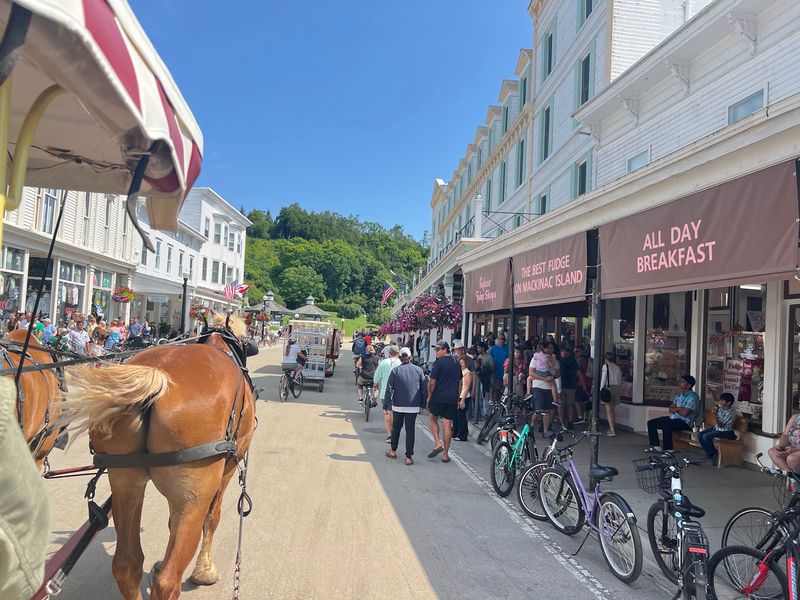
Operating on Main Street for over six decades, the Pancake House represents a fixture of Mackinac Island’s unique car-free commercial district. Serving a continuous breakfast menu adjacent to historic confectionaries like Ryba’s Fudge, the establishment navigates the logistical complexities of operating on an island accessible solely by ferry or air. The endurance of multi-generational businesses on Mackinac Island highlights the delicate balance between historical conservation and commercial viability within a heavily regulated state park environment. The venue’s all-day breakfast model accommodates the fluctuating schedules of tourists exploring the island’s historic Fort Mackinac and surrounding natural landmarks.
3. Ludington Harbor Cafe (Ludington)
Positioned strategically near the municipal harbor, local marinas, and the historic S.S. Badger car ferry dock, the Ludington Harbor Cafe serves as a critical infrastructure touchpoint for travelers navigating the Lake Michigan cross-lake transit routes. Established to cater to early-rising maritime travelers and recreational boaters, the cafe operates from early morning through mid-afternoon. Transportation economists note that proximity to vital transit nodes enhances the operational viability of hospitality businesses in port cities, ensuring a steady influx of transient patrons alongside a loyal local clientele.
4. Sugar Bowl Restaurant (Gaylord)
As Gaylord’s oldest continuously operating restaurant, the Sugar Bowl Restaurant has anchored the city’s Alpine Village commercial district since 1919. The establishment’s century-long tenure provides a compelling case study in generational restaurant management and community resilience. Operating within a city explicitly themed around Swiss-Alpine architecture—a municipal branding initiative launched in the mid-20th century to boost tourism—the Sugar Bowl blends historical continuity with standard American diner fare. Cultural historians point to landmarks like the Sugar Bowl as living archives of Northern Michigan’s mid-century tourism boom.
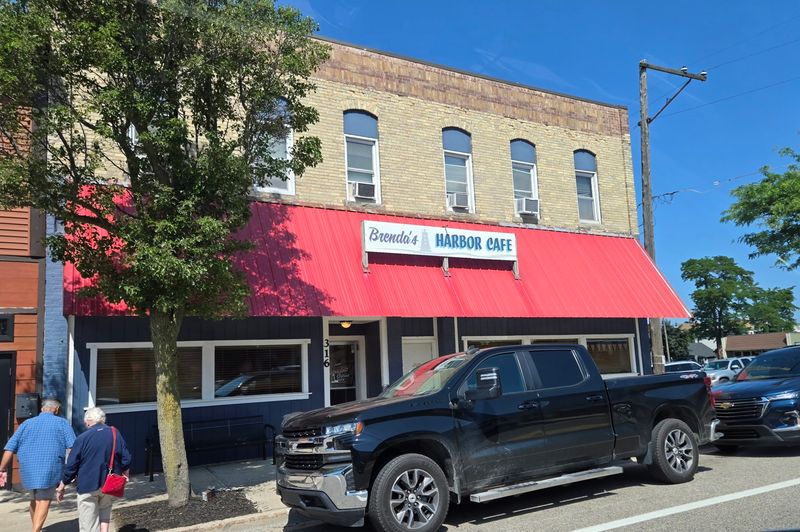
5. Harbor View Cafe (Charlevoix)
Located within Charlevoix’s Oleson Shopping Plaza, the Harbor View Cafe illustrates the modern accessibility of regional dining hubs. Charlevoix, known globally for its unique Earl Young mushroom houses and strategic waterways connecting Lake Michigan, Lake Charlevoix, and Round Lake, experiences intense seasonal population shifts. Cafes operating in these high-traffic corridors utilize extensive, flexible menus—spanning traditional skillets to contemporary handhelds—to efficiently manage diverse tourist demographics while maintaining high-volume service standards.
6. Blue Heron Cafe (Cadillac)
Integrating an on-site scratch bakery with a traditional breakfast menu, the Blue Heron Cafe in Cadillac emphasizes farm-to-table freshness and house-made execution. Located near the Manistee National Forest and the regional lakes, Cadillac attracts outdoor enthusiasts year-round. The establishment’s emphasis on botanical aesthetics and artisanal baking reflects a broader consumer demand for elevated casual dining experiences in non-metropolitan markets, aligning with national shifts toward visible artisanal craftsmanship in food production.
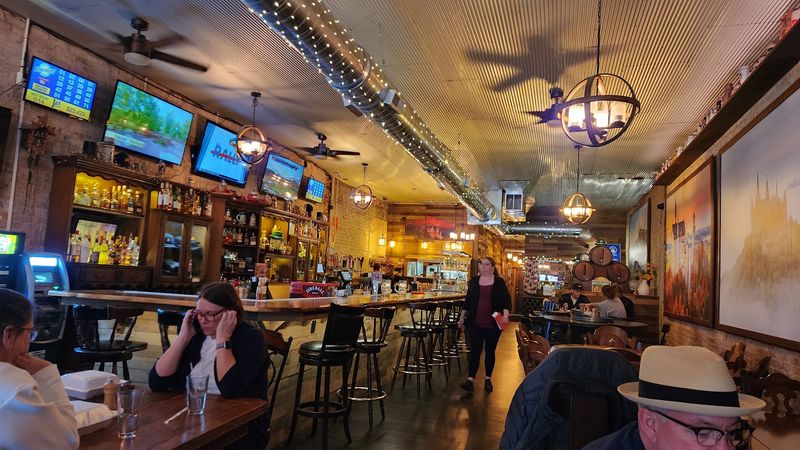
7. The Bungalow Inn (Manistee)
Following significant architectural remodeling, The Bungalow Inn in Manistee successfully blends historic building stock with updated interior spatial design. Family-owned and operated, the restaurant specializes in high-calorie, hearty breakfast selections designed to sustain outdoor recreationists tackling local snowmobile trails, hiking paths, and Great Lakes fisheries. Hospitality consultants observe that comprehensive physical updates are crucial for legacy diners seeking to capture millennial and Generation Z travelers who value both authenticity and modern comfort.
8. Cabin Creek Coffee (Alpena)
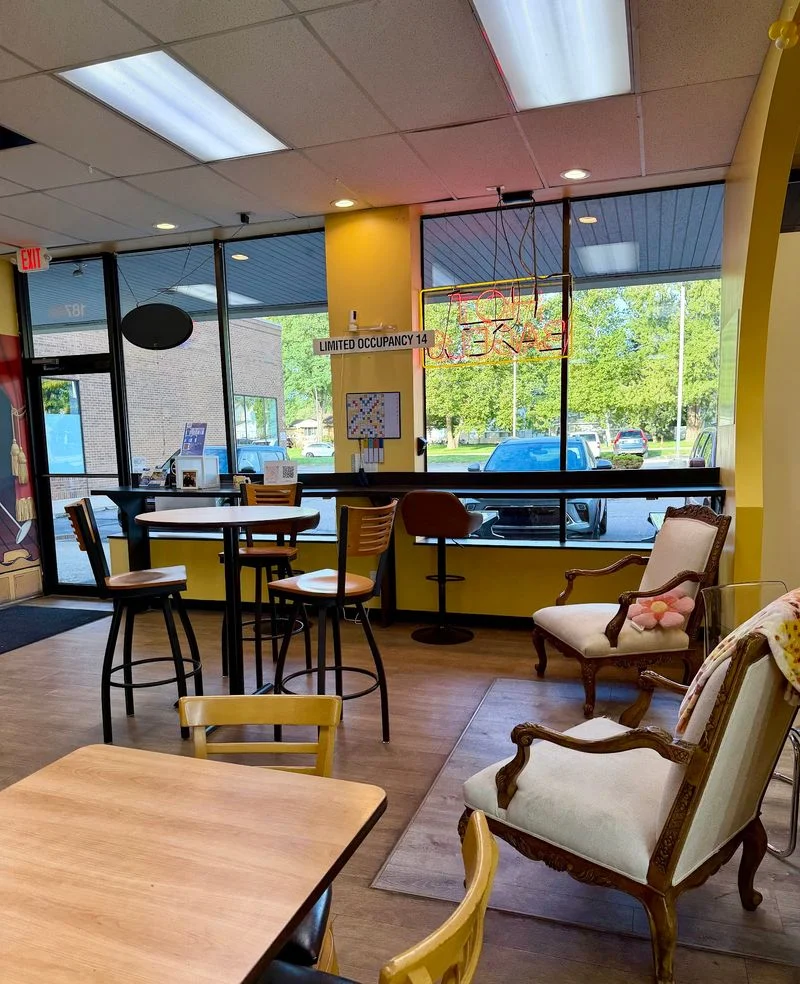
Serving the Sunrise Side of the state, Cabin Creek Coffee in downtown Alpena highlights the modern evolution of the traditional coffeehouse into an all-day hybrid workspace and dining venue. By offering made-to-order breakfast sandwiches alongside an on-site bakery operation, the family-owned enterprise addresses the fast-casual demands of contemporary travelers. Urban planners frequently emphasize the importance of independent coffee shops in activating downtown pedestrian corridors and supporting remote workforce mobility through reliable public amenities like high-speed internet access.
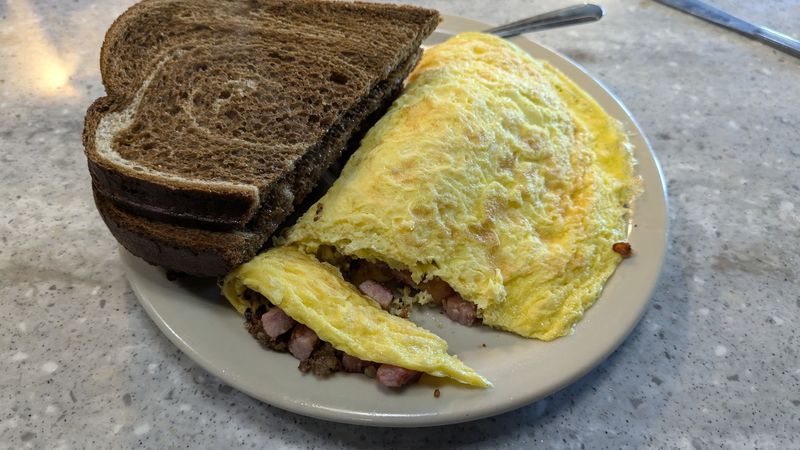
9. 45th Parallel Cafe (Suttons Bay)
Positioned along the 45th parallel north in Leelanau County—a premier viticultural and agricultural region—the 45th Parallel Cafe leverages its geographic positioning to attract culinary tourists exploring regional wineries and Sleeping Bear Dunes National Lakeshore. The establishment’s extensive menu diversity reflects the culinary demands of an increasingly sophisticated visitor base seeking international flavor profiles alongside regional comfort staples. The availability of outdoor dining infrastructure further enhances its capacity to manage seasonal tourist surges.
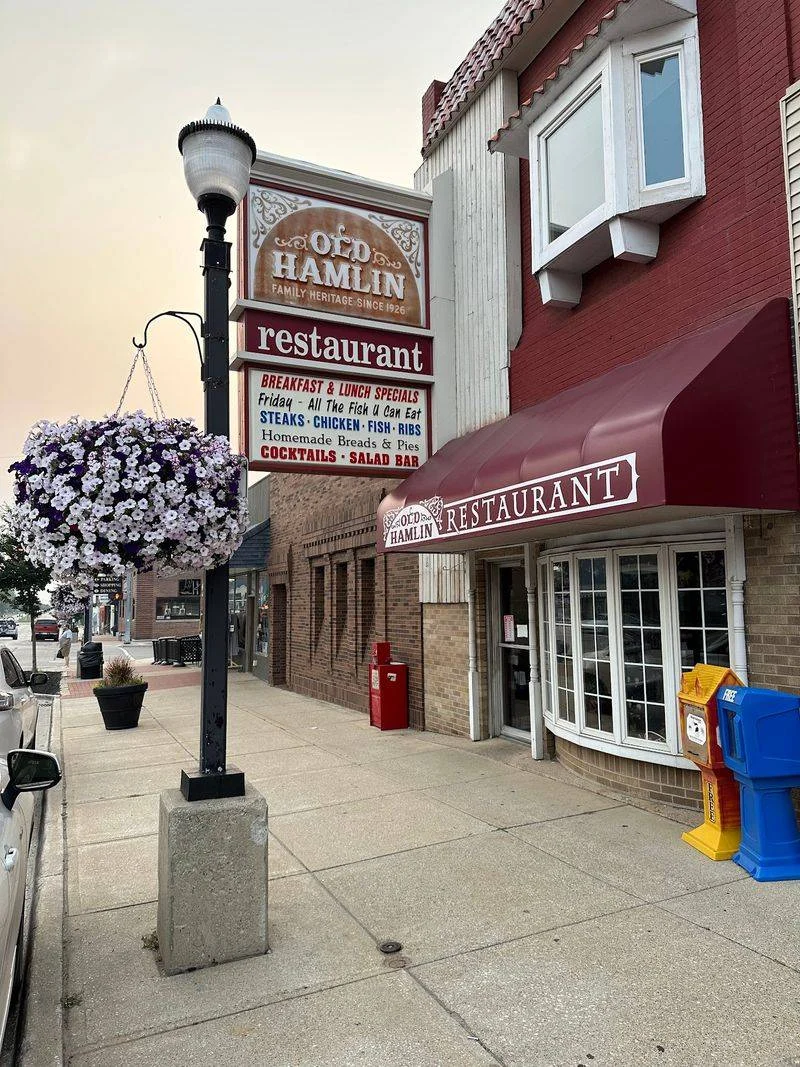
10. Old Hamlin Restaurant (Ludington)
Rounding out the regional landscape, the historic Old Hamlin Restaurant in Ludington underscores the enduring appeal of scratch-made baking and classic American diner culture. Renowned for its proprietary cinnamon rolls and long-standing local presence, the restaurant represents the traditional hospitality model that defined mid-century Michigan highway travel. Food historians maintain that establishments specializing in proprietary, house-baked goods retain exceptional competitive advantages in building generational brand loyalty among regional travelers.

Broader Implications for Regional Hospitality
The sustained popularity of these ten establishments highlights several critical macroeconomic and cultural realities for Northern Michigan. As domestic tourism continues to favor regional road trips and localized exploration, independent food service operators face both unprecedented opportunities and operational hurdles. Labor shortages, seasonal revenue compression, and rising supply costs require these businesses to continually refine their operational models.
Nevertheless, the cultural capital embedded within historic diners and community-focused cafes remains a vital asset for the region. By preserving architectural heritage, supporting regional supply chains, and providing welcoming communal spaces, these breakfast destinations do much more than serve the first meal of the day—they define the enduring identity of Northern Michigan hospitality.


 Anjar Salim

 Diana Nuri Rohmawati

 Gabriela Annisa

 Lukman Taruna Persada Ramadan

 Tatiana Tantri Indah Sari

