
 Anjar Salim
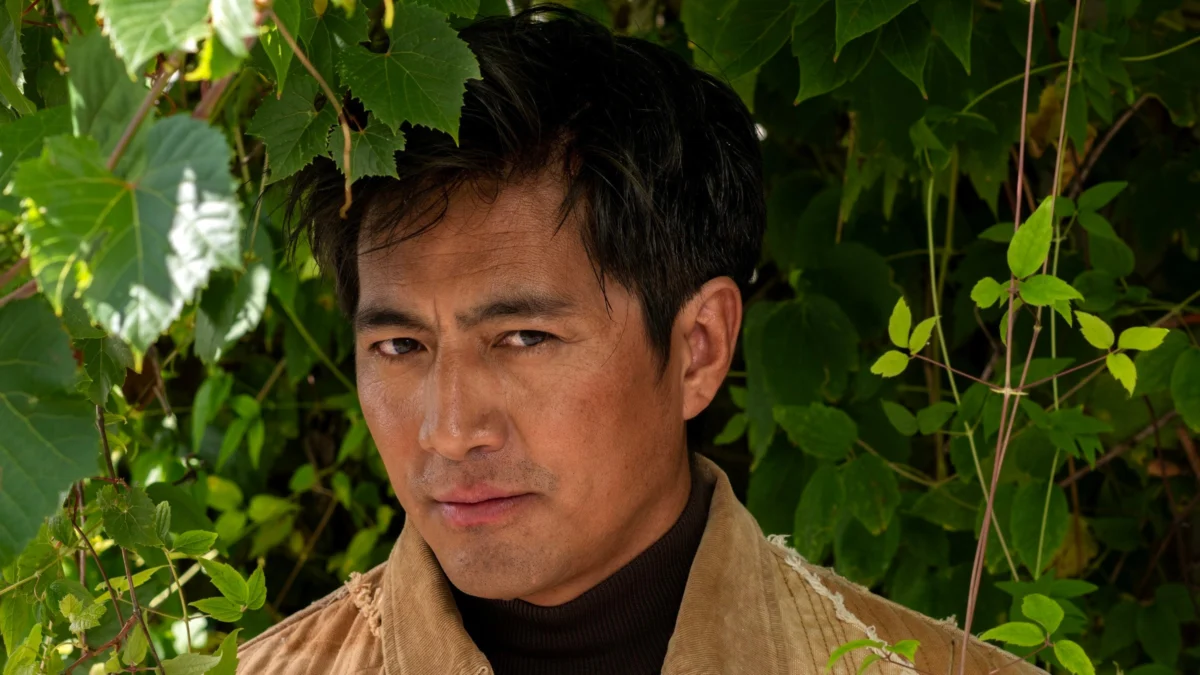
The cinematic landscape of mountaineering has long been dominated by Western narratives, traditionally casting the legendary 1953 first successful ascent of Mount Everest as the exclusive triumph of Sir Edmund Hillary. However, Jennifer Peedom’s upcoming feature film, Tenzing—set for a theatrical release on October 9, 2026, followed by a global streaming debut on Apple TV on October 16, 2026—systematically re-centers the historic narrative. By positioning Hillary as the supporting figure, the film elevates Tenzing Norgay from a secondary historical footnote to the primary protagonist of his own life story. At the heart of this paradigm-shifting project is Tibetan actor Genden Phuntsok, whose transformative portrayal of Norgay bridges decades of cultural oversight and brings international visibility to the human cost and spiritual depth of Himalayan mountaineering.
Reclaiming the Narrative: The Historical Context of 1953
On May 29, 1953, New Zealand beekeeper Edmund Hillary and Sherpa mountaineer Tenzing Norgay stepped onto the summit of Mount Everest, achieving one of the greatest milestones in human exploration. The geopolitical and cultural aftermath of the ascent, however, was starkly unequal. Within weeks, Hillary was knighted by Queen Elizabeth II, embarking on a lucrative global lecture circuit and eventually securing his portrait on New Zealand’s five-dollar banknote.
Norgay, conversely, received the George Medal and a lifetime of public scrutiny regarding a singular, trivial detail: which of the two men physically stepped onto the summit first. Compounding this historical irony is the fact that the only photograph taken on the summit depicts Norgay—ice axe raised, flags snapping in the thin air—solely because Hillary had never taught his climbing partner how to operate the camera. For the remainder of his life, Norgay remained the second name in a historical sentence written largely by Western chroniclers.
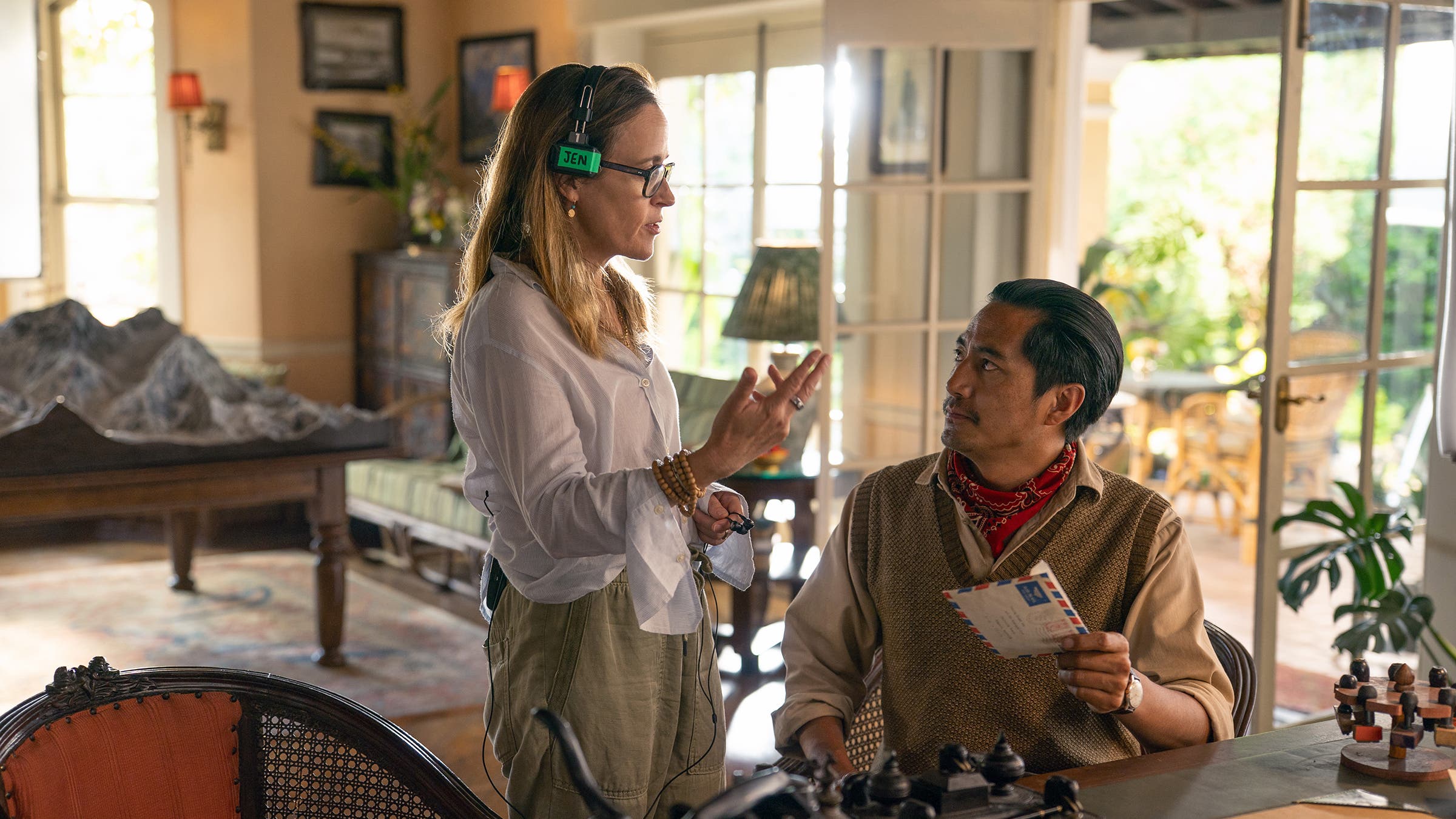
Director Jennifer Peedom, whose critically acclaimed 2015 documentary Sherpa laid the groundwork for this project, recognized that Norgay’s life before the 1953 expedition could not be told through traditional archival documentary methods. Instead, Tenzing was conceived as a dramatic feature with the full endorsement and collaboration of Norgay’s eldest son, Norbu Tenzing, who joined the production as an executive producer.
Casting and Preparation: Finding the Essence of Tenzing Norgay
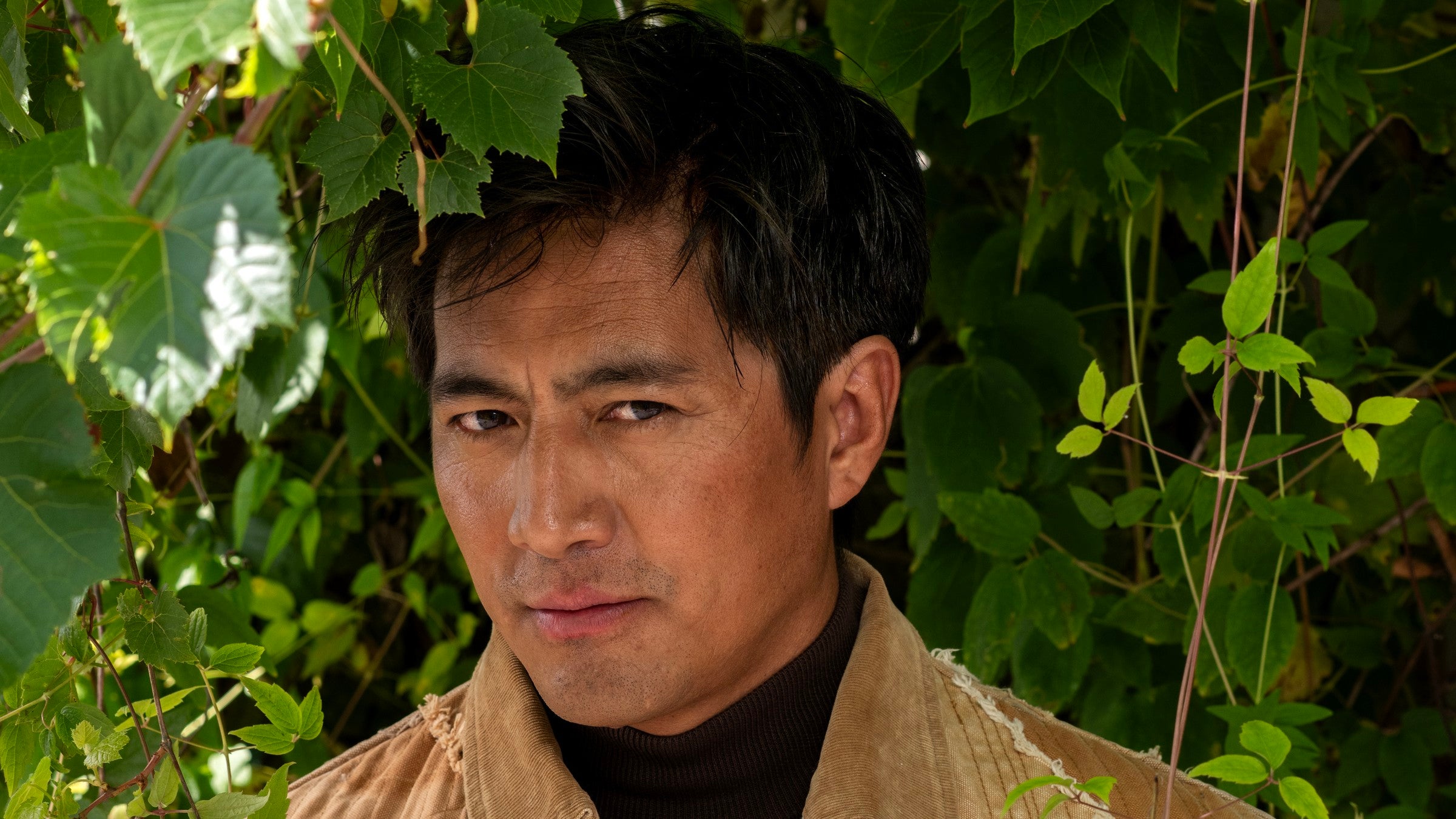
The search for an actor to portray Norgay spanned continents, with casting directors evaluating approximately 2,000 performers worldwide. Peedom ultimately selected Genden Phuntsok, a Chinese actor of Tibetan descent born on the Tibetan plateau in Sichuan near Kasa Lake. Phuntsok’s early life bore striking parallels to Norgay’s upbringing; his family maintained yaks and horses while cultivating barley and potatoes in the shadows of high-altitude terrain.

Peedom noted that Phuntsok possessed a rare "contained force," comparing his screen presence to "Champagne just sitting behind a cork, always about to explode." Friends on the Tibetan plateau had previously remarked on Phuntsok’s uncanny physical resemblance to historical photographs of Norgay, a sentiment echoed by Norbu Tenzing during their initial meeting at a puja ceremony in Kathmandu, where the executive producer wept upon realizing the striking likeness to his late father.
Preparation for the role demanded rigorous physical and cultural immersion. Phuntsok undertook extensive linguistic training, working closely with veteran Sherpa mountaineer Phurba Tashi—who has summited Everest 21 times—and his family in the village of Khumjung. Because Sherpa is a distinct linguistic cousin of Tibetan, Phuntsok drilled his dialogue daily with Phurba’s wife and children, testing his pronunciation against villagers until his fluency met local standards.

Production Realism and the Physicality of the Climb
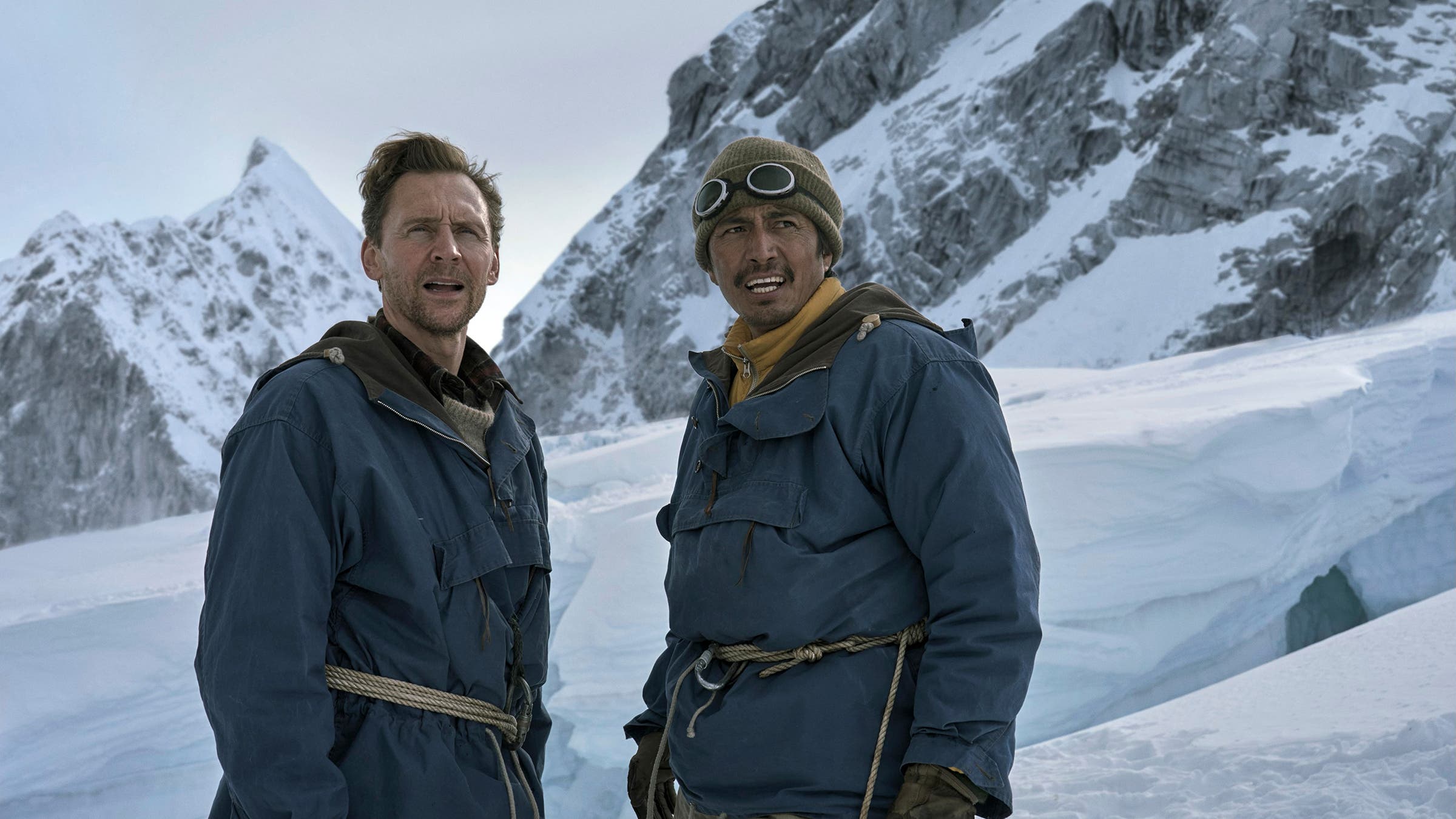
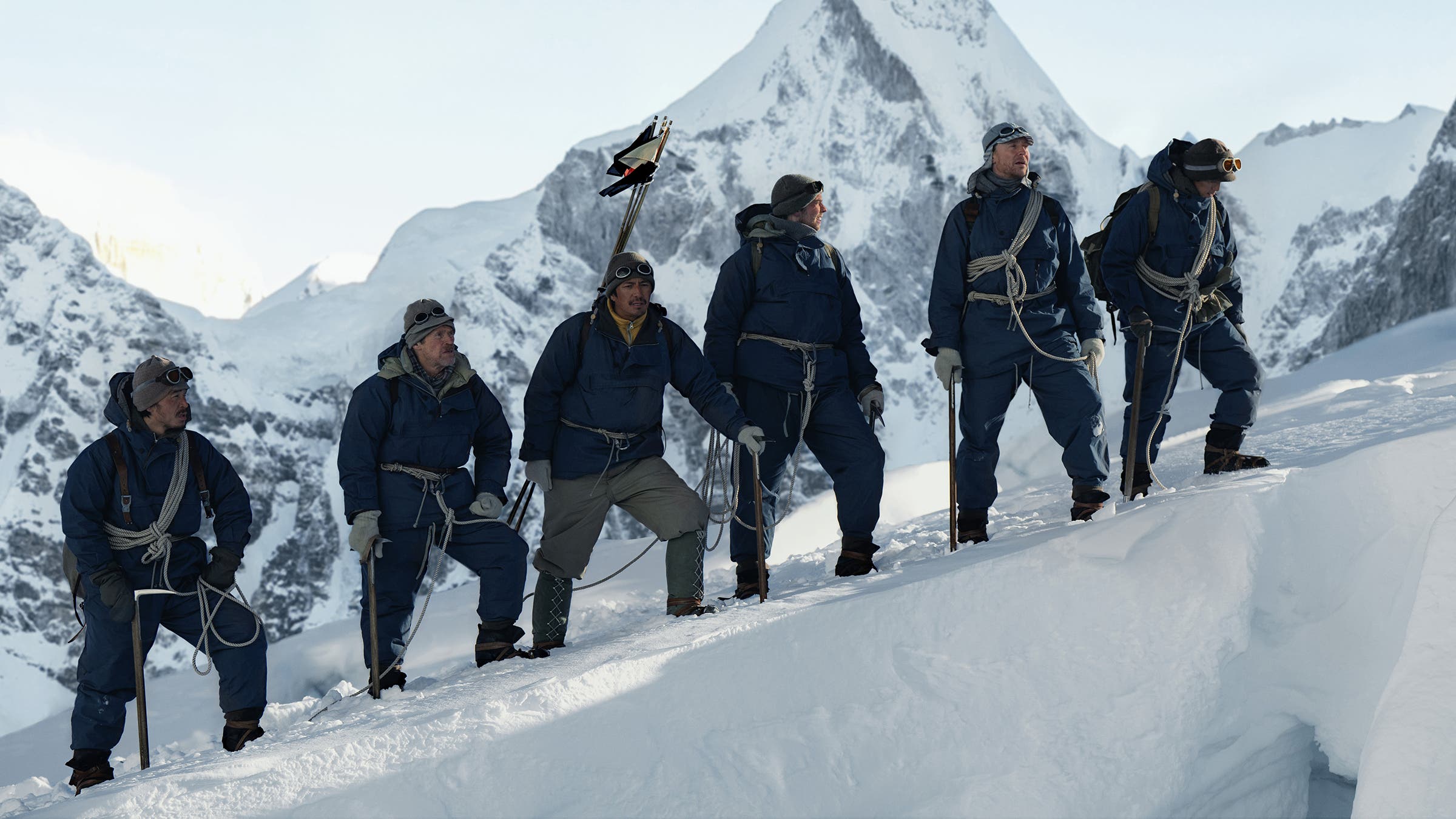
Adhering to strict authenticity, Peedom established a firm boundary regarding the film’s mountain sequences: zero stage production for Everest and its surrounding technical terrain. Base camp and all upper-mountain scenes were filmed practically on real glaciers and ice cliffs within New Zealand’s Aoraki/Mount Cook region, utilizing background plates captured directly from Everest to maintain geographic fidelity. The simulated summit ridge was filmed on the Hochstetter Dome.
The production cast Himalayan actors from Kathmandu, San Francisco, Canada, and India to portray the Sherpa climbing team, while Hollywood actor Tom Hiddleston stepped into the role of Sir Edmund Hillary, and Willem Dafoe portrayed expedition leader Colonel John Hunt.
Phuntsok, who had no prior mountaineering experience, underwent rigorous rock and ice training alongside Hiddleston under the supervision of elite Everest summit guides. The actors were outfitted with historically accurate 1953 gear, including leather boots, heavy wool garments, and primitive crampons. High-risk sequences, such as a technically demanding crevasse rescue performed without safety lines, were executed with intense physical discipline, requiring Phuntsok to scale vertical ice walls under direct camera observation.
Broader Implications and Cultural Resonance
Beyond its technical achievements as a high-budget dramatic feature, Tenzing serves as a vital cultural correction. Anthropological and historical analyses embedded within the film highlight the systemic oversight of indigenous contributions to Himalayan exploration. By exploring the spiritual reverence with which local communities view the high peaks—contrasted against the Western impulse of conquest—the film invites audiences to reconsider the ethics and motivations driving extreme mountaineering.
Furthermore, the production actively engaged with the surviving lineage of the 1953 expedition. Contributions from the late Kanchha Sherpa, the final surviving member of the 1953 team who passed away prior to the film’s release, informed the depiction of Norgay’s deep interpersonal empathy and constant vigilance over the physical well-being of his fellow climbers, regardless of nationality.
As Tenzing reaches global audiences through its theatrical and streaming distribution, its primary legacy extends beyond box office metrics or cinematic technique. By reallocating the narrative spotlight, the film successfully restores Tenzing Norgay to the vanguard of his own history, ensuring that future generations recognize the ascent of Everest not merely as a British conquest, but as a shared human triumph anchored by indigenous resilience, faith, and sacrifice.




 Gabriela Annisa

 Lukman Taruna Persada Ramadan

 Tatiana Tantri Indah Sari


 Dwi Wanna
