
 Cholid Fahmi Thalib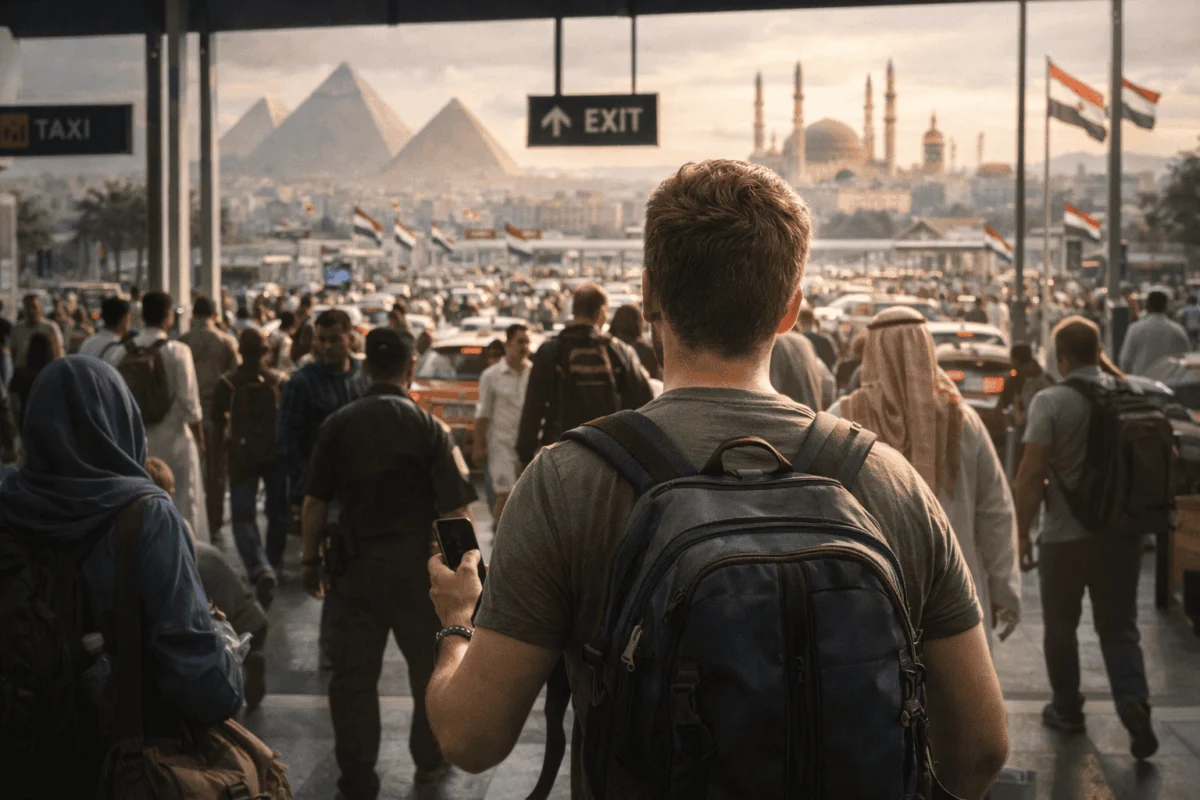
Traveling to Egypt, a nation steeped in millennia of history and situated on the African continent, often evokes a potent cocktail of anticipation and apprehension for first-time visitors. Media narratives and cautionary tales from friends and family can cultivate a complex mental landscape where excitement wrestles with anxiety. This emotional duality is a common prelude to an Egyptian adventure, and it is precisely this pre-conceived notion that frequently begins to dissolve once one experiences the country firsthand. This account aims to provide an honest, unvarnished perspective, moving beyond polished brochures to explore the disorienting moments, the overwhelming sensory experiences, the surprising warmth of its people, and the fundamental reasons why so many first-time visitors express profound astonishment, often articulating that their actual experience diverged significantly from their initial expectations.
The Dissolution of Preconceptions: Initial Encounters with Egyptian Reality
Upon arrival, many travelers anticipate Egypt to be an intensely chaotic, perhaps even intimidating, environment. While elements of this perception hold true, the fear often amplified in one’s mind tends to recede once confronted with the lived reality. The immediate aftermath of exiting the airport is a sensory immersion. The soundscape is a vibrant tapestry of car horns, animated conversations, and music emanating from open spaces. The air itself feels different, a palpable mix of heat, dust, and perpetual motion. This initial onslaught can be overwhelming, prompting moments of doubt about the decision to visit.
However, a subtle but significant shift occurs. Amidst the apparent disarray, an underlying order becomes discernible. Individuals navigate their surroundings with purpose, and systems, though perhaps unfamiliar in their execution, are demonstrably in place. This realization allows for a gradual easing of tension. Egypt, in these initial hours, is not actively trying to deter visitors; it is simply presenting its authentic self. This authenticity, while initially jarring, forms the bedrock of a more profound understanding.
The First Day’s Impact: Adaptation and Shifting Perspectives
The inaugural day in Egypt can feel like a whirlwind. Fatigue from travel, coupled with sensory overload and the attempt to internalize a drastically different pace of life, creates a disorienting effect. Mundane tasks, such as crossing a busy street, can feel akin to navigating an extreme sport, with traffic regulations appearing more as suggestions than mandates, and personal space operating under a different set of unwritten rules.
Yet, human adaptability is remarkable. By the close of this initial day, travelers often find themselves reflecting with amusement on their earlier anxieties. Patterns begin to emerge in the urban flow: understanding when to proceed, when to wait, and how to effectively signal for transportation. The initial discomfort gradually transforms into a manageable challenge. As the shock begins to subside, an awakened sense of curiosity takes its place, driving further exploration and engagement.
Subtle Cultural Shifts: The Nuances of Everyday Interactions
Culture shock in Egypt is rarely characterized by singular, dramatic events. Instead, it manifests in a series of small, often unexpected, interactions that challenge preconceived notions. The directness of communication is a notable characteristic. Conversations can initiate effortlessly, with strangers readily inquiring about origins, destinations, and general impressions of the country. While this openness may initially feel intrusive, it often evolves into a perception of genuine human connection.
The concept of time in Egypt is notably fluid. Plans are subject to change, and delays are common. Resisting this inherent flexibility often leads to frustration; embracing it, however, facilitates a smoother experience. Furthermore, instances of unsolicited assistance frequently arise. A passerby might offer directions to the correct bus route, a shopkeeper might provide guidance without expectation of a purchase, or a local family might extend an offer of tea purely out of hospitality. These moments of spontaneous kindness serve to soften the unfamiliarity of the environment and underscore the inherent generosity of the people.
Navigating the Infrastructure: From Intimidation to Familiarity
Transportation in Egypt presents a significant concern for many first-time visitors. The visual impression of the roads can appear chaotic, and the public transportation systems, such as trains, may seem antiquated. While ride-sharing applications are available and functional, their performance can be inconsistent.
Initially, travelers may overanalyze every transportation decision, questioning the safety of taxis, the fairness of fares, and the accuracy of navigation. Over time, a sense of confidence begins to develop. The realization dawns that most drivers are simply professionals engaged in their work. Travelers learn to gauge typical fares and become less perturbed by navigation app rerouting. A valuable strategy for many is to engage with firsthand accounts of local transportation practices prior to arrival. Resources such as Inside Egypt offer practical insights into the daily workings of the transportation network, transforming initial guesswork into confident exploration. This preparation can significantly demystify the process, making the first few days feel less daunting and more like an adventure.
Safety and Awareness: A Balanced Perspective
The question of safety in Egypt is a prominent concern, often unspoken but implicitly present. The country’s safety landscape differs from many Western destinations, but this difference does not inherently equate to danger. Tourist areas benefit from a visible security presence, and locals often exhibit a protective attitude towards visitors. Furthermore, serious security incidents, while publicized, are statistically less prevalent than media portrayals might suggest.
Nevertheless, common sense remains paramount. Vigilance, discretion in displaying valuables, and trusting one’s instincts are crucial. The same principles of situational awareness applicable in any unfamiliar environment are essential in Egypt. What often surprises first-time visitors is the swift transition from apprehension to a sense of comfort, familiarity, and even ease, as they navigate the country with growing confidence.
The Enduring Impression: The People of Egypt
While Egypt’s ancient monuments are undeniably awe-inspiring, it is the people who often leave the most profound and lasting impression on visitors. Interactions are commonplace, occurring in taxis, cafes, and during everyday queues. Egyptians are frequently curious, engaging, and genuinely interested in the experiences of their guests. Their discussions about their country often reveal a deep sense of pride, interwoven with candid acknowledgments of its challenges.
Egyptian hospitality is not a staged performance but a genuine expression of warmth. It is evident in the offering of extra food, the spontaneous pulling up of a chair, or a stranger’s intervention to assist without expectation of reward. These cumulative moments of human connection and kindness resonate deeply, shaping the overall travel experience long after departure.
Beyond the Icons: The Living Tapestry of Egypt
The initial encounter with iconic landmarks, such as the Great Pyramids of Giza, is an experience of profound surrealism. Their sheer scale and antiquity defy easy comprehension, creating a sense of standing at the nexus of time. However, a common surprise for first-time visitors is the seamless integration of these monumental sites into the fabric of contemporary Egyptian life. Bustling streets run parallel to ancient ruins, children play soccer in the shadows of millennia-old structures, and modern cafes operate adjacent to temples predating recorded history.
Egypt is not a static historical exhibit; it is a vibrant, dynamic, and modern nation. Recognizing this multifaceted reality transforms the country from a mere postcard image into a tangible, living entity. This nuanced understanding enriches the traveler’s appreciation, revealing a country that is both ancient and contemporary, traditional and evolving.
Emotional Amplitude: The Rollercoaster of the Egyptian Journey
The experience of traveling through Egypt can be emotionally dynamic. One moment, a traveler might feel overwhelmed and fatigued, questioning the challenges of navigating daily life. The next, they might find themselves in a serene, beautiful setting, filled with an overwhelming sense of gratitude and privilege. This emotional fluctuation can catch many first-time visitors off guard. Egypt does not offer a gentle introduction; it demands attention, patience, and at times, a degree of humility.
In return, the country offers immense rewards: moments of profound awe, a recalibrated perspective on the world, and compelling narratives that will be recounted for years to come. The intensity of the emotional journey is intrinsically linked to the depth of the experience.
Common Misconceptions and Traveler Pitfalls
A prevalent error among first-time visitors is an attempt to exert excessive control over their Egyptian experience. This often manifests as over-scheduling, adhering rigidly to itineraries, and expecting a predictable, time-bound flow of events. Such an approach frequently proves counterproductive.
Egypt rewards flexibility and an openness to the unexpected. It is a country that functions best when travelers allow for delays, embrace detours, and remain receptive to spontaneous conversations. The most enriching experiences often arise not from meticulously checking off a list of sights, but from genuinely observing and engaging with the environment and its inhabitants.
Another common misstep is the tendency to compare Egypt to other travel destinations. Such comparisons can obscure the unique character and intrinsic value of the Egyptian experience. The country possesses its own distinct identity and offers a singular journey that should be appreciated on its own terms.
Evaluating the First-Time Egyptian Expedition
The ultimate value of a first trip to Egypt is contingent upon an individual’s travel aspirations. For those who prioritize predictability and a seamless experience, Egypt may present significant challenges. However, for travelers open to embracing discomfort, fostering curiosity, and accepting moments that defy strict adherence to an itinerary, Egypt offers an experience that is profoundly unforgettable.
The initial journey is seldom flawless. It is often characterized by confusion, occasional exhaustion, and an indelible impact. The expectation of understanding every facet of the country is unrealistic; indeed, this very incompletion is part of its enduring allure.
Egypt does not aim for polite admiration; it engages visitors on their own terms, acknowledging its complexities and inviting a revised perspective on the world. The question of whether one would return is often answered with a resounding affirmation before the departure flight even touches down. The country’s ability to elicit such a response speaks volumes about its profound and lasting impact.




 Anjar Salim
 Chandra Hamzah
 Tatiana Tantri Indah Sari
 Budi Mulyono

