
 Walid Sujud Trenggono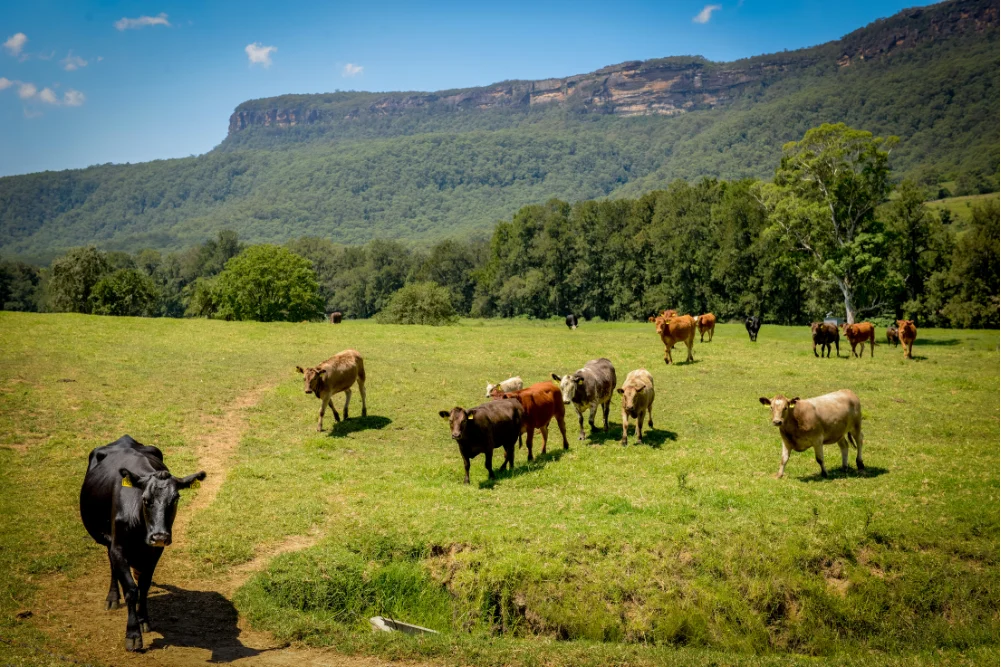
The Shoalhaven region of New South Wales has emerged as a primary destination for the burgeoning "slow travel" movement, leveraging its unique geography of 100 beaches and a land area comprised of 70 percent national parks and forests. Situated approximately two hours south of Sydney and two and a half hours from Canberra, the region is increasingly defined by its commitment to wellness, sustainable gastronomy, and cultural preservation. This shift toward restorative tourism reflects a broader global trend; according to the Global Wellness Institute, the wellness tourism market is projected to reach $1.1 trillion by 2025, with travelers seeking destinations that offer deep environmental immersion and physical rejuvenation.
The Evolution of Milton as a Wellness Destination
The township of Milton serves as a gateway to the southern Shoalhaven, blending historical country charm with a modern focus on health and movement. A significant addition to the local landscape is The Heal Zone, a facility opened in December 2024 that overlooks Conjola National Park. This establishment represents the integration of traditional movement modalities with contemporary recovery techniques.
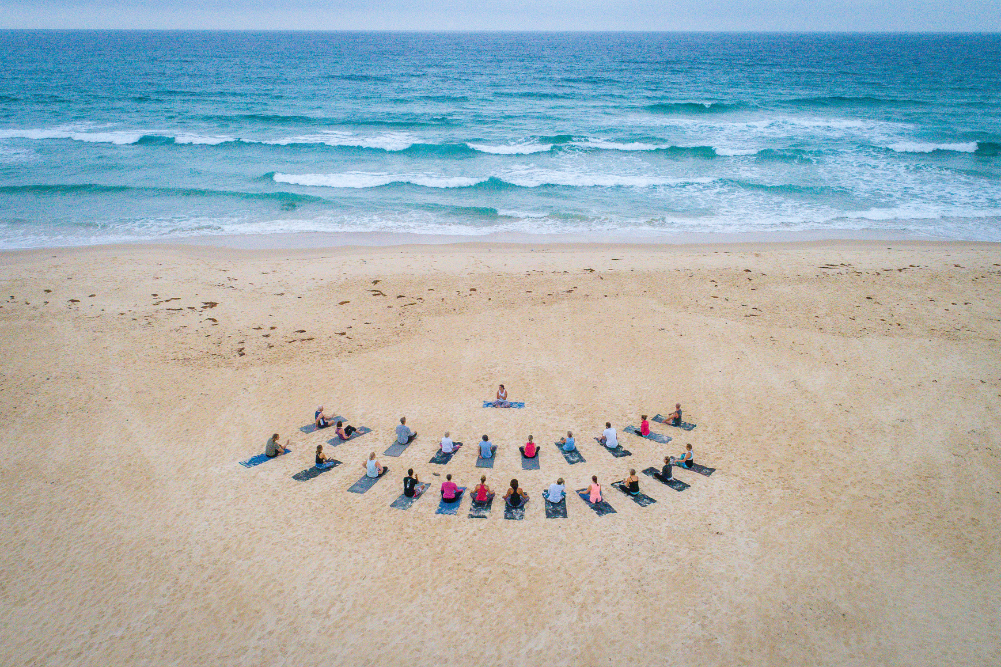
Under the direction of founders Madi and Nic, the center offers structured 90-minute sessions that combine mobility exercises, yoga-inspired grounding, and deliberate breathwork. These practices are designed to regulate the autonomic nervous system, moving participants from a sympathetic (fight-or-flight) state to a parasympathetic (rest-and-digest) state. The facility also utilizes contrast therapy—alternating between high-heat saunas and cold plunges. Scientific research suggests that such therapies can reduce systemic inflammation and improve circulatory health, making them a cornerstone of the modern "biohacking" and recovery movement now prevalent in the Shoalhaven.
Sustainable Gastronomy and the Farm-to-Table Model
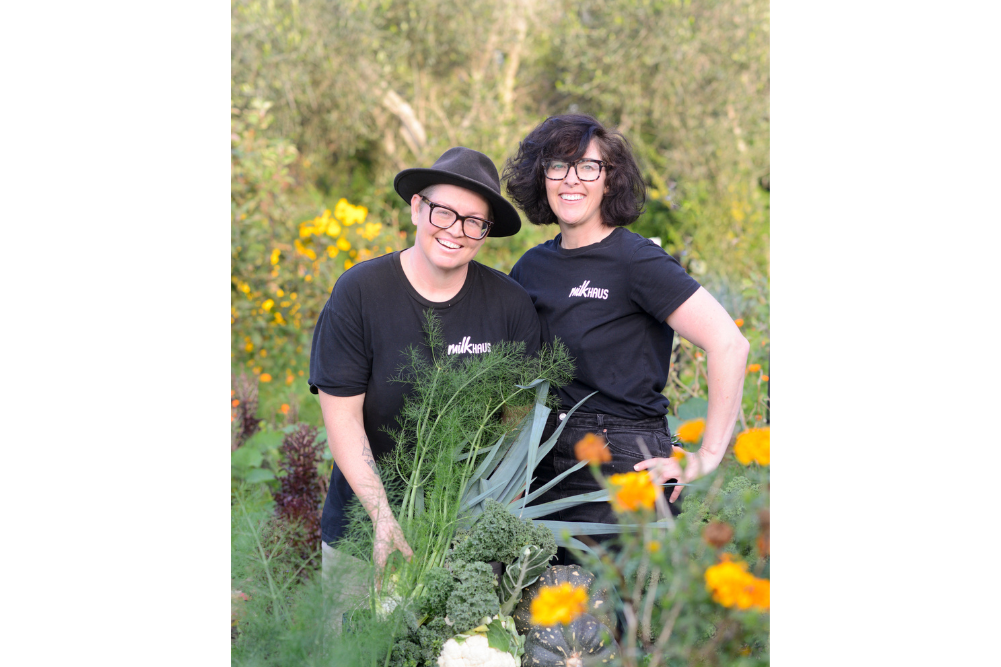
The culinary sector in Milton has seen a significant shift toward radical transparency and sustainability, exemplified by Milkhaus. Operating as a farm-to-table enterprise, Milkhaus utilizes an on-site garden to dictate its seasonal offerings, a model that contrasts with traditional demand-driven hospitality.
The establishment’s operations involve a rigorous nine-month menu-planning cycle, which accounts for the time required for planting, cultivation, and harvesting. Currently, 80 percent of the produce served is grown on-site, with the remaining 20 percent sourced from local producers within the South Coast region. This hyper-local supply chain not only reduces the carbon footprint associated with food transportation but also ensures economic resilience for regional farmers. Signature offerings, such as the 16-hour slow-cooked lamb shoulder and seasonal fruit desserts, highlight the intersection of artisanal cooking and agricultural cycles.
Kangaroo Valley: A Hub for Environmental Stillness
Further inland, Kangaroo Valley serves as a sanctuary for those seeking seclusion within the dense forests of the Morton National Park. The region’s geography—defined by steep escarpments and winding mountain roads—naturally facilitates a slower pace of travel.
The hospitality sector here has adapted to meet the demands of high-end restorative travel. Wildes Boutique Hotel, for instance, emphasizes a courtyard-centric design intended to foster a sense of immediate calm upon arrival. The integration of self-contained studio spaces with luxury amenities, such as deep soaking tubs and kitchenettes, caters to the "slow stay" demographic. The local economy is further supported by establishments like The Friendly Inn and The General Cafe, the latter of which focuses on house-fermented provisions and sourdough production, aligning with the global interest in gut health and artisanal food preservation.
Ecological Engagement through Mindful Canoeing
Tallowa Dam, located at the junction of the Kangaroo and Shoalhaven Rivers, has become a focal point for non-motorized water activities. As a sanctuary free from the noise of motorboats, it offers a controlled environment for "mindful canoeing," a practice promoted by local outfitters such as Valley Outdoors.
These guided expeditions often begin with grounding exercises—attuning participants to the auditory environment of birdsong and rustling leaves—before entering the water. The focus is shifted from physical exertion to sensory awareness. Indigenous heritage is a core component of these tours; guides provide historical context regarding the land’s traditional custodians, fostering a deeper appreciation for the long-term stewardship of the Shoalhaven wilderness. The appearance of local fauna, such as the Azure Kingfisher, serves as a biological indicator of the area’s ecological health and the success of local conservation efforts.
The Therapeutic Role of Creative Arts
The Shoalhaven’s wellness economy extends into the creative arts, where practitioners offer "flow state" experiences through tactile mediums like clay. David Collins’ purpose-built pottery studio near Berry and Kangaroo Valley exemplifies this trend.
The practice of wheel-throwing pottery requires a high degree of focus and fine motor coordination, which psychologists suggest can lead to a "flow state"—a mental state of operation in which a person performing an activity is fully immersed in a feeling of energized focus. By offering patient, judgment-free instruction, local artisans provide a space for cognitive rest. The resulting ceramic pieces—bowls, cups, and plates—act as tangible mementos of the restorative experience, reinforcing the link between the region’s natural beauty and individual creativity.
Cultural Preservation and Art at Bundanon
The final pillar of the Shoalhaven restorative experience is Bundanon, the former home and studio of renowned Australian artist Arthur Boyd and his wife Yvonne. In 1993, the Boyds gifted the 1,100-hectare property to the Australian people, creating a permanent cultural retreat that integrates art with the natural landscape of the Shoalhaven River.
Bundanon has recently expanded its role through the "Culture and Creation" series, featuring Indigenous artists such as Aunty Cheryl Davison, a Walbunja/Ngarigo woman. These sessions involve printmaking, weaving, and storytelling, providing a platform for the continuation of traditional practices. This integration of First Nations knowledge is critical for the region’s identity, ensuring that modern tourism remains rooted in historical truth and cultural respect. The on-site Ramox Cafe complements this experience, offering a space for reflection amidst the architectural and natural grandeur of the estate.
Economic and Social Implications of Restorative Travel
The transition of the Shoalhaven region into a premier wellness and cultural hub has several broader implications:
- Economic Resilience: By diversifying beyond traditional beach tourism, the region can maintain steady visitor numbers throughout the year, reducing the volatility of seasonal employment.
- Environmental Conservation: The emphasis on "slow travel" and nature-based activities encourages the preservation of the 70 percent of the region that is national parkland. High-value, low-impact tourism is often more sustainable than high-volume mass tourism.
- Mental Health and Public Well-being: As urban populations face increasing rates of burnout and stress, regions like Shoalhaven provide essential "green space" and "blue space" (water-based) interventions that have been shown to improve mental health outcomes.
- Cultural Vitality: The support for local artisans, farm-to-table chefs, and Indigenous storytellers ensures that the unique cultural fabric of the South Coast is not only preserved but allowed to flourish.
The Shoalhaven region demonstrates a successful model for regional development where tourism is used as a tool for restoration rather than extraction. Through the combination of movement-based healing, sustainable agriculture, mindful interaction with nature, and the celebration of artistic and Indigenous heritage, the region offers a comprehensive blueprint for the future of the travel industry. As the demand for meaningful and restorative experiences continues to grow, the Shoalhaven is well-positioned to remain at the forefront of the Australian tourism landscape. For those seeking to explore these offerings further, resources are available through regional wellness initiatives and local tourism boards dedicated to sustainable practices.



 Anjar Salim
 Chandra Hamzah
 Tatiana Tantri Indah Sari
 Budi Mulyono

