Walid Sujud Trenggono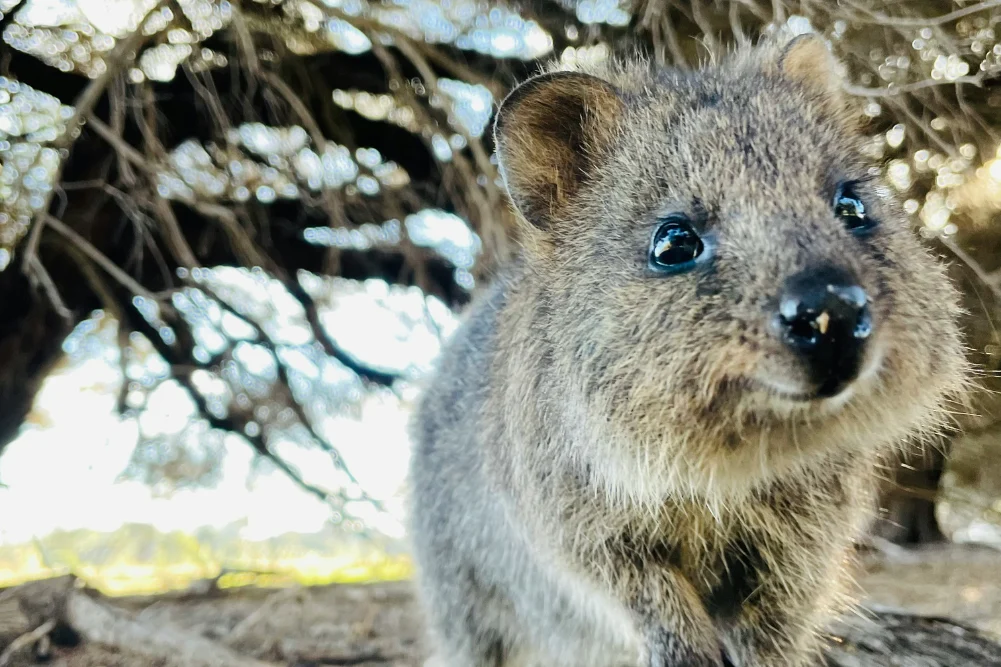
Rottnest Island, situated approximately 18 kilometers off the coast of Western Australia, serves as a primary pillar of the state’s tourism industry, balancing its reputation as a pristine marine sanctuary with its complex history as a site of Indigenous incarceration. Known to the Whadjuk Noongar people as Wadjemup, meaning "place across the water where the spirits are," the island has evolved from a secluded ceremonial site to a global destination synonymous with the quokka, a small marsupial that has become a social media phenomenon. However, as visitor numbers continue to rise, the Rottnest Island Authority (RIA) and local stakeholders face the dual challenge of preserving a fragile ecosystem and acknowledging a somber colonial past that was, for decades, overshadowed by the island’s sun-drenched aesthetic.
The Ecological Significance of the Rottnest Island Reserve
Spanning 19 square kilometers, Rottnest Island is characterized by a Mediterranean climate and a unique assemblage of flora and fauna. The island’s topography is defined by rugged limestone cliffs, salt lakes that cover approximately 10 percent of the landmass, and a series of highly biodiverse marine zones. These waters are influenced by the Leeuwin Current, which brings warm tropical water southward, allowing for the growth of coral reefs at latitudes where they would typically not survive.
The island’s most famous resident, the quokka (Setonix brachyurus), remains the focal point of most tourism marketing. Currently listed as "Vulnerable" on the IUCN Red List of Threatened Species, the quokka population on Rottnest represents a critical stronghold for the species. While mainland populations have been decimated by habitat loss and predation by introduced species such as foxes and feral cats, the island’s population remains relatively stable at approximately 10,000 to 12,000 individuals.
Environmental data indicates that these marsupials face increasing pressure from anthropogenic factors. Rising global temperatures and a documented decrease in annual rainfall in Southwest Australia have led to diminished freshwater sources on the island during the peak summer months. Furthermore, the "celebrity-driven" tourism model, popularized by high-profile visitors such as tennis player Roger Federer in 2017, has led to concerns regarding animal welfare. While the "quokka selfie" has generated millions of dollars in earned media for Tourism Western Australia, wildlife experts emphasize the importance of maintaining a distance to prevent the transmission of diseases and the disruption of natural foraging behaviors.
A Chronology of Wadjemup: From Ceremony to Incarceration
The history of Rottnest Island is divided into three distinct eras: the pre-colonial Indigenous period, the colonial prison era, and the modern tourism era.
- Pre-6,500 Years Ago: Before the post-glacial rise in sea levels, Rottnest was connected to the mainland. Archaeological evidence suggests the Whadjuk Noongar people used the area for thousands of years.
- 1696: Dutch explorer Willem de Vlamingh landed on the island. Mistaking the quokkas for large rats, he named the land "Rotte Nest" (Rat’s Nest).
- 1838–1904: The colonial government established a penal establishment on the island for Aboriginal men and boys. Over 4,000 Indigenous people from across Western Australia were forcibly removed from their lands and imprisoned on Wadjemup.
- 1917: The prison officially closed, and the island began its transition into a recreational reserve.
- 2010s–Present: The "Wadjemup Project" was initiated to address the island’s history through truth-telling and the formal recognition of the Burial Ground, which contains the unmarked remains of hundreds of Indigenous prisoners.
The prison era remains a dark chapter in Australian history. Prisoners were subjected to forced labor, constructing much of the island’s iconic infrastructure, including the Wadjemup Lighthouse and the Quod—a circular building originally used as a prison and later, controversially, as tourist accommodation. Today, the Quod has been decommissioned as a hotel, and plans are underway to repurpose the site as a place of reflection and education.
Infrastructure and the Tourism Economy
The logistical framework of Rottnest Island is designed to support a "car-free" environment, emphasizing sustainable transport through cycling and a fleet of electric shuttle buses. The Settlement serves as the island’s commercial hub, containing the majority of the island’s hospitality and retail infrastructure.
According to recent tourism data, the island attracts over 700,000 visitors annually. The economic impact is significant, with visitor fees (included in ferry tickets) directly funding conservation efforts and the maintenance of the island’s heritage buildings. Accommodation options have diversified in recent years to include high-end glamping at Pinky’s Beach and luxury suites at Samphire Rottnest, though budget-friendly options such as campsites and heritage cottages remain a staple for local West Australian families.
The RIA has implemented several sustainability initiatives to manage the high volume of human traffic. These include a desalination plant to provide potable water without depleting the island’s limited groundwater and a renewable energy farm consisting of a wind turbine and solar panels, which together provide up to 45 percent of the island’s power requirements.
Fremantle (Walyalup): The Cultural Gateway
The experience of Rottnest Island is inextricably linked to the port city of Fremantle (Walyalup). As the primary departure point for ferries, Fremantle serves as a cultural and historical extension of the island’s narrative. The city is renowned for its well-preserved 19th-century streetscapes, much of which was also built using convict labor.
Fremantle’s economy is anchored by its maritime history and its status as a hub for the arts and gastronomy. Key historical sites include:
- The WA Shipwreck Museum: Recognized as one of the leading maritime archaeology museums in the Southern Hemisphere, it houses the remains of the Batavia, a Dutch East India Company ship wrecked in 1629.
- The Round House: Built in 1830, it is the oldest public building in Western Australia and served as the first site of incarceration for prisoners before they were shipped to Rottnest.
- Fremantle Prison: A UNESCO World Heritage site, the prison operated until 1991 and now offers tours that detail the harsh realities of Australia’s convict system.
In recent years, Fremantle has undergone a "boutique" revitalization. The conversion of historical buildings into microbreweries, such as Little Creatures, and the repurposing of shipping containers for the Hougoumont Hotel reflect a broader trend of sustainable urban development. The city’s "Fremantle Doctor"—a reliable afternoon sea breeze—is a defining climatic feature that provides relief from the intense summer heat and facilitates the region’s popular sailing and kite-surfing cultures.
Analysis of Implications and Future Outlook
The future of Rottnest Island and Fremantle hinges on the successful integration of "truth-telling" into the visitor experience. For decades, the promotional narrative focused almost exclusively on the "paradise" aspect of the island—the turquoise waters of Salmon Bay and the charm of the quokkas. However, there is a growing consensus among historians and Indigenous leaders that the island’s status as a site of trauma must be acknowledged with the same vigor as its natural beauty.
Official responses from the Rottnest Island Authority indicate a shift toward "Ethical Tourism." This involves updating signage to include Noongar language and history, and ensuring that the Burial Ground is treated with the appropriate level of sanctity. From a conservation perspective, the challenge will be managing the effects of climate change. Increased storm surges threaten the limestone cliffs, and the potential for prolonged droughts necessitates even more advanced water management strategies.
The socio-ecological balance of the region serves as a microcosm for broader challenges facing Australian tourism. As travelers increasingly seek "authentic" and "responsible" experiences, the ability of Western Australian authorities to preserve the quokka’s habitat while honoring the Indigenous history of Wadjemup will determine the long-term viability of the region as a premier global destination.
In conclusion, the journey from Fremantle to Rottnest Island is more than a transit between a city and an island; it is a movement through layers of Australian history. While the aesthetic appeal of the coastline remains a powerful draw, the depth of the region’s cultural heritage and the fragility of its ecosystem require a more nuanced engagement from visitors. By observing, learning, and acknowledging the full spectrum of the land’s history, tourism can transition from a purely extractive industry to one that fosters genuine growth and reconciliation.


 Chandra Hamzah
 Gabriela Annisa
 Tatiana Tantri Indah Sari
 Budi Mulyono
 Anjar Salim