Budi Mulyono
The modern commercial aviation environment is rarely conducive to resolving domestic disputes, particularly during the high-stress window immediately preceding departure. Confined to narrow seating configurations with virtually no physical buffer zones, traveling companions who find themselves at odds often discover that small grievances rapidly escalate into acute irritation. This inherent design limitation of modern aircraft cabins creates unique operational challenges for flight crews, who must balance customer service with the maintenance of cabin safety and decorum.

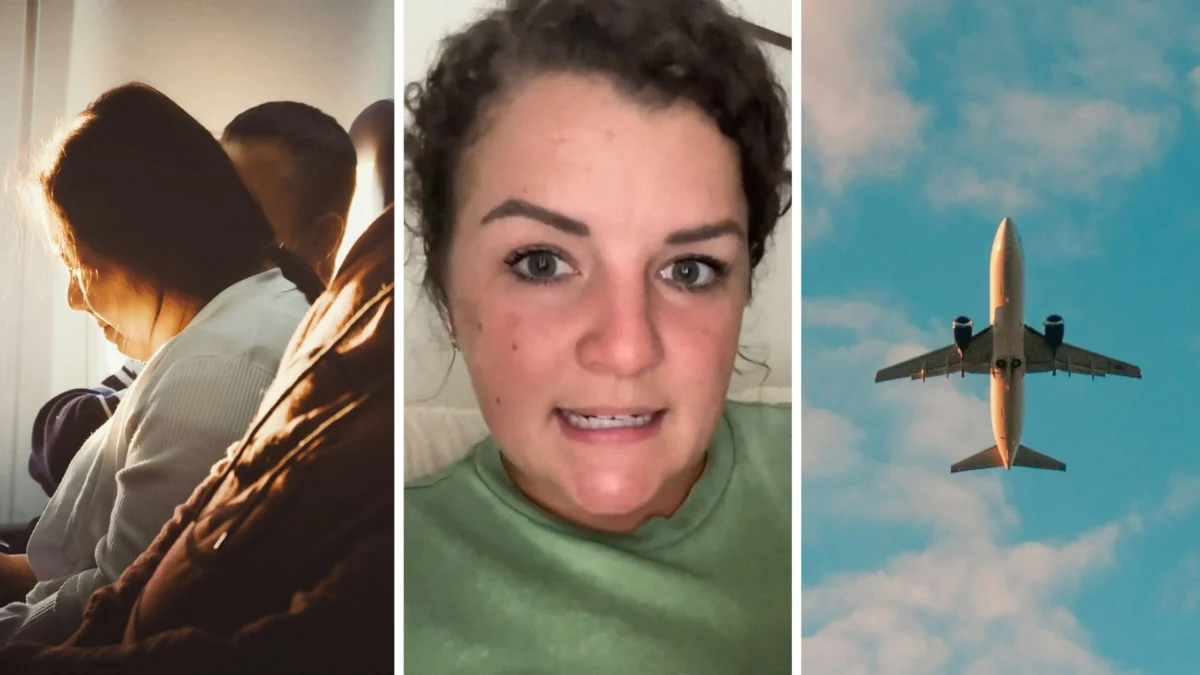
A recent viral incident shared by flight attendant Savannah, known on TikTok under the handle @savannah0191, brought this precise dynamic into sharp focus. Documenting an interaction that has since amassed over one million views, the video highlights the intersection of modern air travel stress, parenting pressures, and the delicate role cabin crews play when managing domestic friction at 30,000 feet.
Anatomy of an In-Flight Intervention

The sequence of events began on a routine commercial flight characterized by the presence of a distressed infant. Recognizing a visibly overwhelmed family trying to settle into their row before pushback, Savannah approached the parents to offer assistance. According to the flight attendant’s account, her initial offer to help make their journey more manageable was met with an unexpected and direct response from the mother: a request to relocate her husband to a different section of the aircraft.

Initially delivered with a veneer of polite humor, the request was quickly reinforced with absolute earnestness when the flight attendant sought clarification. The passenger reportedly urged the crew member to take the request seriously, prompting Savannah to initiate a discrete relocation of the husband.
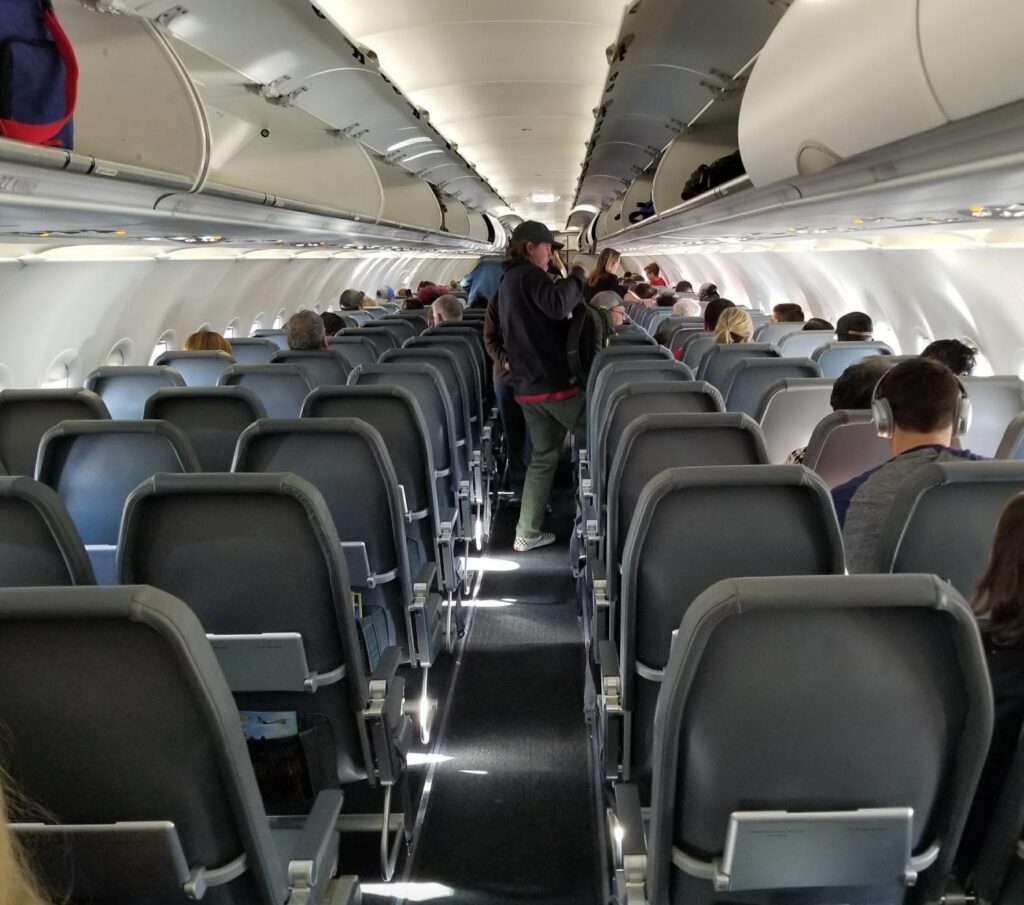
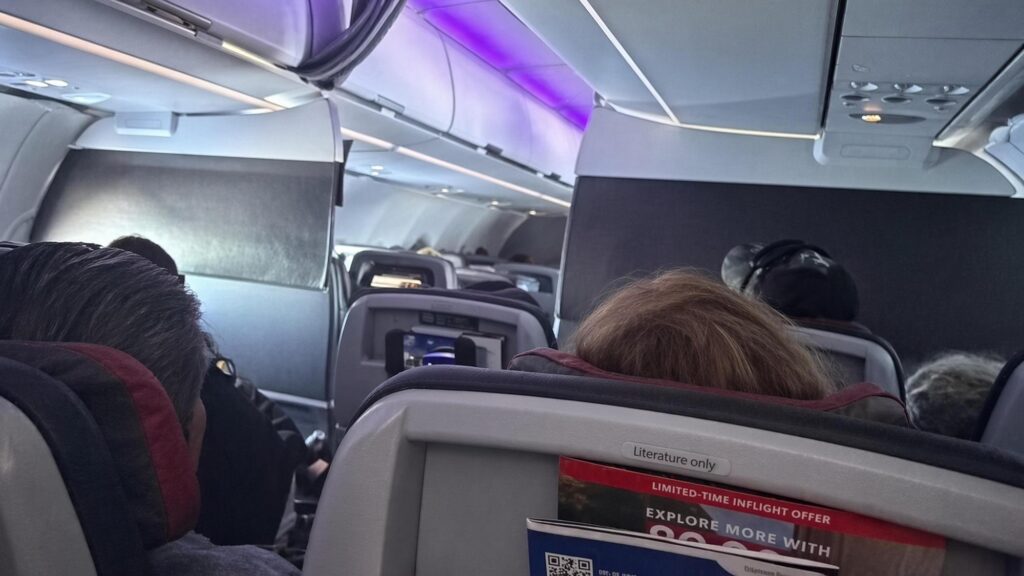
In commercial aviation protocols, separating passengers who are traveling together—even spouses—is a routine procedure when interpersonal conflict threatens the peace of the immediate cabin environment. Operating under standard safety and crowd-control training, flight crews are empowered to adjust seating arrangements to diffuse tense situations before they escalate into disruptions that could compromise overall flight operations. The husband cooperated without resistance, moving to a vacant seat approximately ten rows behind his wife and child.
According to Savannah, the dynamic shifted immediately following the relocation. The exhausted mother reportedly fell asleep shortly after takeoff, while the husband completed the journey in a separate part of the cabin. When questioned by the crew regarding whether she felt physically unsafe or threatened, the wife clarified that the separation was purely preventive rather than protective, explaining that her partner simply "gets on my nerves" under travel conditions.

The Psychological Burden of Travel and Family Dynamics

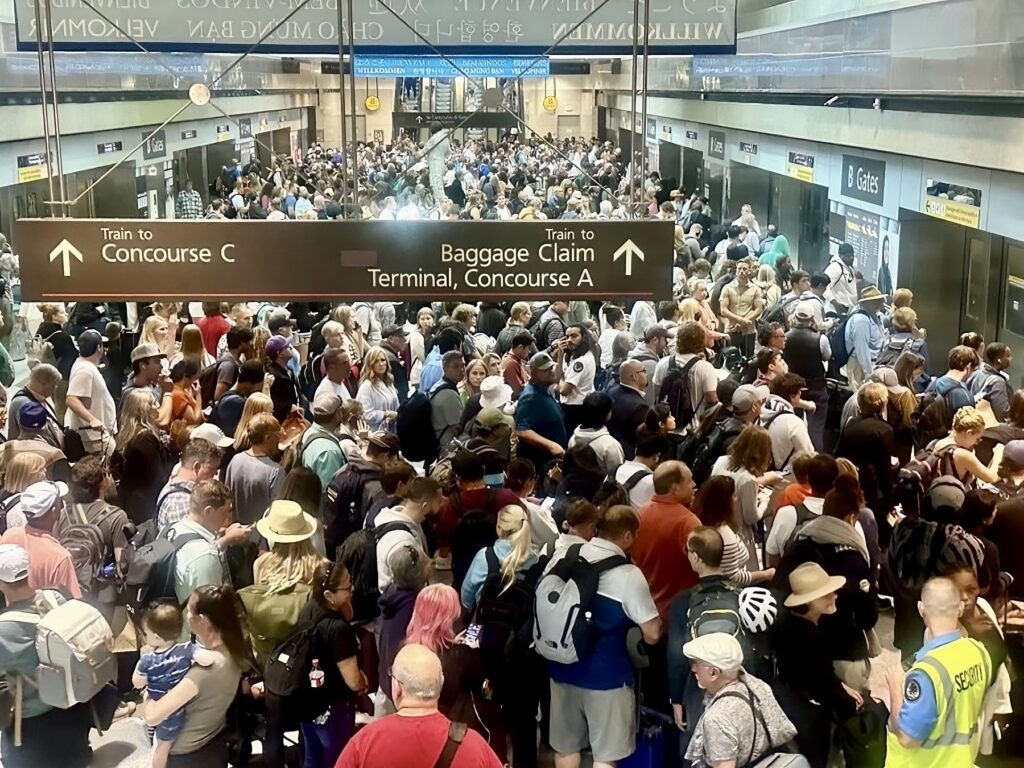
The incident has sparked widespread online discourse regarding the psychological toll of travel, particularly for parents navigating airports and aircraft cabins with infants. Air travel inherently induces high levels of anxiety, driven by factors documented widely in transportation studies: unpredictable security wait times, strict baggage policies, terminal congestion, potential weather delays, and the physical exhaustion associated with navigating crowded hubs.

When introducing an infant into this equation, the cognitive load and stress levels multiply exponentially. Traveling with a baby requires transporting an extensive array of essential equipment—strollers, diaper bags, formula, and portable cribs—while managing feeding schedules and soothing a child whose ears may hurt during cabin pressurization changes. Consequently, parents often board aircraft already operating at peak stress capacity.

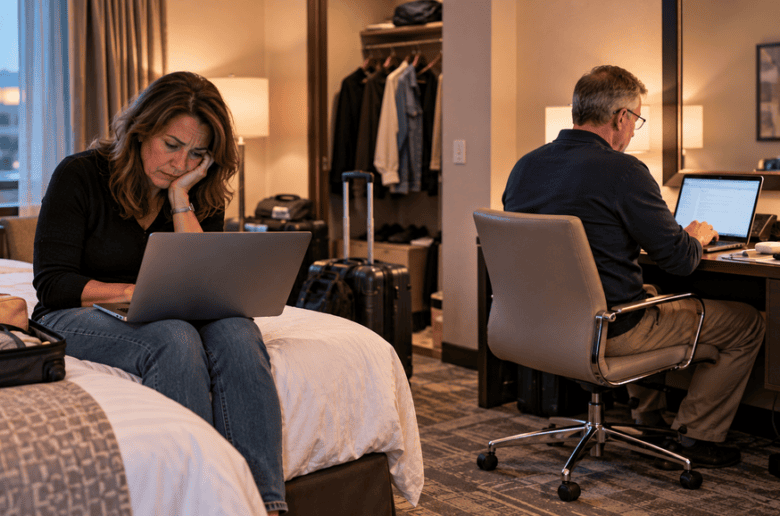
Psychologists note that confined spaces remove the physical outlets people typically rely on to decompress during arguments. On an airplane, "flight" is literally impossible, leaving partners trapped in close proximity while processing high cortisol levels. The combination of sleep deprivation, environmental noise, and physical discomfort frequently turns minor domestic annoyances into significant friction points.
Airlines and Cabin Crew Protocols for Managing Conflict
While major carriers do not publish specific manuals for managing bickering couples, cabin crew training programs universally emphasize conflict de-escalation as a core competency. According to safety and service guidelines utilized across the airline industry, flight attendants are trained to handle a spectrum of behavioral challenges, ranging from minor passenger disputes and intoxication to medical emergencies and uncooperative behavior.
When two passengers engage in a verbal altercation or exhibit noticeable tension that threatens to make surrounding travelers uncomfortable, flight crews typically employ a tiered approach to resolution:

- Assessment and Observation: Crew members monitor the situation from a distance to determine whether the dispute remains verbal or poses a risk of escalating into a security or safety concern.
- Low-Volume Engagement: Crew members initiate contact using calm, modulated tones in private or semi-private interactions to remind passengers of the public nature of the cabin environment.
- Empathetic Listening: Attendants listen to grievances from involved parties without taking sides, validating the inherent stress of the travel environment while maintaining professional neutrality.
- Tangible Solutions: When interpersonal friction becomes disruptive, crews utilize available cabin inventory to physically separate the individuals, neutralizing the trigger and restoring tranquility to the section.
In Savannah’s case, the execution of this protocol prevented a localized disagreement from developing into a broader distraction for the flight deck and surrounding passengers. By treating the situation with a blend of empathy and swift logistical action, the crew utilized seat reassignment as an effective de-escalation tool.

Public Reaction and Social Media Discourse

The viral nature of the TikTok video catalyzed a robust public debate across social media platforms, drawing thousands of comments from travelers, parents, and aviation observers. The discussion largely bifurcated into shared anecdotes about the strain of traveling with romantic partners and lighthearted commentary on the realities of shared parenting journeys.

Commenters shared widespread sentiments regarding the exhaustion of traveling alongside a partner, with several users noting that the logistical friction of navigating airports together often strains relationships. Conversely, other contributors defended the husband, emphasizing that the compounding stresses of infant care and aviation logistics test the patience of even the most harmonious partnerships.
The widespread resonance of the video underscores a broader cultural recognition of air travel as an extraordinary stress test for interpersonal relationships. Whether navigating lengthy layovers, tight connections, or cramped seating arrangements, couples frequently find their communication skills tested under the watchful eyes and ears of fellow passengers and crew.
Implications for Passenger Etiquette and Future Travel Trends
As global air travel volumes continue to rebound and surpass pre-pandemic records, the density of commercial aircraft cabins remains high. With airlines continuing to maximize seating capacity to meet consumer demand, personal space within economy cabins is increasingly constrained.
This operational reality places a premium on passenger tolerance, emotional regulation, and crew intervention capabilities. Incidents like the one documented by Savannah highlight the vital, yet frequently unheralded, role that flight attendants play as amateur mediators within the confines of the aircraft cabin. Beyond their primary mandates of safety demonstration, emergency evacuation readiness, and service delivery, flight crews routinely manage the emotional climate of the cabin.
Ultimately, the viral episode serves as both a relatable snapshot of modern family travel and a testament to the practical problem-solving skills required of front-line aviation personnel. By facilitating a quiet, efficient seat change, the flight crew transformed a potential in-flight disturbance into a peaceful journey for all parties involved, proving that sometimes the best remedy for domestic discord at 30,000 feet is simply a change of scenery—even if it is just ten rows back.


 Lukman Taruna Persada Ramadan

 Tatiana Tantri Indah Sari
 Anjar Salim