
 Anjar Salim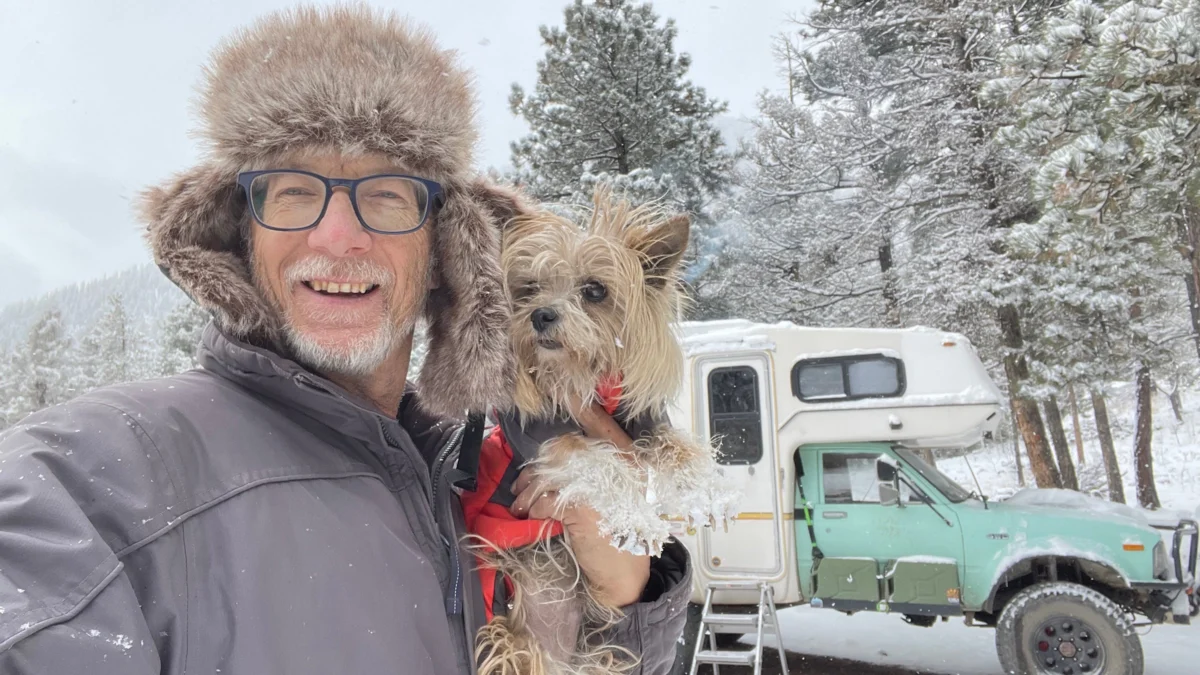
The 2026 Overland Expo West, held at Fort Tuthill County Park in Flagstaff, Arizona, served as a critical nexus for the rapidly expanding vehicle-supported adventure industry. While the event is traditionally recognized for showcasing the latest in high-altitude tents, modular kitchen systems, and heavy-duty suspension kits, the 2026 iteration placed a heightened emphasis on human capital. As the overlanding market continues its upward trajectory—projected to exceed an $18 billion valuation globally by 2027—industry analysts and seasoned travelers alike are shifting focus from material acquisition to experiential wisdom. This year, a cohort of "Overland OGs"—individuals with decades of experience ranging from five to forty years on the road—convened to provide a counter-narrative to the gear-heavy consumerism that often dominates the scene. Their collective testimony suggests that the most critical components of a successful expedition are not found in a catalog, but are developed through patience, self-reliance, and a willingness to embrace the unpredictable.
The Minimalist Mandate: Deconstructing the $10,000 Barrier
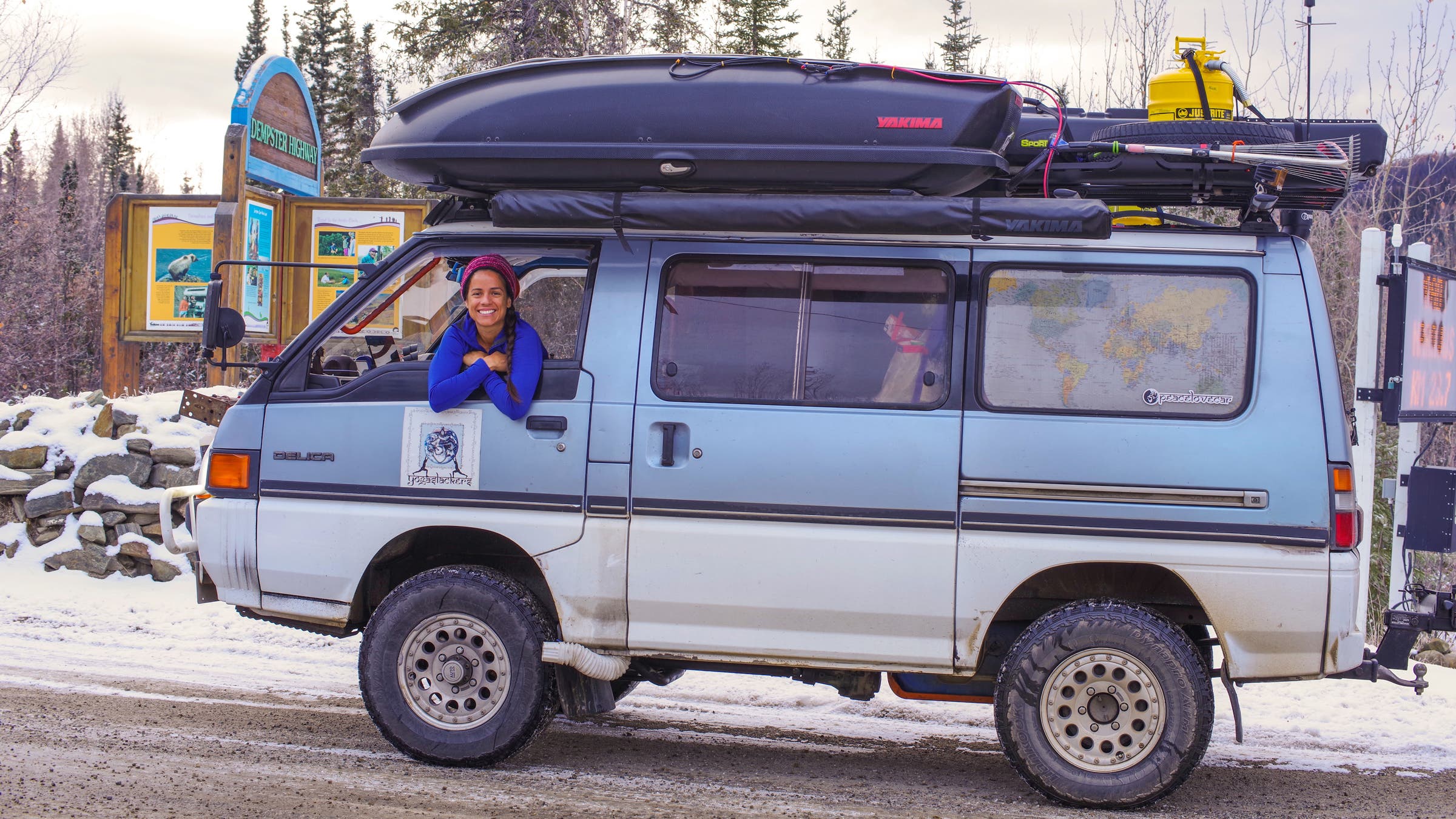
A recurring theme among the veteran community is the rejection of the "gear-first" mentality. For many newcomers, the entry into overlanding is often preceded by significant capital investment in vehicle modifications. However, Raquel Hernández and Sam Salwei, the duo behind the @yogaslackers platform, argue that this approach is fundamentally flawed. Hernández, who manages their mobile lifestyle with a focus on agility, advocates for a "slow build" methodology. Her recommendation to the 2026 attendees was to implement only a third of envisioned upgrades before embarking on an initial journey. This practical vetting process allows travelers to identify genuine needs versus perceived requirements, preventing the accumulation of "dead weight" that can compromise vehicle fuel efficiency and storage logic.
This sentiment is echoed by Lesa NeSmith, known to her digital audience as SimplyLesa. NeSmith represents a vital but often overlooked segment of the overlanding community: the budget-conscious traveler. Having engaged in car camping since 1978, NeSmith operates on a fixed income of $1,000 per month. Her vehicle of choice, a 1998 Chevy Tracker, stands in stark contrast to the six-figure "adventure rigs" often seen on the Expo floor. NeSmith’s presence at the event served as a case study in accessibility, proving that the barrier to entry for long-term travel is psychological rather than financial. By utilizing affordable supplies from mass-market retailers like Walmart, NeSmith demonstrates that the "Joneses" of the overlanding world do not set the standard for authentic exploration.
Historical Perspectives and the Evolution of the Rig
The chronology of overlanding has seen a dramatic shift from utilitarian necessity to lifestyle branding. David Jenden, whose off-roading experience dates back to 1988, provided a historical perspective on vehicle evolution. While Jenden currently operates a sophisticated Iveco 135E18, he maintains that his most memorable experiences occurred in a $2,500 pickup truck equipped with a basic tent and a salvaged mattress. Jenden’s trajectory highlights a common "OG" path: starting with the basics and graduating to complex systems only after mastering the fundamentals of field repair and navigation.
Jenden also raised concerns regarding the industry’s total reliance on digital navigation. While GPS and satellite mapping have revolutionized backcountry access, Jenden advocates for the preservation of analog skills. He noted that paper maps offer a spatial context that small screens cannot replicate, often leading to "serendipitous discoveries" on unmarked roads that digital algorithms might overlook. This "old school" approach is not merely nostalgic; it serves as a critical redundancy for safety in areas where satellite signals are obstructed or electronic hardware fails due to extreme temperatures.
Similarly, Allan and Fancie Ivy, who began their overlanding journey in South Africa in 1980, transitioned from basic setups to a refurbished Swiss fire truck. Despite their current high-clearance, heavy-duty capabilities, their primary advice to the 2026 crowd remained centered on immediate action: "Get out there with whatever you have at your disposal." The Ivys’ long-term perspective suggests that the vehicle is merely a vessel for the experience, and waiting for the "perfect" build often leads to missed opportunities during one’s peak physical years.
The Logistics of Self-Reliance and Risk Management
Beyond gear, the veteran overlanders emphasized the internal toolkit required for the backcountry. Stan Dietzman, a practitioner of off-roading since 1971, identified self-reliance as the most significant factor in travel longevity. Dietzman’s philosophy is rooted in the reality of remote exploration, where professional recovery services may be hours or days away. He recounted over a dozen instances of being "in a bind," asserting that the ability to self-recover is what transforms a potential crisis into an enjoyable challenge. This requires not only recovery gear—such as winches and traction boards—but also the mechanical knowledge to use them safely.
Contrastingly, Steve and Sioux Tobueren, a couple with 50 years of shared adventure, focused on the importance of "conservative decision-making." Their approach to risk management involves a low threshold for turning back. Steve Tobueren noted that pushing a vehicle or a driver to their absolute limit often results in mechanical failure or interpersonal strain. Sioux Tobueren added a social dimension to this advice, noting that maintaining the comfort and safety of all party members is essential for ensuring that overlanding remains a sustainable long-term hobby for couples.
The Social and Psychological Landscape of Nomadic Life
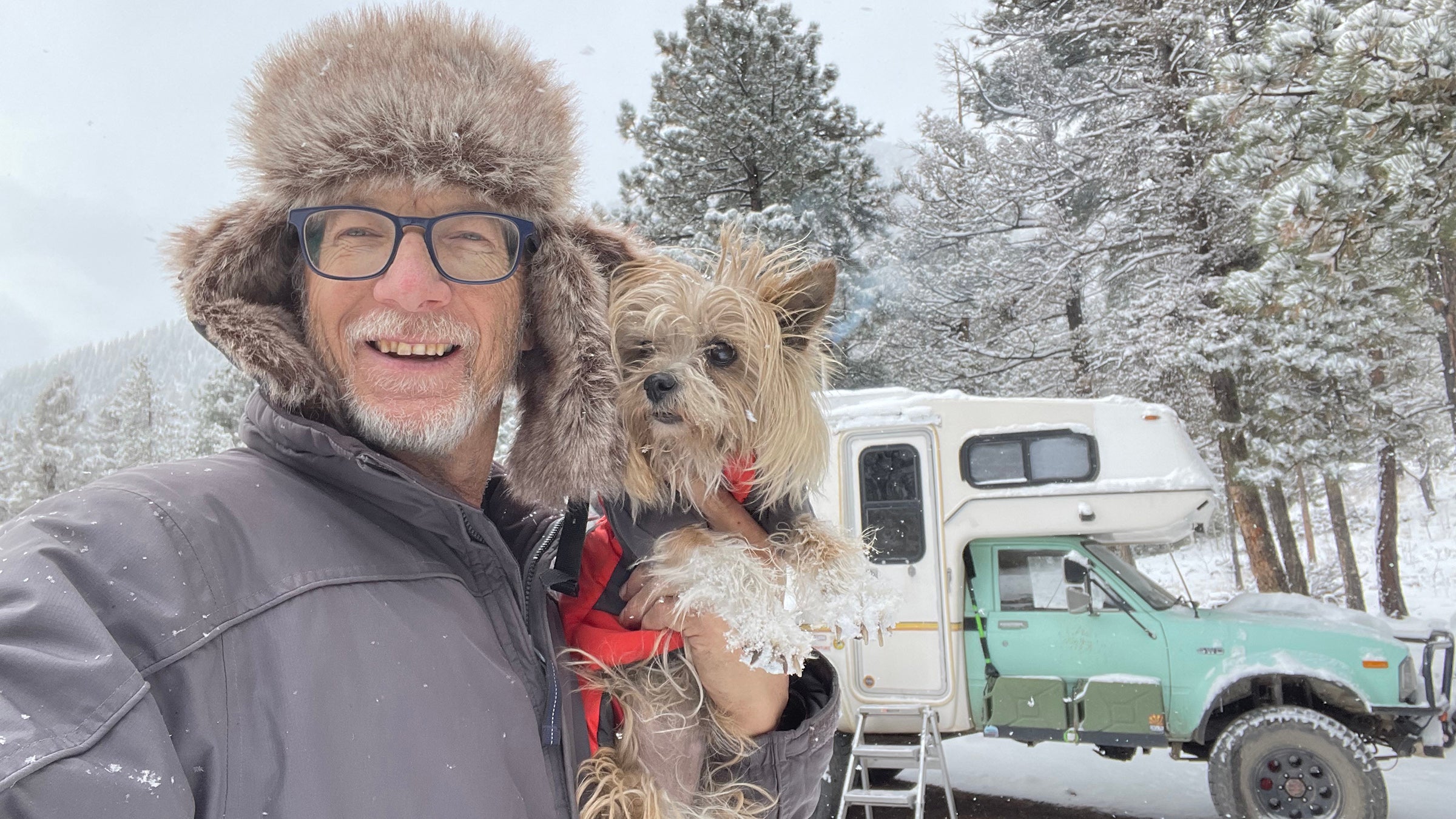
The 2026 Expo also addressed the evolving social dynamics of public lands. Bradley Enlow, who travels in a 1982 Toyota Sunrader, spoke to the common frustration of "overcrowded" backcountry spots. Enlow admitted that his initial motivation for overlanding was isolation, leading to resentment when encountering other travelers. However, his long-term experience has shifted his perspective toward the value of community. Enlow noted that some of his most significant support networks—including offers of mechanical help and local lodging—came from the very people he initially wished to avoid. This shift from "rugged individualism" to "community reliance" is a hallmark of the veteran experience.
Jeff and Kristi Hosea, overlanders since 1994, contributed insights into the psychological maintenance required for life on the road. Jeff Hosea emphasized flexibility, viewing unexpected detours not as failures of planning, but as opportunities for exploration. To manage the inherent stress of constant movement, Kristi Hosea highlighted the necessity of "daily rituals." She argued that mindfulness and grounding exercises are essential for navigating the sensory overload of travel. By maintaining a internal sense of "home" through routine, travelers can better handle the external volatility of weather, terrain, and mechanical issues.
Industry Implications and the Broader Impact of Veteran Advice
The insights shared at Overland Expo West 2026 come at a pivotal time for the outdoor industry. According to data from the Speciality Equipment Market Association (SEMA), the "overlanding" segment has seen a 25% year-over-year increase in consumer spending since 2022. However, this growth has brought challenges, including increased impact on fragile ecosystems and a rise in "preventable rescues" involving ill-prepared novices.
The "OG" emphasis on simplicity and self-reliance serves as an informal regulatory mechanism for the community. By encouraging new travelers to "start with what they have," veterans are inadvertently promoting environmental stewardship. Smaller, lighter vehicles cause less trail erosion and consume less fuel, aligning with the "Tread Lightly" principles that the Expo officially supports. Furthermore, the focus on "analog" skills and conservative risk management may reduce the burden on local search and rescue (SAR) teams in popular overlanding hubs like Moab, Utah, and the San Juan Mountains of Colorado.
The 2026 event concluded with a consensus that the future of overlanding lies in a hybrid approach: utilizing modern technology for safety and efficiency while maintaining the minimalist, resilient spirit of the 1970s and 80s. As the industry looks toward 2027, the voices of Hernández, NeSmith, Jenden, and others provide a necessary roadmap for sustainable growth. Their message is clear: while the gear may change, the fundamental requirements of curiosity, adaptability, and respect for the land remain constant. For the thousands of attendees at Flagstaff, the takeaway was not a shopping list, but a mandate to simplify their kits and amplify their experiences.


 Chandra Hamzah
 Gabriela Annisa
 Tatiana Tantri Indah Sari
 Hendra Ismail
 Walid Sujud Trenggono
 Budi Mulyono