
 Tatiana Tantri Indah Sari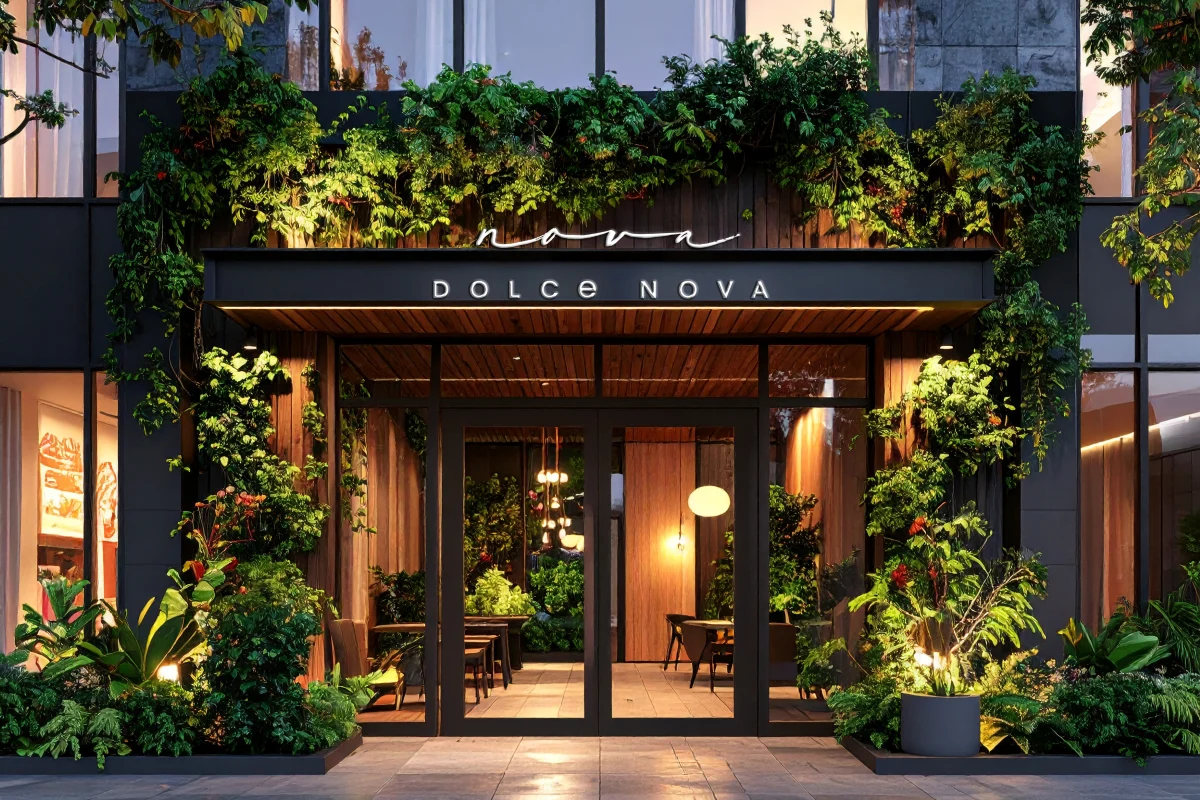
Wyndham Hotels & Resorts, a global lodging giant historically renowned for its dominance in the economy and midscale segments, announced the official launch of Dolce Nova on Monday. Unveiled at the Annual Hospitality Conference in Manchester, England, Dolce Nova represents an upper-upscale boutique extension of the company’s existing meetings- and events-focused Dolce Hotels & Resorts brand.
This strategic introduction marks a significant milestone for the hospitality titan. Dolce Nova is notably the very first brand concept to be conceived, designed, and launched entirely from within Wyndham’s Europe, Middle East, Eurasia, and Africa (EMEA) regional team. For a corporation that has built the vast majority of its 25-brand portfolio through external acquisitions—absorbing 20 brands over the years—this organic creation signals a shift in corporate strategy toward internal incubation and targeted market expansion.
The Strategic Shift: Organic Creation Versus Acquisition
For decades, Wyndham’s growth playbook relied heavily on acquisition. By purchasing established brands and integrating them into its powerful global distribution and loyalty infrastructure, the company scaled efficiently to encompass thousands of properties worldwide. However, the launch of Dolce Nova demonstrates a calculated pivot toward organic brand development, tailored specifically to meet evolving consumer preferences without the hefty capital expenditure typically required for corporate buyouts.
Dimitris Manikis, President for Wyndham Hotels & Resorts in EMEA, highlighted the financial and strategic rationale behind the new brand during an interview at the Manchester conference. Addressing why the company chose to build rather than buy, Manikis noted the efficiency of leveraging existing brand equity.
“Why would we spend a lot of money to buy something when we actually can create an extension of the Dolce brand and introduce it to a new consumer base?” Manikis stated.
This philosophy underscores a broader realization within executive boardrooms: while budget and economy segments thrive on scale, standardization, and operational efficiency, upper-upscale lifestyle and boutique segments demand an entirely different corporate instinct. Where Wyndham has historically mastered the art of managing high-volume, cost-conscious properties, Dolce Nova requires a disciplined adherence to restraint, highly curated interior design, and an intimate understanding of a discerning demographic that the company has not traditionally chased.
Understanding the Brand Lineage: From Traditional Dolce to Dolce Nova
To understand the positioning of Dolce Nova, one must examine the legacy of its parent brand. Wyndham originally acquired Dolce Hotels & Resorts in 2015, integrating a portfolio recognized primarily for its expansive footprint and robust meetings infrastructure. Traditional Dolce properties typically range from 200 to 400 rooms, heavily optimized for corporate retreats, large-scale conferences, and structured business events. While highly successful in the B2B and group-travel space, traditional Dolce assets are often located in suburban or resort enclaves designed to accommodate large delegations rather than individual leisure travelers seeking local authenticity and boutique charm.
Dolce Nova breaks away from this macro-scale approach. While retaining the foundational pillars of superior hospitality and seamless event execution associated with the Dolce name, Dolce Nova is engineered for a different physical and psychological footprint. The brand targets urban and high-demand secondary markets, prioritizing intimate scale, architectural distinctiveness, and localized design narratives. It aims to capture the growing segment of travelers who blend business with leisure—often referred to as bleisure travelers—as well as affluent vacationers who prefer boutique aesthetics over standardized luxury.
Background Context and Industry Environment
The unveiling of Dolce Nova comes at a critical juncture for the global hospitality industry. In the post-pandemic landscape, travel demand has exhibited a profound bifurcation. While budget and economy segments face cost-of-living pressures, the upper-upscale and luxury boutique sectors have demonstrated remarkable resilience and pricing power. Travelers across generations are increasingly prioritizing experiential travel, authentic local integration, and design-forward accommodations over cookie-cutter corporate hotel rooms.
Simultaneously, major hotel conglomerates are aggressively expanding their lifestyle portfolios to capture higher-yielding customer segments and appeal to independent hotel owners looking for powerful distribution systems. By introducing an upper-upscale boutique brand born in Europe, Wyndham is positioning itself to capture conversions from independent lifestyle hotels that seek global loyalty programs and technological backing without sacrificing their localized identity.
Europe serves as an ideal incubator for such a concept. The continent boasts a rich inventory of historic buildings, urban architectural gems, and vibrant destination markets that naturally lend themselves to boutique hospitality. By tasking the EMEA team with the creation of Dolce Nova, Wyndham has leveraged local market expertise to design a brand that directly answers European lifestyle development trends—a model the company hopes to eventually replicate or expand across other global regions.
Chronology of Development and Market Introduction
The path to Dolce Nova’s debut reflects months of meticulous planning by Wyndham’s EMEA leadership.
- Early Planning Phases (2023): Recognizing a gap in its portfolio for a design-led, upper-upscale boutique product that still honored its corporate meetings DNA, the EMEA regional team began conceptualizing a brand extension rather than pursuing third-party acquisitions.
- Brand Architecture and Identity Formulation (Late 2023 – Mid 2024): Executives focused on defining the core tenets of Dolce Nova: architectural restraint, localized guest experiences, integrated digital infrastructure, and scalable boutique operations.
- Official Announcement (October 2024): Wyndham officially unveiled Dolce Nova to industry stakeholders, investors, and media at the Annual Hospitality Conference in Manchester, marking the public debut of the company’s first internally engineered brand concept in recent history.
- Next Steps and Pipeline Development (2025 and Beyond): The company is currently engaging with franchise partners, real estate developers, and property owners across Europe and surrounding regions to secure pilot locations and establish the initial development pipeline.
Fact-Based Analysis of Implications for Wyndham and Competitors
The introduction of Dolce Nova carries several strategic implications for Wyndham Hotels & Resorts and the broader competitive landscape.
Diversification of Guest Demographics
Historically, Wyndham’s brand architecture has leaned heavily toward economy, midscale, and upper-midscale tiers—exemplified by brands like Super 8, Days Inn, Ramada, and Wyndham Garden. While these brands generate massive, reliable revenue streams through franchising, they do not typically capture the high-spending luxury or lifestyle traveler. Dolce Nova provides Wyndham with a credible vehicle to capture younger, affluent, and design-conscious demographics, thereby increasing customer lifetime value within the Wyndham Rewards loyalty ecosystem.
Franchisee Appeal and Conversions
For hotel owners and real estate developers, Dolce Nova offers an attractive value proposition. Independent boutique hotels often struggle with high customer acquisition costs and the lack of a robust global booking engine. By offering an upper-upscale boutique brand backed by Wyndham’s global scale, distribution network, and loyalty base of over 100 million members, the company provides owners with enterprise-level support wrapped in an independent-feeling product.
The Operational Challenge of Restraint
Scaling budget and midscale brands relies on standardized operational manuals, rapid construction timelines, and volume procurement. Conversely, boutique and upper-upscale properties thrive on bespoke elements, cultural integration, and design flexibility. The primary challenge for Wyndham will lie in maintaining rigorous brand standards while allowing the localized, restrained aesthetic required by the Dolce Nova consumer. Executive leadership must prove that a hospitality giant rooted in volume scaling can successfully cultivate and protect a boutique ethos.
Broader Industry Impact and Future Outlook
As the hospitality sector continues to consolidate, major hotel groups are racing to offer a brand for every possible consumer niche. Wyndham’s decision to develop Dolce Nova organically rather than through acquisition reflects a maturing corporate strategy. It demonstrates that large hotel groups are increasingly capable of internal innovation, challenging the notion that nimble independent operators hold a monopoly on boutique and lifestyle concepts.
Industry analysts will be closely monitoring the rollout of Dolce Nova over the coming quarters, tracking the signing of initial franchise agreements, the physical execution of pilot properties, and the market’s reception of the brand. If successful, Dolce Nova could serve as a blueprint for future organic brand launches within Wyndham, proving that even a global titan built on scale can master the delicate art of restraint, design, and upscale lifestyle hospitality.



 Anjar Salim
 Chandra Hamzah
 Budi Mulyono
 Lukman Taruna Persada Ramadan
