
 Walid Sujud Trenggono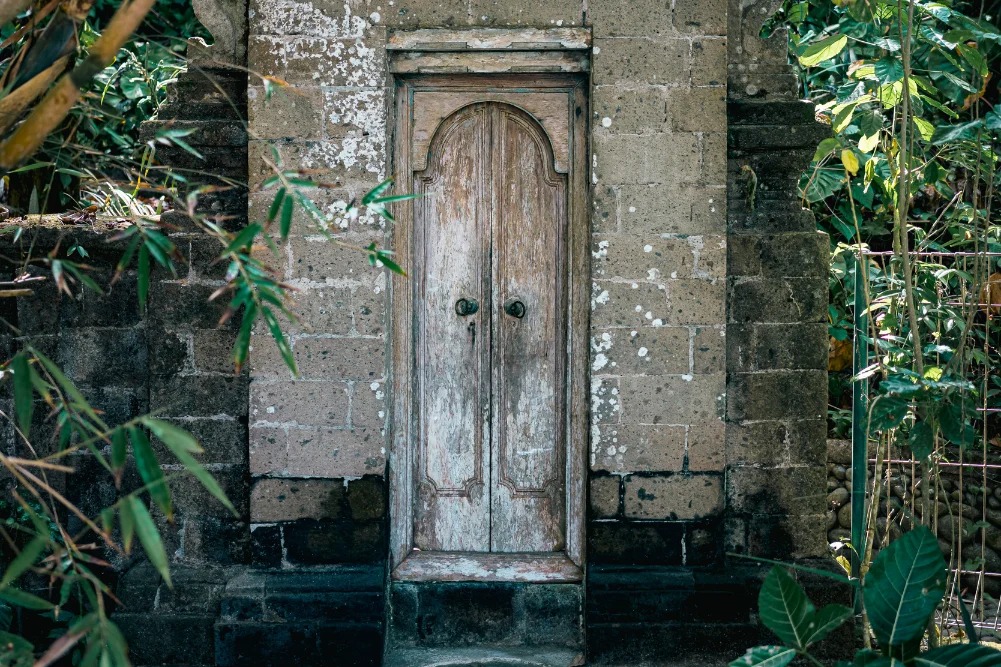
The Indonesian island of Bali has long been defined by the polarized experiences of its visitors. While the southern hubs of Kuta, Seminyak, and Canggu are synonymous with high-density tourism, vibrant nightlife, and a fast-paced "hello mister" hustle, a growing contingent of travelers is looking toward the island’s rugged west coast. Located approximately two hours northwest of I Gusti Ngurah Rai International Airport, regions such as Balian Beach and Yeh Sumbul offer a stark contrast to the commercialized south, characterized by volcanic black sands, uncrowded surf breaks, and a preserved agrarian lifestyle. This shift toward the west reflects a broader trend in global travel—a move away from over-touristed centers in favor of "slow travel" and authentic cultural immersion.
The Geographic and Cultural Landscape of West Bali
The west coast of Bali, specifically the Jembrana and Tabanan regencies, serves as the island’s agricultural heartland. Balian Beach, situated in the village of Lalanglinggah, is the primary gateway for those seeking an alternative to the Denpasar sprawl. Unlike the white sand beaches of the Bukit Peninsula, the coastline here is defined by volcanic activity, resulting in dramatic grey and black sand shores framed by crumbling cliffs and lush palm groves.
The social structure of the region remains rooted in traditional Balinese values. Visitors to Balian and its surrounding areas often find themselves amidst traditional family compounds—walled architectural clusters that house multiple generations. These compounds are centered around family temples, which remain the focal point of daily life. This lack of over-development has preserved a "village feel" where local rice planters and fishermen outnumber tourists, and the aggressive street-side solicitation common in southern Bali is virtually non-existent.
Chronology of West Bali’s Tourism Development
The emergence of West Bali as a destination has been gradual, largely driven by the surfing community.
- The 1970s-1990s: While Kuta became an international tourism magnet, the west coast remained largely inaccessible to the average traveler due to poor road infrastructure. Only intrepid surfers willing to navigate the Denpasar-Gilimanuk highway ventured north.
- The Early 2000s: Balian began to gain a reputation as a "secret spot." Small-scale guesthouses began to appear to accommodate surfers seeking consistent swells without the crowds of Uluwatu.
- 2010-2020: The rise of digital nomadism and wellness tourism saw the introduction of yoga shalas and boutique villas. However, the region’s distance from the airport—a journey that can take two to three hours depending on traffic—acted as a natural filter, preventing the mass-market saturation seen in the south.
- Post-Pandemic Era: As Bali reopened following the COVID-19 pandemic, there has been a documented surge in travelers seeking "off-the-beaten-path" escapes. Areas like Balian and Medewi have seen a modest increase in infrastructure, yet they remain significantly quieter than the burgeoning "New Canggu" areas.
Technical Analysis of the West Bali Surf Ecosystem
The primary draw for the region is its unique surfing conditions. Balian Beach is positioned at the mouth of a sacred river, which plays a critical role in the quality of the waves. The river deposits sediment that shapes the sandbars, creating consistent A-frame peaks that work across various tide levels.
Meteorological Influences
The surfing window in West Bali is dictated by a reliable convection breeze. From April to October, cool mountain air flows offshore from the jungle-clad slopes of Mount Batukaru toward the ocean. This morning breeze carves out clean, hollow waves. By midday, the southeasterly trade winds typically kick in, creating choppier conditions. This natural cycle encourages an "early to rise, early to bed" culture among visitors, contrasting with the late-night party atmosphere of the southern regencies.
The Three Breaks of Balian
The Balian surf zone is divided into three primary sections:
- The Main Peak: A consistent break that offers a slow left and a faster, more hollow right.
- Ketuts: Located across the river mouth, this is a high-performance right-hander favored by experienced riders.
- The Far West: A more forgiving, "cruisy" ride suitable for intermediate and novice surfers.
Environmental Safety and the River Mouth
While the river mouth creates excellent surf, it also introduces environmental variables. During periods of heavy torrential rain, the river can wash debris into the ocean. Local lore and sporadic sightings also note the presence of bull sharks near the river mouth after heavy rains. While incidents are exceedingly rare, seasoned surfers typically wait for the water to clear following major storms—a practice that underscores the "wild" nature of the west coast compared to the sanitized resort beaches of Nusa Dua.
The Wellness and Hospitality Infrastructure
Beyond the surf, the west coast has integrated wellness into its local economy. Establishments like Balian Spirit Yoga, led by local instructors such as Nicky Sudianta, offer an alternative to the high-priced "yoga retreats" of Ubud. These sessions, often held in open-air shalas overlooking the Indian Ocean, focus on Hatha and Vinyasa flows that cater to both travelers and the local community.
The hospitality sector in West Bali is characterized by a mix of modest homestays and mid-range boutique villas. In Balian, accommodations such as Pondok Hari Baik and Pondok Pitaya offer localized luxury, often including traditional Balinese breakfasts (such as Nasi Goreng or fresh tropical fruit) within the room rate.
Further west in Yeh Sumbul and Medewi, the infrastructure is even more stripped-back. Medewi is home to Bali’s longest left-hand point break, stretching up to 300 meters. However, the shortage of high-end beds in Yeh Sumbul often forces travelers to choose between basic surf camps and the few available resorts. This lack of "five-star" saturation is precisely what maintains the area’s appeal for those prioritizing the environment over amenities.
Supporting Data and Economic Impact
According to data from the Bali Provincial Tourism Office, the vast majority of international arrivals remain concentrated in the Badung Regency (which includes Kuta, Seminyak, and Canggu). However, the Tabanan Regency, where Balian is located, has seen a steady 5-8% annual increase in domestic and international visitors seeking "nature-based tourism."
The economic impact on local villages like Lalanglinggah is significant but delicate. Unlike the corporate-owned hotels of the south, many villas in the west are owned by locals or involve profit-sharing models with the village Banjar (community council). This ensures that a higher percentage of tourism dollars stays within the local community, supporting rice farmers and small-scale entrepreneurs.
Infrastructure Challenges and Future Outlook
The primary hurdle for West Bali remains its accessibility. The Denpasar-Gilimanuk highway is a major artery for logistics, frequently congested with heavy trucks transporting goods between Bali and Java.
However, change is on the horizon. The Indonesian government has proposed the Gilimanuk-Mengwi Toll Road, a project intended to cut travel times to the west coast significantly. While this project promises to boost the economy of Jembrana and Tabanan, it has also sparked concerns among environmentalists and long-time residents. There is a fear that improved access will lead to the same rapid, unplanned development that transformed Canggu from a quiet fishing village into a congested urban hub within a decade.
Conclusion: The Balance of West Bali
West Bali represents the "old-school" soul of the island—a place where the rhythm of the tides and the rice harvest still dictates the pace of life. For the traveler, it offers a reprieve from the "hello mister" hustle and an opportunity to engage with Balinese culture in its most authentic form. Whether it is the 300-meter rides at Medewi, the sunset yoga sessions in Balian, or the simple pleasure of a tempeh burger at a local warung, the west coast provides a necessary counterweight to the island’s more commercialized districts.
As Bali continues to evolve in the post-pandemic landscape, the west coast stands as a testament to the enduring appeal of the "untamed." For now, the two-hour drive remains a small price to pay for a slice of Indonesian paradise that feels worlds away from the Denpasar mayhem. The challenge for the future will be preserving this "wilder" side of Bali while embracing the economic benefits that tourism brings to its rural heartland.


 Anjar Salim
 Chandra Hamzah
 Tatiana Tantri Indah Sari
 Budi Mulyono

