
 Gabriela Annisa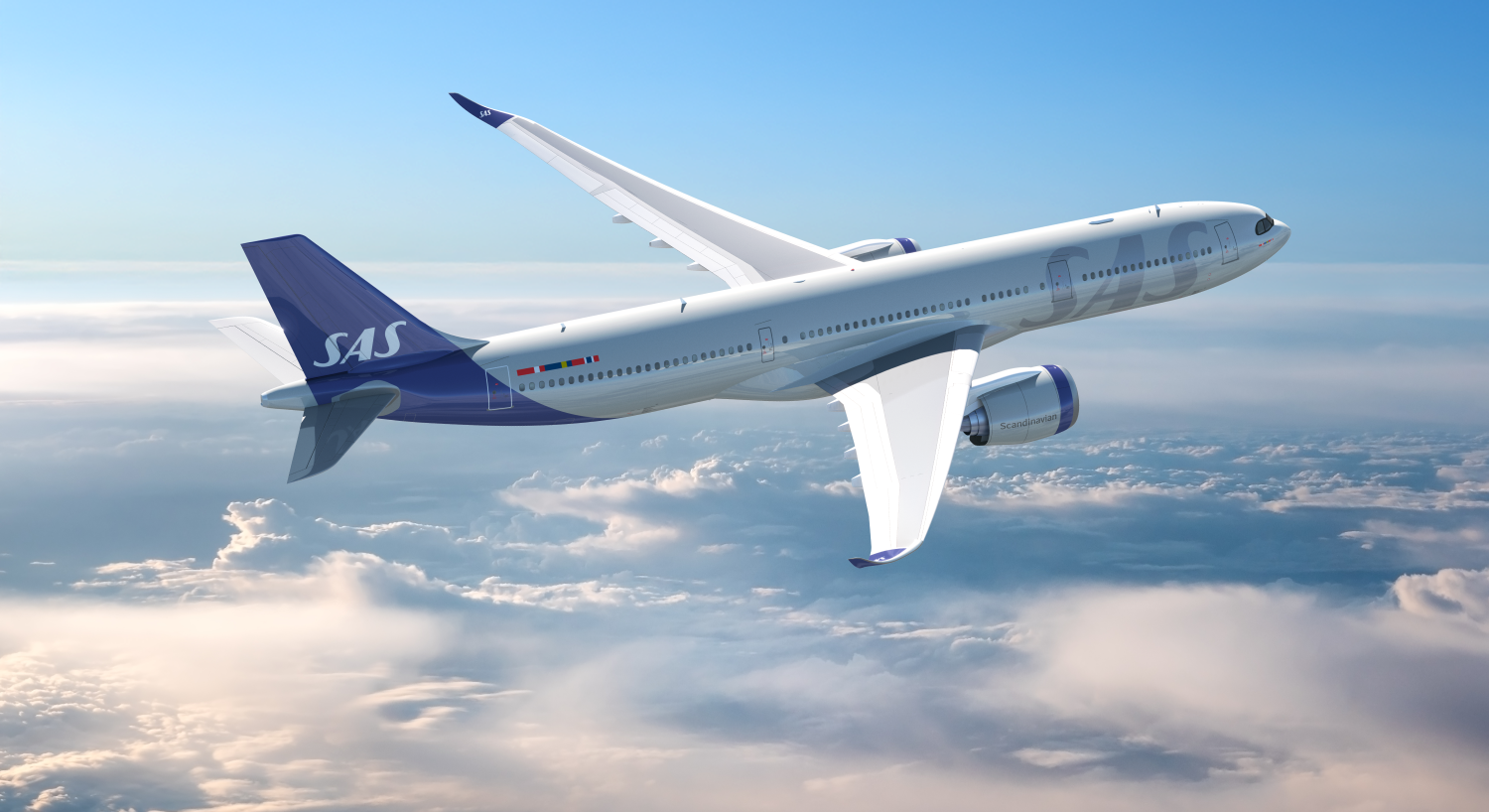
The aviation landscape in Northern Europe is poised for a significant transformation following the announcement of a substantial investment by the Air France-KLM Group into SAS Scandinavian Airlines. This strategic move, part of a broader consortium effort, signals ambitious plans for the venerable Scandi carrier, with particular emphasis on strengthening its position and expanding operations at its key hub in Copenhagen. The investment, which will see SAS exit its Chapter 11 restructuring process, is expected to reshape airline alliances in the region and intensify competition, particularly in the lucrative long-haul market.
A New Chapter for SAS Amidst Financial Restructuring
SAS Scandinavian Airlines, a foundational pillar of Nordic aviation for decades, has navigated a turbulent period marked by significant financial distress, exacerbated by the global pandemic and heightened competition. The airline initiated a Chapter 11 restructuring process in the United States in July 2022, a necessary step to address its substantial debt burden and secure long-term viability. This process, known as SAS Forward, aimed to achieve a comprehensive financial restructuring, including converting debt to equity, raising new capital, and implementing cost-saving measures.
The airline’s struggles had been multi-faceted, encompassing high operating costs, a complex fleet structure, and intense pressure from low-cost carriers in its home markets. Prior to the Chapter 11 filing, SAS had been grappling with a prolonged period of unprofitability, with the pandemic pushing it to the brink. The restructuring sought to rationalize its operations, streamline its fleet, and achieve a more competitive cost base.
The bidding process for new equity investment in SAS was highly competitive, attracting several prominent aviation groups and financial investors. The eventual selection of the consortium led by Air France-KLM, alongside Castlelake, Lind Invest, and the Danish state, marks a pivotal moment for the airline. This new ownership structure is anticipated to inject much-needed capital and strategic direction, enabling SAS to embark on a path of renewed growth and stability.
The Air France-KLM Consortium: A Strategic Alliance
The consortium’s investment, valued at approximately $1.175 billion (equivalent to SEK 12.925 billion), comprises $475 million in new equity and $700 million in convertible debt. Within this framework, Air France-KLM is set to become a significant shareholder, acquiring a minority stake of up to 19.9% in the restructured SAS. The lead investor, the U.S. investment firm Castlelake, will hold approximately 32% of the shares, while the Danish state will retain 25.8%. Lind Invest, a Danish investment company, will hold 8.6%.
This multi-party investment underscores a shared belief in SAS’s intrinsic value and future potential. For Air France-KLM, the investment is a clear strategic play to strengthen its footprint in Northern Europe, a region with robust economic activity and a strong demand for both business and leisure travel. Integrating SAS into its network, and eventually into the SkyTeam alliance, promises to create substantial synergies, particularly in terms of network optimization, customer reach, and operational efficiencies. The move is also seen as a defensive strategy to prevent competitors from gaining a stronger foothold in a critical European market.
Copenhagen: The Jewel in SAS’s Crown and Future Hub Strategy
Central to the revitalized strategy for SAS, under its new ownership, is the strategic enhancement of its Copenhagen Airport (CPH) hub. Copenhagen has long served as SAS’s primary international gateway, leveraging its advantageous geographical position as a bridge between Scandinavia, Europe, and North America/Asia. Its robust infrastructure, efficient operations, and strong local market demand make it an attractive point for network development.
Air France-KLM’s focus on Copenhagen suggests a vision to transform CPH into an even more formidable Northern European hub, complementing its existing major hubs in Paris (Charles de Gaulle) and Amsterdam (Schiphol). This could involve:
- Expanded Long-Haul Connectivity: Utilizing Copenhagen’s strategic location for new long-haul routes, potentially leveraging Air France-KLM’s global network and code-sharing agreements. This aligns with the ongoing discussions around SAS’s widebody order.
- Enhanced Intra-European Feeder Network: Strengthening SAS’s short and medium-haul network from Copenhagen to feed passengers into the broader Air France-KLM/SkyTeam long-haul network.
- Increased Frequencies: Boosting flight frequencies on key routes to improve connectivity and convenience for passengers.
- Joint Ventures and Code-Shares: Deeper integration with Air France and KLM, allowing passengers seamless travel across a combined network, offering more destinations and flexible itineraries.
This strategic emphasis on Copenhagen is expected to stimulate significant growth at the airport, benefiting local economies, creating jobs, and enhancing the region’s global connectivity. It also signals a direct challenge to competitors who operate significant hubs in the Nordic region or aim to capture market share from Scandinavia.
The Widebody Order: A Bet on Long-Haul Growth
Amidst the restructuring and new investment, SAS has been in discussions regarding a new widebody aircraft order. This move, currently under scrutiny by industry analysts, prompts the question of whether the carrier can justify a substantial increase in its long-haul fleet. The justification hinges on several factors:
- Fleet Modernization: A new widebody order could replace older, less fuel-efficient aircraft, reducing operating costs and environmental impact. Modern aircraft like the Airbus A350 or Boeing 787 offer superior fuel efficiency, range, and passenger comfort.
- Network Expansion: The order would likely support the launch of new long-haul routes, particularly from Copenhagen, to destinations in North America, Asia, or even Latin America, markets where SAS currently has limited presence or opportunities for growth.
- Increased Capacity: It could also signify an intent to increase frequencies on existing popular long-haul routes, catering to growing demand for direct connections from Scandinavia.
- Integration with Air France-KLM: The new widebody fleet could be strategically deployed to complement Air France-KLM’s long-haul network, filling gaps or strengthening key routes where the combined group seeks to dominate. For instance, connecting Scandinavian markets more effectively to Air France-KLM’s vast networks in Africa, South America, or specific Asian markets via their European hubs.
Industry experts are closely watching the details of this order. While SAS has historically operated a mix of Airbus A330s and A340s for long-haul, and more recently A350s, the scale and timing of a new order post-restructuring will reveal the extent of the new owners’ ambition for long-haul expansion. The success of this strategy will depend heavily on global economic recovery, fuel price stability, and the ability to attract and retain high-yield passengers in a competitive market.
Timeline of SAS’s Restructuring and AF-KLM’s Entry
- 2019-2020: SAS faces mounting financial pressures, exacerbated by the global grounding of the Boeing 737 MAX and then the onset of the COVID-19 pandemic, leading to significant losses and government aid packages from Sweden and Denmark.
- 2021: Ongoing efforts to cut costs and renegotiate labor agreements. Discussions about long-term financial stability intensify.
- July 2022: SAS files for Chapter 11 bankruptcy protection in the U.S., launching the "SAS Forward" restructuring plan to reduce debt, raise new capital, and transform its business. Pilot strikes further complicate operations.
- Late 2022 – Early 2023: SAS engages with potential investors for new equity. Discussions with various airlines and investment funds commence.
- October 2023: SAS announces that a consortium led by Castlelake, with Air France-KLM, Lind Invest, and the Danish state, has been selected as the successful bidder in its equity raise process. This marks a definitive shift in ownership.
- December 2023 – Early 2024: Regulatory approvals for the investment are sought, including competition clearances. Preparations begin for SAS’s exit from Star Alliance and eventual entry into SkyTeam.
- 2024 (Anticipated): SAS formally exits Chapter 11, the new ownership structure is implemented, and the airline begins its integration process with Air France-KLM and the SkyTeam alliance. Decisions regarding the widebody order are expected to materialize, outlining future long-haul strategy.
Official Responses and Market Reactions
While specific official statements on the widebody order and Copenhagen hub expansion remain forthcoming in detail, general sentiments from the involved parties reflect optimism.
From SAS Leadership: CEO Anko van der Werff has consistently expressed confidence in the restructuring process and the future viability of SAS. The new investment is seen as a crucial step to secure the airline’s long-term competitive position and allow for strategic investments in fleet and network. The focus will be on leveraging the strengths of the new partners.
From Air France-KLM Group: CEO Benjamin Smith has highlighted the strategic importance of the Nordic region and the potential for synergies with SAS. The investment is presented as an opportunity to expand Air France-KLM’s network into key Scandinavian markets, offering enhanced connectivity for customers and strengthening the group’s overall European presence. The intention to integrate SAS into SkyTeam underscores a clear alliance strategy.
Analyst Perspectives: Aviation analysts generally view the investment positively for SAS, providing much-needed financial stability and a clear strategic direction. The move to SkyTeam is seen as a logical consequence of the AF-KLM investment, but also a significant disruption to the established alliance structure in Northern Europe. Concerns, if any, revolve around the execution risk of integrating SAS into a new alliance and the competitive response from other carriers. The widebody order is seen as an aggressive move, indicating a strong belief in the potential for long-haul growth from Copenhagen, but will require careful route planning and demand management.
Broader Impact and Implications
The ramifications of this development extend far beyond SAS and its new owners:
- Alliance Realignment: SAS’s planned departure from Star Alliance, an alliance it co-founded, and its eventual move to SkyTeam, will significantly alter the competitive landscape. Star Alliance will lose a key Nordic presence, potentially prompting other members to strengthen their own services to the region. SkyTeam, conversely, will gain a valuable network in Scandinavia.
- Increased Competition in the Nordics: The revitalized SAS, backed by Air France-KLM, will intensify competition with other carriers serving the Nordic market, including Finnair (a Oneworld member), Norwegian Air Shuttle, and Icelandair. This could lead to price wars or shifts in market share, particularly on trans-Atlantic and Asian routes.
- Copenhagen Airport’s Role: CPH is set to become an even more critical hub, potentially attracting increased traffic, new routes, and expanded facilities. This will benefit the Danish economy and enhance Copenhagen’s status as a global gateway.
- Air France-KLM’s European Dominance: The acquisition strengthens Air France-KLM’s position as a leading airline group in Europe, expanding its reach and network influence.
- Consumer Benefits: Passengers are likely to benefit from increased connectivity, more travel options, and potentially more competitive fares as airlines vie for market share. Seamless connections through Copenhagen to the broader Air France-KLM/SkyTeam network will be a key advantage.
Elsewhere in Aviation: Air New Zealand’s Turnaround Plan
While the spotlight is firmly on SAS, another carrier, Air New Zealand, has also been actively working on an updated turnaround plan, as discussed in recent industry analyses. The airline, a vital link for New Zealand’s economy and tourism, has faced its own set of unique challenges, including its geographic isolation and the severe impact of border closures during the pandemic.
Air New Zealand’s updated plan focuses on several strategic pillars:
- Network Rebuilding and Expansion: Gradually restoring and expanding its international network, particularly to key markets in North America and Asia, while maintaining strong domestic connectivity.
- Fleet Optimization: Modernizing its fleet with more fuel-efficient aircraft to reduce operating costs and environmental footprint, critical for long-haul operations.
- Digital Transformation: Investing in digital tools and customer experience enhancements to streamline operations and improve passenger journeys.
- Cost Management: Continuing efforts to maintain a competitive cost base while navigating inflationary pressures and rising fuel prices.
- Sustainability Initiatives: Accelerating efforts towards decarbonization, including sustainable aviation fuel (SAF) procurement and fleet upgrades, aligning with global industry trends.
The success of Air New Zealand’s plan hinges on the sustained recovery of international travel, stable fuel prices, and its ability to attract and retain skilled personnel in a tight labor market. The airline’s focus on resilience and strategic growth in a post-pandemic world reflects broader industry efforts to adapt and thrive amidst evolving global conditions.
In conclusion, the investment by Air France-KLM into SAS marks a significant turning point for the Scandinavian carrier, promising a new era of stability and strategic growth focused on its Copenhagen hub. The anticipated widebody order and alliance shift underscore a bold vision for SAS’s future, while simultaneously reshaping the competitive dynamics of European and global aviation. The coming years will reveal the full extent of these ambitious plans and their impact on the industry.




 Anjar Salim
 Chandra Hamzah
 Tatiana Tantri Indah Sari
 Budi Mulyono

