
 Budi Mulyono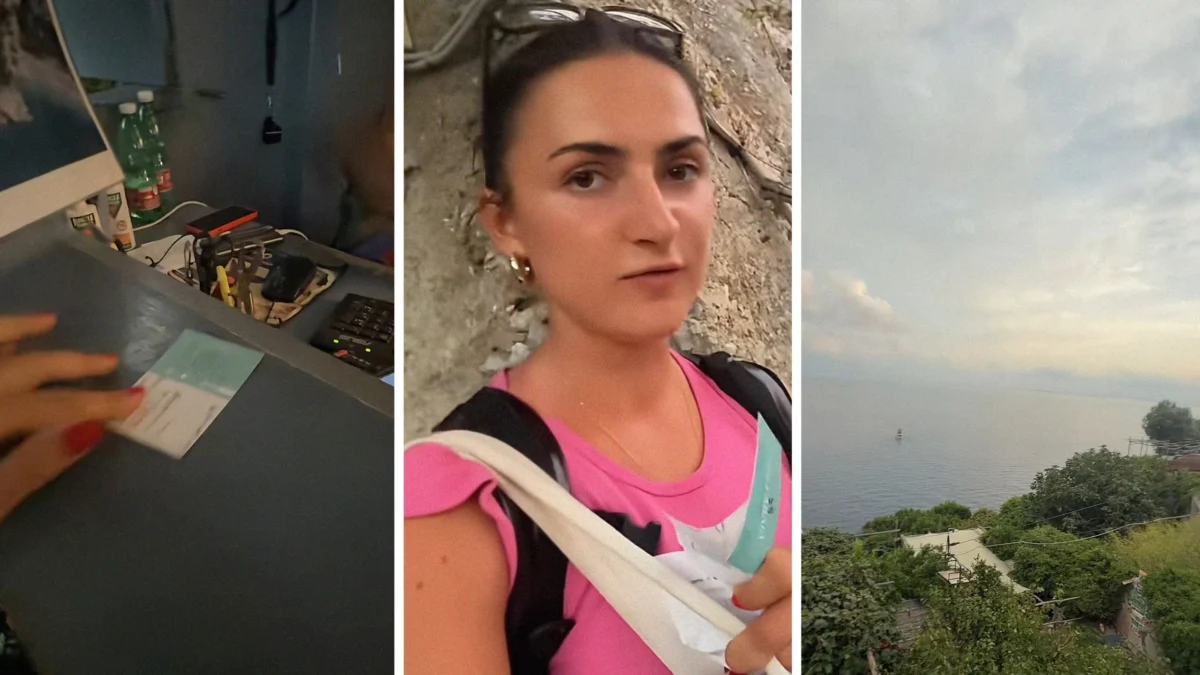
The eternal dilemma facing modern travelers—maximizing experiential value while minimizing expenditures—frequently collides with the harsh economic realities of premier global tourist destinations. Nowhere is this tension more pronounced than along Italy’s famed Amalfi Coast, a rugged Mediterranean stretch where even the most spartan lodgings often command prices equivalent to luxury beachside resorts. Recently, this economic paradox captured the attention of millions online when travel creator Howsweethesound, known on TikTok as @howsweethesound, documented her experience booking what she advertised as the "cheapest accommodation on the Amalfi Coast" for $236 per night, ultimately sparking a widespread debate concerning modern travel philosophy, budgeting, and the boundaries of vacation comfort.
The True Cost of Bargain Travel on the Amalfi Coast
The viral video documentation began with a candid self-assessment from the creator as she navigated a local dock burdened with a duffel bag and a backpack. Displaying onscreen text identifying her destination as the "cheapest accommodation on the Amalfi Coast," she chronicled the grueling physical trek required to reach her bargain lodging. Upon realizing the unique nature and steep price point of the property, she promptly extended her reservation by an additional night, pushing her total accommodation expenditure to $708 before factoring in food, transport, or ancillary travel costs.
Accessing the property required ascending dozens of steep stone staircases embedded into the sheer cliffside, a physical feat that left her visibly exhausted and physically trembling. Upon arrival, however, the architectural and natural payoff proved striking. The property featured a shared dining infrastructure and a picturesque terrace canopied by grapevines, offering sweeping, unobstructed views of the Tyrrhenian Sea.
Yet, the reality of the room itself challenged conventional expectations of a $236-per-night hotel alternative: upon unzipping the lodging’s entrance, it became immediately evident that the quarters were, fundamentally, a tent. Despite the unconventional canvas structure, the interior was described as spacious, clean, and thoughtfully styled, partially offsetting the unconventional nature of the shared, spartan bathroom facilities located nearby among fragrant lemon groves. Reflecting on the experience in a follow-up dispatch, the creator noted that the atmosphere surpassed traditional resort accommodations, praising the ambient tranquility of nights spent listening to music beneath the open sky.
Digital Reactions and the Great Solo Travel Schism
The digital response was swift and sharply polarized, illuminating a broader cultural divide in contemporary tourism habits regarding planning, spontaneity, and comfort thresholds. While a segment of the online audience celebrated the raw, romanticized spontaneity of listening to a guitar under the stars in southern Italy, others questioned the lack of structured itinerary planning and expressed an aversion to accommodations resembling camping.

Comment sections devolved into fervent discussions concerning the correct methodology for executing solo European travel. Critics questioned the wisdom of booking unstructured, rustic lodgings in high-cost regions without prior vetting, while supporters defended the journey as a textbook definition of modern adventure. The discourse crystallized around the tension between structured luxury tourism and unscripted experiential travel, highlighting how social media platforms increasingly serve as arenas for public debates on lifestyle and economic choices.
Historical and Economic Context of the Amalfi Coast
To understand the financial weight of securing even a budget accommodation along the Amalfi Coast, one must examine the region’s rich, centuries-long evolution as an elite enclave. Historically, the jagged coastline—comprising iconic settlements such as Ravello, Amalfi, Praiano, and Positano—has functioned as a magnet for affluent travelers dating back to the Roman Empire. Long before the arrival of modern micro-buses and congested traffic along the winding mountain corridors, Roman elites decorated the seaside cliffs with opulent villas, the ruins of which remain visible near historic landmarks like the Church of Santa Maria Assunta.
Positano, perhaps the most internationally recognized jewel of the coast, traces its documented municipal origins to the ninth century, when inhabitants of neighboring areas fled Saracen incursions. Over the centuries, the settlement experienced volatile economic shifts. It transitioned from a thriving medieval maritime trading port to a desolate 19th-century fishing village following a devastating 14th-century tsunami and subsequent geopolitical shifts surrounding the unification of Italy in 1861.
Modern revitalization arrived only with infrastructural developments, most notably the construction of the SS163 coastal highway in the early 20th century. This engineering feat linked the isolated mountain communities to mainland Italy, ushering in an era of international tourism. Artists, intellectuals, and cultural elites rapidly populated the shores of Spiaggia Grande and Fornillo beaches. Today, that legacy of exclusivity persists; premium beachside amenities, such as reserved sun loungers and umbrellas at venues like La Scogliera, command daily rates starting at €550.
Broader Implications for Budget Tourism in Iconic Destinations
The widespread engagement generated by the creator’s lodging experiment underscores broader economic realities facing travelers in the post-pandemic tourism boom. Iconic European destinations are increasingly grappling with overtourism, skyrocketing accommodation costs, and infrastructure strains. For budget-conscious travelers, securing an authentic experience without incurring crippling debt requires innovative, often unconventional lodging strategies—ranging from cliffside camping tents to peripheral rural guesthouses far removed from urban centers.
At the same time, the viral nature of such content exposes the commodification of vulnerability and discomfort on social media. What constitutes a romantic, rustic adventure for one digital creator may represent an overpriced, subpar logistical nightmare for another traveler accustomed to standard hospitality safety nets. As the travel industry continues to adapt to influencer-driven itineraries, prospective visitors are increasingly forced to weigh the aesthetic value of viral backdrops against the tangible comfort and financial prudence of their travel investments.




 Anjar Salim
 Lukman Taruna Persada Ramadan

 Chandra Hamzah
 Tatiana Tantri Indah Sari