
 Dwi Wanna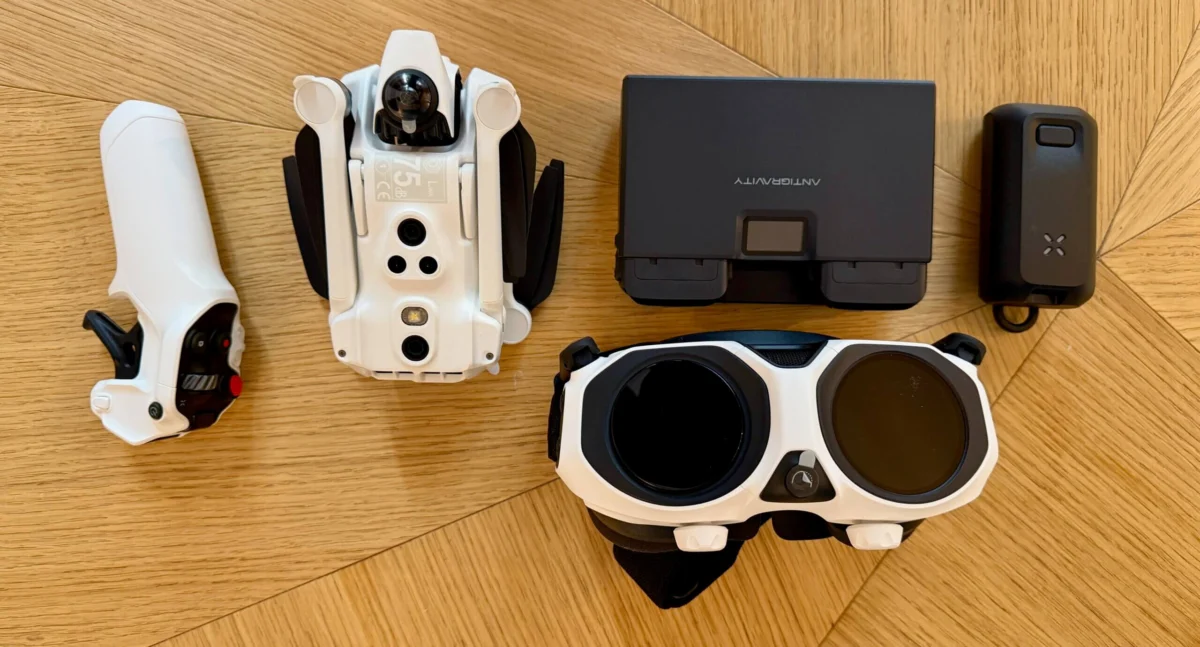
The landscape of personal aerial photography shifted significantly in late 2025 with the commercial release of the Antigravity A1, a drone designed to bypass the traditional limitations of gimbal-stabilized, forward-facing camera systems. By integrating a dual-lens 360-degree capture array into a sub-250-gram airframe, the A1 allows users to record entire environments simultaneously, effectively decoupling the act of piloting from the act of cinematography. This technological evolution enables a "fly now, frame later" workflow, where the final composition of the video is determined during post-production rather than in the air.
Technological Architecture and Design Specifications
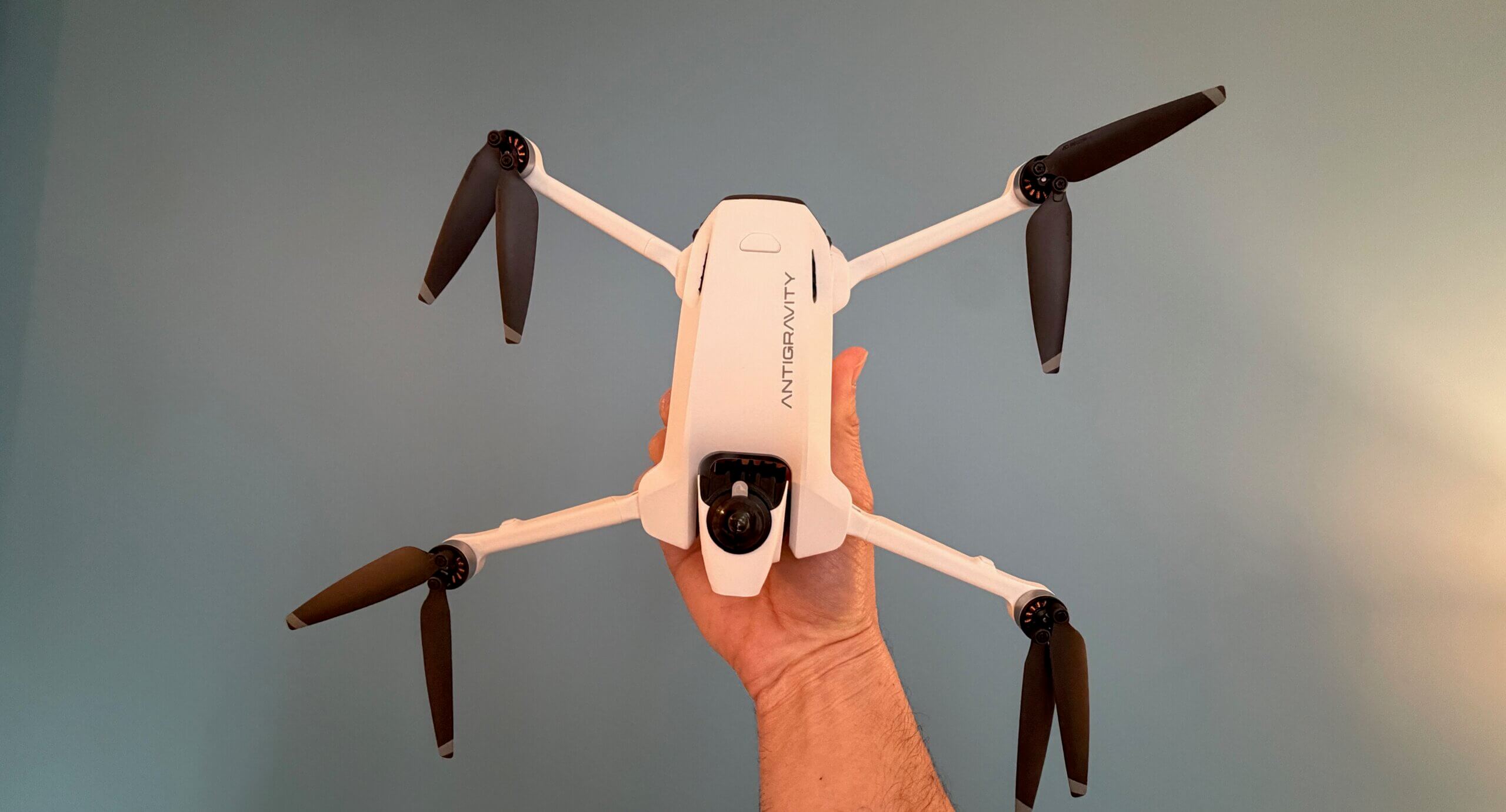
The core innovation of the Antigravity A1 lies in its optical configuration. Unlike conventional drones that utilize a singular, forward-mounted camera on a mechanical three-axis gimbal, the A1 employs two 200-degree, ultra-wide-angle lenses positioned on the upper and lower fuselage. This design creates a seamless, spherical field of view. The internal stitching software performs real-time processing to remove the drone’s chassis from the final image, creating an effect of a camera floating in space without visible support.
The imaging sensors are 1/1.28-inch CMOS units. While these fall short of the 1-inch sensors typically found in professional-grade photography drones, they represent a substantial hardware upgrade over the smaller sensors standard in traditional 360-degree action cameras. This increase in sensor size directly correlates to improved dynamic range and enhanced performance in low-light environments, mitigating the high-contrast issues often encountered during midday flight sessions.
Structurally, the A1 is composed of carbon-fiber-reinforced polymer. This material choice provides a superior strength-to-weight ratio compared to the ABS plastic commonly used in consumer drones. The choice of materials is critical to the A1’s weight profile: at exactly 249 grams with its standard battery, the drone falls just below the regulatory threshold in many jurisdictions—including the United States (FAA) and various European Union nations—that require formal registration and mandatory pilot certification for aircraft weighing 250 grams or more.
Evolution of Flight Control Systems
The A1 introduces a departure from traditional dual-stick radio controllers. The primary interface is a single-handed motion controller that translates physical wrist movements—banking, tilting, and climbing—into flight maneuvers. For operators requiring traditional tactile input, the A1 maintains compatibility with standard "Mode 2" stick controllers; however, data from early adopters suggests a high rate of migration toward the motion-based interface due to its lower learning curve.
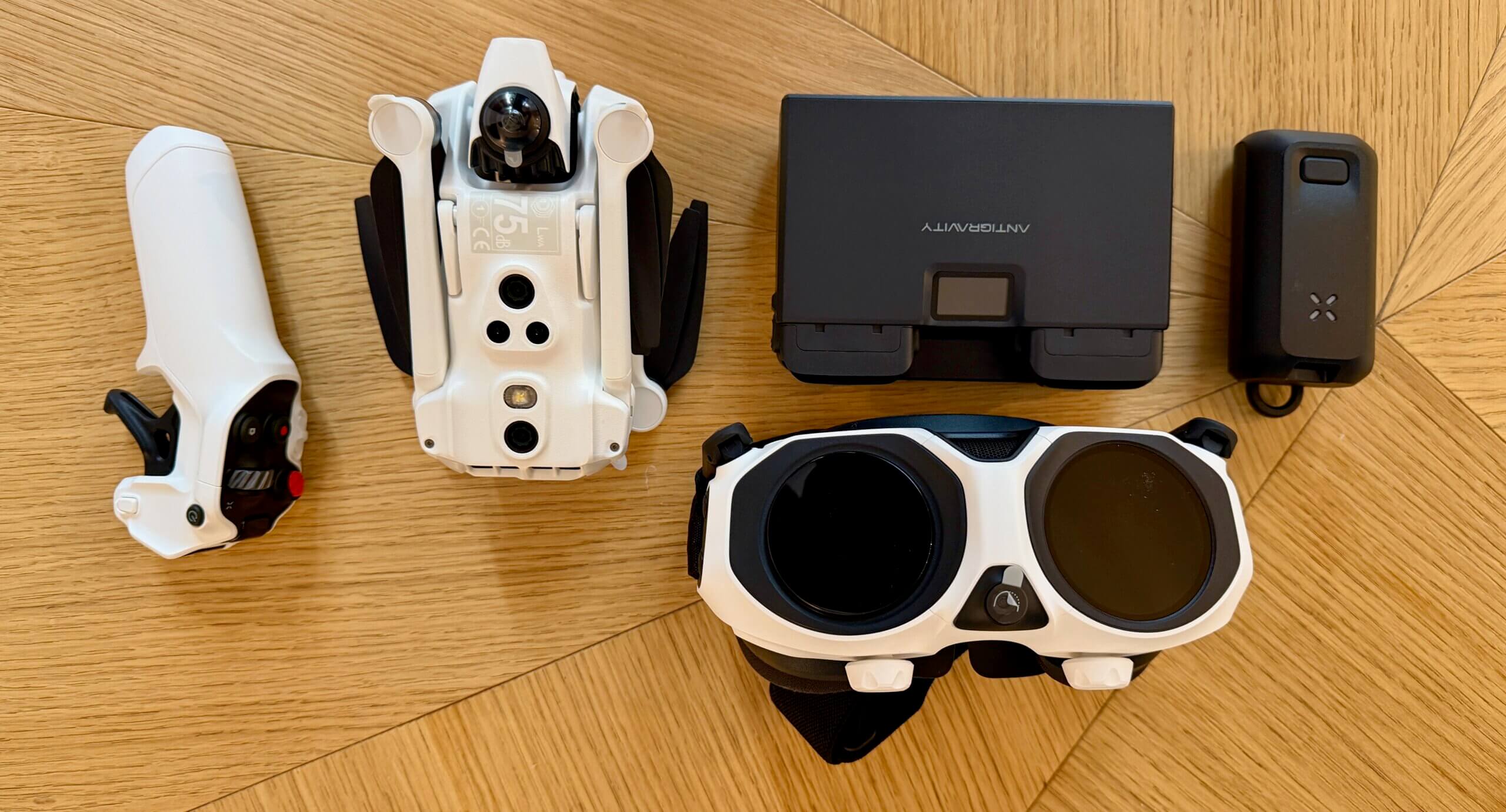
Complementing this is the "Vision Goggles" system, which features dual 4K micro-OLED displays with a 120Hz refresh rate. By leveraging the 360-degree data stream, these goggles provide an immersive, head-tracking experience. As a pilot turns their head, the goggle feed adjusts accordingly, allowing the operator to view the environment in any direction, regardless of the drone’s current orientation. This spatial awareness is a significant departure from fixed-camera FPV (First-Person View) systems, which are inherently limited by the camera’s mounting angle.
Operational Performance and Data Handling
The A1’s software ecosystem, marketed as "Antigravity Studio," functions as the bridge between raw data and finished content. The app facilitates wireless data transfer at speeds up to 80MB/s, utilizing the smartphone’s internal gyroscope for "virtual cinematography." Users can replay their 360-degree footage and manipulate their phone to select specific angles, essentially re-filming the flight in a digital environment.
Furthermore, the integration of AI-driven "Auto-Frame" technology allows the software to identify subjects—such as athletes or vehicles—and maintain focus on them throughout the clip. This reduces the time required for post-production, which has historically been a significant barrier for 360-degree content creators. The stabilization is managed by "FlowState" algorithms, which Antigravity claims can maintain steady footage even in wind speeds reaching 20 mph, effectively replacing the mechanical gimbal with digital post-processing.
Chronology and Market Development
The project began in early 2024, when Antigravity began prototyping a lightweight, high-endurance craft that could withstand the thermal challenges of high-resolution 360-degree processing. By mid-2025, the company had entered a beta-testing phase, distributing units to professional photographers and travel creators. The final consumer launch in late 2025 was timed to coincide with a broader shift in the drone market toward portability and compliance-friendly hardware.
Industry analysts have noted that the A1 is classified as a "cinewhoop," a category of drone known for its enclosed, ducted propellers. These are traditionally used for indoor filming or proximity shots, but the A1 adapts this profile for outdoor travel applications. The inclusion of "Turtle Mode"—a feature allowing the drone to flip itself over using its motors if it crashes upside down—further underscores its design focus on reliability in unpredictable environments.
Regulatory and Economic Implications
The decision to limit the base model to 249 grams is a calculated strategic move. Regulatory bodies globally are tightening requirements for drone operators; by staying under the 250-gram limit, the A1 provides a lower barrier to entry for casual users while remaining legally compliant in many regions without the need for complex flight permits.
However, the drone’s power management remains a challenge. The standard battery offers a theoretical flight time of 24 minutes, though real-world testing indicates closer to 19–20 minutes under active use. An optional "Pro Battery" extends flight time to 39 minutes, but the added weight pushes the drone over the 250-gram threshold, effectively moving the operator into a higher regulatory category. This trade-off between flight duration and regulatory compliance represents the most significant decision point for potential buyers.
Industry Outlook
The introduction of the Antigravity A1 signals a maturation in the consumer drone market. As hardware capabilities stabilize, the industry is increasingly focusing on software-based solutions to solve traditional filming challenges. The move toward "capture everything" technology suggests that the next generation of aerial content will prioritize versatility and post-production flexibility over the mechanical complexity of traditional, single-axis filming.
While professional cinematographers may still prefer the raw sensor quality of larger, cinema-grade platforms, the A1 addresses a substantial market of solo creators who require efficiency. The ability to generate multiple camera angles from a single flight path represents an increase in operational "work per minute," potentially altering the production standards for travel and social media-based digital media. As the technology continues to evolve, the distinction between high-end professional equipment and consumer-level tools will likely continue to blur, driven by artificial intelligence and high-resolution spherical imaging.
Summary of Key Specifications
- Weight: 249g (Standard battery)
- Sensor: Dual 1/1.28-inch CMOS
- Resolution: 8K 360-degree capture
- Flight Time: 19–20 minutes (Standard); 39 minutes (Pro)
- Stabilization: Proprietary FlowState algorithms
- Connectivity: 80MB/s wireless transfer via Antigravity Studio
The A1 does not aim to replace the high-fidelity optics of a cinema camera, but it does fundamentally change the logistics of aerial production. For the modern traveler and independent creator, the device offers a streamlined approach to content generation that reduces the reliance on traditional camera crews, potentially setting a new standard for the next iteration of consumer drone technology.



 Anjar Salim
 Chandra Hamzah
 Gabriela Annisa
 Tatiana Tantri Indah Sari
 Walid Sujud Trenggono