
 Chandra Hamzah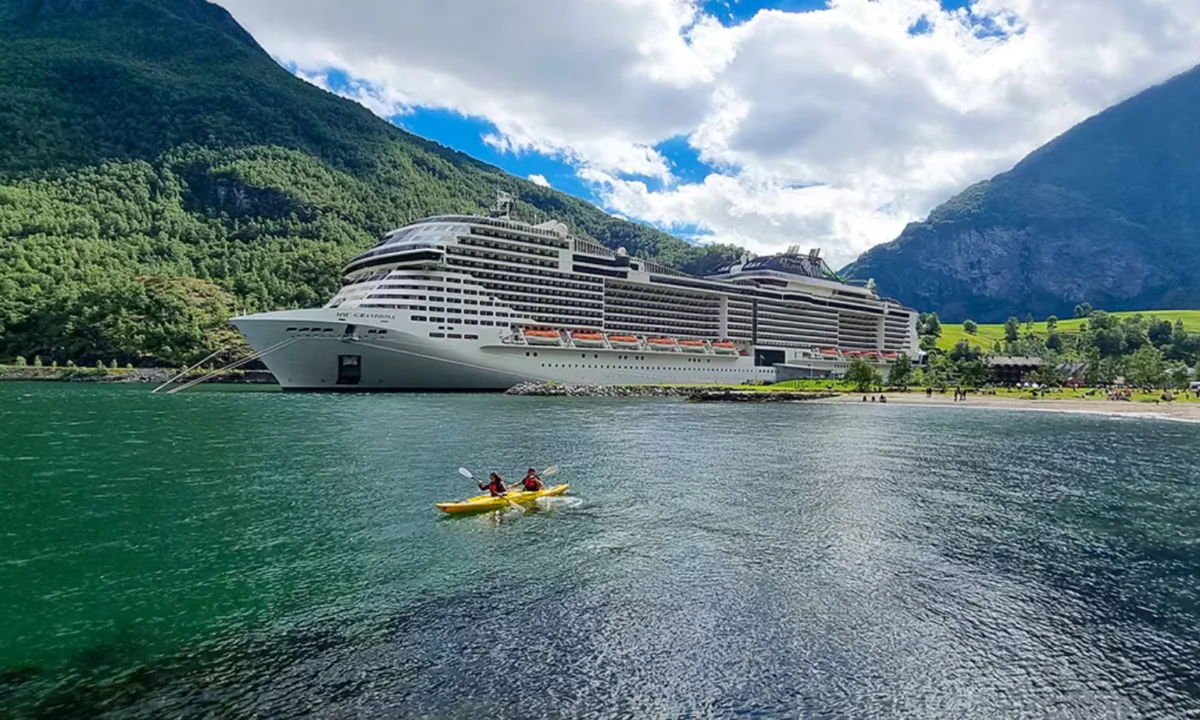
MSC Cruises has officially announced its comprehensive deployment strategy for the 2027 European summer season, introducing a series of curated itineraries specifically tailored to the preferences of travelers from Australia and New Zealand. As the world’s third-largest cruise brand and the largest privately-owned cruise line, MSC is leveraging its deep-rooted Mediterranean heritage to capture a growing segment of the South Pacific travel market. The 2027 program represents a significant expansion of the line’s presence in the region, focusing on a blend of iconic ports of call, extended stays in heritage-rich destinations, and the introduction of next-generation hardware.
Strategic Expansion into the South Pacific Market
The move to provide bespoke offerings for Australian and New Zealand guests follows a period of heightened demand for long-haul European travel. Data from regional tourism boards indicates that European travel remains a primary objective for Oceania-based travelers, with cruise bookings emerging as a preferred method for navigating multiple sovereign borders in a single itinerary. MSC Cruises has responded by streamlining logistics, integrating fly-cruise packages that connect major hubs like Sydney, Melbourne, and Auckland with Mediterranean departure ports such as Barcelona, Rome, and Venice (via Marghera/Trieste).
By dedicating specific itineraries to this demographic, MSC is aiming to mitigate the complexities often associated with European travel, such as language barriers, currency fluctuations, and local transport logistics. The 2027 season is designed to function as an end-to-end travel experience, incorporating pre-cruise land stays and curated shore excursions that cater to the specific pacing preferences of travelers from the Southern Hemisphere.
The Flagship Debut: MSC World Asia
Central to the 2027 narrative is the launch of the MSC World Asia, the third vessel in the line’s innovative "World Class" series. Following the successful introduction of MSC World Europa and MSC World America, the World Asia is expected to redefine the passenger experience through sustainable technology and architectural design.
Equipped with dual-fuel engines capable of running on Liquefied Natural Gas (LNG), the vessel underscores MSC’s commitment to the International Maritime Organization’s (IMO) 2050 decarbonization targets. The ship’s design features a Y-shaped aft structure, allowing for expansive panoramic views and a distinct "open-ship" atmosphere. For the 2027 season, the MSC World Asia will serve as a primary vessel for Mediterranean routes, offering a capacity of approximately 5,400 passengers. The ship’s technological profile includes advanced water treatment systems and shore power connectivity, aligning with the increasingly stringent environmental regulations enforced by EU port authorities.
Seasonal Flexibility and the Year-Round Trend
A critical component of the 2027 strategy involves challenging the traditional perception that European cruises are strictly seasonal. MSC Cruises is emphasizing the feasibility of "Winter-Sun" Mediterranean itineraries. By operating during the Australian summer months (December through February), the cruise line is positioning its European fleet as a viable alternative for those seeking to avoid the peak heat and crowds of the traditional July-August European summer.
Analysis of travel trends suggests that "shoulder-season" and winter cruising is gaining traction among retirees and "digital nomads" from the Asia-Pacific region. These itineraries offer lower port traffic, cooler climates for city exploration, and a more intimate engagement with the cultural hubs of Italy, Greece, and Spain. This shift is supported by the increasing availability of air connectivity from Australia to European transit hubs, allowing for a seamless transition into the European off-peak season.
Slow Travel and In-Depth Cultural Engagement
Responding to feedback from repeat cruisers, the 2027 program emphasizes "Slow Travel" in the Mediterranean. Unlike high-frequency itineraries that prioritize volume of stops, the 2027 offerings include extended port calls, allowing for overnight stays in key cities. This model is designed to facilitate deeper exploration of UNESCO World Heritage sites, local culinary scenes, and after-hours cultural experiences that are inaccessible to day-trippers.
The Mediterranean remains the core of MSC’s operations. In 2027, the line will continue its focus on the Western Mediterranean—covering France, Spain, and Italy—while expanding its footprint in the Eastern Mediterranean, including Turkey, the Adriatic, and the Greek Isles. By anchoring vessels in ports for longer durations, the cruise line aims to reduce the "commuter" feel of mass-market cruising, replacing it with a more immersive approach that resonates with modern travelers’ desires for authenticity.
Northern Europe: Beyond the Fjords
While the Mediterranean serves as the primary attraction, the 2027 season sees a robust expansion into Northern Europe. The itineraries include routes through the Norwegian Fjords, the Baltic Sea, and the British Isles. These regions have seen a resurgence in popularity, particularly as climate patterns have made the Northern latitudes more attractive during the height of the Mediterranean summer.
The Northern European program for 2027 is structured around environmental stewardship, with vessels utilizing state-of-the-art waste management systems to protect the fragile ecosystems of the Baltic and the fjords. Furthermore, these routes offer a stark contrast to the Mediterranean, providing travelers from Australia and New Zealand with a diverse range of landscapes, from the volcanic terrains of Iceland to the historic maritime cities of Scandinavia.
Official Response and Corporate Strategy
Executives at MSC Cruises have noted that the 2027 program is the result of intensive market research conducted across the Asia-Pacific region. By aligning fleet deployment with regional holiday calendars, the cruise line is effectively reducing the friction of international travel. Industry analysts suggest that this strategy is a preemptive measure to maintain market share in a highly competitive cruise landscape, where brand loyalty is increasingly driven by the "total value" of the onboard experience.
The integration of the "MSC Yacht Club"—the line’s "ship-within-a-ship" luxury concept—remains a cornerstone of the 2027 offering. This exclusive enclave provides a higher crew-to-guest ratio, private butler service, and dedicated lounge facilities, addressing the needs of premium travelers who seek a more private experience while retaining access to the large-scale amenities of the World Class vessels.
Broader Economic and Environmental Implications
The 2027 MSC Cruises European program arrives at a pivotal moment for the European tourism sector. As port cities like Venice, Dubrovnik, and Barcelona implement stricter regulations on cruise ship volume, MSC’s focus on diverse itineraries and sustainable technology serves as a buffer against potential regulatory headwinds. The use of shore power—where available—allows vessels to turn off engines while in port, significantly reducing noise and air pollution.
For the Australian and New Zealand traveler, the 2027 season represents a significant financial investment in the cruise sector. As inflation and rising airfare costs remain a concern for long-haul travelers, the "all-inclusive" nature of these cruise packages provides price certainty. By bundling accommodation, international transit, and entertainment, MSC is positioning its 2027 fleet as a stable, predictable option in a volatile travel market.
Conclusion
The announcement of the 2027 program signals a maturation of MSC Cruises’ relationship with the Oceania market. By combining the scale and technological advancement of the new World Class fleet with a focus on immersive, slower-paced itineraries, the line is adapting to a traveler base that demands more than just transit. As the 2027 season approaches, the industry will be watching closely to see how these strategic shifts influence broader market trends in international cruise tourism. With a diversified portfolio that ranges from the sun-drenched ports of the Mediterranean to the rugged coastlines of the North, MSC Cruises has established a comprehensive framework for European exploration, effectively bridging the geographical divide between the South Pacific and the Old World.



 Anjar Salim
 Dwi Wanna
 Gabriela Annisa
 Tatiana Tantri Indah Sari
 Walid Sujud Trenggono