
 Lukman Taruna Persada Ramadan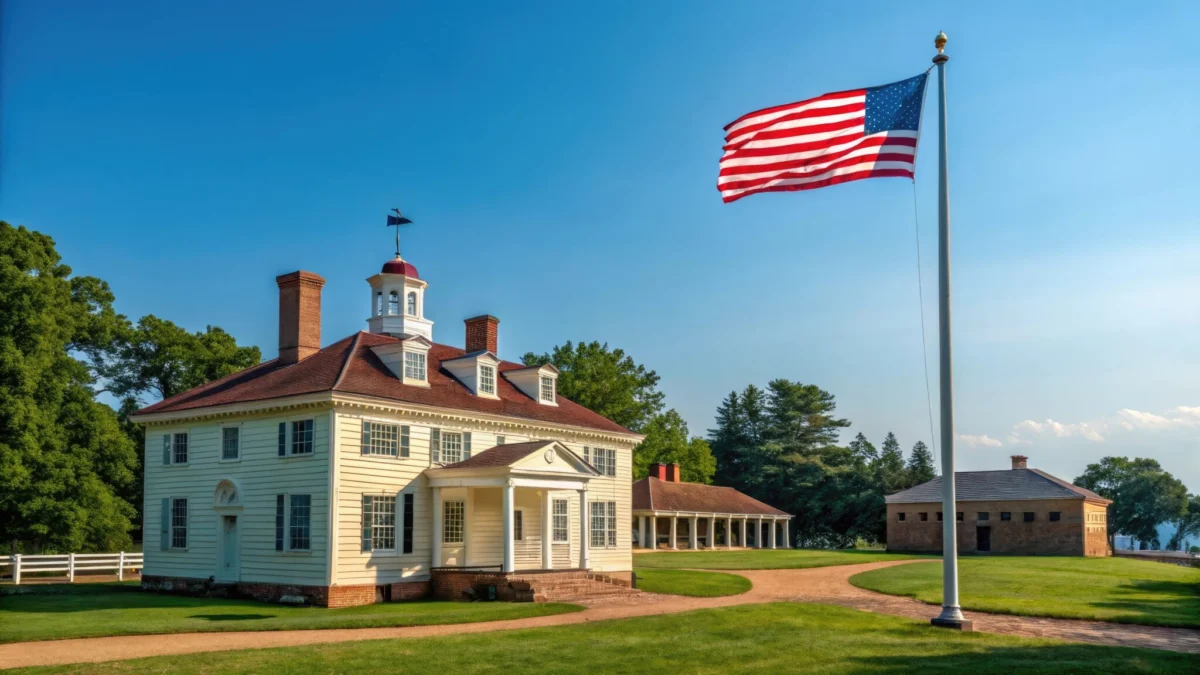
As the United States continues its nationwide commemoration of its upcoming 250th anniversary—often referred to as the Semiquincentennial—tourist destinations across the nation are preparing for an influx of domestic and international visitors. In the nation’s capital, where historic milestones converge with contemporary culture, hospitality leaders are rethinking how travelers experience the city. Among them, the luxury Conrad Washington, D.C. has introduced a novel approach to urban tourism with the debut of its signature Conrad 1/3/5 Experiences.
This curated portfolio of one-, three-, and five-hour itineraries is designed to pull back the curtain on Washington, D.C.’s multifaceted identity, moving beyond the traditional monuments and federal architecture to spotlight local foodways, contemporary art, regional viticulture, and historical recreation. By offering structured yet immersive local excursions, the property aims to bridge the gap between standard sightseeing and authentic cultural engagement.
Main Facts and the Concept Behind the Itineraries
The Conrad 1/3/5 framework is built upon a simple hospitality premise: time-pressed travelers often struggle to authentically connect with a destination during brief stays. By categorizing excursions into strict duration blocks of one, three, and five hours, the hotel provides guests with turnkey options that integrate seamlessly into busy travel schedules, whether visitors are in town for a weekend getaway, a political convention, or a corporate conference.
Centrally situated in the heart of the District, the property serves as an ideal geographic anchor for exploring both the immediate urban landscape and the broader Capital Region, which spans parts of Maryland and Northern Virginia. Rather than relying on generic guidebook recommendations, these curated journeys tap into regional purveyors, private guides, and exclusive cultural institutions that define contemporary life in the mid-Atlantic.
Dale MacPhee, general manager of Conrad Washington, D.C., emphasized the strategic vision behind the launch. “D.C. has so many layers to discover, and we wanted to give guests a more effortless way to tap into the city’s culture, food, art, and history,” MacPhee noted. “The 1/3/5 Experiences are designed to make even a short stay feel meaningful, with memorable ways to see the capital through a more local lens.”
Chronology and Historical Context of the Semiquincentennial
The launch of these specialized experiences arrives at a pivotal moment in American tourism. The United States Semiquincentennial Commission, established by Congress, has been coordinating national preparations for the country’s 250th anniversary, culminating on July 4, 2026. Washington, D.C., as the seat of federal government and the symbolic heart of the republic, is expected to serve as the epicenter of these historical reflections and celebratory events.
Throughout 2025 and 2026, the District has rolled out a phased calendar of exhibitions, architectural retrospectives, and civic programs. Historically, milestone anniversaries—such as the Bicentennial in 1976—fundamentally shifted how cities present themselves to the public, sparking long-term investments in cultural infrastructure and urban tourism. The Conrad 1/3/5 program reflects a modern evolution of this trend, shifting the focus away from mass-market tourism toward personalized, experiential luxury that honors both the historical gravitas of the region and its vibrant, modern-day evolution.
Detailed Breakdown of the 1/3/5 Experiences
To accommodate varying traveler schedules and interests, the program is partitioned into three distinct time horizons, each offering a specialized thematic focus.

The One-Hour Itinerary: Oysters and Wine Tasting
For guests operating on a tight schedule—such as business travelers between meetings or tourists squeezing in a pre-dinner activity—the one-hour Oysters and Wine Tasting Experience offers a concise yet sophisticated introduction to regional gastronomy.
The mid-Atlantic region has long boasted a rich maritime heritage, particularly centered around the Chesapeake Bay, which historically supplied oysters to markets across the globe. This experience highlights sustainably harvested, freshly shucked local oysters paired thoughtfully with emerging sparkling wines from Virginia. Over the past two decades, Virginia’s wine industry has garnered international acclaim, evolving from a nascent agricultural experiment into a respected viticultural powerhouse. This compact tasting introduces guests to the terroir of the Commonwealth without requiring them to leave the hotel or venture far into the countryside.
The Three-Hour Itinerary: Cycling and Presidential Heritage
Travelers with a half-day to spare can opt for a more active, history-focused excursion. Developed in partnership with the DC Cycling Concierge, this three-hour outing features a customized bicycle tour leading to a guided exploration of George Washington’s Mount Vernon Estate in Northern Virginia.
The journey allows guests to trace the literal and figurative roots of the nation’s first president. Mount Vernon, situated along the banks of the Potomac River, preserves the plantation home, gardens, and gristmill of George Washington. The inclusion of a bicycle tour adds a wellness and outdoor recreation component that aligns with modern luxury travel trends, which increasingly prioritize active exploration over passive sightseeing.
A standout feature of this itinerary is a private rye whiskey tasting. The experience draws directly from history: a meticulous recreation of the spirit produced at George Washington’s operational distillery in the late 18th century. Historical records indicate that by 1799, Washington’s distillery was one of the largest in the country, producing thousands of gallons of whiskey annually. By integrating this sensory historical element, the itinerary bridges the gap between textbook history and tangible cultural heritage.
The Five-Hour Itinerary: Cultural Expeditions and Vineyard Tours
For those dedicating a substantial portion of their day to exploration, the five-hour tier offers two divergent paths: one rooted in contemporary aesthetics and the other in pastoral relaxation.
The first option is a cultural foray to the Glenstone Museum, located in Potomac, Maryland. Glenstone is a renowned private contemporary art museum that seamlessly integrates monumental modern art, architecture, and native landscape restoration. Spanning nearly 300 acres of rolling meadows, woodlands, and streams, the institution provides a meditative environment for viewing works by post-war and contemporary masters. The curated experience includes not only access to the museum’s galleries and outdoor sculptures but also chef-prepared dining that reflects the property’s commitment to sustainable, locally sourced cuisine.
Alternatively, guests can select a comprehensive tour of Virginia’s wine country. Situated just an hour’s drive from the capital, Northern Virginia’s wine regions—particularly Loudoun and Fauquier counties—host dozens of acclaimed vineyards benefiting from the favorable microclimates of the Blue Ridge foothills. The five-hour excursion includes private tastings at select local estates, offering visitors an intimate look at the winemaking process, vineyard management, and the distinct flavor profiles of mid-Atlantic varietals.
Supporting Data and Industry Trends in Experiential Travel
The rollout of tiered, localized itineraries by luxury properties like Conrad Washington, D.C. reflects broader shifts in global tourism data. According to recent hospitality industry analyses, modern travelers—particularly affluent demographics—increasingly evaluate hotels not merely by room amenities or traditional service standards, but by their ability to provide access to exclusive, hyper-localized experiences.

Market research indicates that experiential travel has grown exponentially over the past decade. Consumers are shifting away from pre-packaged, standardized tour bus excursions in favor of bespoke itineraries that allow them to interact directly with local artisans, historians, and chefs. Furthermore, the convergence of culinary tourism and heritage travel has proven to be a powerful economic driver. Gastronomy-focused trips now account for a significant percentage of discretionary travel spending, with wine and agricultural tourism acting as primary magnets for regional economic development in areas surrounding major metropolitan hubs.
By partnering with regional entities such as the DC Cycling Concierge, local vineyards, and cultural institutions like Glenstone, the hotel leverages existing local infrastructure while simultaneously supporting the regional tourism economy. This collaborative model benefits both urban hospitality providers and rural or suburban cultural sites, creating a symbiotic relationship that enhances the overall destination brand of the Capital Region.
Broader Economic and Cultural Implications
As Washington, D.C. prepares for peak visitation periods surrounding the Semiquincentennial, initiatives addressing crowd management and visitor dispersion will become increasingly critical. Traditional tourist attractions—such as the National Mall, the Smithsonian museums, and the historic monuments—frequently experience severe congestion during peak holiday windows and summer travel seasons.
Programs that encourage visitors to venture beyond the federal core offer notable urban planning and economic benefits. By directing attention toward Northern Virginia’s historical estates, Maryland’s contemporary art sanctuaries, and regional culinary trails, offerings like the Conrad 1/3/5 Experiences help alleviate urban bottlenecking while enriching the visitor profile. Travelers who engage with these diversified itineraries are more likely to extend their stays, explore multiple jurisdictions within the Washington metropolitan area, and develop a more nuanced understanding of the region’s historical and cultural depth.
Moreover, the emphasis on local provenance—from Chesapeake oysters and Mount Vernon rye whiskey to Virginia sparkling wines—reinforces the identity of the mid-Atlantic as a distinct culinary region. For decades, the capital was unfairly stereotyped as a transient city devoid of an independent culinary or cultural identity. Programs that intentionally spotlight local agricultural, artistic, and historical assets actively dismantle these outdated perceptions, positioning Washington, D.C. as a vibrant, multi-dimensional destination worthy of prolonged exploration.
Conclusion and Future Outlook
The introduction of the Conrad 1/3/5 Experiences illustrates how luxury hospitality properties are adapting to the demands of modern travelers against the backdrop of significant national milestones. By synthesizing history, art, gastronomy, and outdoor recreation into structured, time-efficient formats, the hotel provides a blueprint for contemporary urban tourism.
As the United States moves deeper into its Semiquincentennial era, the success of such initiatives will likely inspire similar programs across the hospitality sector. For visitors navigating the rich, complex tapestry of the nation’s capital, these curated pathways offer an efficient, engaging, and deeply local method for connecting with the past while experiencing the dynamic present of the Washington, D.C. region.


 Anjar Salim
 Chandra Hamzah
 Gabriela Annisa
 Tatiana Tantri Indah Sari
 Walid Sujud Trenggono