Walid Sujud Trenggono
The contemporary travel landscape has witnessed a significant shift away from high-intensity, checklist-driven tourism toward wellness-focused itineraries, with recent hospitality data indicating a 35% surge in demand for restorative travel experiences over the past three years. Modern consumers, increasingly burdened by chronic workplace connectivity and urban fatigue, are actively seeking environments that facilitate psychological detachment and physical restoration. Among the emerging sectors catering to this demand, cruise tourism—particularly in restorative regions such as the South Pacific—has positioned itself as a primary vehicle for mental health recovery and stress mitigation. Industry analysts attribute this trend to the unique psychological benefits of maritime environments, where wide-open horizons and structured isolation from daily responsibilities combine to create an optimal setting for cognitive renewal.
The physiological and psychological impacts of extended exposure to aquatic environments have long been a subject of study among environmental psychologists and neuroscientists. Dr. Wallace J. Nichols, a marine biologist and author of the concept known as "Blue Mind," has extensively documented how proximity to water induces a mild meditative state characterized by calmness, peacefulness, and general well-being. When individuals transition from land-based stressors to the rhythmic motion of a vessel at sea, the human nervous system frequently responds by down-regulating the production of cortisol, the primary stress hormone. This biological shift is compounded by the structural nature of cruise travel, which inherently removes the cognitive load of daily logistics—such as meal preparation, navigation, and itinerary management. By outsourcing these operational details to hospitality professionals, travelers reclaim substantial mental bandwidth, allowing for deeper introspection and rest.

Historically, ocean liners and passenger ships were designed primarily for transit, moving passengers efficiently between continental ports. However, the operational model of contemporary cruise lines, exemplified by regional leaders such as Carnival Cruise Line, has undergone a fundamental transformation over the last two decades. The evolution moved from high-density entertainment hubs to multifaceted floating resorts that integrate dedicated wellness infrastructure. By the early 2010s, cruise operators began introducing specialized adults-only zones, comprehensive thermal suites, and integrated fitness programs. This shift mirrored broader societal changes in how consumers define leisure; vacationing was no longer merely about sightseeing, but about personal transformation and preventative health management. In the South Pacific market, this meant curating itineraries that balance days of uninterrupted ocean transit with immersive, low-impact shore excursions to remote island communities.
The modern cruise experience is meticulously engineered to address the modern paradox of stillness: the psychological discomfort many high-achieving individuals experience when abruptly transitioning from a state of constant productivity to absolute rest. To bridge this gap, cruise operators have adopted a dual-track approach that balances active engagement with passive relaxation. Onboard programming typically ranges from structured movement classes, such as sunrise yoga and aquatic fitness, to contemplative spaces like quiet libraries and adults-only sun decks. This variety acknowledges that psychological recovery is not a one-size-fits-all endeavor. For some travelers, physical exertion—such as swimming or participating in deck sports—acts as the primary release for pent-up stress, while others achieve mental clarity through sensory deprivation and quiet observation of the seascape.
Beyond the vessel’s physical infrastructure, the socio-cultural dimension of shore excursions plays a critical role in the holistic benefits of a South Pacific itinerary. Industry data highlights a growing consumer preference for regenerative tourism, which goes beyond sustainable practices to actively improve the host destination and enrich the traveler’s perspective. Guided excursions in destinations such as Fiji, Vanuatu, and the broader Polynesian triangle are increasingly structured around authentic cultural exchanges rather than mass-market sightseeing. Travelers participate in traditional culinary workshops, guided botanical walks, and marine conservation briefings led by local experts. These activities serve a dual purpose: they ground the traveler in the present moment through tactile, sensory engagement, and they foster a sense of global connectedness that counteracts the isolating tendencies of modern digital life.

Economic and demographic analyses of the current travel sector underscore the viability and permanence of this wellness-oriented pivot. Market research firms project that the global wellness tourism market will exceed $1.3 trillion, driven largely by middle-aged and older demographics seeking preventative health interventions disguised as leisure. Cruise operators targeting the South Pacific have reported high rates of repeat clientele, suggesting that consumers are increasingly viewing these voyages not as luxury indulgences, but as essential maintenance for mental health and burnout prevention. The appeal lies in the frictionless nature of the journey—the ability to cross international waters, experience diverse ecosystems, and access professional spa and wellness facilities without the logistical friction typically associated with multi-destination international travel.
The broader implications of this trend point toward a permanent reevaluation of what constitutes a successful holiday. As corporate burn-out rates remain elevated and the boundaries between professional and personal life continue to blur, the demand for structured environments that enforce disconnection will likely intensify. Maritime travel, by virtue of its physical boundary—the ship separating the passenger from the mainland—offers a rare psychological sanctuary. It provides a controlled space where individuals can recalibrate their internal rhythms, free from the immediate triggers of urban stress. For the tourism sector, this signals a continuing evolution away from frantic sightseeing toward slower, more deliberate journeys that prioritize mental clarity, emotional restoration, and sustainable engagement with the natural world.



 Gabriela Annisa
 Tatiana Tantri Indah Sari
 Budi Mulyono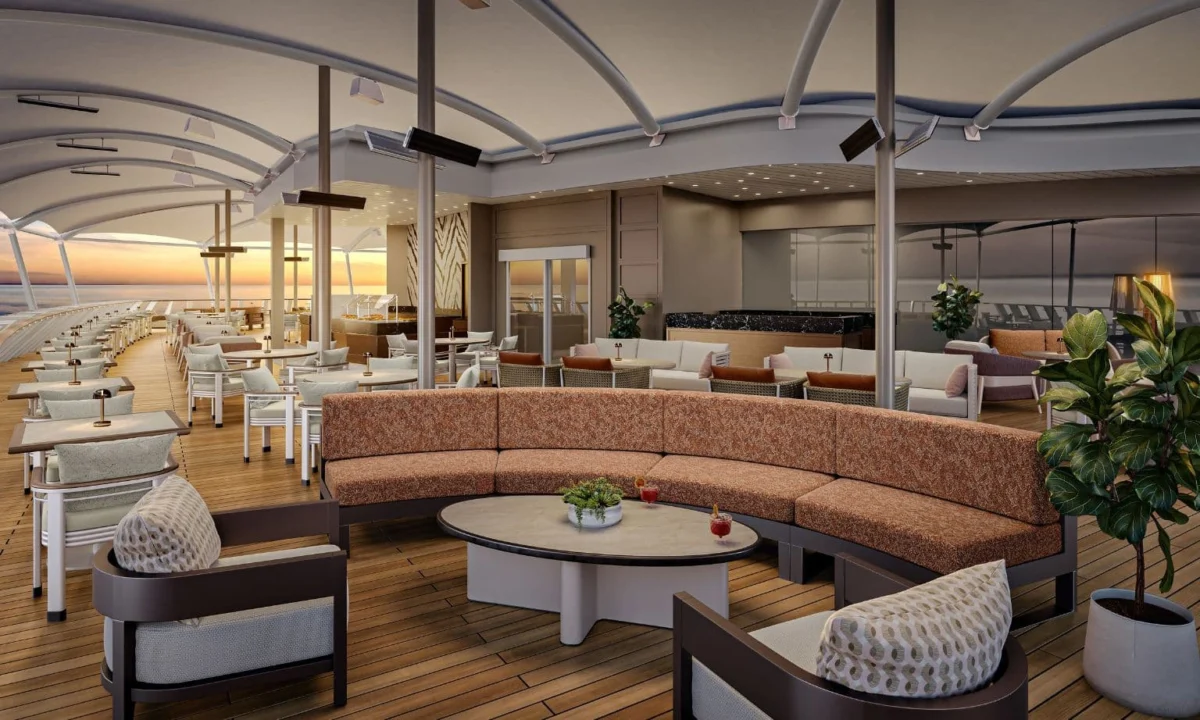
 Chandra Hamzah