Lukman Taruna Persada Ramadan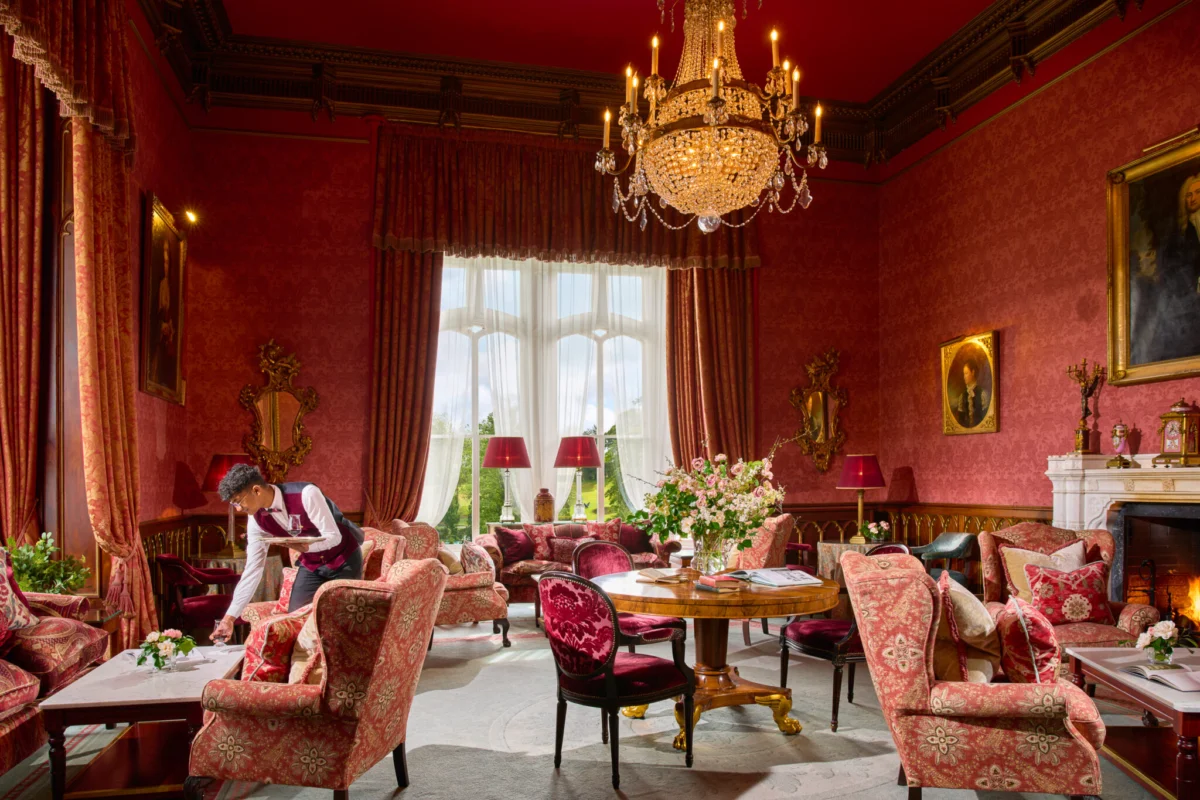
Dromoland Castle, one of Ireland’s most prestigious and historically significant luxury hotels, is preparing to embark on the most ambitious and comprehensive redevelopment project in its 63-year history as a hospitality property. Situated in County Clare, the 16th-century ancestral home of the O’Brien clan will officially close its doors this November to undergo a transformative six-month renovation. The historic estate is scheduled to welcome guests once again in June 2027, boasting a meticulously curated evolution that spans accommodations, public spaces, culinary offerings, and wellness facilities.
The scope of this multi-million-euro capital investment is unprecedented for the property, reflecting a strategic effort by ownership and management to elevate the guest experience while fiercely protecting the castle’s storied heritage. By blending centuries-old architectural grandeur with contemporary luxury standards, Dromoland Castle aims to reinforce its status as a premier global destination for discerning travelers, high-end retreats, and exclusive events.
Main Facts of the Redevelopment
The upcoming renovation touches nearly every facet of the expansive estate, balancing structural preservation with modern infrastructural enhancements. At the heart of the architectural overhaul is the creation of a stunning, glass-enclosed Atrium. This signature feature will seamlessly reimagine the castle’s historic central courtyard, transforming an open-air area into a luminous, climate-controlled, year-round gathering space. Designed to serve as the social hub of the property, the Atrium will host morning coffee services, traditional afternoon tea, and sophisticated evening cocktail hours against a backdrop of historic stone masonry.
Beyond the main castle structure, the redevelopment introduces two distinct accommodation collections that expand the property’s capacity and diversity of guest experiences. The first is the Walled Garden Collection, situated just outside the primary castle walls. Housed within a thoughtfully converted group of former estate stables, this collection comprises 13 distinct accommodations tailored specifically for larger families, wedding parties, and corporate groups. The building is nestled within centuries-old walled gardens, offering sweeping views of a rare and meticulously maintained yew tree gallery that dates back to 1740.
Concurrently, the property is introducing The Heritage Collection, which will occupy an entire floor within a dedicated wing positioned directly across from the castle’s main entrance. This collection will feature 16 exquisitely appointed guestrooms and five expansive suites, designed to echo the refined elegance of traditional Irish country-house living.
When the redevelopment is fully completed and the estate reopens in June 2027, Dromoland Castle’s total accommodation inventory will reach 121 units. This total will include two newly enhanced private lodges, which are specifically designed to cater to long-term stays, multi-generational family gatherings, and guests seeking an elevated level of privacy and autonomy within the secure confines of the estate.
Chronology and Timeline of the Project

The path to the November closure and the subsequent June 2027 reopening represents the culmination of years of strategic planning, architectural surveying, and artisanal commissioning.
Planning for the capital project began quietly behind the scenes, as hotel leadership evaluated the shifting demands of luxury travelers and the ongoing maintenance required to preserve a 16th-century landmark. Engineering teams and heritage conservationists spent months drafting proposals that would meet strict Irish planning regulations while introducing state-of-the-art amenities.
- September 2026: Official public announcements detailing the scope of the project, including the structural updates to the Atrium and the introduction of the Walled Garden and Heritage collections, are released to the travel industry.
- November 2026: Dromoland Castle ceases normal hotel operations and officially closes its doors to guests, initiating the intensive six-month physical transformation of the grounds, interiors, and infrastructure.
- November 2026 – May 2027: The core construction and design phase takes place. Artisans, master stonemasons, metalworkers, and interior designers execute the bespoke installations across the main castle, the former stables, and the new guest wings.
- June 2027: Dromoland Castle reopens to the public, unveiling the newly redesigned Atrium, updated wellness spaces, Lough Dromoland saunas, and the complete 121-accommodation portfolio.
Supporting Data and Artisanal Craftsmanship
The redevelopment project is deeply rooted in local provenance, celebrating Ireland’s rich heritage of craftsmanship and design. Rather than sourcing generic international luxury finishings, Dromoland Castle has prioritized regional materials to honor the building’s storied past and its place within the Irish country-house tradition.
Connemara marble, Ireland’s iconic national stone, will be prominently featured throughout the interior designs, utilized in architectural details, bathroom surfaces, and decorative accents. This will be complemented by bespoke metalwork, hand-woven Irish linens, artisanal wools, and rich velvets sourced from local and national textile makers.
In a notable partnership that bridges local heritage with global prestige, Dromoland Castle has commissioned Ulster Carpets—a renowned Northern Irish manufacturer—to design and produce custom floor coverings for the estate. Notably, Ulster Carpets was previously entrusted with creating the ceremonial carpet utilized during the Coronation of King Charles III at Westminster Abbey, highlighting the caliber of craftsmanship being integrated into the Dromoland redesign.
The emphasis on high-end local sourcing extends to the estate’s extensive wellness overhaul. Building upon existing popular wellness offerings—such as guided forest bathing expeditions through the property’s ancient woodlands, mindfulness meditation sessions in the dedicated Whisper Room, and targeted skincare regimens utilizing Dr. Barbara Sturm products—the castle is expanding its holistic portfolio. Most notably, the estate will debut a series of glass-fronted saunas positioned directly on the picturesque shores of Lough Dromoland, the estate’s private lake, offering guests an immersive thermal experience rooted in the natural landscape of County Clare.
Official Responses and Industry Perspectives
While hospitality executives and tourism boards have yet to release exhaustive formal statements regarding every financial metric of the private project, preliminary industry reactions underscore the immense economic and cultural significance of the investment.

Regional tourism advocates in County Clare have highlighted the redevelopment as a major vote of confidence in the longevity and resilience of Ireland’s high-end tourism sector. By maintaining operations for over six decades as a hotel—and centuries prior as an aristocratic estate—Dromoland Castle has established itself as an economic anchor for the local community, supporting regional employment, supply chains, and artisanal networks.
Industry analysts suggest that the decision to close for a concentrated six-month period, rather than attempting a staggered renovation while guests are on property, demonstrates a commitment to quality control and guest satisfaction. By executing all structural, aesthetic, and infrastructural upgrades simultaneously, management ensures that the newly unveiled product will offer a cohesive, uninterrupted luxury experience upon its summer debut.
Broader Impact and Market Implications
The multi-million-euro overhaul of Dromoland Castle arrives at a critical juncture in the global luxury travel market. In the wake of shifting post-pandemic travel behaviors, high-net-worth consumers increasingly seek out experiential travel, privacy, wellness integration, and authentic cultural immersion.
The introduction of the Walled Garden Collection and the long-term private lodges directly addresses the surging demand for multi-generational travel and private buyouts. By offering secluded, highly amenitized spaces outside the main castle walls, the property broadens its market appeal, successfully capturing family reunions, corporate retreats, and high-profile private events without diluting the traditional castle hotel experience for independent travelers.
Furthermore, the emphasis on sustainability and wellness aligns closely with broader macroeconomic trends in tourism. The integration of nature-based therapies—such as lakeside saunas, woodland forest bathing, and locally sourced sustainable building materials—reflects a growing corporate responsibility within the luxury sector to harmonize high-end hospitality with environmental stewardship.
As Dromoland Castle counts down the final months before its temporary closure this November, anticipation is building across the international travel community. The June 2027 reopening will not merely mark the unveiling of a renovated hotel; it will represent a masterclass in heritage preservation, proving that centuries-old architectural marvels can successfully evolve to meet the exacting standards of the modern luxury traveler while honoring the timeless spirit of Ireland.



 Anjar Salim
 Chandra Hamzah
 Tatiana Tantri Indah Sari
 Budi Mulyono