
 Anjar Salim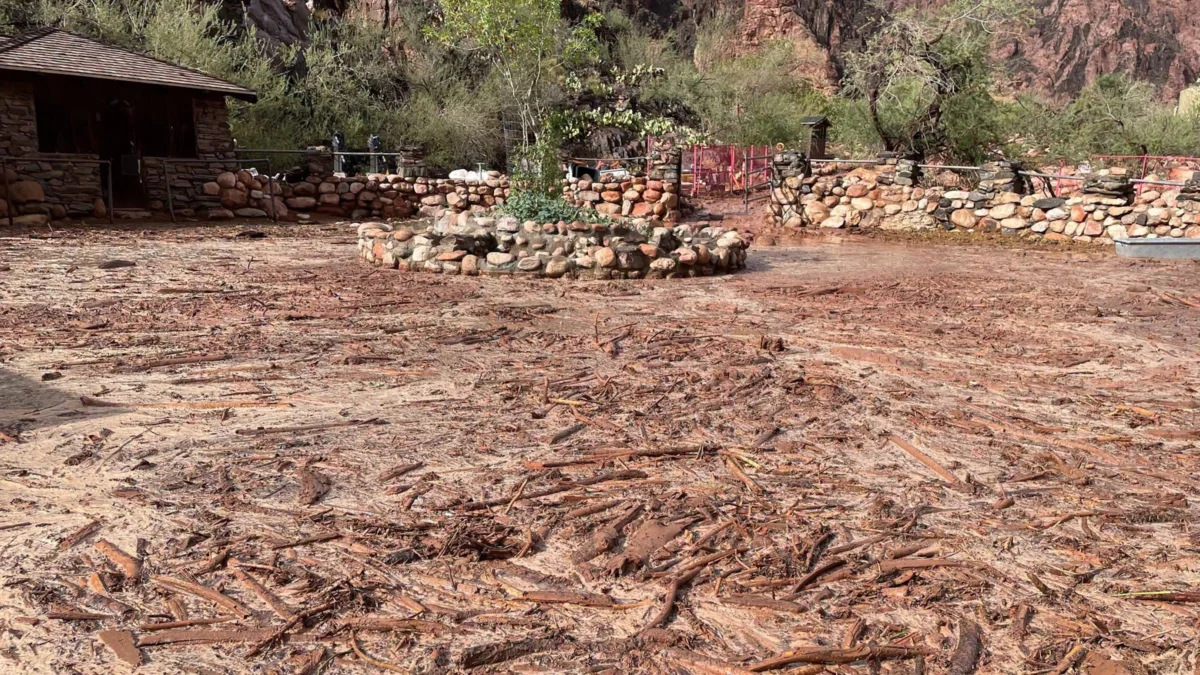
Grand Canyon National Park is grappling with an escalating operational and environmental crisis following a severe weather event that struck the region on September 16, 2026. Less than a month after a historic and deadly flash flood devastated infrastructure and claimed multiple lives on August 29, a secondary storm system swept rapidly through Bright Angel Canyon. The latest surge of water and debris further compromised recovery efforts, destroyed temporary housing facilities for critical infrastructure crews, and exacerbated an ongoing, severe water shortage affecting the South Rim.
National Park Service (NPS) officials confirmed that proactive emergency protocols prevented personnel casualties during the September 16 deluge. Anticipating severe weather and active flash flood warnings, park authorities had previously scaled down the number of maintenance and construction workers stationed within the canyon. Remaining crews successfully evacuated to high ground before the wall of water moved through the area. While the canyon floor sustained heavy impacts, iconic inner-canyon locations such as Phantom Ranch escaped structural damage during this specific event, offering a rare bright spot amid widespread destruction.
Nevertheless, the timing of the secondary flood could hardly have been worse. The park is already struggling to recover from the August 29 disaster, which crippled the region’s fragile water supply network and left lasting scars across the canyon’s trail systems. As Grand Canyon officials, concessionaires, and emergency personnel work around the clock to restore basic functions, the compounded disasters have highlighted the extreme vulnerability of infrastructure in America’s most famous national park to the growing frequency of extreme weather events.
A Chronology of Disaster: From Late August Catastrophe to Mid-September Deluge
The sequence of extreme weather events began on the afternoon of August 29, when a violent, localized storm dropped torrential rainfall over the upper watersheds, sending a catastrophic wall of water tearing down Bright Angel Canyon. The initial flash flood caught numerous hikers and park employees by surprise, stranding dozens of visitors across inner-canyon trails and washing out vital pedestrian and utility bridges.
Search and rescue operations immediately mobilized, but the scale of the destruction significantly hampered rapid deployment. Days of intensive searching yielded grim discoveries. Three hikers—identified as John Guisti, 46, and Brent Rosenkranz, 42, both of Granbury, Texas, and Timothy Allen Smith, 53, of Jackson, Wyoming—lost their lives in the August 29 flood. While rescue teams recovered multiple survivors in the immediate aftermath, Smith remained missing for more than two weeks. On September 14, families and search teams received tragic confirmation when searchers discovered Smith’s body at Crystal Rapid, approximately ten miles downstream from Phantom Ranch.
Just as the park community began to process the tragedy and initiate preliminary damage assessments, meteorological conditions deteriorated once again. On September 16, a new storm system dumped heavy rain onto the already saturated terrain of the upper basin, triggering a second flash flood. This subsequent surge rushed down Bright Angel Canyon, depositing fresh layers of heavy silt, boulders, and uprooted timber into the Colorado River, while elevating river levels by roughly a foot. Grand Canyon river experts and researchers documenting the aftermath reported seeing massive logjams and extensive debris fields choking key river sections, signaling that the landscape’s hydrological equilibrium remains profoundly disturbed.
The Transcanyon Waterline Crisis and Severe Restrictions
Beyond the immediate hazards to hikers and personnel, the primary operational challenge facing Grand Canyon National Park involves the catastrophic failure of its water delivery infrastructure. The linchpin of the South Rim’s water supply is the Transcanyon Waterline, a fragile, 12.5-mile-long pipeline originally constructed decades ago. This vital artery transports water from Roaring Springs on the North Rim across the canyon to the South Rim, sustaining millions of annual visitors, park operations, and approximately 2,500 permanent residents in Grand Canyon Village.
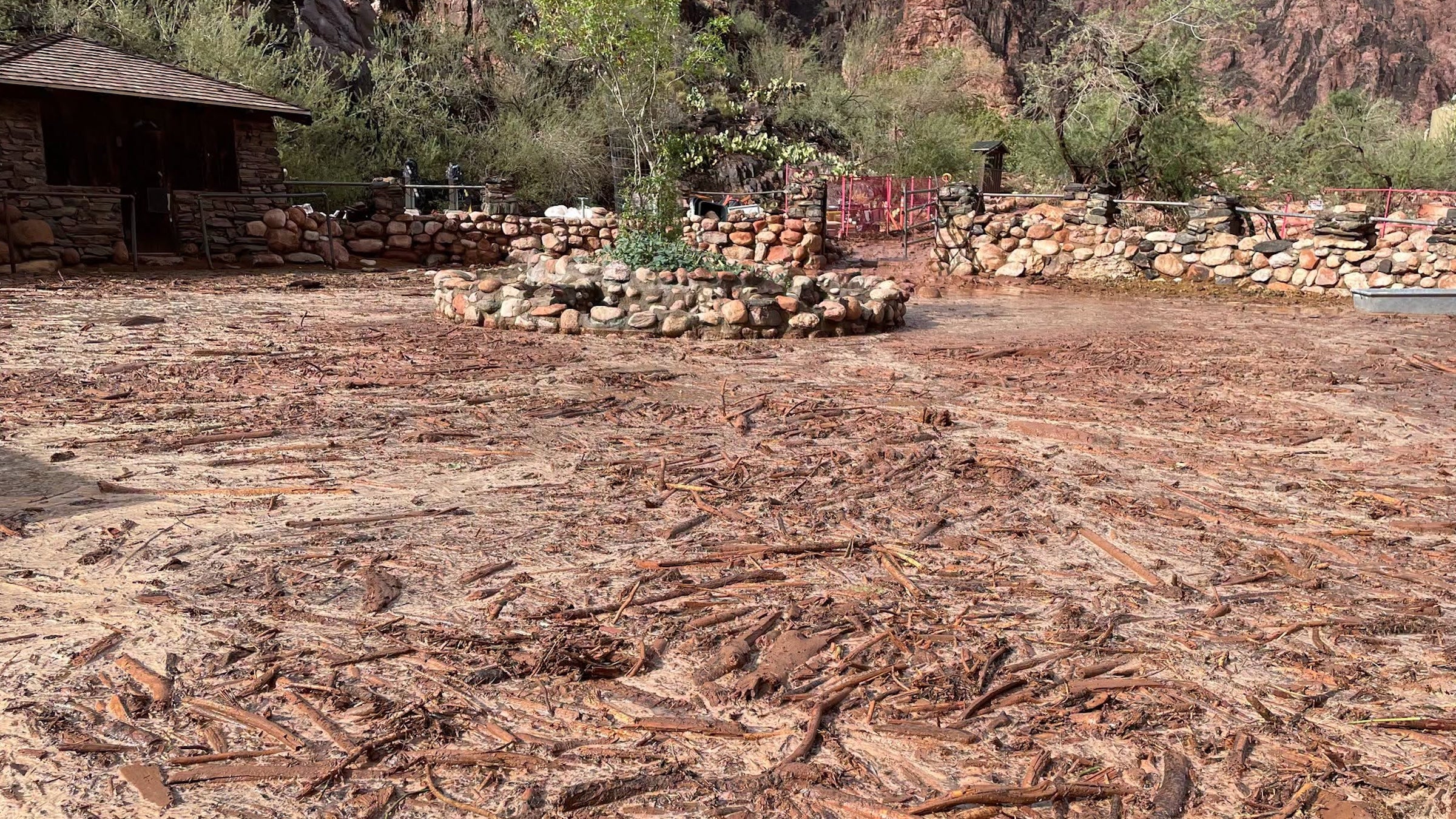
The August 29 flash flood inflicted devastating blows on this critical lifeline, severely damaging approximately 40 percent of the entire pipeline network. Repairing such a specialized infrastructure project in a remote, highly restricted wilderness environment presents immense engineering challenges. To accelerate these repairs, specialized construction crews had established a base camp of mobile living units within the Bright Angel area. However, the September 16 flash flood swept through this staging ground, washing away several of these temporary housing units and forcing crews to temporarily suspend on-site rebuilding efforts while safety assessments are conducted.
In response to the crippled water supply, park management implemented stringent Stage Four water conservation restrictions. These measures remain strictly enforced across the entirety of the South Rim and surrounding visitor zones. Potable water is currently unavailable along all inner-canyon trails and at Havasupai Gardens, forcing park officials to issue strong advisories directing all backcountry hikers and backpackers to pack in their entire water supply or carry advanced filtration and chemical treatment systems.
Current Park Status, Closures, and Economic Impact
Despite the severity of the infrastructure crisis and ongoing emergency responses, Grand Canyon National Park remains officially open for day-use visitors. South Rim operations—including retail outlets, visitor centers, and certain dining facilities—continue to welcome tourists, though under heavily modified conditions designed to minimize resource consumption.
Andy Stiles, general manager at the Grand Canyon South Rim for the Xanterra Travel Collection, emphasized the hospitality industry’s dual focus on guest services and employee welfare during a uniquely challenging period. "We’re focused on supporting our employees and the broader South Rim community through this difficult time," Stiles stated, highlighting financial mitigation efforts aimed at protecting workers from reduced operational hours and ensuring continuous access to employee assistance resources.
Nevertheless, extensive physical closures remain in place to safeguard the public and allow structural engineers to evaluate compromised terrain. Key closures include:
- Phantom Ranch, the historic lodge and campground at the base of the canyon.
- The North Kaibab Trail, a major artery for trans-canyon trekking.
- Multiple critical river and pedestrian bridges spanning canyon watercourses.
- Select lodging facilities within Grand Canyon Village on the South Rim.
Park authorities strongly urge all prospective visitors and backpackers to consult the official National Park Service alerts and conditions webpage for real-time updates before beginning their journeys.
Broader Implications: Climate, Infrastructure, and Resilience in National Parks
The compounding natural disasters at Grand Canyon National Park underscore a broader, increasingly urgent conversation regarding the resilience of public land infrastructure in an era of shifting climatic patterns. Aging infrastructure across the United States National Park System—often built during the mid-20th century under the Mission 66 initiative or even earlier—faces unprecedented stress from extreme weather events, prolonged droughts, and intense, localized precipitation spikes.
The vulnerability of the Transcanyon Waterline exemplifies a systemic vulnerability shared by numerous remote federal reservations. When vital utility corridors rely on single, linear pathways traversing fragile geological zones like the Grand Canyon, localized natural disasters can rapidly transition from localized emergencies into full-scale humanitarian and economic crises for nearby gateway communities.
As climate scientists project an increased frequency of extreme convective storms across the American Southwest during monsoon seasons, land managers face difficult choices. Long-term recovery will not merely require repairing the damage inflicted by the late-summer floods of 2026, but fundamentally rethinking how vital lifelines are engineered, protected, or relocated to withstand future hydrological shocks. For now, the immediate priority for the National Park Service, local operators, and emergency responders remains clear: ensuring public safety, supporting grieving families, managing critical water scarcity, and meticulously rebuilding the fractured pathways of America’s most iconic natural wonder.



 Chandra Hamzah
 Tatiana Tantri Indah Sari
 Budi Mulyono
 Lukman Taruna Persada Ramadan