
 Anjar Salim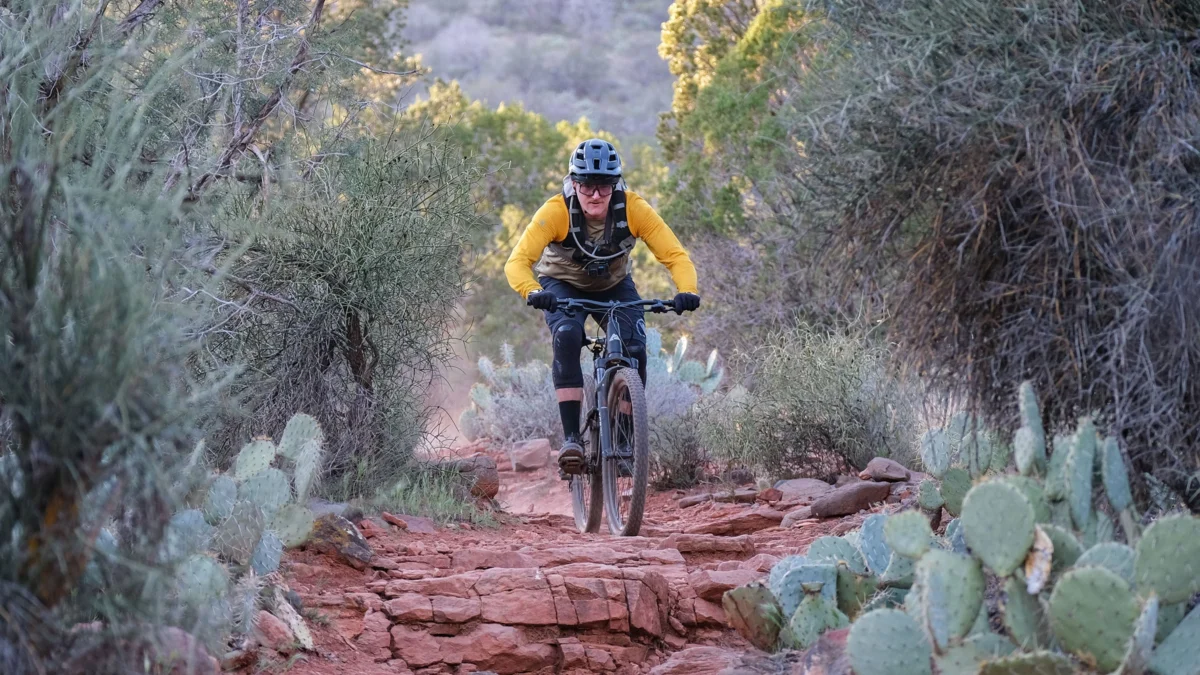
The mountain biking industry has witnessed a significant divergence in pricing over the last five years, with flagship carbon fiber models often exceeding $12,000. However, a new class of high-performance, entry-level machines is challenging the notion that quality must come with a premium price tag. Following the conclusion of the 2026 Value Bike Test in Sedona, Arizona, four models have emerged as the definitive leaders for riders operating on a budget of $2,000 or less: the Polygon Xtrada 7, the Specialized Status 2 140, the State 4130, and the Ozark Trail FastFlow FS 3. These bikes were subjected to rigorous field testing on technical red rock terrain to evaluate their geometry, component durability, and long-term progression potential for newcomers to the sport.
Chronology of the 2026 Value Bike Test
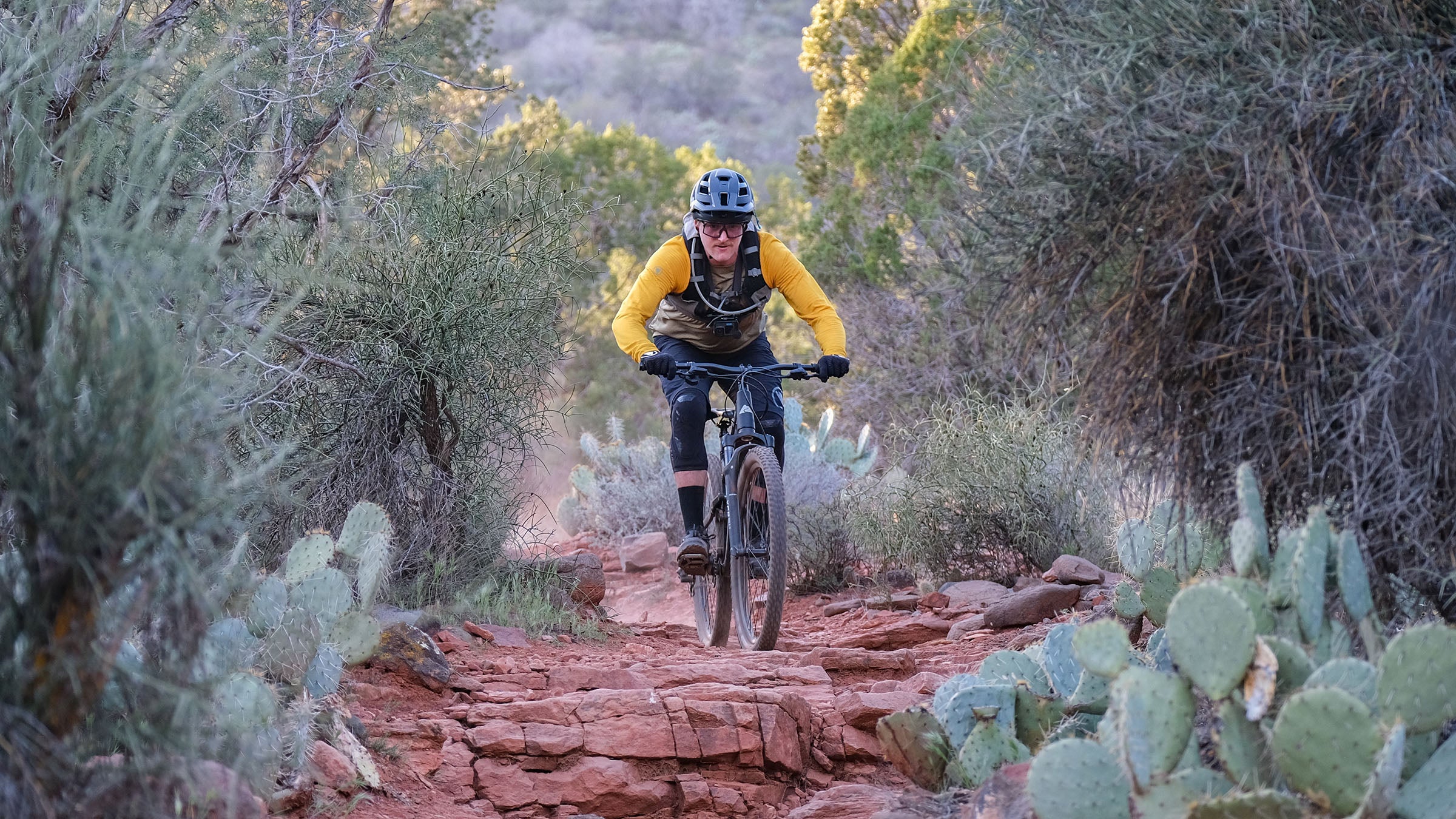
The evaluation process spanned two weeks in May 2026, utilizing the diverse trail network of Sedona as a proving ground. The testing team, led by industry veterans including Mike Kazimer, selected six finalists from a pool of twenty candidates based on their retail availability and adherence to the $2,000 price ceiling.
The first phase of testing involved "blind" setup sessions where suspension sag and tire pressures were normalized across all platforms. During the second phase, testers performed back-to-back laps on a designated four-mile loop that included 600 feet of technical climbing and a descent characterized by "square-edge" hits and off-camber rock slabs. This methodology was designed to highlight how budget-friendly components, such as entry-level hydraulic brakes and coil-sprung forks, handle heat dissipation and repetitive impacts. The final phase concluded on May 21 with a series of head-to-head "timed challenges" to determine which bikes offered the most confidence-inspiring handling for riders still developing their technical skills.
Technical Analysis: The Polygon Xtrada 7 and the XC Advantage
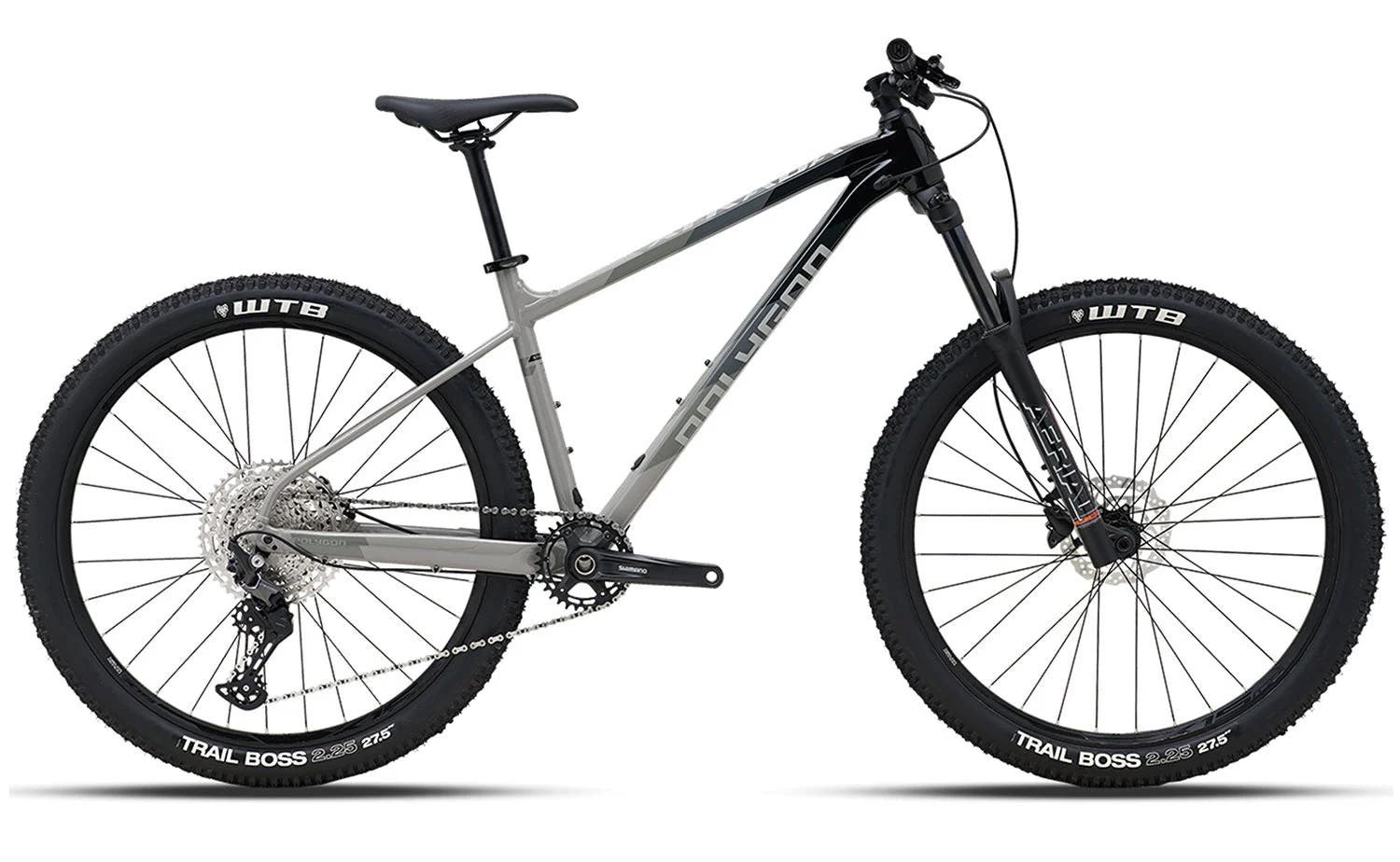
The Polygon Xtrada 7 was identified as the premier Cross-Country (XC) hardtail in the sub-$2,000 category. While many budget hardtails suffer from dated "steep" geometry that makes descending feel precarious, the Xtrada utilizes a modernized aluminum frame that balances pedaling efficiency with stability.
Equipped with 29-inch wheels, the Xtrada 7 is designed to maintain momentum over rolling terrain. The component package is notably robust for its price point, featuring a 120-millimeter XFusion fork and a SRAM Eagle 12-speed drivetrain. In testing, the bike’s climbing prowess was its standout feature; the stiff rear triangle ensured that power transfer remained immediate, a critical factor for riders tackling long ascents. Analysts noted that while the XFusion fork may eventually require an upgrade for riders venturing into "enduro" style terrain, the frame’s clean lines and internal cable routing give it the aesthetic and functional longevity of a much more expensive machine.
The Mullet Revolution: Specialized Status 2 140
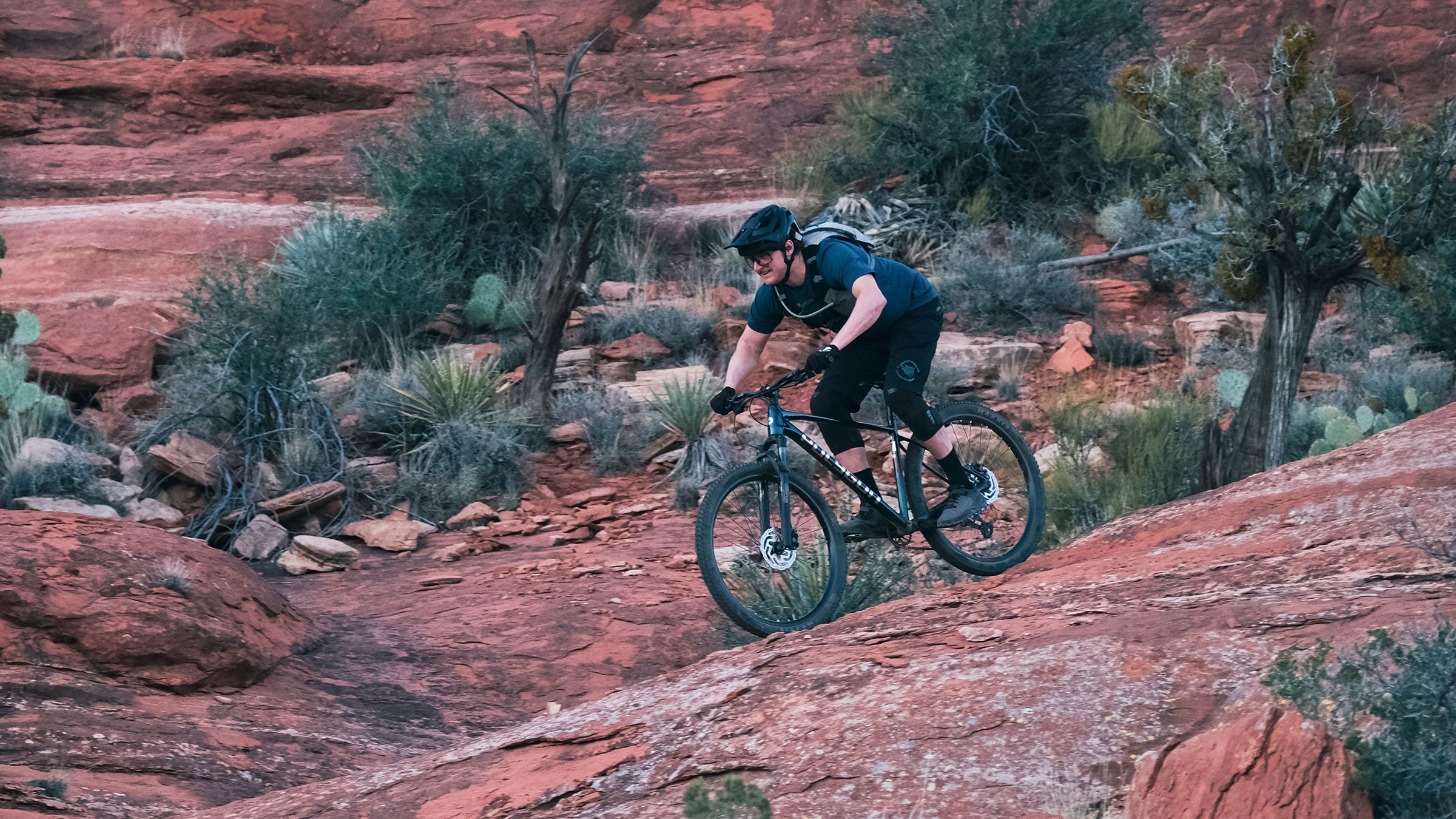
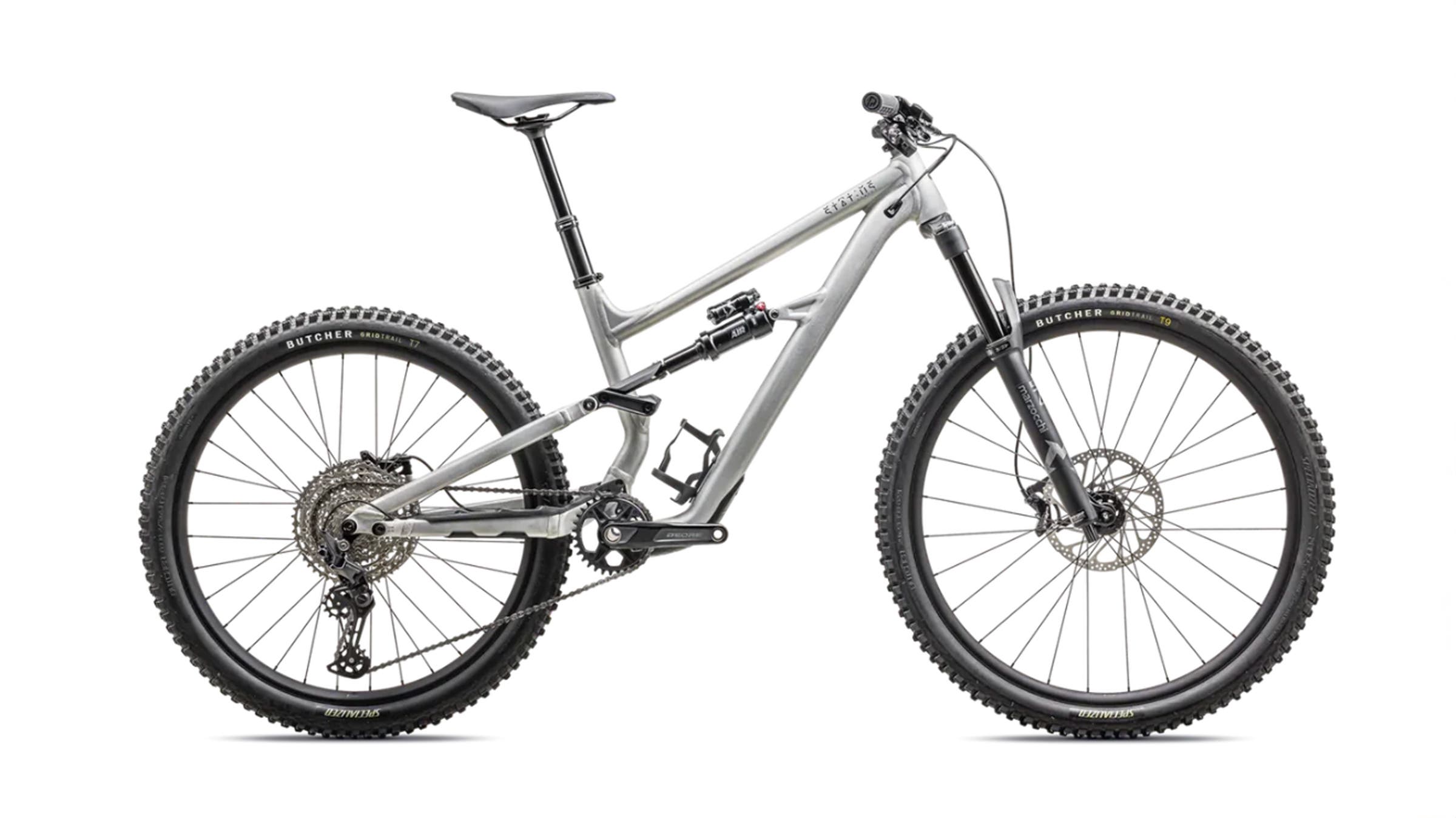
The Specialized Status 2 140 represents a shift in how major manufacturers approach the "budget" category. Rather than offering a watered-down version of a cross-country bike, Specialized has produced a dedicated "trail-shredder" using a mixed-wheel (mullet) configuration—a 29-inch wheel in the front for rollover capability and a 27.5-inch wheel in the rear for maneuverability.
With 140 millimeters of travel provided by Marzocchi Z1 and Bomber suspension components, the Status 2 140 is built for riders who prioritize technical descents and "air time." During the Sedona tests, the bike’s short chainstays allowed riders to navigate tight switchbacks and manual over obstacles with ease. The trade-off for this playfulness is a slight reduction in high-speed stability compared to full 29-inch platforms. However, for the demographic of riders looking to progress quickly into bike park riding or aggressive trail loops, the Status 2 140 provides a high-quality aluminum frame that serves as a worthy platform for future component upgrades.
Steel Versatility: The State 4130 Hardtail
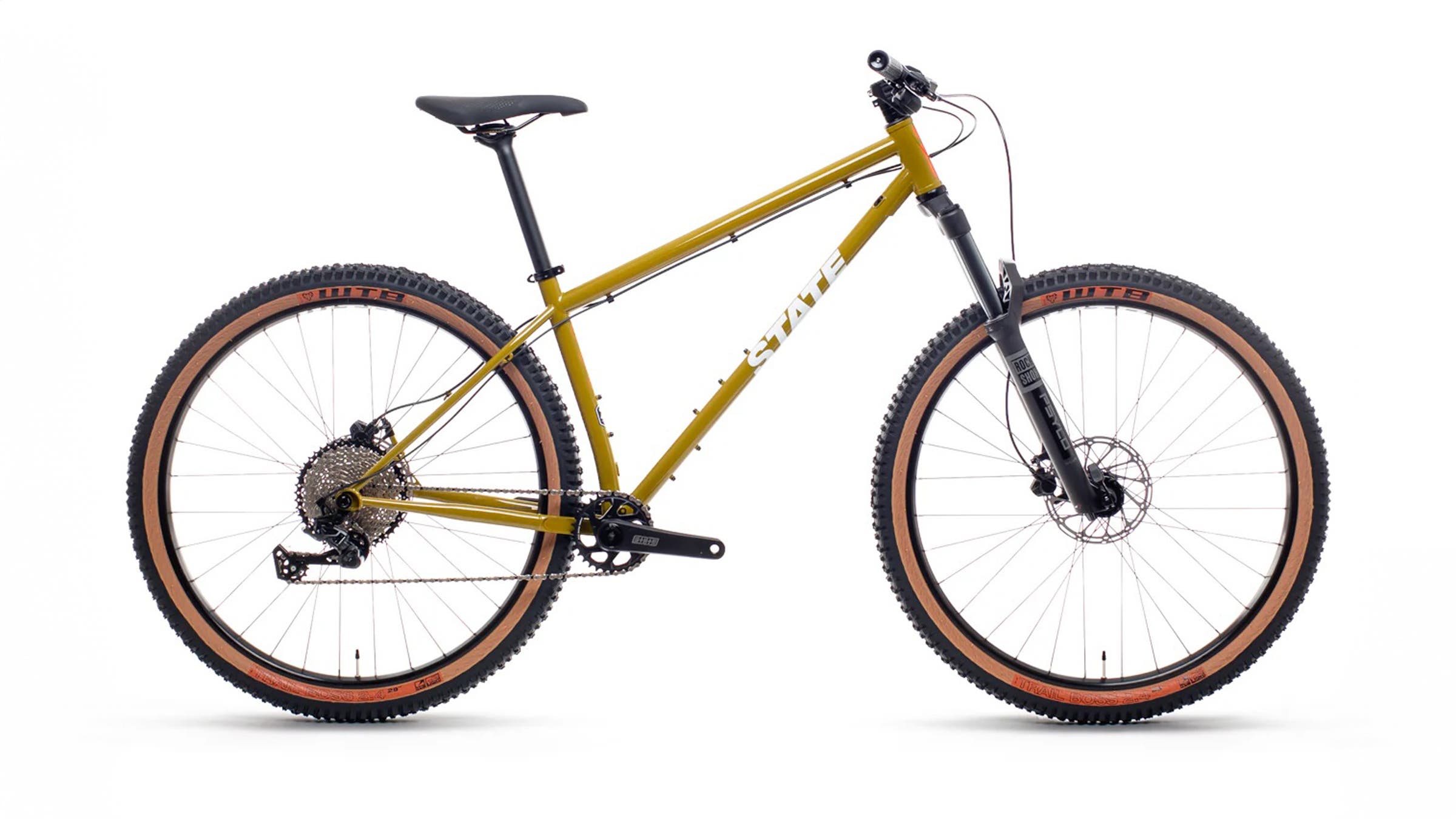
State Bicycle Co., a brand historically rooted in the urban fixed-gear and gravel markets, has successfully pivoted into the mountain bike sector with the 4130. This chromoly steel hardtail offers a ride quality that aluminum cannot replicate, providing a natural "dampening" effect that reduces rider fatigue on chattery trails.
The 4130 is positioned as a versatile tool, capable of both aggressive trail riding and multi-day bikepacking. It features an aggressive geometry that mimics modern "enduro" hardtails, paired with a RockShox Psylo fork that outperformed many other budget air-springs during the testing period. One significant value-add identified by testers was the inclusion of a long-travel PNW dropper post, a component often omitted or down-specced in this price bracket. Prospective buyers should note that the State 4130 is often sold as a direct-to-consumer product requiring full assembly, which may necessitate additional costs at a local bicycle shop for those without mechanical experience.
Market Disruption: The Ozark Trail FastFlow FS 3
Perhaps the most significant revelation of the 2026 test was the performance of Walmart’s in-house brand, Ozark Trail. The FastFlow FS 3, priced under $1,000, challenges the traditional "barrier to entry" for full-suspension mountain biking. This is largely attributed to the influence of the Walton family, whose investment in Bentonville, Arkansas, has turned the region into a global mountain biking hub and influenced the development of Walmart’s cycling gear.
The FastFlow FS 3 utilizes a four-bar Horst-link suspension design, a proven layout that provides active braking and efficient pedaling. With 120mm of front travel and 130mm in the rear, the bike handled Sedona’s "chunky" terrain with surprising composure. While the stock wheels and brakes are not intended for extreme abuse, the frame features modern standards such as a tapered head tube and a universal derailleur hanger (UDH). This makes the FastFlow FS 3 a legitimate "entry point" bike that can be incrementally upgraded as a rider’s skills evolve, rather than a "disposable" department store bike.
Comparative Data and Component Standards
To assist consumers in navigating the budget market, the testing team emphasized four "non-negotiable" features that define a modern, capable mountain bike:
- Hydraulic Disc Brakes: Essential for consistent stopping power and reducing hand fatigue on long descents.
- Dropper Seatpost: Allows the rider to lower the saddle instantly, providing better body position for descending.
- Modern Geometry: Specifically, a "slack" head tube angle (typically 64 to 66 degrees) for stability and a "steep" seat tube angle for efficient climbing.
- Tubeless-Ready Wheels: Necessary for running lower tire pressures, which increases traction and virtually eliminates "pinch flats."
According to market data, the average price of a "mid-tier" mountain bike has risen by 18% since 2022. The 2026 Value Bike Test proves that while prices at the top are soaring, the "trickle-down" of technology—such as 12-speed drivetrains and sophisticated air suspension—has made the $1,500 to $2,000 range more competitive than ever before.
Official Responses and Industry Implications
Representatives from Polygon and Specialized noted that the focus for 2026 has been on "durability over weight-savings." By utilizing aluminum and steel instead of carbon fiber, manufacturers can allocate more budget toward high-quality suspension dampers and tires, which have a more immediate impact on trail performance for the average rider.
"The goal is to remove the intimidation factor," stated one industry analyst during the Sedona event. "When a rider can buy a bike for $1,800 that doesn’t hold them back on technical terrain, the entire sport grows. We are seeing a move away from ‘beginner bikes’ that break after three months toward ‘value bikes’ that can last three years."
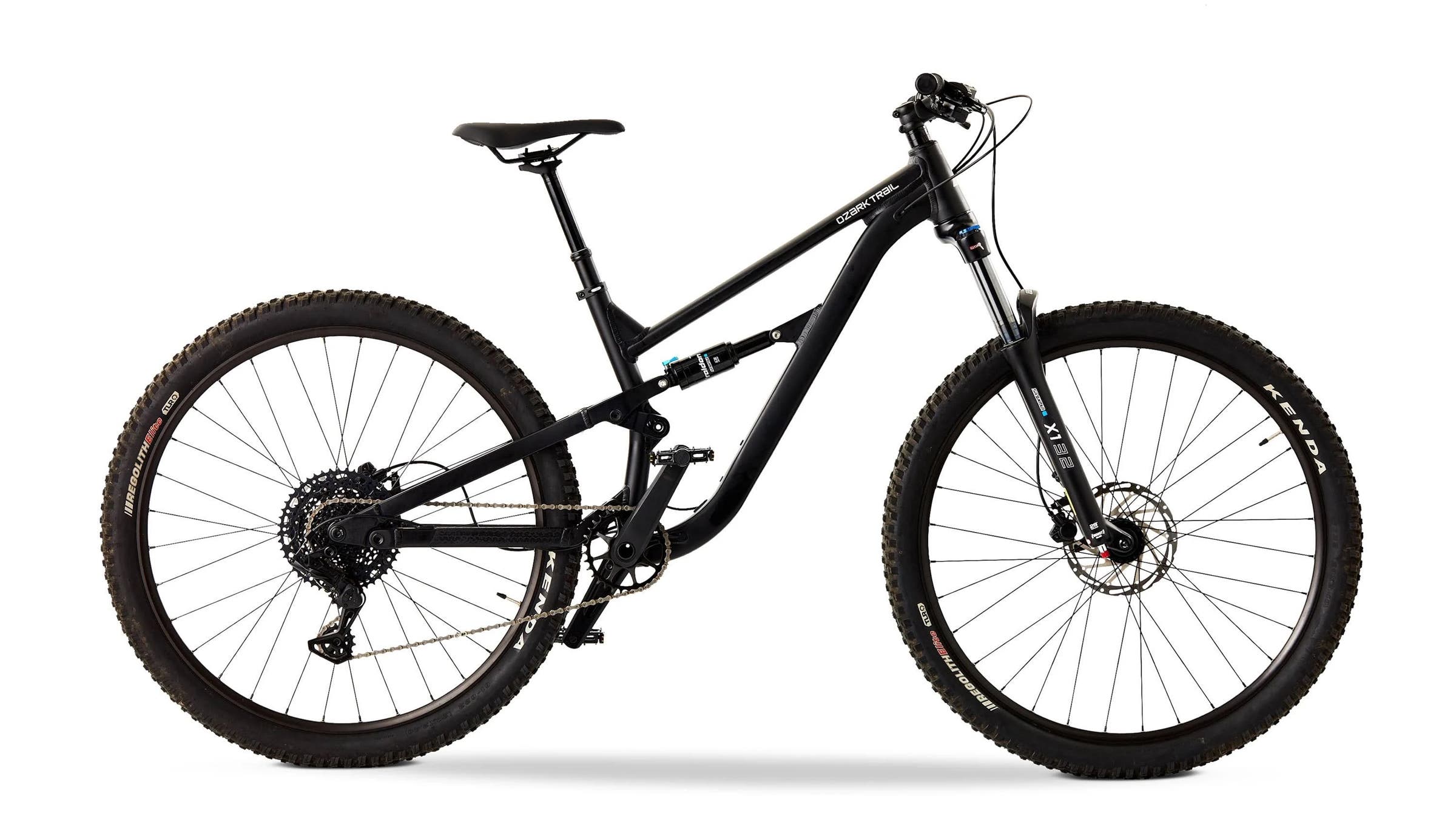
The success of the Ozark Trail FastFlow FS 3 also suggests a shift in retail dynamics. As big-box retailers adopt legitimate mountain bike standards, the pressure increases on traditional "boutique" brands to justify their higher entry-level prices.
Final Considerations for the Consumer
The 2026 Value Bike Test concludes that there is no longer a single "best" bike, but rather a best bike for a specific terrain. The Polygon Xtrada 7 remains the choice for those who value speed and distance. The Specialized Status 2 140 is the definitive tool for those seeking gravity-fed thrills. The State 4130 offers the timeless feel and versatility of steel, while the Ozark Trail FastFlow FS 3 provides an unprecedented gateway into full-suspension riding for under $1,000.
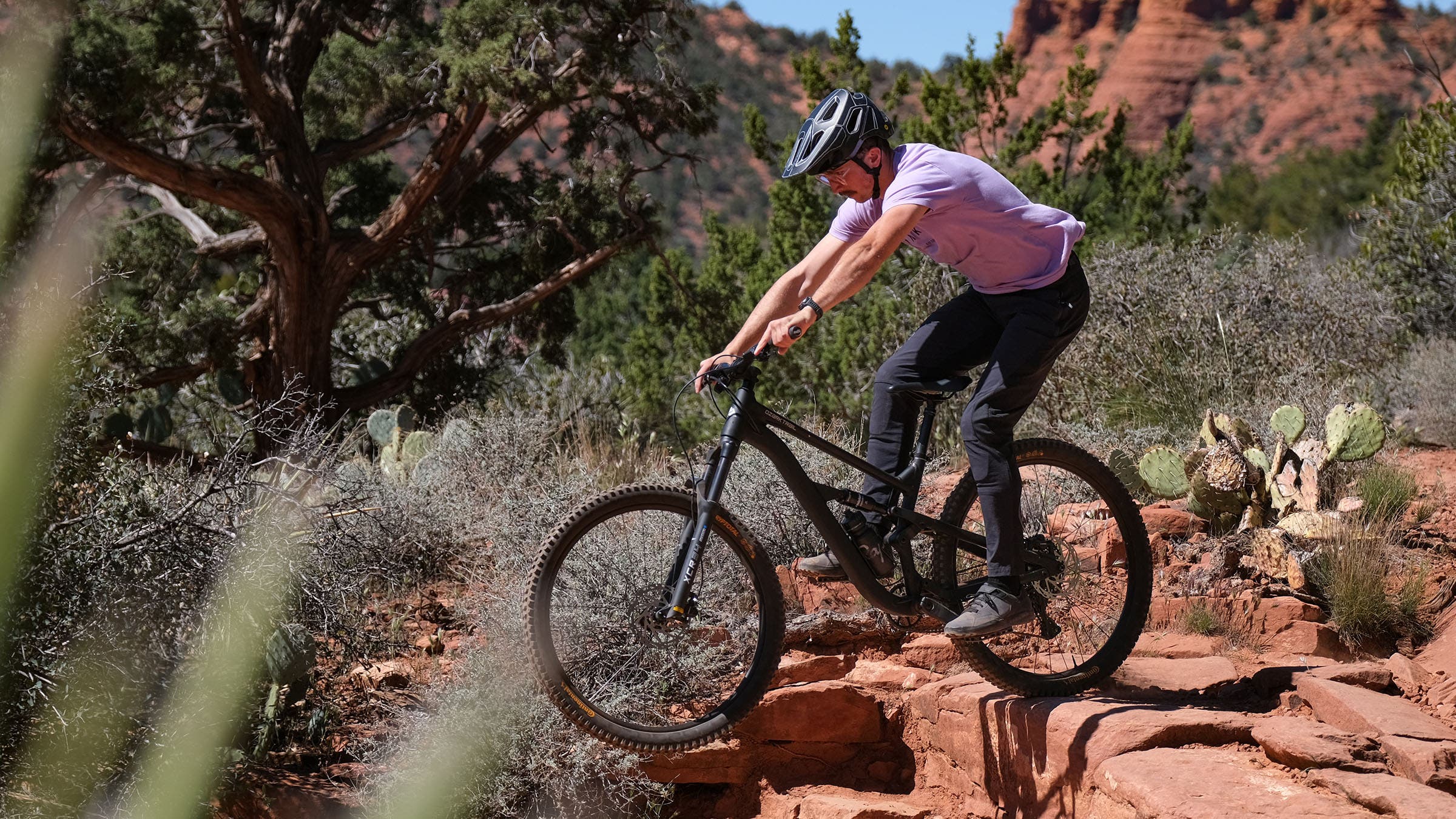
As mountain biking continues to expand globally, these four models represent the vanguard of an era where high-quality trail experiences are increasingly accessible to a broader demographic. Riders are encouraged to prioritize frame geometry and fit above all else, as components can be replaced, but the "soul" of the bike’s handling remains constant.




 Chandra Hamzah
 Tatiana Tantri Indah Sari
 Budi Mulyono
