
 Anjar Salim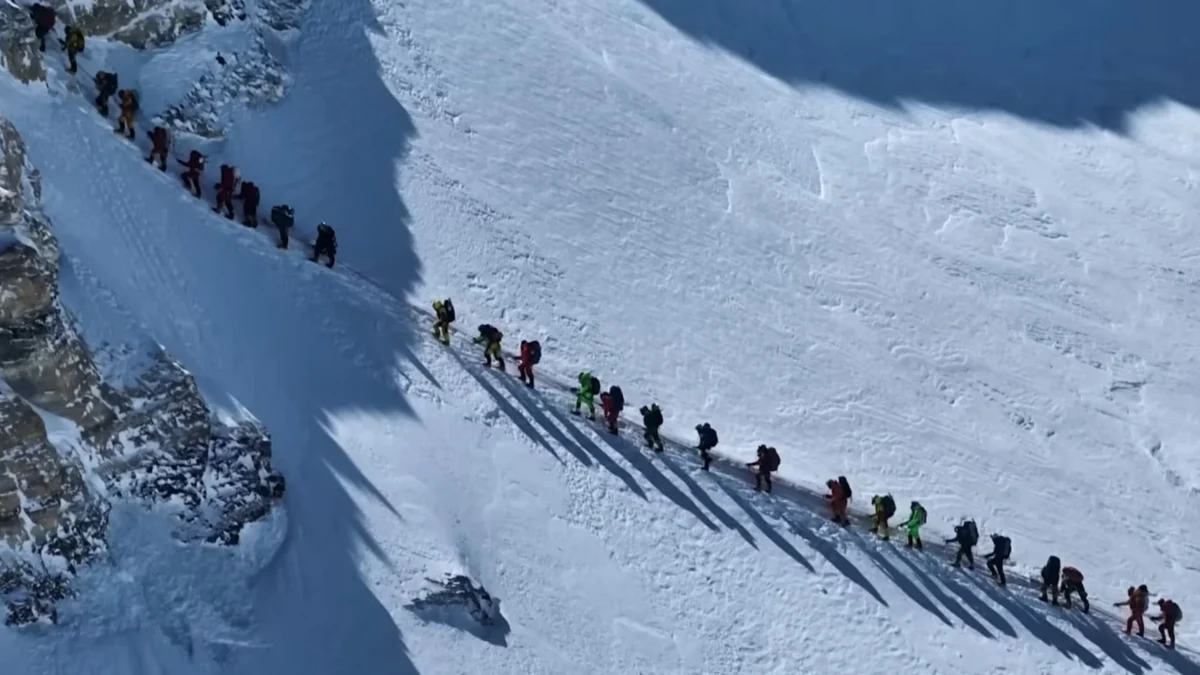
Hundreds of mountaineers began their arduous descent from the upper reaches of Mount Everest on Thursday, May 21, 2026, marking the conclusion of one of the most prolific summit windows in the history of Himalayan mountaineering. Driven by a rare period of sustained calm weather and clear skies, more than 500 climbers reached the world’s highest point between Monday, May 19, and Thursday, May 21. This "summit bonanza" reached its zenith on Wednesday, May 20, when 274 individuals stood atop the 29,032-foot peak, a figure that represents the busiest single day ever recorded from the Nepalese side of the mountain.
According to data released by Nepal’s Department of Tourism, the activity on May 20 was characterized by an 11-hour continuous stream of climbers moving toward the peak. Khimlal Gautam, the chief of the department’s Everest field office, described the event as a milestone for the nation’s climbing industry. The sheer volume of successful ascents on Wednesday surpassed previous single-day records for the South Col route. While the year 2019 saw 354 climbers summit on a single day (May 23), that total was split between those ascending from Nepal and those climbing from the Tibetan side. The 2026 figure of 274 summiters represents a concentrated density of traffic specifically on the Nepalese flank, highlighting the immense logistical coordination required to manage such a crowd in the "Death Zone."
A Season Defined by Delays and Determination
The success of the mid-May summit push stands in stark contrast to the anxiety that defined the early weeks of the 2026 spring climbing season. Traditionally, the route through the Khumbu Icefall—the treacherous, shifting glacier located just above Base Camp—is established by mid-April. However, this year, the "Icefall Doctors," the elite team of Sherpas responsible for fixing ropes and ladders, encountered significant structural hazards.
Massive seracs, or towers of glacial ice, loomed over the traditional route near the top of the Icefall. Fearing a catastrophic collapse, route builders halted progress for over two weeks, waiting for the formations to stabilize or fall naturally. This delay sent ripples of concern through the mountaineering community, as hundreds of climbers waited at Base Camp, their acclimatization schedules slipping and their supplies dwindling. Daniel Mazur, an experienced American guide with Summit Climb, noted in late April that the delay was unprecedented in recent years, leading to fears that the short weather window in May would be insufficient to accommodate the record number of permit holders.
The route was finally declared open on April 28, approximately 14 days later than the previous year. The "rope-fixing" team, which secures the safety lines all the way to the summit, did not reach the top until May 13. Despite the late start, the efficiency of the Sherpa teams allowed expedition operators to capitalize on a stable high-pressure system that arrived in the third week of May. Chhang Dawa Sherpa, director of Seven Summit Treks, praised the collective effort of the mountain workers who compressed weeks of logistical preparation into a few days to ensure the safety of their clients.
Statistical Overview and Record-Breaking Permits
The 2026 season has set a new benchmark for Everest’s commercial popularity. The Government of Nepal issued a record 494 climbing permits this year, surpassing the previous high of 478 issued in 2023. When accounting for the high ratio of support staff—including mountain guides, high-altitude porters, and kitchen staff—the total population of climbers attempting the peak this spring is estimated to be near 1,000.
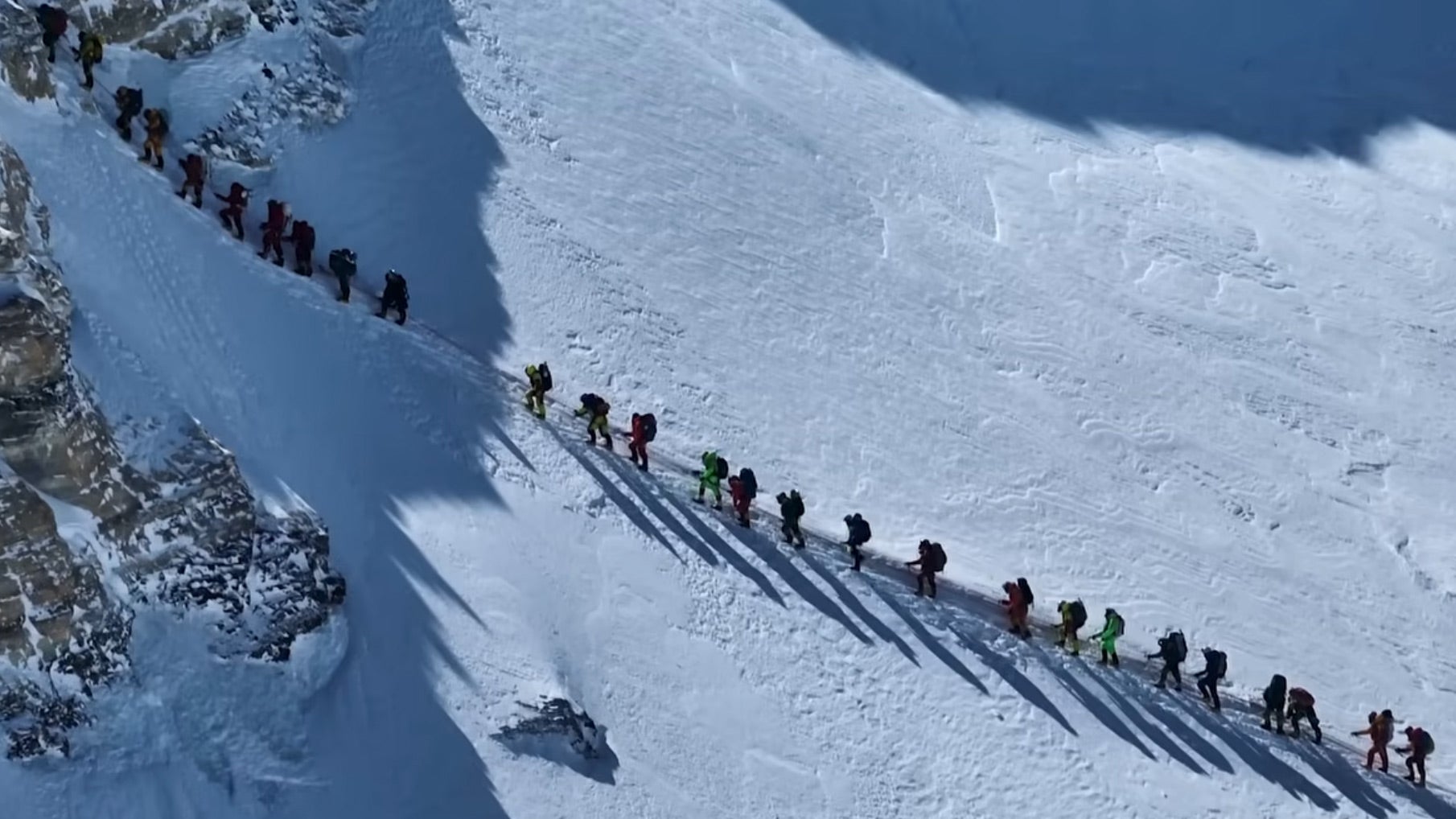
Each permit represents $11,000 in direct revenue for the Nepalese government, making Everest a vital pillar of the national economy. However, the high volume of climbers has also renewed debates regarding safety and environmental sustainability. The 11-hour summit window on May 20, while historic, forced climbers to navigate the "Hillary Step" and the "bottleneck" areas in close proximity, increasing the risk of exhaustion and oxygen depletion. Despite these concerns, field reports from Outside correspondent Ben Ayers indicate that the May 19–21 window passed without major injuries or fatalities among the summiting teams, though several cases of frostbite were treated at lower camps.
Triumphs and Personal Milestones
The 2026 season has been a year of significant individual achievements, ranging from veteran record-setters to ground-breaking newcomers.
Kami Rita Sherpa and Lhakpa Sherpa: On May 17, two of the most celebrated figures in Everest history further cemented their legacies. Kami Rita Sherpa, 56, reached the summit for a staggering 32nd time. Climbing as a lead guide for Seven Summit Treks, he continues to push the boundary of human endurance. Similarly, Lhakpa Sherpa, known as the "Mountain Queen," completed her 11th successful ascent, maintaining her record as the woman with the most Everest summits. Both climbers emphasized that their efforts were dedicated to the recognition and empowerment of the Sherpa community.
Bartez Ziemski: Polish ski mountaineer Bartez Ziemski, 37, achieved a rare feat of "clean" climbing and extreme sport. Ziemski ascended the peak without the use of supplemental oxygen and then skied from the summit back to Base Camp. This accomplishment follows his recent ski descent of Mount Lhotse, the world’s fourth-highest peak. Ziemski is only the second person in history to complete a full ski descent of Everest without oxygen, following the path of his compatriot Andrzej Bargiel.
River Ahmad: In a moment of profound cultural significance, 30-year-old River Ahmad became the first Afghan woman to stand on the summit of Mount Everest on May 21. Ahmad, who survived a Taliban-led massacre in her youth before fleeing to Australia, used her climb to advocate for the rights of women in her home country. Her ascent serves as a symbolic defiance of the restrictions currently placed on women’s education and sports in Afghanistan.
Rustam Nabiev: Another historic ascent occurred on May 21 when Russian climber Rustam Nabiev reached the top. Nabiev, a double-leg amputee who lost his limbs in a 2015 military accident, ascended the mountain using only his hands and ice axes, eschewing the use of prosthetics. His feat is a testament to the evolving possibilities of adaptive mountaineering on 8,000-meter peaks.
The Human Cost of the High Altitude
While the summit successes have dominated the headlines, the 2026 season has not been without tragedy. To date, three fatalities have been recorded, all involving Nepali mountain workers whose labor is essential to the functioning of the Everest industry.

- Lakpa Dende Sherpa (52): Died on May 3 during the initial trek to Base Camp, highlighting the physical toll even the approach can take on veteran workers.
- Bijaya Bishwakarma (35): Perished on May 10 while performing the dangerous task of transporting gear through the Khumbu Icefall.
- Phura Gyaljen Sherpa (20): Lost his life on May 11 following a slip and fall on the Lhotse Face, a steep wall of ice and snow that climbers must navigate to reach Camp III.
These deaths underscore the disproportionate risk borne by the local workforce. While Western and international clients pay tens of thousands of dollars for the opportunity to summit, the Sherpas and Nepali porters take on the most dangerous tasks—fixing ropes, carrying oxygen cylinders, and setting up high-altitude camps—often making dozens of trips through the Icefall in a single season.
Broader Implications and the Closing Window
As the record-breaking week draws to a close, the focus on the mountain is shifting from the large Nepali-led expeditions to Western boutique outfitters. Companies such as Madison Mountaineering (USA) and Furtenbach Adventures (Austria) have timed their summit pushes for the final week of May, hoping to avoid the congestion seen during the May 20 surge.
Garrett Madison, lead guide for Madison Mountaineering, reported that his team reached Camp III (23,300 feet) on Thursday, eyeing a summit attempt between May 22 and May 25. By waiting for the initial wave of 500 climbers to descend, these smaller teams hope for a "quieter" mountain, though the risk of deteriorating weather increases as the June monsoon season approaches.
The 2026 season is scheduled to officially conclude on May 31, the date when climbing permits expire and the "Icefall Doctors" begin the process of removing the ladders and ropes from the Khumbu Glacier. The data from this year will likely prompt further discussion within the International Climbing and Mountaineering Federation (UIAA) and the Nepalese government regarding the management of "traffic jams" in the Death Zone.
The successful summit of over 500 people in such a short window proves the high level of technical proficiency now present in the Everest guiding industry. However, the reliance on a few days of perfect weather to move hundreds of people through life-threatening terrain remains a gamble. For now, the mountaineering world celebrates a season of remarkable records and personal triumphs, even as it mourns the loss of the workers who made those successes possible.




 Chandra Hamzah
 Tatiana Tantri Indah Sari
 Budi Mulyono
 Lukman Taruna Persada Ramadan