
 Diana Nuri Rohmawati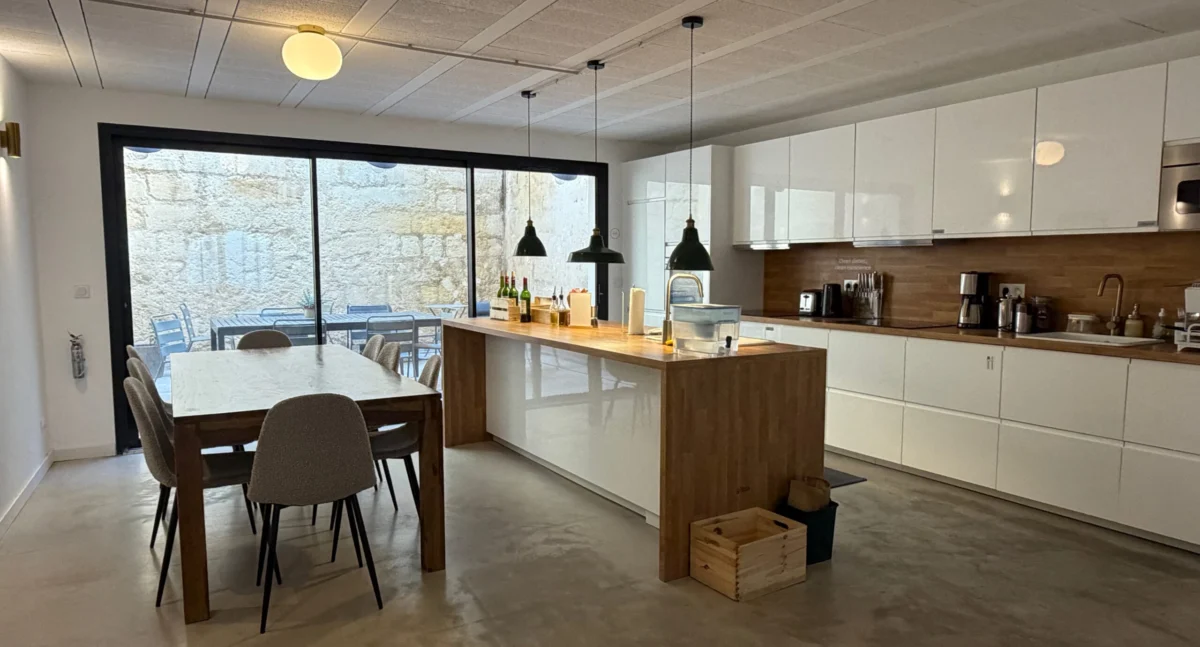
The global landscape of employment has undergone a seismic shift over the last decade, transitioning from traditional office-bound roles to a decentralized model of "work-from-anywhere" professional life. This evolution has birthed a burgeoning industry dedicated to supporting digital nomads—professionals who leverage technology to work remotely while traveling. At the forefront of this infrastructure is Outsite, a global network of coliving and coworking spaces that seeks to bridge the gap between hospitality and professional productivity. As the demand for stable internet, ergonomic workspaces, and social connectivity grows, platforms like Outsite are redefining the standards for remote work travel, moving away from the "backpacker" aesthetic toward a more structured, professionalized environment.
The Historical Context of the Coliving Movement
The concept of coliving is not entirely new, but its modern iteration is deeply rooted in the rise of the "sharing economy" that emerged in the early 2010s. Originally, digital nomads were often associated with budget-conscious backpackers, frequently working from hostel common rooms or local cafes with inconsistent Wi-Fi. However, as the demographic of remote workers aged and professionalized, the need for a "third space"—one that combined the privacy of a hotel with the utility of an office—became apparent.
Outsite was founded in 2015 by Emmanuel Guisset, starting with a single property in Santa Cruz, California. The initial mission was specific: to cater to professionals who wanted to balance high-level work with outdoor lifestyles, such as surfing or hiking. Since its inception, the company has expanded significantly, capitalizing on the post-pandemic surge in remote work. Today, the network manages over 50 locations worldwide and serves a membership base exceeding 5,000 individuals. This growth mirrors a broader trend in the real estate and hospitality sectors, where "subscription living" and flexible housing have become viable alternatives to long-term leases.
Operational Framework and Membership Models
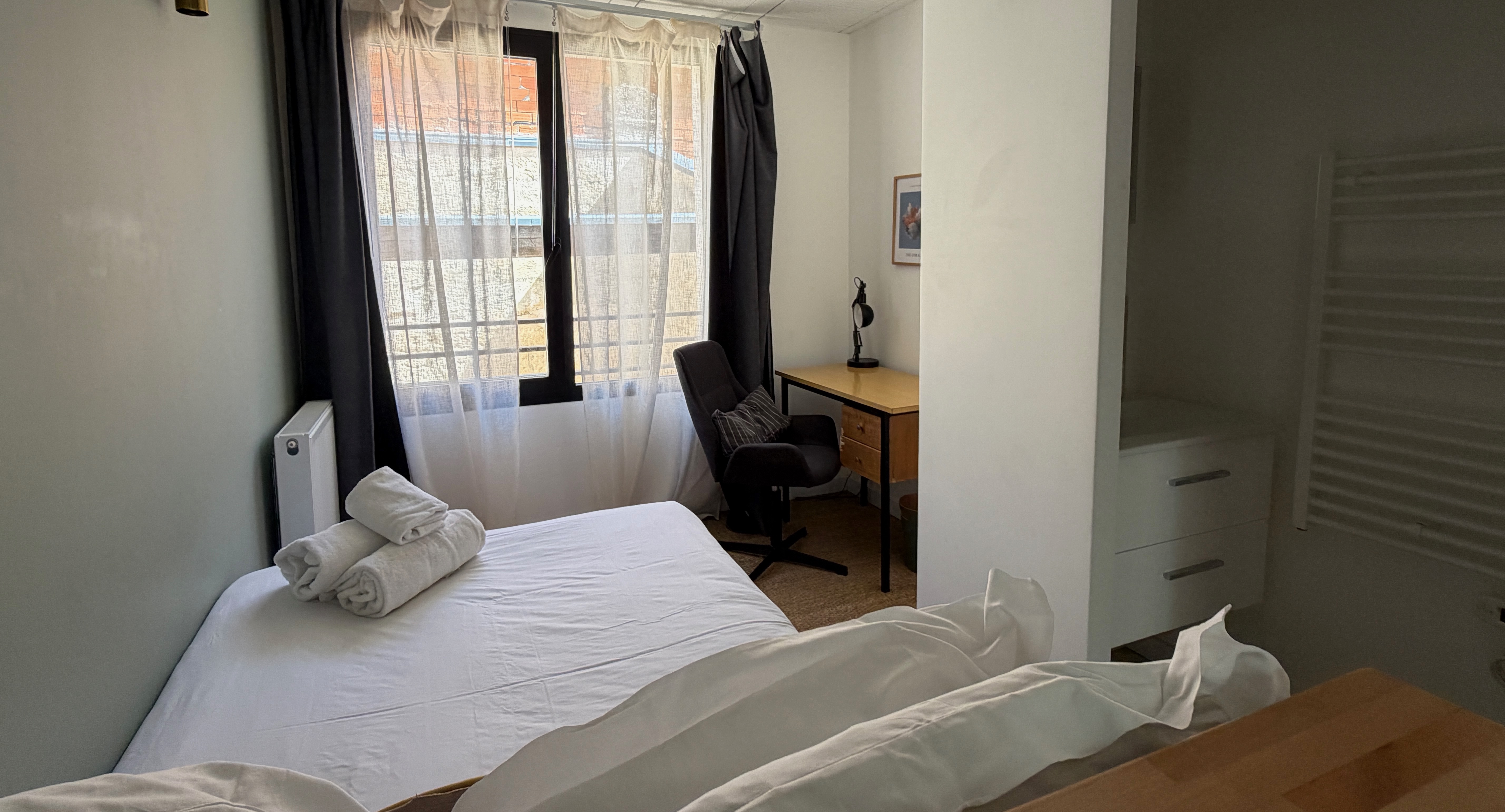
Outsite operates on a hybrid model that functions as a boutique hotel-coworking crossover. Unlike traditional hostels that prioritize high-density dormitories, Outsite emphasizes private accommodations. The majority of their properties offer private bedrooms with en-suite bathrooms, catering to a demographic that values privacy and quietude for professional calls and deep-focus work.
The membership structure is a central component of the Outsite ecosystem. While the platform allows non-members to book stays, it incentivizes long-term engagement through a tiered membership system. An annual membership is currently priced at $199, while a lifetime membership is offered at $499. These memberships provide access to discounted nightly rates, member-only locations, and a variety of lifestyle perks, such as early access to "flash sales" and a dedicated job board for remote opportunities.
By implementing a membership fee, the platform effectively curates its community. This "gated" approach ensures that the inhabitants of the houses are generally like-minded professionals, which reduces the friction often found in shared living spaces where tourists and workers may have conflicting schedules or priorities.
The Infrastructure of Productivity
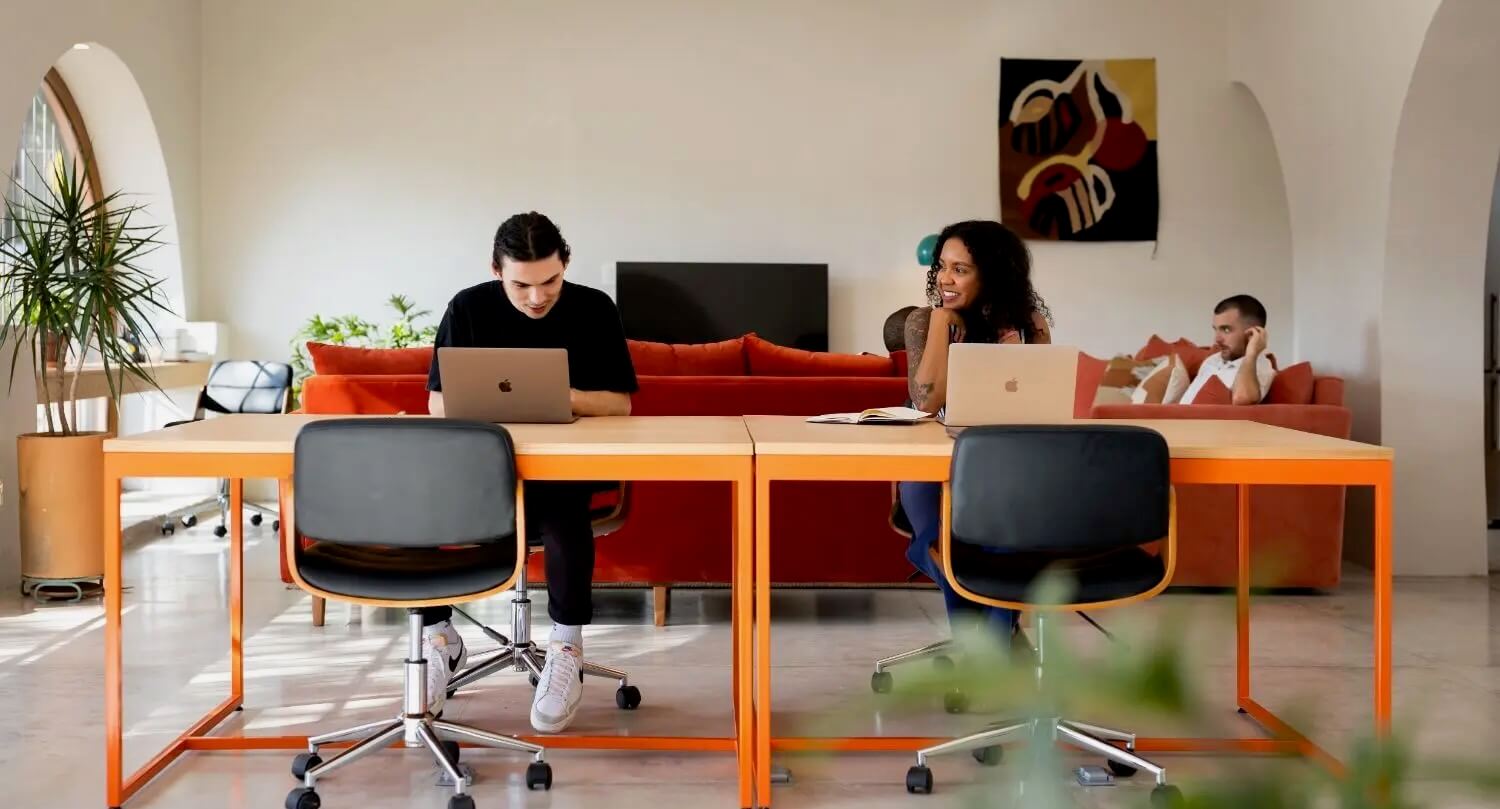
A critical differentiator for coliving platforms is the quality of their professional infrastructure. For a digital nomad, the reliability of a workspace is non-negotiable. Outsite properties are designed with "enterprise-grade" connectivity as a baseline requirement. This includes high-speed Wi-Fi capable of handling video conferencing and large data transfers, as well as physical amenities such as ergonomic chairs, standing desks, and external monitors.
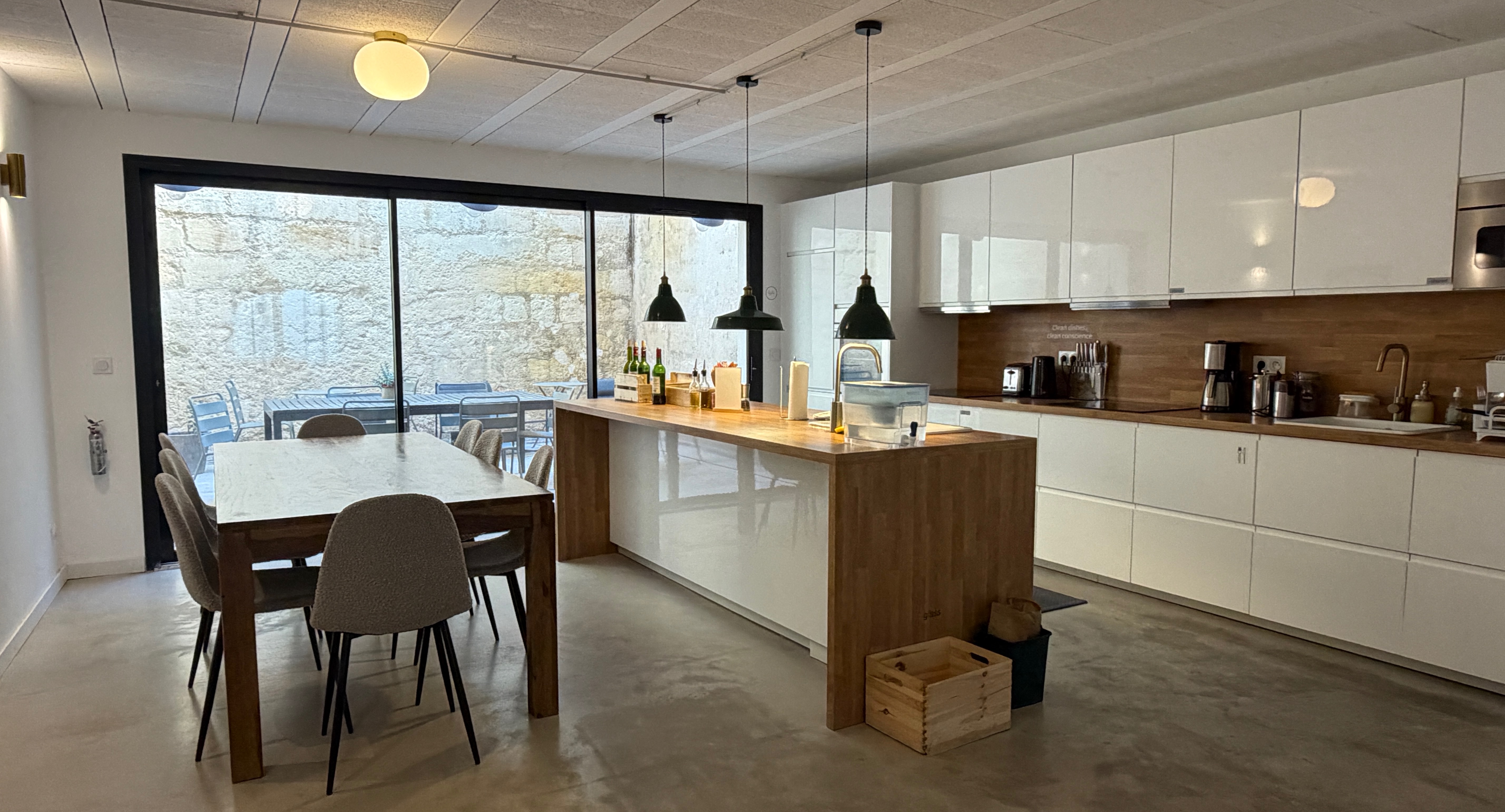
In a recent case study of the Outsite location in Bordeaux, France, the facility demonstrated the high standard of these amenities. The property integrated modern communal kitchens, laundry facilities, and even specialized spaces like small fitness centers. The design philosophy typically favors natural light, local artwork, and biophilic elements (such as indoor plants) to create an environment conducive to both mental well-being and productivity. This contrast to the sterile environment of corporate hotels or the chaotic nature of public cafes is a primary driver for the platform’s high retention rates.
Community Management and the Social Logistics of Remote Work
One of the most documented challenges of remote work is social isolation. Research indicates that "loneliness" is a leading reason why many digital nomads eventually return to traditional office settings. To combat this, Outsite employs a localized community management strategy.
Each location is overseen by a Community Manager—a local expert who facilitates social integration. Upon arrival, guests are integrated into a local communication network, typically via WhatsApp, which serves as a hub for organizing group activities. These activities range from professional networking mixers and "family-style" dinners to weekend excursions and morning wellness sessions.
The presence of a Community Manager also serves a logistical purpose. They act as a bridge between the guest and the local culture, providing vetted recommendations for dining, transport, and leisure that go beyond standard tourist guides. This localized knowledge base is essential for workers who may only be in a city for two to four weeks and do not have the time to navigate the trial-and-error of a new environment.
Market Analysis: Coliving vs. Traditional Accommodations
From an economic perspective, coliving platforms represent a consolidation of costs. While the nightly rate of an Outsite property is significantly higher than that of a budget hostel, it often proves more cost-effective than the combination of a high-end Airbnb and a separate monthly coworking pass.
Data from the 2023 MBO Partners State of Independence report suggests that there are approximately 17.3 million American digital nomads, a number that has increased by 131% since 2019. As this population grows, the demand for "all-in-one" living solutions has surged. The "all-inclusive" nature of coliving—covering utilities, high-speed internet, cleaning services, and professional networking—appeals to high-earning professionals who value time-efficiency over the lowest possible price point.
However, the model does face challenges. High demand for popular locations like Lisbon, Portugal, or Santa Teresa, Costa Rica, often results in these properties being booked months in advance. This lack of spontaneity can be a deterrent for nomads who prefer a more fluid travel schedule. Additionally, the platform’s strict "no pets" policy in most locations and minimum stay requirements in certain jurisdictions (such as New York’s 30-day minimum) limit the accessibility for certain segments of the remote work population.
Broader Implications for Urban Planning and the Future of Work
The rise of coliving networks has significant implications for urban development and the global real estate market. As cities like Bordeaux and Lisbon become hubs for remote workers, there is an increased pressure on local housing markets. Conversely, these workers bring significant "slow tourism" revenue to local economies, spending money on services, dining, and experiences over a longer duration than the average three-day tourist.
Furthermore, corporations are beginning to take note of these spaces. Some companies have begun offering "workation" stipends or utilizing coliving spaces for team retreats, recognizing that a change of environment can boost creativity and morale. The Outsite model suggests a future where the distinction between "home," "office," and "vacation" continues to blur, replaced by a more holistic approach to living and working.
Demographic Trends and the "Professionalized" Nomad
The demographic profile of Outsite users reflects the aging of the digital nomad movement. While the early 2010s were dominated by freelancers in their early 20s, the current wave includes mid-career professionals in their 30s and 40s, often holding senior positions in tech, marketing, or consulting. This shift is reflected in the amenities offered: silence is prioritized over parties, and "fast Wi-Fi" is prioritized over "free breakfast."
Industry analysts predict that the coliving market will continue to diversify. We are likely to see the emergence of niche spaces catering to specific industries or life stages, such as "family-friendly" coliving or "executive-only" retreats. Outsite’s success in maintaining a 50-location footprint indicates that the "professional coliving" model is not merely a trend but a structural response to the permanent decentralization of the global workforce.
In conclusion, the growth of platforms like Outsite represents a maturation of the digital nomad lifestyle. By providing a reliable infrastructure that supports both the professional and social needs of remote workers, these networks have moved the concept of "working from the road" from a fringe experiment to a sustainable career choice. As the technology supporting remote work continues to improve, the demand for these curated, professionalized living environments is expected to reach new heights, further cementing coliving as a cornerstone of the 21st-century economy.




 Anjar Salim
 Chandra Hamzah
 Tatiana Tantri Indah Sari
 Budi Mulyono
 Lukman Taruna Persada Ramadan
