
 Anjar Salim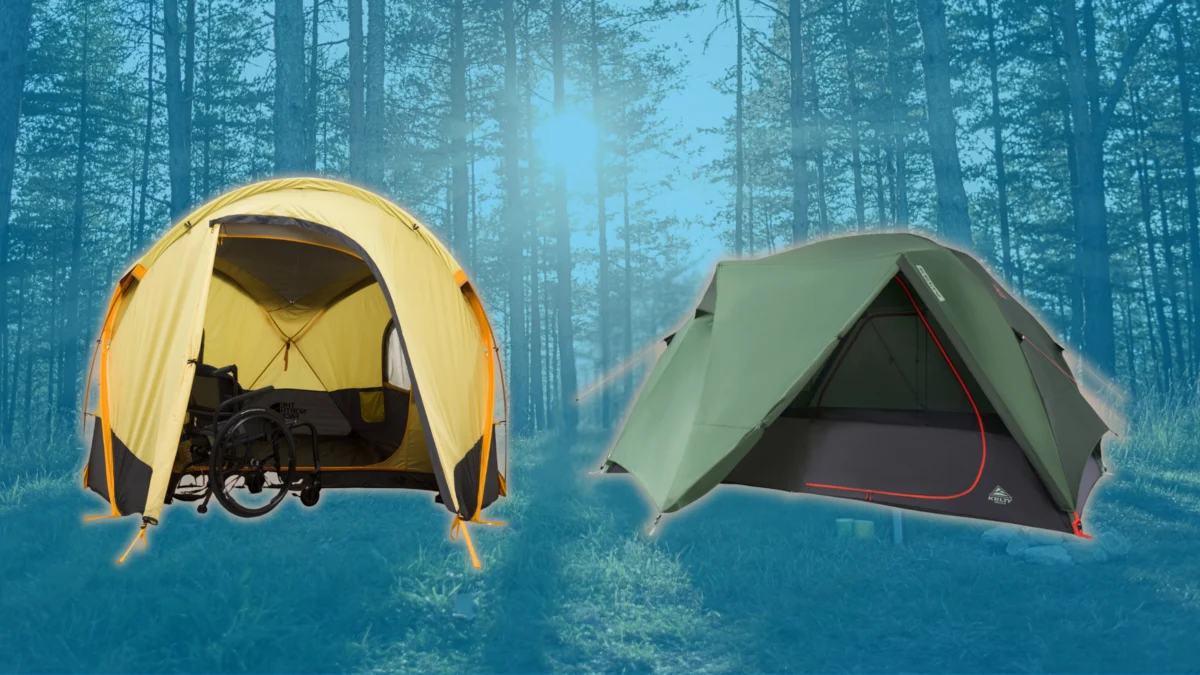
The 2026 outdoor recreation season has seen a significant shift in consumer preferences, moving away from the minimalist, weight-restricted designs of the past decade toward a "comfort-first" philosophy in car camping gear. Following an extensive evaluation of 29 different models by a team of 30 expert testers, the NEMO Aurora Highrise 4 has retained its position as the premier choice for overall performance. This conclusion comes after a rigorous testing cycle conducted between May and November 2025, spanning diverse topographical and climatic conditions across the American West, including the mountains of California, Oregon, Washington, Colorado, Nevada, and Utah.
The evolution of the car camping tent in 2026 reflects broader industry trends, specifically the integration of "Universal Design" to accommodate a wider range of physical abilities and the refinement of high-volume living spaces. As the outdoor industry continues to see record participation levels, the demand for shelters that balance storm-worthiness with domestic-level convenience has reached an all-time high.
The 2025-2026 Testing Cycle: Chronology and Methodology
The selection process for the 2026 guide began in early 2025 with the identification of 29 market-leading and newly released models. The testing phase was strategically timed to capture a full spectrum of environmental stressors. In the late spring, testers focused on high-wind performance on Washington’s Whidbey Island and Camano Island, where sustained gusts of 15 to 20 miles per hour tested the structural integrity of pole architectures.
By mid-summer, the focus shifted to ventilation and thermal management during high-temperature rafting trips and desert camping in Nevada and Utah. The final phase of testing occurred in the autumn of 2025, involving sub-freezing temperatures and heavy precipitation in the Colorado Rockies. One notable test included a 17-hour continuous rainstorm in Crescent City, California, which served as a critical benchmark for waterproofing and condensation management. Testers evaluated each unit based on five primary metrics: ease of assembly, interior livability, ventilation efficiency, material durability, and weather resistance.
Top Performance Analysis: The NEMO Aurora Highrise 4
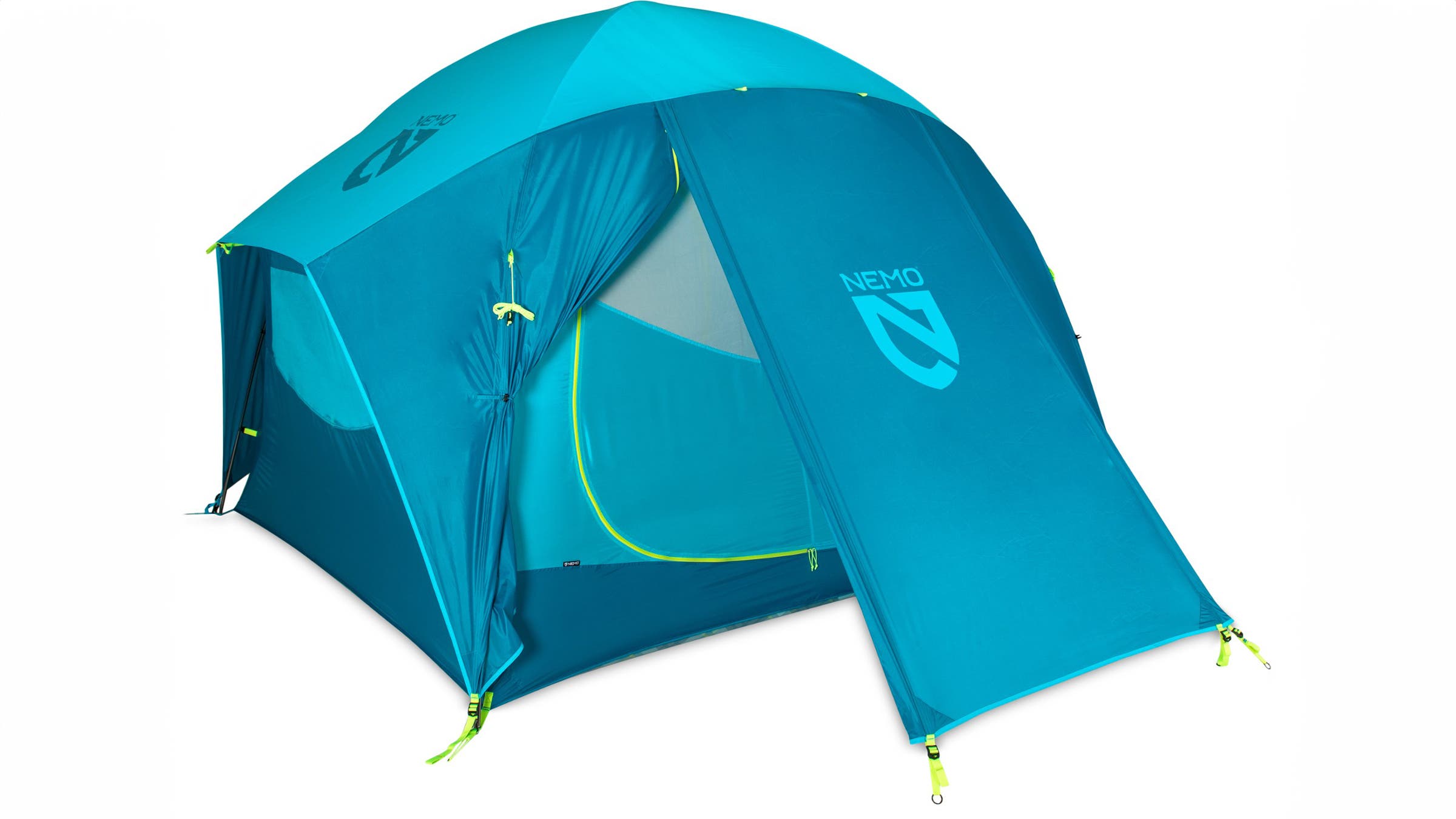
The NEMO Aurora Highrise 4 remains the benchmark for the "Best Overall" category due to its superior internal geometry. Unlike traditional dome tents that taper sharply at the ceiling, the Aurora Highrise utilizes steep sidewalls and a 75-inch peak height to maximize usable volume. With a floor area of 62.5 square feet, the tent comfortably accommodates a family of four, a feat often claimed but rarely realized by competitors.
Technical specifications highlight the tent’s robust construction: a 68-denier polyester body paired with a heavy-duty 150-denier polyester floor. The polyurethane-rated rainfly (1,200mm) features a structured overhang that allows for window ventilation even during active rainfall. While the white floor material was noted for its susceptibility to staining—a potential drawback for families with pets or young children—the overall balance of a 15-minute solo setup time and excellent cross-ventilation secured its top ranking.
Advancements in Accessibility: The Universal Design Movement
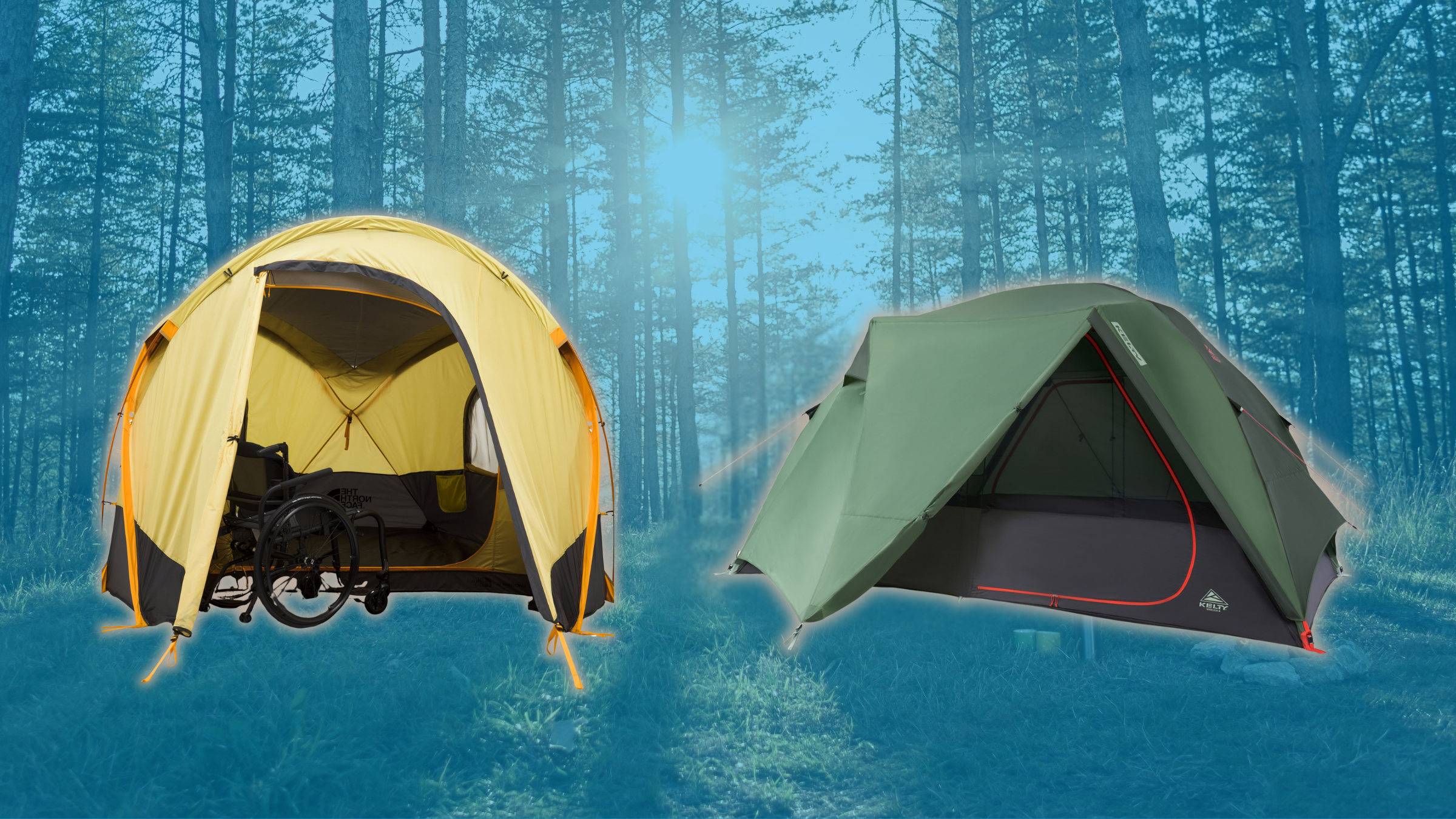
A significant milestone for the 2026 season is the introduction of The North Face Universal Wawona 3. This model represents the industry’s growing commitment to Universal Design, a framework intended to make products inherently accessible to people with and without disabilities. The Universal Wawona 3 features a peak height of 73 inches—exceptional for a three-person tent—and an innovative vestibule designed to accommodate up to two wheelchairs.
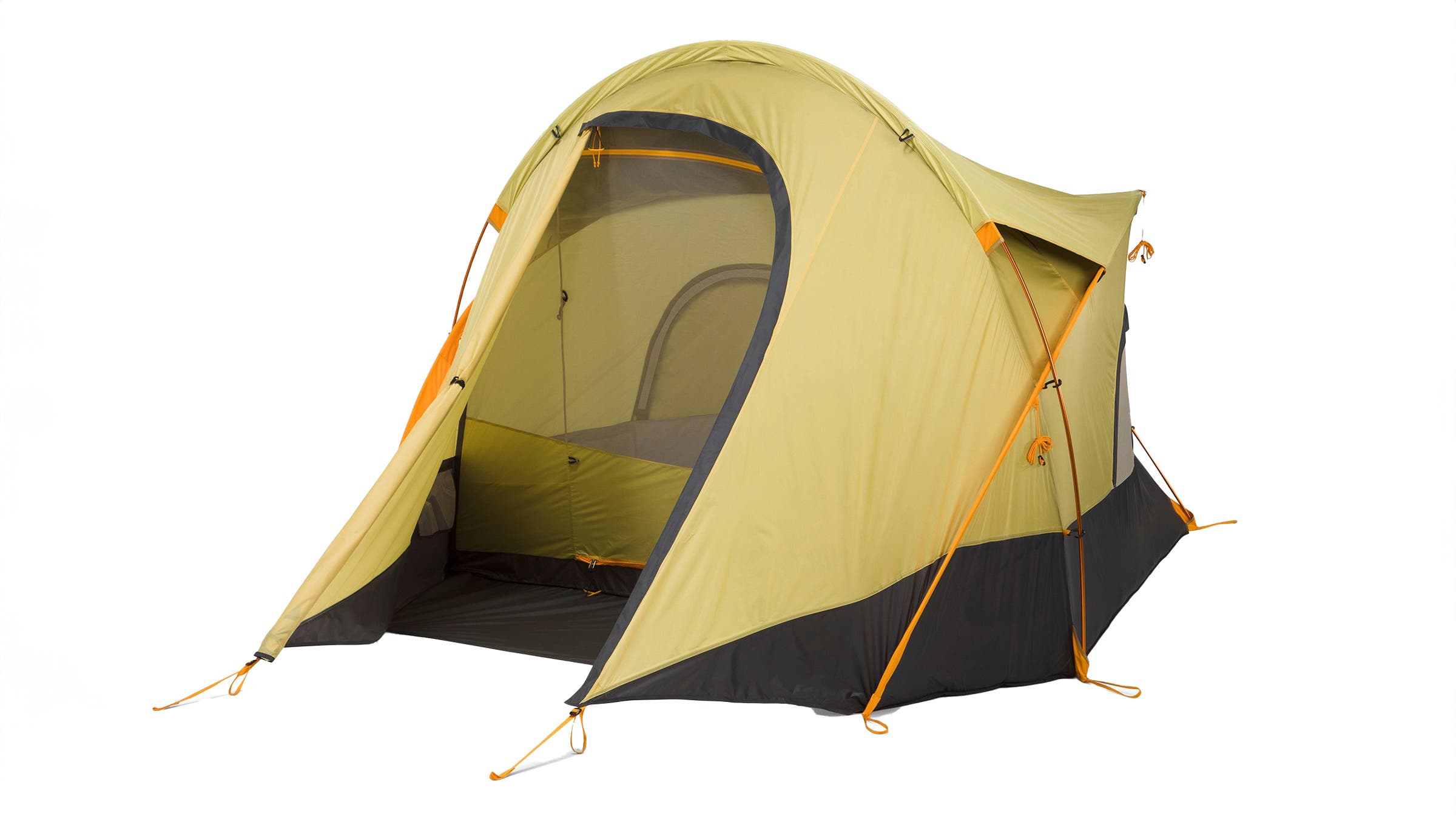
Industry analysts view this move by The North Face as a response to the "Outdoor Equity" movement, which seeks to remove physical and social barriers to nature. The tent includes specialized features such as a hardwearing floor mat at the entrance and a dedicated dogleash attachment for service animals. Despite its 14-pound weight, which is heavy for a three-person capacity, its intuitive three-pole setup and integrated rainfly make it a leader in inclusive engineering.
Value and Large-Scale Capacity: The Kelty Wireless 8
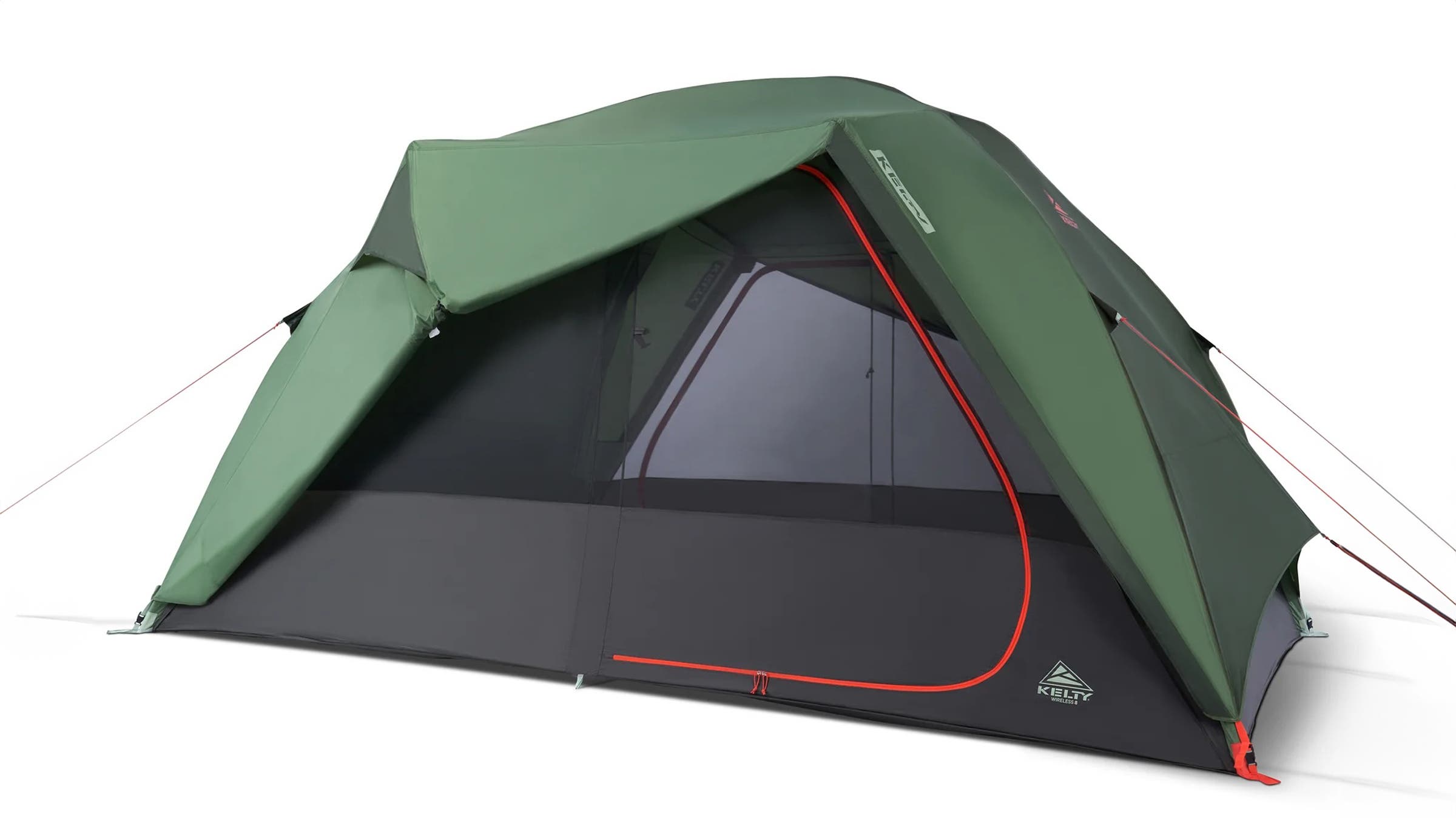
For groups and larger families, the Kelty Wireless 8 has emerged as the "Best Value" selection for 2026. In an era where high-end tents can exceed $800, the Wireless 8 offers 117 square feet of floor space at a competitive price point. The design utilizes oversized fiberglass poles which, while heavier than aluminum, provide a stout structural skeleton that proved resilient during wet conditions in the Pacific Northwest.
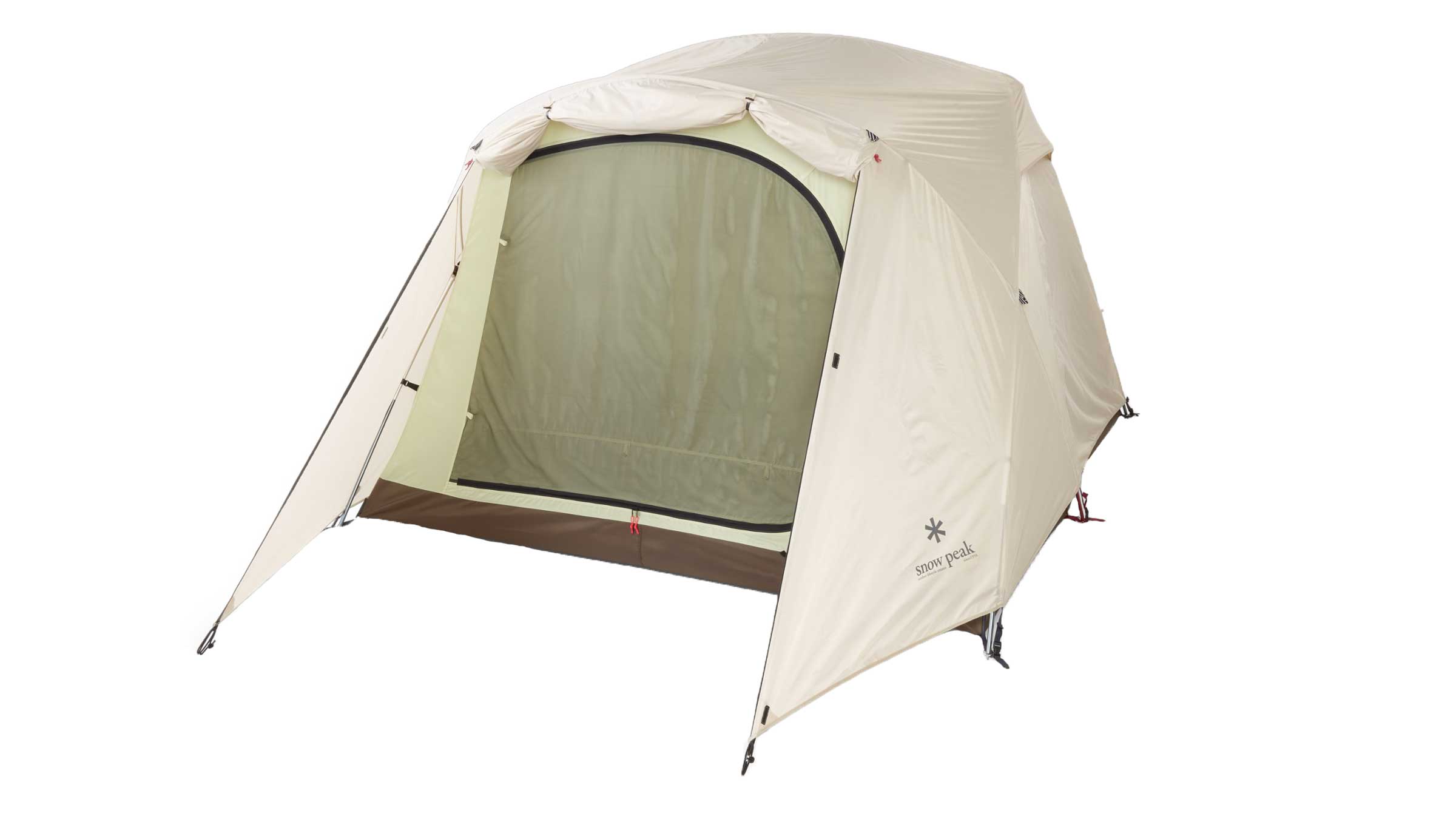
The "brainless" setup reported by testers is attributed to color-coded buckles and large fabric sleeves that eliminate the complexity often associated with high-capacity shelters. However, the 28-pound pack weight and observed lamination issues in the corners suggest that while it is an excellent value for the recreational camper, it may require more careful maintenance than its premium counterparts.
Durability and Architectural Innovation: Snow Peak and Zempire
In the "Most Durable" category, the Snow Peak Alpha Breeze stood out through its use of alpine-inspired architecture and upgraded materials. Shaving two pounds off its previous iteration through the use of tear-resistant ripstop, the Alpha Breeze utilizes extra-thick aluminum alloy poles. During testing in Colorado, the 75-denier DWR-treated polyester silicon ripstop rainfly demonstrated superior shedding of a wintry mix, while the 40-denier floor showed negligible wear after weeks of use on rocky terrain.
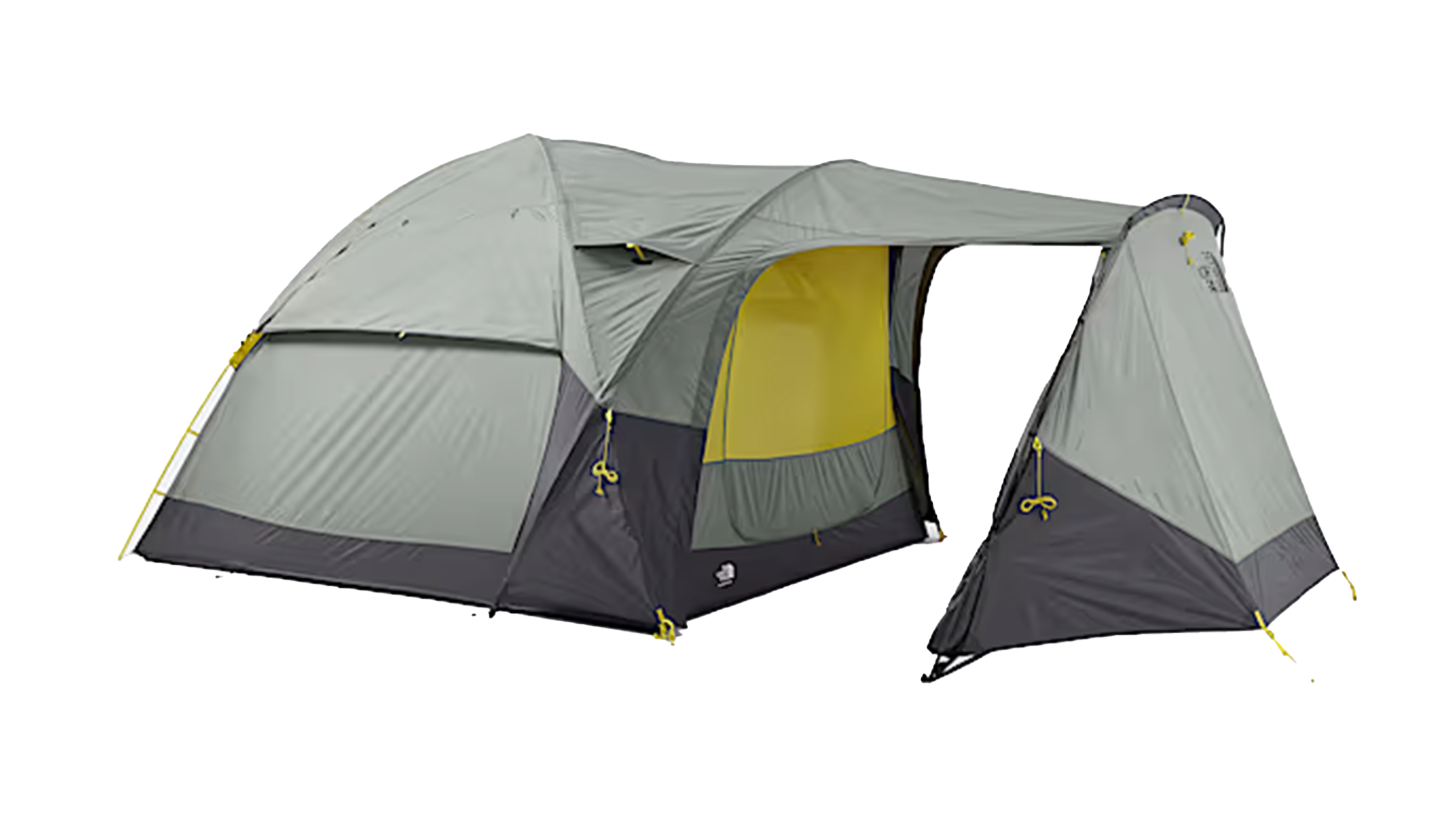
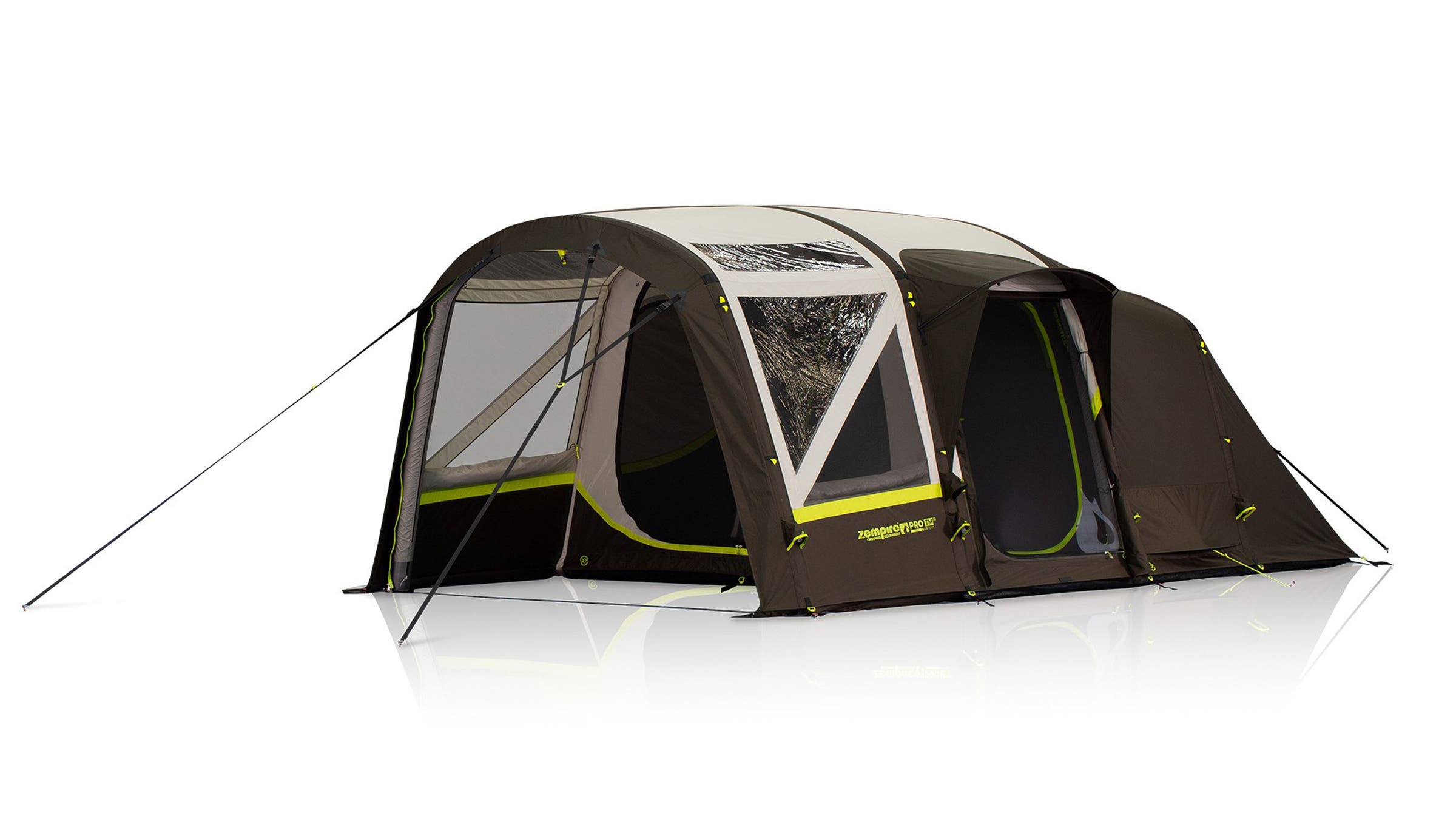
At the luxury end of the spectrum, the Zempire Pro TM V2 Inflatable Air Tent represents the "Splurge" category. Utilizing a single-point inflation system and a tubed TPU (Thermoplastic Polyurethane) frame, the Zempire eliminates traditional poles entirely. This "inflatable mansion" offers a three-section layout: a covered porch, an enclosed living room, and rear sleeping quarters. While the $1,000+ price tag and 70-pound weight make it a significant investment, its ability to withstand 30 mph winds in the Sierra Nevada validates the efficacy of high-pressure air-beam technology.
Budget-Friendly Alternatives: The Coleman Dark Room Series
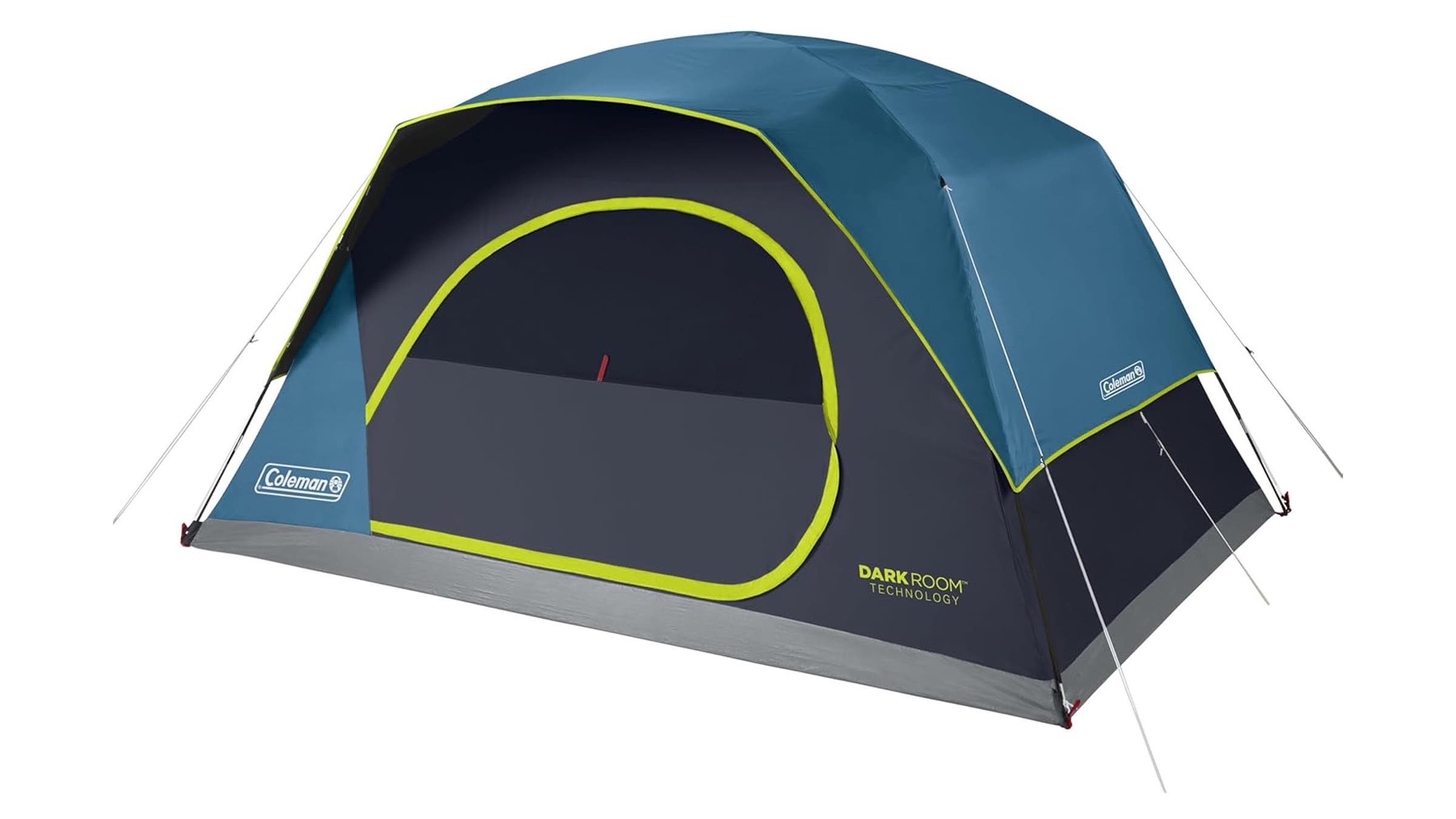
For entry-level campers or those prioritizing light management, the Coleman 8-Person Dark Room Skydome remains a dominant force in the sub-$300 market. The primary innovation here is the dark-coated polyester fabric, which blocks 90% of sunlight. This feature is particularly valued by parents of young children requiring daytime naps and by campers sensitive to early morning light. While a 20-mph wind gust did cause a pole failure during testing—highlighting the limitations of budget-tier materials—the tent’s 300mm-rated polyurethane rainfly performed surprisingly well during a dozen days of rain.
Technical Specifications and Consumer Guidance
When selecting a car camping tent in the current market, consumers are advised to look beyond simple occupancy ratings. The following data points are critical for an informed purchase:
- Denier (D) Ratings: This measures the thickness of the individual threads in the fabric. Higher denier (e.g., 150D floors) offers better puncture resistance but increases weight.
- Peak Height vs. Wind Resistance: While 75+ inch peak heights offer superior livability, they create a larger profile for wind. Tents with multiple guy-out points are essential for high-altitude or coastal camping.
- Hydrostatic Head (HH): This rating (often in millimeters) indicates the water pressure a fabric can withstand. For most three-season car camping, a rating of 1,200mm to 1,500mm is sufficient, provided the seams are factory-taped.
Market Implications and Future Outlook
The 2026 tent market reflects a stabilizing economy where consumers are willing to invest in high-quality "staycation" gear. The shift toward larger, more complex tents like the Wawona 6—with its 76-inch peak height and "palatial" vestibule—suggests that camping is increasingly viewed as a viable alternative to traditional hotel-based travel.
"The North Face Wawona 6 proved the ultimate family tent," noted tester Jenny Wiegand, highlighting the trend of using tents as multi-room residences capable of housing cribs, air mattresses, and pets simultaneously. However, the industry faces ongoing challenges regarding the environmental impact of synthetic materials and the weight-to-durability ratio of new "air-beam" technologies.
As we move toward the 2027 season, industry insiders expect to see further integration of solar-ready attachments and more sustainable, PFC-free waterproofing treatments across all price points. For now, the 2026 winners represent a peak in the balance between rugged outdoor protection and the comforts of modern living, ensuring that whether in a 17-hour rainstorm or a 100-degree desert afternoon, the modern camper remains sheltered in style.




 Chandra Hamzah
 Tatiana Tantri Indah Sari
 Budi Mulyono
