
 Anjar Salim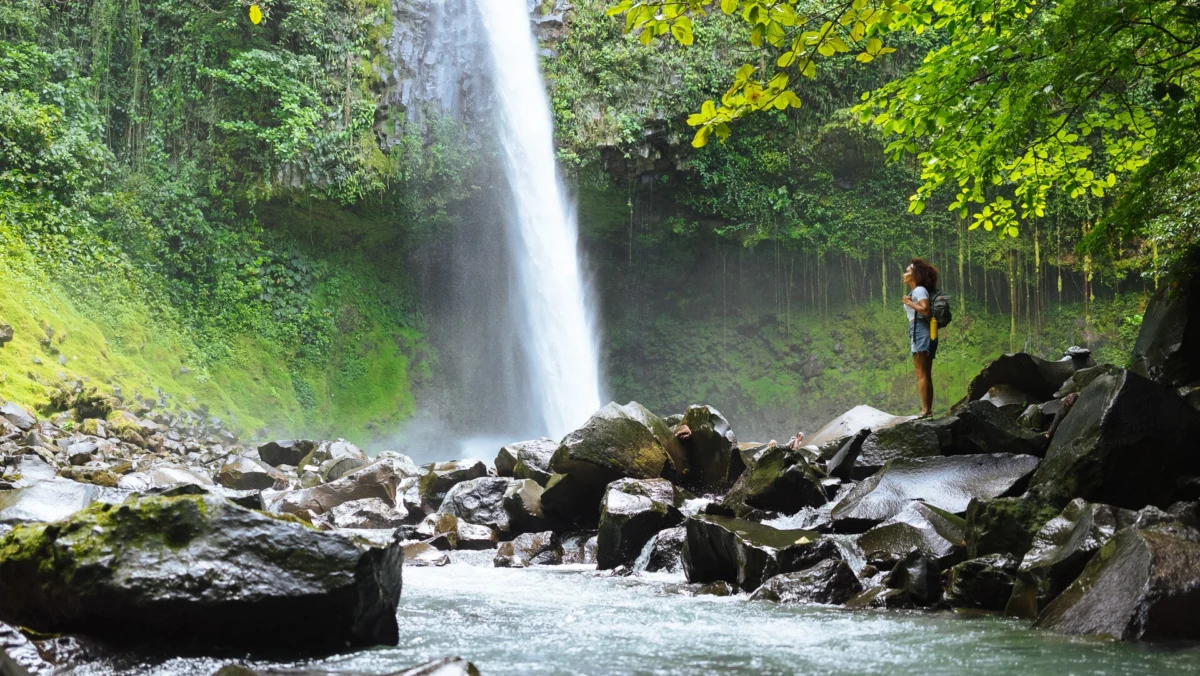
As of mid-2026, Costa Rica has solidified its reputation not merely as a vacation destination but as a global case study in the successful integration of environmental stewardship, national well-being, and high-value tourism. Central to this identity is the concept of "Pura Vida." While often dismissed by casual observers as a marketing catchphrase, the term—literally translated as "pure life"—serves as a foundational social contract for the nation’s five million inhabitants. It is a linguistic Swiss Army knife, functioning as a greeting, a farewell, and a philosophical reminder to remain present. This cultural bedrock has propelled Costa Rica to the fourth position in the most recent World Happiness Report, making it the highest-ranking nation in the Western Hemisphere and the only non-Scandinavian country to break into the top six.
The Socio-Economic Foundation of Happiness
The current prosperity and high happiness indices of Costa Rica are the result of deliberate policy decisions spanning nearly eight decades. A pivotal moment in the nation’s chronology occurred in 1948, following a brief civil war, when the government made the radical decision to abolish its military. The resources previously earmarked for defense were redirected into a robust public education system and universal healthcare. This "peace dividend" created a highly literate and healthy workforce, which eventually became the backbone of the country’s sophisticated tourism and technology sectors.
In 2026, the dividends of these historical choices are evident in the country’s demographic health. Costa Rica is home to the Nicoya Peninsula, one of the world’s five "Blue Zones," where inhabitants frequently live past the age of 100 with high levels of physical and mental vitality. This emphasis on longevity and wellness is not an accidental byproduct but a central pillar of the national economy. Tourism officials report that wellness-focused travel now accounts for a significant and growing portion of the country’s Gross Domestic Product (GDP), as international visitors seek to emulate the Tico (Costa Rican) lifestyle through immersive retreats and nature-based therapy.
A Biological Powerhouse in a Compact Territory
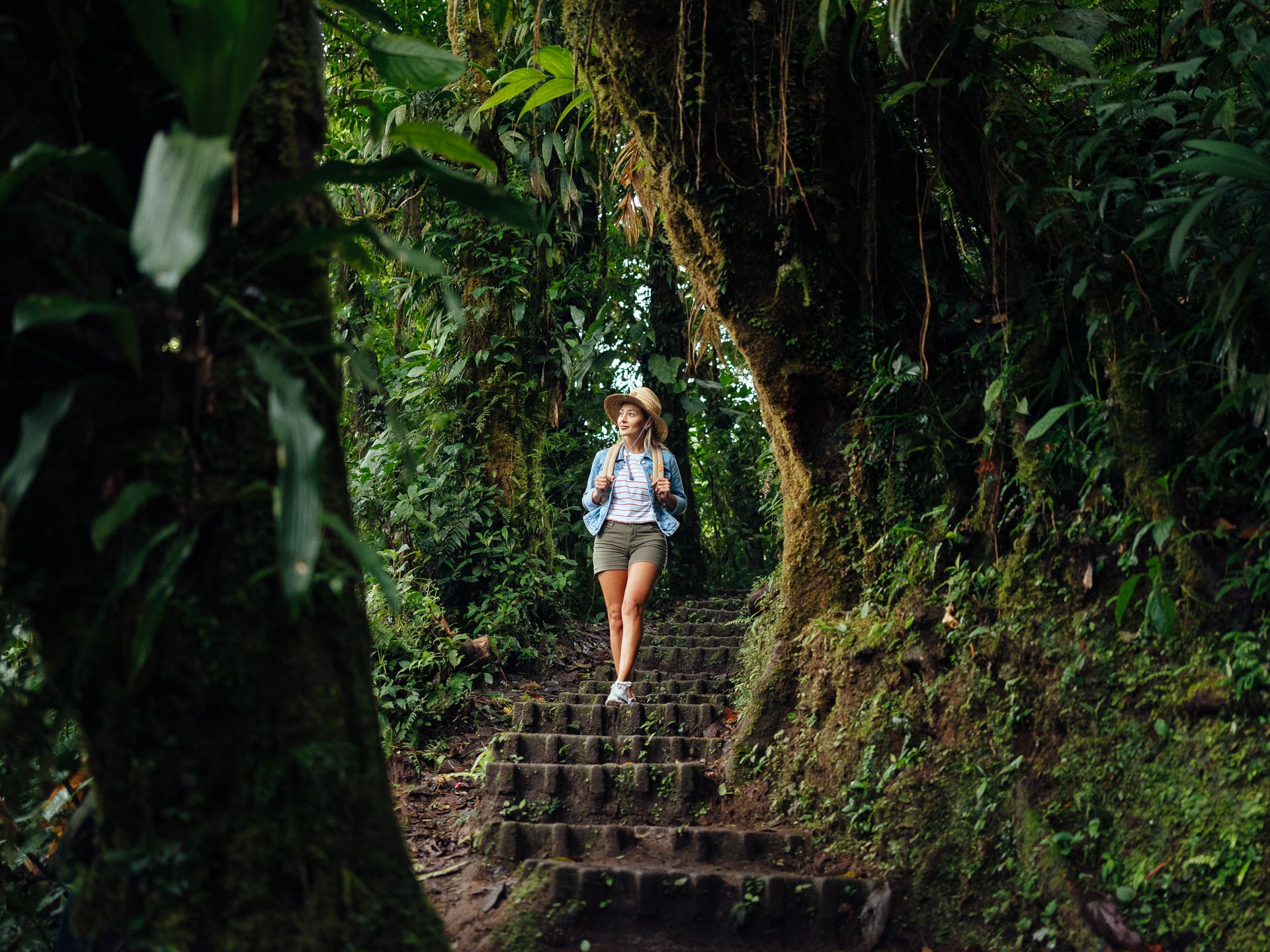
Geographically, Costa Rica occupies a mere 0.03 percent of the Earth’s total landmass, yet it serves as the habitat for approximately six percent of the planet’s known biodiversity. This disproportionate ecological wealth is distributed across 12 distinct ecosystems, ranging from the sub-alpine paramo and active volcanic peaks to mangrove swamps and coral reefs. The nation’s commitment to preserving this biological heritage is unparalleled; more than 26 percent of its territory is under some form of official protection, including national parks, biological reserves, and wildlife refuges.
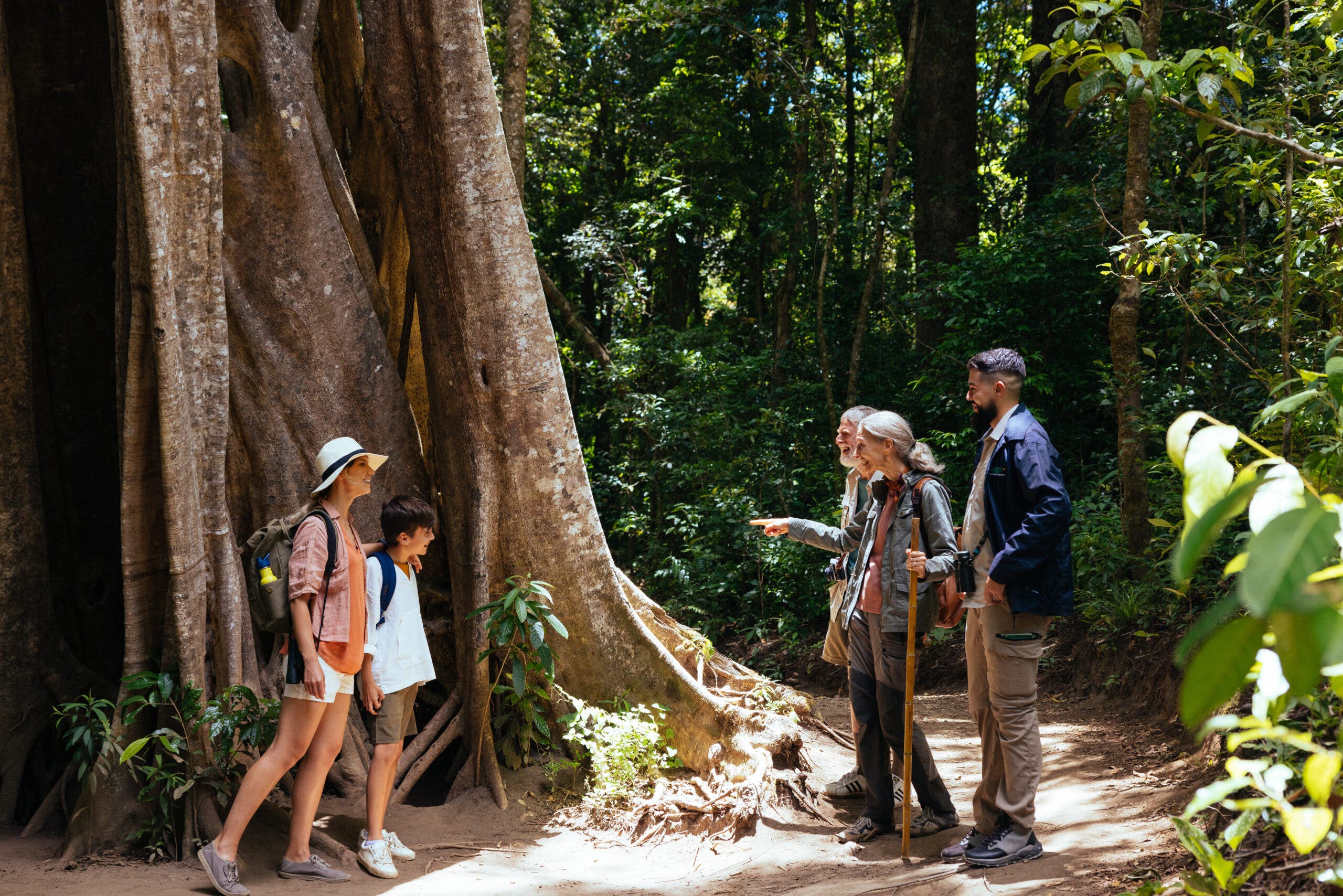
The success of these conservation efforts is quantified by the resurgence of flagship species. In the Monteverde Cloud Forest Reserve and the neighboring Santa Elena Forest Reserve, robust populations of ocelots, deer, and the resplendent quetzal thrive. Local naturalists, who undergo rigorous certification processes, are essential to the visitor experience, often identifying species—such as the thumbnail-sized translucent glass frog or the well-camouflaged three-toed sloth—that would be invisible to the untrained eye. This professionalization of nature guiding ensures that tourism remains educational and minimally invasive, providing direct funding for conservation and animal rehabilitation programs.
The Evolution of Sustainable Tourism and the CST Framework
To manage the influx of millions of annual visitors while maintaining ecological integrity, Costa Rica implemented the Certification for Sustainable Tourism (CST). This program, managed by the Costa Rican Tourism Institute (ICT), evaluates companies based on their interaction with the natural and cultural environment, their management of resources, and their impact on local communities. In 2026, the CST is considered the "gold standard" for the global travel industry.
The program encourages a holistic approach to hospitality. For example, in the Caribbean lowlands of Tortuguero National Park—a region devoid of roads where transport is conducted via a network of jungle canals—lodges are required to manage waste with extreme precision to protect the nesting grounds of thousands of sea turtles. Similarly, in the Osa Peninsula, often described by National Geographic as "the most biologically intense place on Earth," tourism operators work in tandem with Indigenous communities, such as the Cabécar, to offer private trekking experiences that fund the preservation of ancestral lands and linguistic traditions.
The Intersections of Adventure, Wellness, and Agriculture
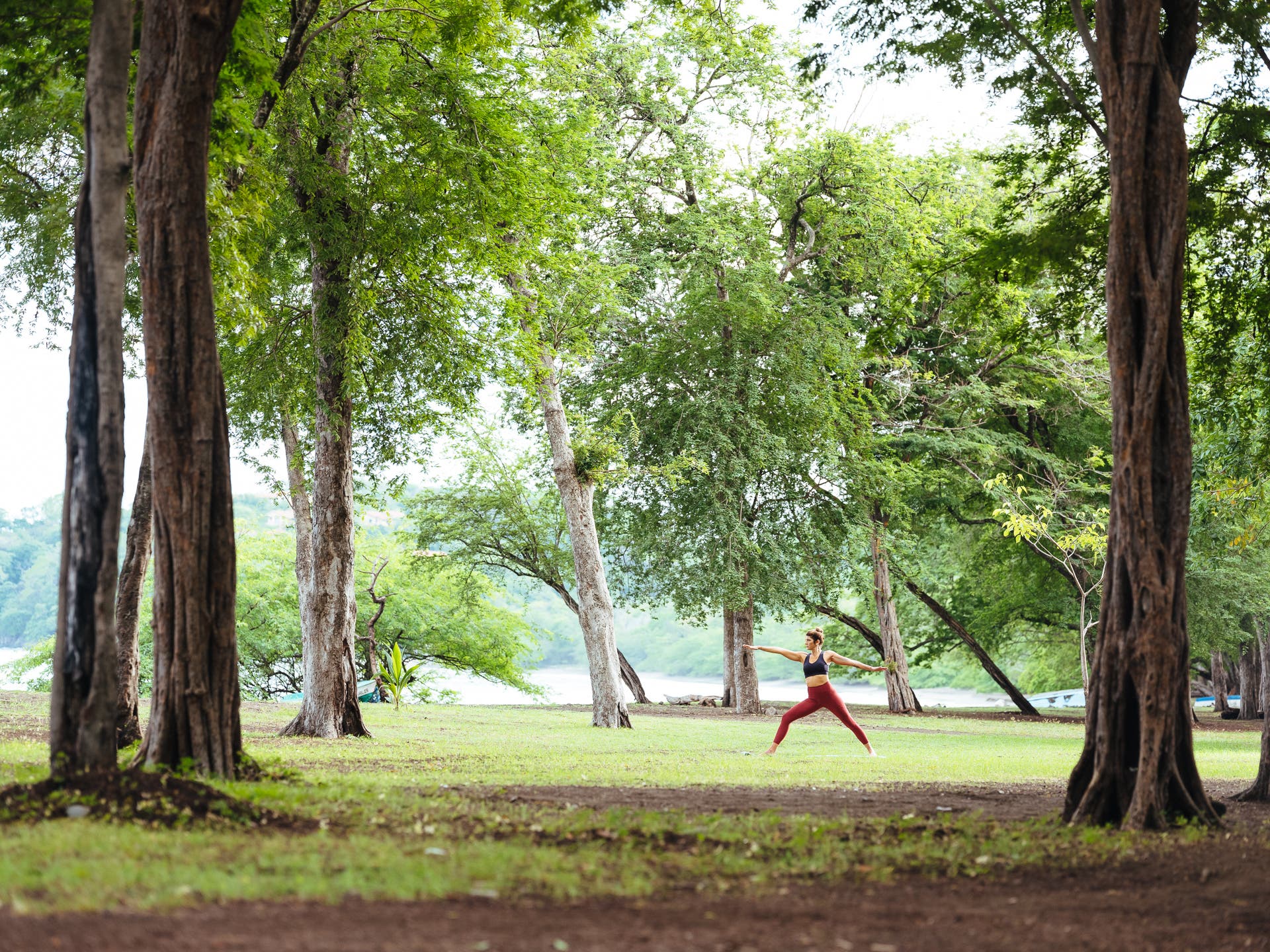
Costa Rica’s tourism portfolio is increasingly characterized by "multi-modal" experiences that combine physical exertion with mental restoration. The Arenal Volcano region serves as the epicenter for this trend. Here, visitors engage in high-adrenaline activities, such as ziplining through primary forest canopies or navigating Class III and IV rapids on the Pacuare River, before transitioning to restorative wellness practices. The Nayara Hot Springs and various retreats situated on "vibrating" quartz mountains offer treatments ranging from treetop yoga to traditional cacao ceremonies, which utilize the medicinal properties of the locally grown Theobroma cacao plant.
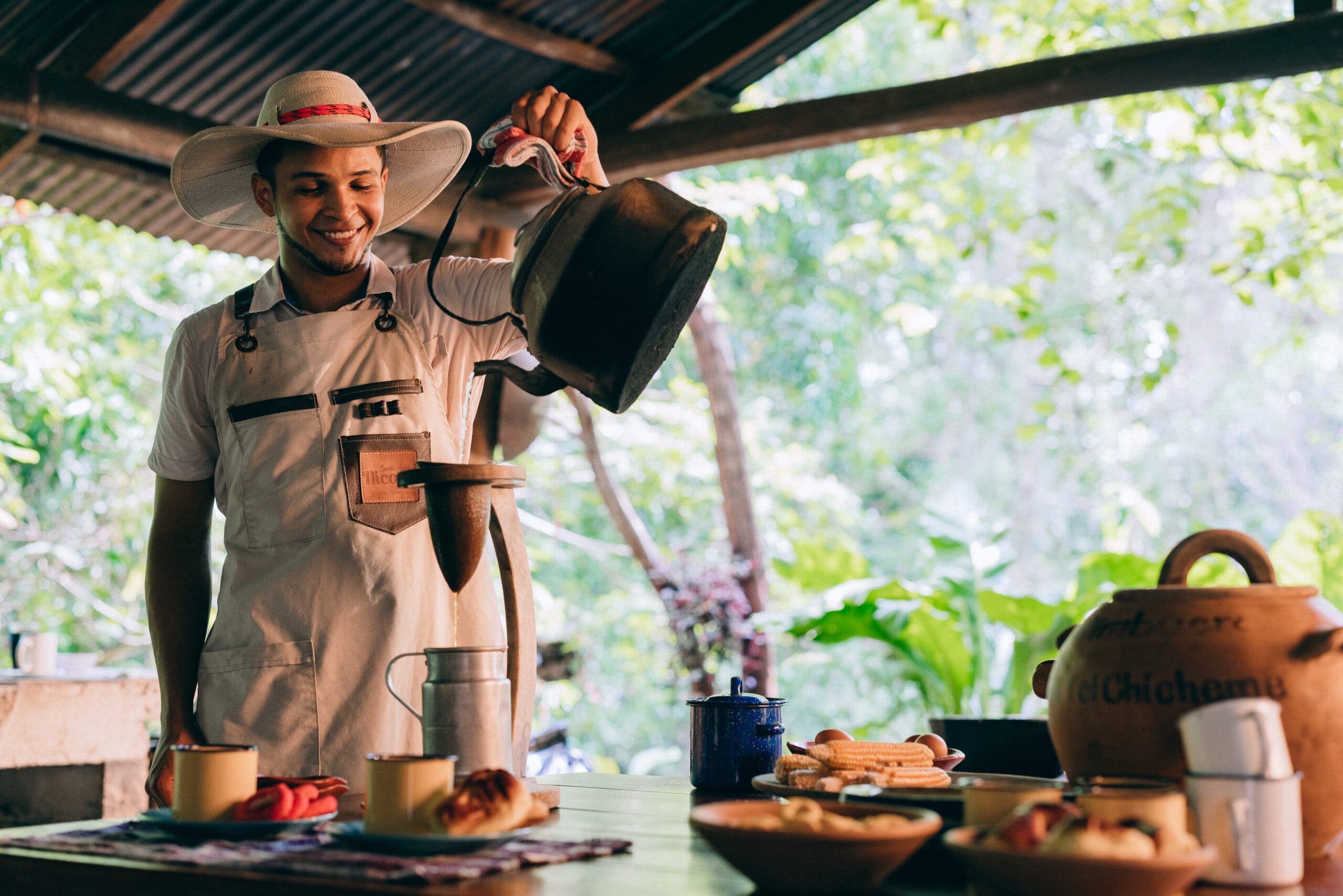
The agricultural sector has also evolved to meet the demands of the modern, conscious traveler. The coffee industry, centered in the folding highlands surrounding the capital city of San José, has shifted from bulk commodity production to high-end "experiential" farming. Sustainable fincas (farms) now offer tours that demonstrate the journey of the bean from cherry to cup, often utilizing shade-grown methods that provide vital wildlife corridors for migratory birds. This integration of agriculture and tourism ensures that the economic benefits of travel are distributed to rural smallholders, further stabilizing the national economy.

San José: The Cultural and Culinary Renaissance
While the nation’s natural wonders often take center stage, the capital city of San José is undergoing a significant cultural transformation. Long treated as a mere transit point, the city is now a destination in its own right, characterized by a burgeoning "New Costa Rican" culinary movement. Restaurants like Silvestre are redefining traditional staples, elevating ingredients like cas (a sour guava), zapote, and rambutan into sophisticated gastronomic experiences.
The bedrock of the Costa Rican diet remains gallo pinto—a seasoned mixture of rice and beans. This dish, while simple, symbolizes the country’s focus on fresh, local, and nutritionally dense food, which health experts cite as a primary factor in the nation’s high life expectancy. The accessibility of fresh produce in urban markets and the presence of contemporary museums, such as the Pre-Columbian Gold Museum, provide a necessary historical and cultural context for visitors, grounding the "Pura Vida" experience in tangible history and social reality.
Analysis of Broader Implications and Global Impact
Costa Rica’s model of "Regenerative Tourism" offers a compelling blueprint for other nations facing the dual challenges of economic development and climate change. By prioritizing the environment, the government has created a resilient economy that is less susceptible to the boom-and-bust cycles of traditional extractive industries. The nation’s commitment to becoming carbon-neutral has led to massive investments in renewable energy, with nearly 99 percent of its electricity currently generated from geothermal, hydroelectric, solar, and wind sources.
From a geopolitical perspective, Costa Rica’s success serves as an argument for the "soft power" of environmental leadership. In a world where climate anxiety is on the rise, the country offers a narrative of hope and practical solutions. The psychological impact on travelers is notable; surveys indicate that visitors return home not just refreshed, but with a heightened sense of environmental responsibility. This "export" of the Pura Vida philosophy may be Costa Rica’s most significant contribution to the 21st century.

Future Outlook and Challenges
Despite its successes, Costa Rica faces ongoing challenges as it moves through the latter half of the decade. The pressure of increasing tourist numbers requires constant infrastructure upgrades and vigilant monitoring of sensitive ecosystems. Issues such as urban sprawl in the Central Valley and the impacts of global rising sea levels on its two coastlines remain at the forefront of national policy discussions.
However, the institutionalized commitment to sustainability suggests that the nation is well-equipped to navigate these hurdles. By continuing to certify lodges and outfitters through the CST program and by maintaining the 26 percent protection mandate, Costa Rica ensures that its natural capital—the very thing that draws the world to its shores—is not depleted for short-term gain. As the global travel industry continues to evolve, the "Pure Life" of Costa Rica remains a steadfast reminder that economic prosperity and ecological preservation are not mutually exclusive, but are, in fact, two sides of the same coin. The nation’s journey from a small agricultural republic to a global leader in happiness and sustainability continues to inspire, proving that when a country invests in its people and its planet, the results are truly pura vida.




 Chandra Hamzah
 Tatiana Tantri Indah Sari
 Budi Mulyono
 Lukman Taruna Persada Ramadan