Anjar Salim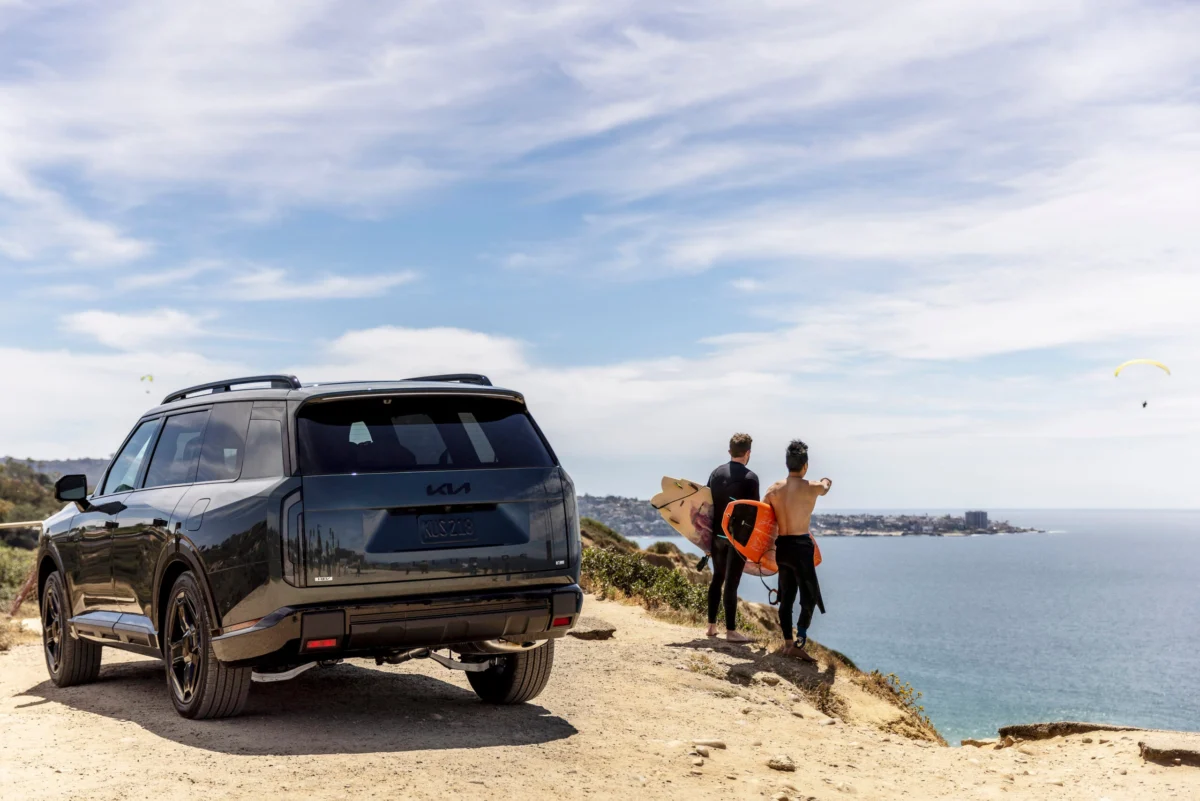
The Pacific Ocean remains the primary catalyst for tourism in Southern California, yet the metropolitan area of San Diego has evolved into a multi-faceted destination that transcends its traditional "SoCal-cool" reputation. As of June 2026, the city has solidified its status as a premier hub for both cultural enrichment and rugged outdoor exploration. This shift is driven by a unique synthesis of urban sophistication and accessible wilderness, requiring a new perspective on regional travel—one that favors versatility and high-performance mobility. Whether navigating the high-end retail corridors of Pearl Street or traversing the primitive 4WD routes of the California desert, the modern traveler requires a vehicle capable of elevating the experience. The introduction of the 2027 Kia Telluride X-Pro and the Telluride Turbo-Hybrid reflects this demand, offering a blend of off-road capability and sustainable efficiency tailored for the diverse landscapes of San Diego County.
The Geological Majesty of Black’s Beach and Torrey Pines
Located in the affluent community of La Jolla, Black’s Beach represents one of the most geologically dramatic stretches of the California coastline. Spanning two miles, the beach is defined by 300-foot-tall sedimentary cliffs that provide a stark vertical contrast to the Pacific. These cliffs are part of the Torrey Pines City Beach and State Natural Reserve, featuring Eocene-aged rocks that tell a story of a landscape shaped by millions of years of tectonic activity and erosion.
For the adventure seeker, Black’s Beach is renowned for its powerful surf. During the winter months, underwater canyons—specifically the Scripps Canyon—focus swell energy, resulting in waves that are significantly larger than those found at neighboring beaches. This "coastal drama" is not merely aesthetic; it is a product of complex bathymetry that attracts professional surfers and oceanographers alike.
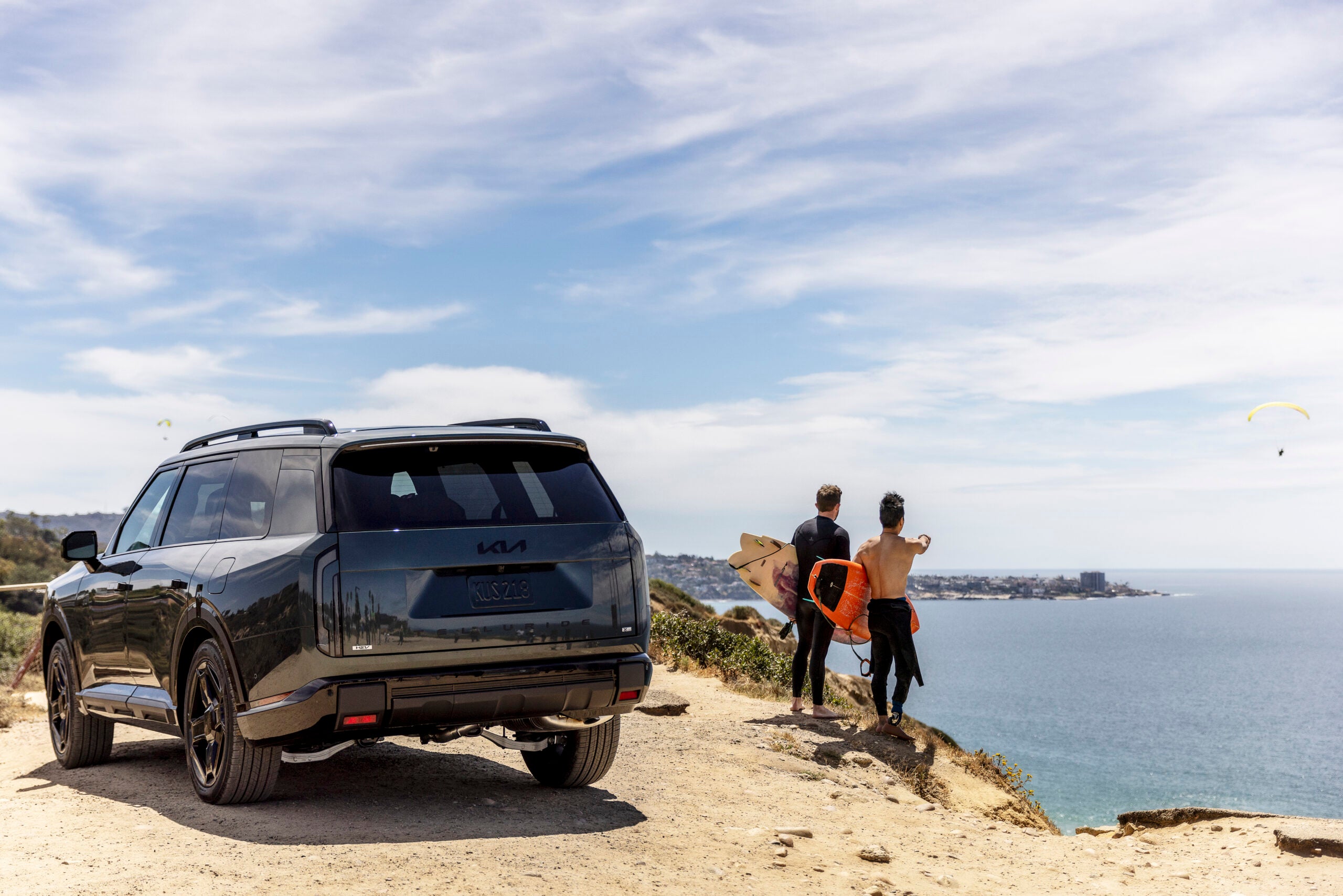
Directly above these cliffs lies the Torrey Pines Gliderport, a historic aviation site that has been in operation for nearly a century. Established in the 1930s, the Gliderport is now a world-class center for paragliding and hang gliding. The site utilizes the consistent coastal lift—onshore winds hitting the 300-foot bluffs—to allow pilots to soar for hours. Tandem paragliding flights provide a unique vantage point of the coastline, offering views that extend from Dana Point to the north down to the Coronado Islands in the south. For those preferring to remain grounded, the site serves as a critical observation point for the region’s "green flash" sunsets, a meteorological phenomenon often visible in the clear Pacific air.
Urban Integration: The Mission Beach Boardwalk
The Mission Beach Boardwalk, officially known as Ocean Front Walk, serves as a vital artery for San Diego’s coastal culture. Spanning 3.5 miles, the paved path connects the communities of Mission Beach and Pacific Beach. This corridor is a study in urban planning that prioritizes pedestrian and non-motorized transport, reflecting a broader trend in Southern California toward multi-modal transit.
Historically, the area saw a massive surge in development following the 1925 opening of Belmont Park, an oceanfront amusement park. Today, the boardwalk remains a hub of activity where the local economy thrives on a mix of boutique retail, vacation rentals, and seaside dining. The path is utilized by an estimated thousands of residents and tourists daily, participating in activities ranging from competitive cycling to casual strolls. This environment demands a transition from the rugged mindset of the cliffs to the precision of urban driving, where the maneuverability of modern SUVs becomes a primary asset for navigating tight coastal streets and high-traffic corridors.
The Desert Frontier: Anza-Borrego Desert State Park
Two hours east of the San Diego coastline, the landscape shifts dramatically from Mediterranean coastal to arid desert. Anza-Borrego Desert State Park, covering over 600,000 acres, is the largest state park in California and the second-largest in the contiguous United States. It is a region defined by extreme temperatures, remote canyons, and significant paleontological sites.
The park’s "super-bloom" events have become a global phenomenon, occurring after specific patterns of autumn and winter rainfall. During these periods, the desert floor is carpeted with desert sunflowers, sand verbena, and desert lilies, drawing hundreds of thousands of visitors. Beyond the floral displays, the park offers over 500 miles of dirt roads, many of which require high-clearance, four-wheel-drive vehicles.
The Borrego Palm Canyon trail remains a flagship excursion within the park. This three-mile round-trip hike leads visitors through a rocky canyon to a hidden oasis of California Fan Palms (Washingtonia filifera), the only palm tree native to the Western United States. The presence of these trees is a biological indicator of year-round water sources, supporting a fragile ecosystem that includes the endangered Peninsular Bighorn Sheep. For travelers utilizing the 2027 Kia Telluride X-Pro, these primitive roads provide the ideal testing ground for increased ground clearance and all-terrain traction systems.
Historical Foundations at Cabrillo National Monument
At the southern tip of the Point Loma Peninsula lies the Cabrillo National Monument, a site of immense historical and ecological significance. The monument commemorates the 1542 landing of Juan Rodríguez Cabrillo, marking the first time a European expedition set foot on what is now the West Coast of the United States.
The site offers a 360-degree view that encompasses the San Diego skyline, the naval installations of North Island, and the vast expanse of the Pacific. During the winter months (mid-December through March), the high vantage points of Point Loma serve as a premier location for watching the annual migration of Pacific Gray Whales as they travel from the Arctic to the lagoons of Baja California.
Furthermore, the monument protects some of the best-preserved intertidal ecosystems in Southern California. During low tide, the rocky shorelines reveal tide pools teeming with sea anemones, shore crabs, and octopuses. The National Park Service maintains strict conservation protocols here, balancing public education with the protection of these sensitive marine habitats.
Recreational Management at Fiesta Island and Mission Bay
Fiesta Island represents a unique approach to public land use within an urban setting. As a large peninsula within Mission Bay Park, the island offers 463 acres of undeveloped space. Unlike the manicured parks of the city center, Fiesta Island features sandy stretches and grassy meadows that are largely off-leash friendly for dogs, making it a cornerstone of the local community.
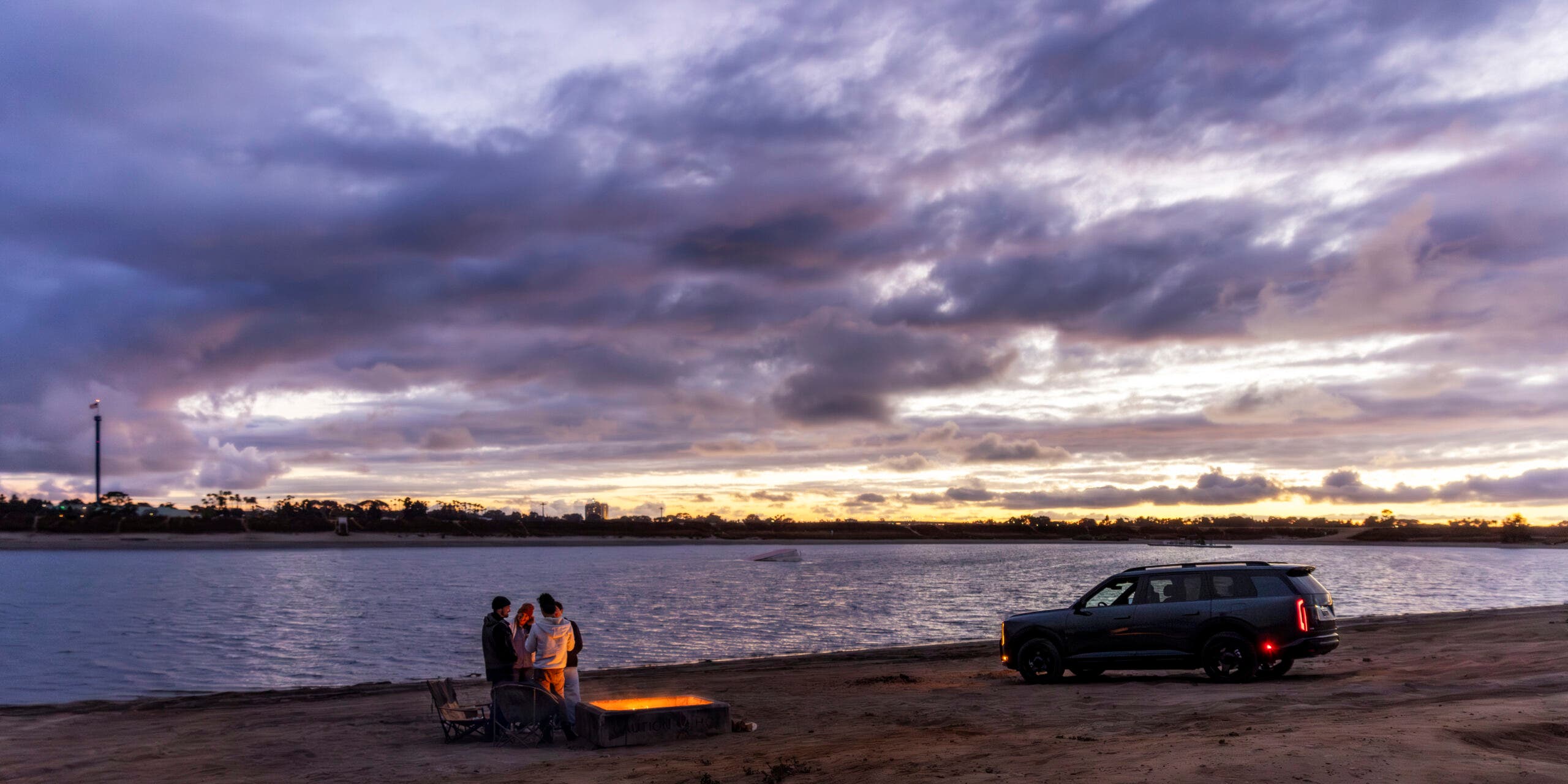
The island is also a center for aquatic sports and traditional beach gatherings. The city of San Diego provides fire rings along the shore, facilitating a bonfire culture that is increasingly rare in other California coastal cities due to environmental regulations. These rings are managed on a first-come, first-served basis, reinforcing a communal, democratic approach to beach access.

Adjacent to the bay is the Quivira Basin, a critical piece of San Diego’s maritime infrastructure. The basin houses a massive marina that supports the city’s whale-watching industry and private sailing fleet. The long jetty separating the San Diego River from Mission Bay creates a unique hydrological environment. The mixing of riverine and oceanic waters creates a nutrient-rich zone that supports a high density of spotted sand bass, making it a primary destination for local anglers and kayak fishers.
The Surfing Heritage of La Jolla Shores
While San Diego is home to world-class "heavy" waves like those at Black’s Beach or Windansea, La Jolla Shores offers a different, yet equally vital, ocean experience. The beach is protected from the prevailing north swells by the La Jolla Peninsula, resulting in consistent, gentle waves that break over a sandy bottom.
This geography makes La Jolla Shores the epicenter of surf education in the region. The presence of numerous rental facilities and surf schools contributes to a local economy centered on "blue tourism." This area also serves as the gateway to the Matlahuayl State Marine Reserve, where snorkelers and kayakers can encounter leopard sharks and bright orange Garibaldi, the California state marine fish.
Culinary Evolution and Urban Vitality
The San Diego experience is incomplete without acknowledging its culinary landscape, which is heavily influenced by its proximity to the Mexican border and its history as a fishing port. Cotixan Mexican Food, a 24-hour institution, represents the city’s authentic "taco shop" culture. Its signature carne asada burritos are a staple for the "adventure-class" traveler returning from late-night desert excursions or early-morning surf sessions.
In the city’s heart, Little Italy has undergone a dramatic transformation. Once the center of the world’s tuna fishing industry, it is now a premier pedestrian-friendly neighborhood. The Little Italy Mercato, held every Saturday, is the city’s largest farmers’ market. Spanning six blocks, the market provides a direct link between regional farmers and urban consumers, offering everything from sea urchins harvested in the Pacific to organic produce from the inland valleys. This market is a vital component of San Diego’s sustainability goals, reducing food miles and supporting the local agricultural economy.
Automotive Context: The 2027 Kia Telluride and Sustainable Mobility
The logistical demands of exploring San Diego’s diverse terrain have influenced the evolution of the automotive market. As highlighted in TIME’s 2025 rankings of the World’s Most Sustainable Companies, Kia America has shifted its focus toward a versatile lineup that balances power with environmental responsibility. The 2027 Kia Telluride X-Pro is engineered for the rugged demands of places like Anza-Borrego, featuring enhanced towing capacities and off-road geometry.
Simultaneously, the Telluride Turbo-Hybrid addresses the needs of the urban adventurer. As California moves toward stricter emissions standards, the integration of hybrid powertrains into large SUVs allows for long-distance travel to remote state parks without the heavy carbon footprint of traditional internal combustion engines. This technological shift is essential for maintaining access to protected natural areas while adhering to the state’s climate goals.
Analysis of Regional Impact and Implications
The synergy between San Diego’s natural assets and modern infrastructure suggests a future where tourism and conservation are inextricably linked. The city’s ability to offer "Adventure Everywhere"—from the depths of the Quivira Basin to the heights of Torrey Pines—depends on the continued protection of its state parks and national monuments.
As the 2027 model year vehicles hit the roads, the focus remains on how mobility can facilitate deeper connections with the environment. Industry analysts suggest that the trend toward "adventure-ready" vehicles is not merely a marketing pivot but a reflection of a societal shift toward experiential travel. San Diego, with its unique blend of 24-hour taco shops, historic gliderports, and 600,000-acre deserts, stands as the preeminent laboratory for this new era of Californian exploration. The convergence of sustainable automotive technology and diverse geographical offerings ensures that the region will remain a cornerstone of American travel for years to come.


 Chandra Hamzah
 Gabriela Annisa
 Tatiana Tantri Indah Sari
 Budi Mulyono