
 Anjar Salim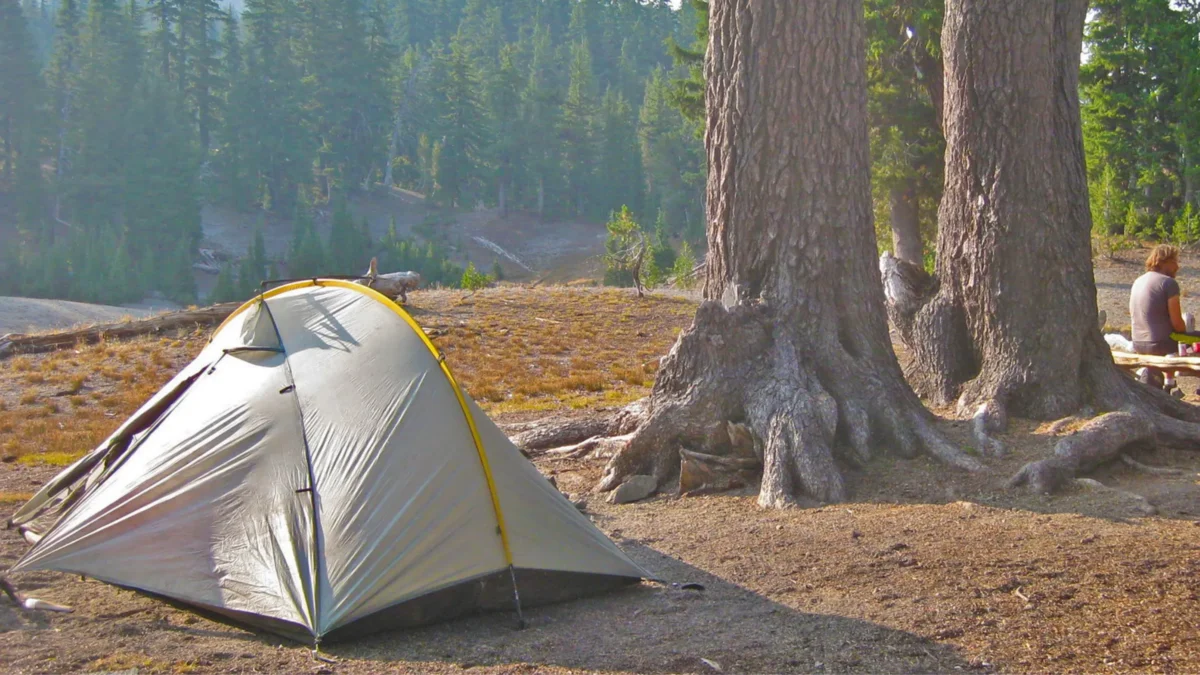
The selection of a backpacking tent represents one of the most critical financial and functional decisions for outdoor enthusiasts, sitting alongside the backpack and sleeping system as the primary pillars of a wilderness kit. As the outdoor industry moves further into the mid-2020s, the market has bifurcated into highly specialized segments, ranging from minimalist "cottage industry" designs to rugged, mass-produced shelters engineered by global conglomerates. This analysis examines the current state of tent technology through the lens of three distinct price tiers—budget, mid-range, and premium—represented by the Tarptent Double Rainbow, The North Face Trail Lite 2, and the Big Agnes Copper Spur UL3.
The Modern Landscape of Wilderness Shelters
The fundamental purpose of a backpacking tent remains unchanged: to provide a barrier against the elements while maintaining a weight low enough for human-powered transport. However, the methods of achieving this balance have evolved. Historically, tents were heavy, canvas-based structures that required significant labor to transport. The transition to nylon in the mid-20th century, followed by the "ultralight" revolution of the early 2000s, has led to a market where a two-person shelter can weigh less than three pounds without sacrificing structural integrity.
Current market data suggests that the "sweet spot" for most consumers lies between $300 and $500, yet the demand for both sub-$300 budget options and $600+ premium "splurge" items remains high. This price variance is driven by material costs—specifically the denier (thickness) of fabrics, the quality of aluminum or carbon fiber poles, and the implementation of sustainable, PFAS-free waterproofing technologies.
The Budget Tier: Maximizing Efficiency with the Tarptent Double Rainbow
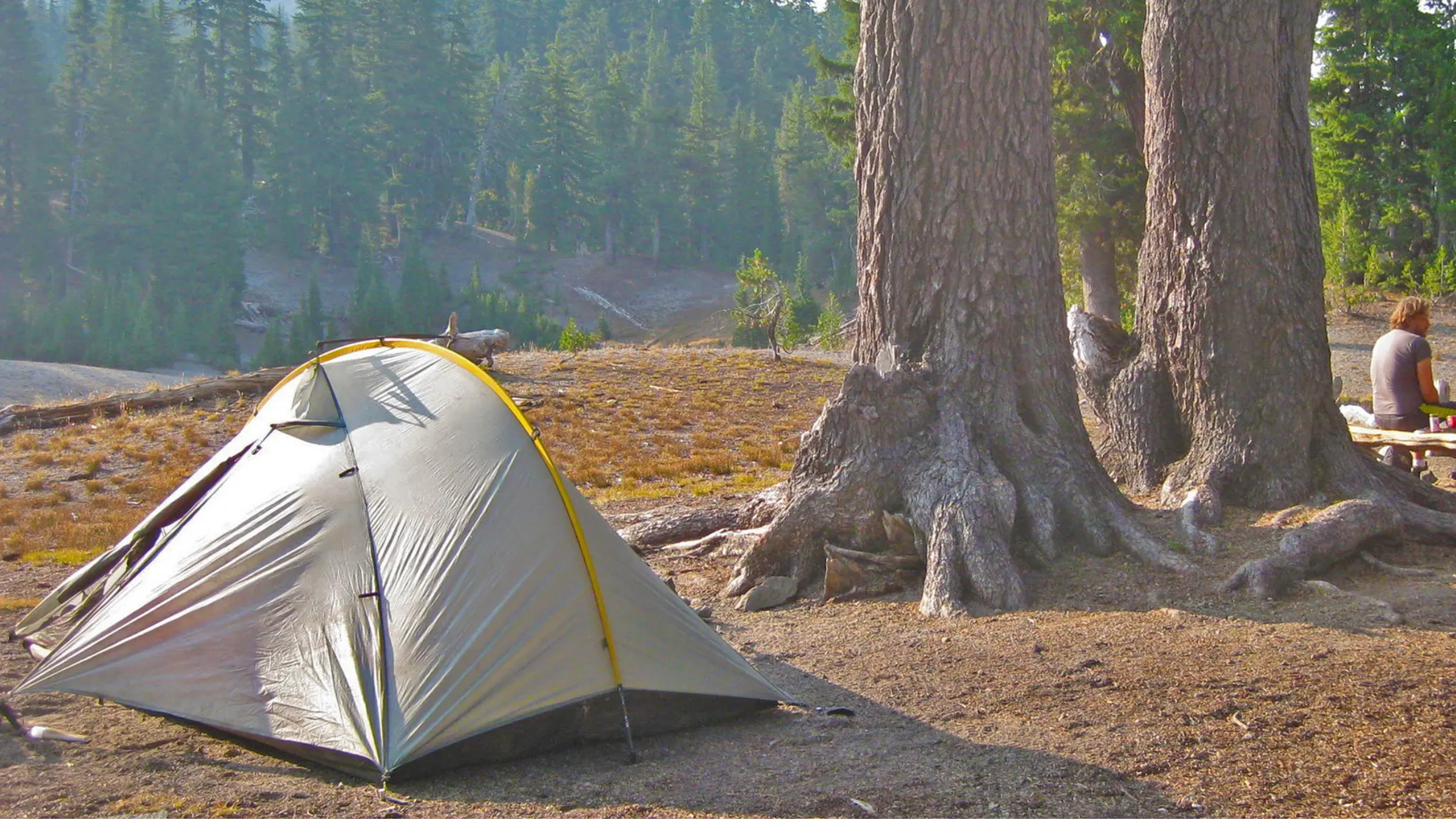
At a price point of approximately $284, the Tarptent Double Rainbow represents the pinnacle of the "budget-conscious but performance-oriented" category. Unlike mass-market budget tents found in big-box retail stores, which often exceed seven pounds, the Double Rainbow utilizes a single-wall hybrid design to achieve a weight of 2.6 pounds.
Technical Specifications and Performance
The Double Rainbow provides 30.6 square feet of interior space, which is remarkably generous for a tent in the sub-three-pound category. Its design relies on a single arch pole—available in either aluminum or carbon fiber—supplemented by a top strut that maximizes headroom. The peak height of 42 inches allows individuals up to 6 feet 6 inches tall to sit upright, a crucial factor for comfort during extended rain delays.
One of the most notable features of this model is its versatility. By utilizing trekking poles, users can convert the tent into a freestanding structure or engage "porch mode," which extends the vestibule into an awning for cooking or viewing. However, the trade-off for this lightweight, affordable design is condensation management. As a single-wall-dominant hybrid, the tent lacks the full mesh inner canopy found in heavier models, making it more susceptible to moisture buildup in humid or cold conditions.
The Mid-Range Tier: Prioritizing Durability with The North Face Trail Lite 2
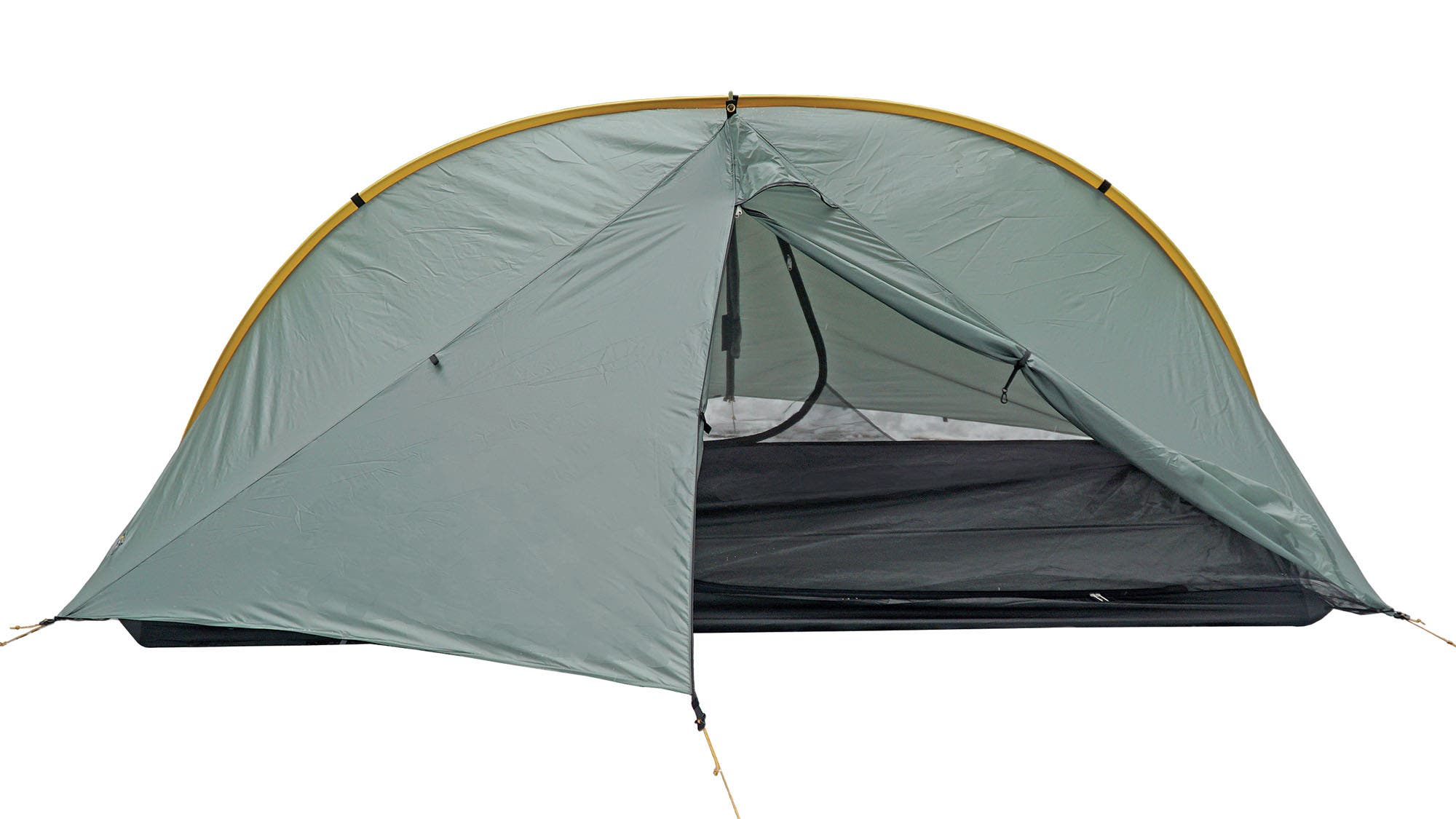
For users who prioritize structural security and weather resistance over absolute weight savings, the mid-range category offers robust solutions. The North Face Trail Lite 2, weighing in at 5.1 pounds, serves as a benchmark for this segment. While it is significantly heavier than its budget or premium counterparts, its engineering is focused on surviving "early winter" conditions and high-velocity winds.
Structural Integrity and Material Science
The Trail Lite 2 utilizes 9.5-millimeter aluminum poles and a 20-denier nylon ripstop fly. The waterproofing is achieved through a 1,200-millimeter water-repellant coating, which, when paired with a 75-denier polyester bathtub floor, provides a nearly impenetrable barrier against ground moisture.
Field testing in Maine recorded the Trail Lite 2 maintaining stability during 45 mph wind gusts. This level of performance is attributed to the pre-attached guy lines and the double-wall construction, which separates the breathable mesh inner from the waterproof outer fly. This separation effectively eliminates the condensation issues seen in lighter, single-wall designs. While the 5.1-pound weight may be a deterrent for long-distance "thru-hikers," it remains an ideal choice for weekend backpackers who require a "bombproof" shelter at a moderate price.
The Premium Tier: The Gold Standard of Space-to-Weight with the Big Agnes Copper Spur UL3
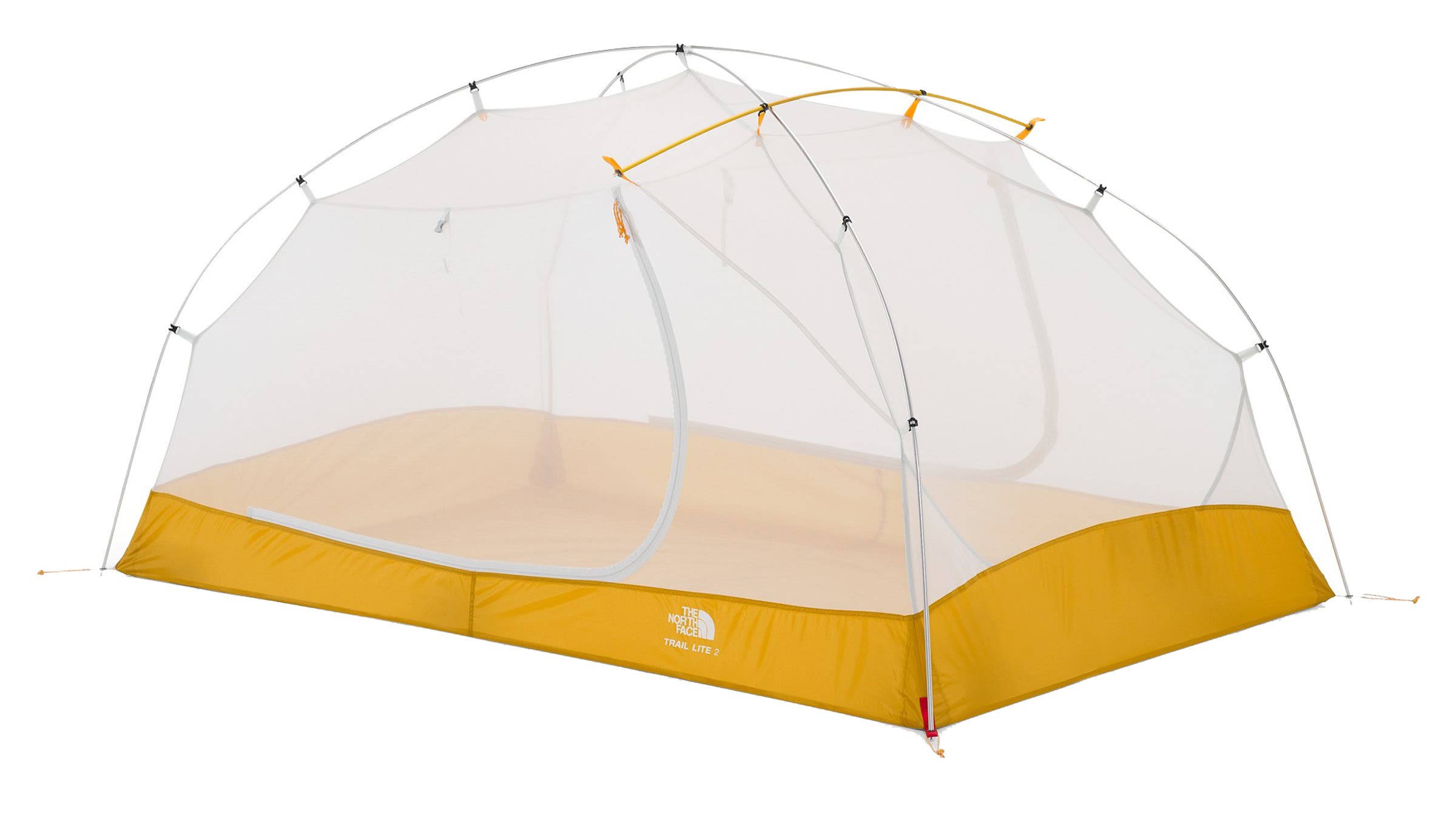
The Big Agnes Copper Spur UL3, priced at approximately $650, occupies the "splurge" tier of the market. This category is defined by the use of high-tech materials that offer maximum interior volume with minimum weight. The Copper Spur UL3 provides 41 square feet of interior space and 18 square feet of vestibule space, yet it weighs only 3.8 pounds—less than many two-person mid-range tents.
Innovation in Livability
The "UL" (ultralight) designation in the Copper Spur series is achieved through the use of proprietary double-ripstop patterned nylon. By varying the denier between 15D and 20D in strategic areas, Big Agnes maximizes tear strength while shedding grams. The tent also features a 43-inch peak height and a 90-inch length, catering to the tallest segment of the camping population.
A significant driver of the premium price is the inclusion of specialized features such as "3D bin" storage pockets and an awning-style vestibule that can be staked out with trekking poles. Furthermore, the transition to PFAS-free waterproofing reflects a broader industry shift toward environmental responsibility, as manufacturers face increasing pressure to eliminate "forever chemicals" from outdoor gear.
Comparative Data Analysis
To understand the value proposition of these three tiers, it is necessary to examine the metrics that matter most to backpackers: square footage per pound and cost per pound.
- Tarptent Double Rainbow: 11.77 sq ft per pound. This is the highest efficiency in the group, offering the most space for the least weight, though it requires more active management of condensation.
- The North Face Trail Lite 2: 5.88 sq ft per pound. This reflects the tent’s "heavy-duty" nature, trading weight for peace of mind in high-stress weather environments.
- Big Agnes Copper Spur UL3: 10.79 sq ft per pound. While slightly less "efficient" than the Tarptent on paper, it offers a true three-person capacity and double-wall comfort that the Tarptent lacks.
Chronology of Technical Advancement
The current state of backpacking tents is the result of several decades of iterative design:
- 1970s–1980s: Dominated by heavy polyurethane-coated nylons and fiberglass poles. Tents were durable but often weighed 8–10 pounds.
- 1990s: The introduction of silicone-coated nylon (silnylon) allowed for lighter fabrics that were also stronger and more UV-resistant.
- 2000s: The "Ultralight" movement, led by companies like Tarptent and Big Agnes, began pushing the boundaries of what was possible with 15D and 10D fabrics.
- 2010s: The rise of Dyneema Composite Fabric (DCF) introduced waterproof, non-breathable materials that were incredibly light but significantly increased costs (often exceeding $800 per tent).
- 2020–Present: A focus on "livability" and sustainability. Modern tents now feature pre-bent poles to create vertical walls and PFAS-free coatings to meet new environmental regulations in the U.S. and Europe.
Industry Implications and Market Trends
The divergence in tent pricing and design reflects a maturing outdoor market. As more people enter the backcountry, there is a growing demand for gear that is "foolproof." This explains the continued success of heavier, more stable tents like The North Face Trail Lite 2 among casual users. Conversely, the "fast and light" community continues to drive innovation in the budget and premium sectors, where every ounce is scrutinized.
Retailers have noted that the "price-to-weight" ratio has become the primary metric for consumer decision-making. According to industry reports, consumers are increasingly willing to pay a premium for gear that reduces physical strain on the trail, provided that the gear does not sacrifice safety.
Conclusion: Determining the Right Price
Choosing the "right" price for a backpacking tent depends entirely on the user’s intended environment and physical capacity. For the budget-conscious hiker who understands how to manage airflow to prevent condensation, the Tarptent Double Rainbow offers an unbeatable weight-to-cost ratio. For those venturing into unpredictable climates where durability is paramount, the extra weight of The North Face Trail Lite 2 serves as an insurance policy against the elements.
Finally, for the dedicated enthusiast who spends dozens of nights on the trail annually, the Big Agnes Copper Spur UL3 represents a long-term investment in comfort and efficiency. As material science continues to advance, the gap between these tiers may narrow, but the core principles of shelter—protection, weight, and price—will remain the ultimate metrics of the backpacking experience.


 Chandra Hamzah
 Gabriela Annisa
 Tatiana Tantri Indah Sari
 Hendra Ismail
 Walid Sujud Trenggono
 Budi Mulyono