Lukman Taruna Persada Ramadan
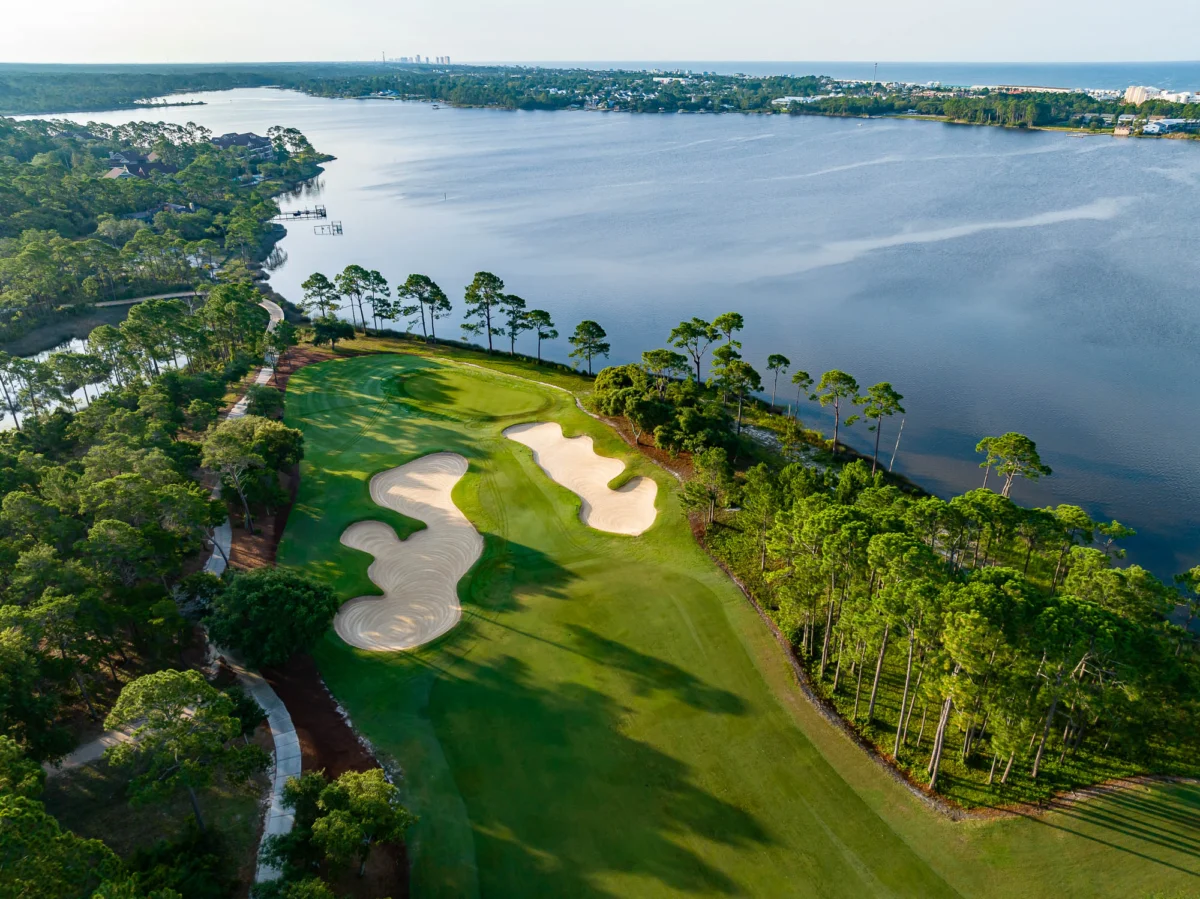
Florida’s Emerald Coast is internationally celebrated for its pristine white quartz shorelines and transparent emerald-hued waters, yet the region’s growing reputation as a premier golf destination has begun to attract discerning athletes from across the globe. Northwest Florida combines challenging architectural design, unique coastal ecosystems, and exceptional hospitality to establish a distinct footprint in the American golf landscape. For travelers seeking a comprehensive athletic escape, the region offers an array of meticulously maintained layouts ranging from exclusive private club offerings managed by the Watersound Club to accessible public layouts designed to test every facet of a player’s short and long game.
The evolution of the Emerald Coast into a recognized golf hub is not accidental. Over the past two decades, local hospitality developers, municipal planners, and world-renowned course architects have collaborated to maximize the unique natural topography of the Florida Panhandle. Featuring undulating sand dunes, towering pine forests, and expansive coastal dune lakes, the area provides a visually striking backdrop that mirrors the strategic demands found in traditional links-style environments, coupled with the lush conditioning characteristic of Southeast championship tracks.
Exclusive Access Through Premier Accommodations
A defining characteristic of golf travel along the Emerald Coast is the integration of high-end lodging with privileged access to elite, members-only playing facilities. Visitors who secure reservations at boutique properties such as the Camp Creek Inn or the Watersound Inn unlock entry to a triad of premier courses previously restricted to local club members: The Third, Camp Creek Golf Course, and Shark’s Tooth Golf Course.

This strategic partnership between luxury hospitality providers and private clubs has transformed the regional tourism economy, drawing high-yielding travelers who prioritize athletic amenities alongside coastal relaxation. Industry analysts note that bundling exclusive course access with specialized accommodations mitigates the traditional friction travelers face when attempting to book tee times at championship-caliber private facilities. Consequently, properties offering these packages have experienced a measurable rise in occupancy rates and length of stay among visiting golfers.
Architectural Masterpieces: The Private Club Circuit
The private portfolio accessible through regional resort stays represents a masterclass in modern golf course architecture, featuring designs by industry luminaries such as Davis Love III, Tom Fazio, and Greg Norman.
The Third
Opened in March 2025, The Third represents the newest addition to the Watersound Club portfolio and has already garnered critical acclaim for its thoughtful integration into the local ecosystem. Designed by Davis Love III, the 18-hole, par-71 course was meticulously carved from existing geographical contours, preserving native flora while establishing demanding architectural challenges. The course features expansive putting surfaces, strategically positioned fairway and greenside bunkers, and an innovative six-tee configuration per hole. This multi-tiered setup allows players of varying handicaps to customize their degree of difficulty, ensuring an engaging round for both scratch golfers and high-handicap enthusiasts alike.
Camp Creek Golf Course
Situated immediately adjacent to the Camp Creek Inn, this 18-hole championship layout was designed by renowned architect Tom Fazio and opened to wide acclaim. The course winds seamlessly through natural sand dunes, rolling fairways, and dense pockets of native vegetation, creating a visual aesthetic that demands precise shot-making. Despite its challenging layout and demanding hazard placements, the course maintains a player-friendly cadence. A standout feature of the Camp Creek experience is its halfway house innovation: located at the 12th tee, a meticulously restored 1958 Chevrolet Viking truck has been converted into a mobile wood-fired kitchen, serving artisan pizzas, sliders, and soft pretzels paired with house-made beer cheese, blending gourmet culinary offerings with traditional on-course refreshment.
Shark’s Tooth Golf Course
Tucked gracefully along the tranquil banks of Lake Powell—Florida’s largest coastal dune lake—Shark’s Tooth was designed by golf legend Greg Norman to offer an isolated, highly immersive round of golf. The course layout places a premium on accuracy, weaving through deep pine forests and winding around the edges of the expansive coastal lake. Golfers navigate deep, penalizing bunkers, undulating greens, and sweeping water vistas on nearly every hole. Post-round activities center around the recently renovated clubhouse, which provides comprehensive dining options, or the casual on-site Shark Shack, where players frequently gather to sample specialty burgers and craft cocktails while reviewing their scorecards.
Public Access and Alternative Layouts
While private club access remains a primary draw for resort guests, the Emerald Coast also accommodates independent travelers and those operating on tighter schedules through exceptional public-access facilities.
Origins Golf Course
Operated under the Watersound Origins community umbrella, this unique 10-hole, par-3 layout is entirely open to the public. Designed to appeal to time-constrained travelers, families, and junior golfers, Origins draws direct inspiration from traditional Scottish routing principles. The course offers a swift yet engaging athletic test, allowing players to complete a round in a fraction of the time required for a standard 18-hole championship venue without sacrificing architectural integrity or strategic nuance.
Windswept Dunes Golf Course
Spanning an impressive 750 acres of untamed terrain, Windswept Dunes stands as one of the most physically expansive public golf facilities in Northwest Florida. The 18-hole championship course features massive, rolling sand dunes and wide fairways that encourage aggressive driving, though navigating the heavily contoured greens requires a delicate touch. To assist visitors in warming up, the facility maintains a sprawling practice putting green alongside a dedicated chipping area complete with a regulation sand bunker, making it a comprehensive destination for golfers looking to refine their technique during vacation.
Chronology of Regional Golf Development
The establishment of the Emerald Coast as an elite golf destination occurred in distinct phases over the past 25 years:
- Late 1990s to Early 2000s: Initial master-planned community developments began prioritizing golf course construction to attract retirees and upscale vacationers, resulting in the creation of foundational layouts like Shark’s Tooth and early iterations of regional club facilities.
- 2001–2010: Architectural heavyweights such as Tom Fazio turned their attention to the Florida Panhandle, utilizing the region’s natural topography to introduce modern design standards that respected environmental conservation laws regarding coastal dune preservation.
- 2019–2023: Hospitality infrastructure underwent a major modernization phase with the opening of boutique properties like Camp Creek Inn, which pioneered the integrated resort-membership access model to boost off-season and shoulder-season tourism.
- March 2025: The official opening of The Third, designed by Davis Love III, marked the latest milestone in regional capacity expansion, further cementing the Watersound Club network as a multi-course powerhouse in the Southeast.
Economic and Tourism Implications
The ongoing maturation of the Emerald Coast golf market carries substantial economic implications for Northwest Florida. Local tourism boards report that golf travelers typically generate a higher economic impact per visitor compared to traditional beach-only tourists, driven by expenditures on lodging, greens fees, equipment rentals, dining, and retail shops.
Furthermore, the integration of high-end golf amenities helps combat the traditional seasonality of coastal tourism. While summer months remain dominated by family beach vacations, the autumn, winter, and spring seasons experience a significant influx of athletic travelers seeking optimal weather conditions for outdoor sports. This seasonal balancing act provides year-round revenue stability for local hospitality workers, service providers, and regional businesses.
As golf course architects and developers continue to balance ecological preservation with innovative course design, the Emerald Coast is positioned to maintain its trajectory as a premier destination for sports tourism. Whether challenging the deep bunkers of Greg Norman’s Shark’s Tooth, navigating the dunes of Tom Fazio’s Camp Creek, or experiencing the brand-new strategic angles of Davis Love III’s The Third, golfers visiting Northwest Florida encounter a diverse, challenging, and deeply rewarding landscape tailored for the modern game.


 Tatiana Tantri Indah Sari
 Anjar Salim

 Budi Mulyono