
 Gabriela Annisa
The global aviation industry currently finds itself at a precarious financial juncture, where record-breaking passenger demand and top-line revenue figures are being systematically eroded by a relentless surge in operating expenditures. As demonstrated in the latest episode of the Airline Weekly Lounge, industry analysts Gordon and Jay highlight a growing disconnect between the robust post-pandemic travel appetite and the actual profitability margins of major carriers. While the Skift Travel 200 (ST200) index tracks a trillion-dollar ecosystem of travel companies, the airline component of this index paints a sobering picture: high load factors are no longer synonymous with high net income.
The Profitability Paradox
At the heart of the current industry crisis is the "profitability paradox." Throughout 2023 and into 2024, legacy and low-cost carriers alike reported historical highs in passenger revenue per available seat mile (PRASM). However, these gains have been largely neutralized by a confluence of rising costs, including labor agreements, maintenance expenditures, and the persistent volatility of jet fuel prices.
When carriers negotiate new collective bargaining agreements, they often lock in significant wage increases for pilots, flight attendants, and ground staff—a necessary move to address labor shortages and inflation, but one that drastically alters the structural cost base of the airline. Simultaneously, the supply chain bottlenecks affecting Original Equipment Manufacturers (OEMs) like Boeing and Airbus have forced airlines to keep older, less fuel-efficient aircraft in service longer than anticipated, leading to inflated maintenance and fuel burn profiles.
JetBlue as an Industry Bellwether
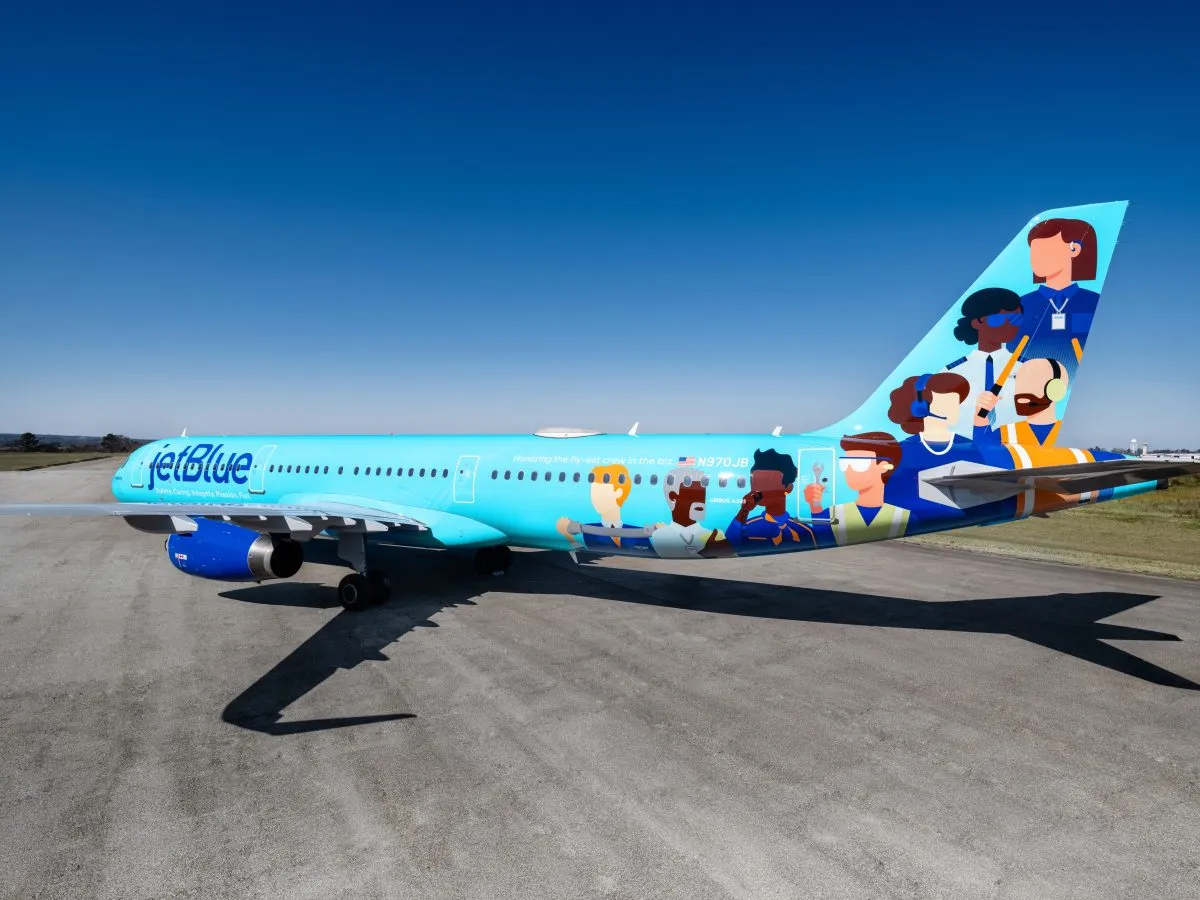
The recent financial outlook provided by JetBlue Airways has served as a critical indicator for the broader sector. As a carrier that straddles the line between low-cost and hybrid service models, JetBlue’s guidance provides a clear lens through which to view the challenges of regional competition and operational efficiency.
JetBlue’s recent struggles—characterized by narrowing margins and the pursuit of a leaner operational strategy—reflect a trend seen across the industry: the necessity of "right-sizing" networks. In a period of high costs, airlines are moving away from aggressive expansion and toward a more conservative capacity management strategy. This shift is not merely a tactical pivot but a fundamental necessity to protect balance sheets that were severely strained during the 2020–2022 global health crisis.
Chronology of Financial Headwinds
To understand the current economic environment, one must look at the timeline of the industry’s recovery and subsequent stagnation:
- 2021–2022: The Rebound Phase. As travel restrictions lifted, airlines experienced a "revenge travel" surge. Demand outpaced capacity, leading to strong pricing power.
- Early 2023: The Labor Shift. Major U.S. carriers finalized massive pilot contracts, setting a new benchmark for labor costs that reverberated throughout the global aviation workforce.
- Late 2023: Fuel Price Volatility. Geopolitical tensions in the Middle East and Eastern Europe contributed to unpredictable jet fuel pricing, forcing airlines to hedge or absorb sudden cost spikes.
- Q1–Q2 2024: The Capacity Correction. Airlines began announcing capacity cuts on less profitable routes, signaling an end to the "growth at all costs" mentality that defined the immediate post-pandemic period.
Analyzing the Skift Travel 200 (ST200) Data
The ST200 index provides a comprehensive overview of how airlines are performing relative to other segments of the travel industry, such as hotels, cruise lines, and tour operators. While the cruise sector has seen a sharp, sustained recovery, the airline sector’s performance within the index has been more erratic.
The data suggests that while the "top line" (revenue) is growing, the "bottom line" (operating margin) is under severe pressure. For instance, in the current fiscal reporting period, many airlines have reported revenue increases in the mid-single digits, yet operating income has remained flat or even declined compared to the same period in the previous year. This discrepancy is a direct result of the "cost creep" that has become the primary adversary for CFOs across the industry.
Official Responses and Industry Sentiment
While individual airlines rarely comment on the performance of their competitors, the industry consensus—as reflected in earnings calls and investor conferences—is one of cautious optimism tempered by operational reality. Executives at major carriers have consistently noted that while consumer demand remains "resilient," the margin for error has vanished.
"We are seeing a normalization of travel demand," noted an executive from a major network carrier during a recent investor update. "The challenge is no longer about filling planes; it is about ensuring that the cost of operating those flights does not outpace the yield we receive per passenger." This sentiment is echoed across the board, with many carriers now focusing on "CASM-ex" (Cost Per Available Seat Mile, excluding fuel) as their primary internal performance metric.
Broader Economic Implications
The inability of record revenues to cover rising costs has broader implications for the global economy and the consumer. If airlines cannot maintain profitability through current revenue streams, they are faced with three options: increasing ticket prices, reducing service levels, or cutting capacity.
- Ticket Pricing: While the market is currently sensitive to price, airlines may eventually be forced to pass more of their operational costs to consumers, potentially cooling the record-setting demand.
- Service Levels: We are already seeing a reduction in amenities and a focus on unbundling services (e.g., charging for carry-on bags, seat selection, and priority boarding) to squeeze additional revenue from every passenger.
- Network Rationalization: The reduction of routes to smaller or secondary markets is a growing trend. This consolidation of hub-and-spoke models ensures that airlines maintain high load factors, but it often leads to less choice and higher prices for travelers in smaller cities.
Looking Toward the Future
The current state of the industry is a test of capital discipline. Airlines that are able to modernize their fleets, streamline their labor-intensive processes, and maintain a disciplined capacity strategy will likely outperform the market. However, for those hampered by aging fleets and legacy cost structures, the path forward remains narrow.
Investors looking at the ST200 index should pay close attention to the "operational efficiency" metrics rather than just the raw revenue growth figures. As the industry moves into the next fiscal quarter, the ability to contain costs will be the defining characteristic of successful airlines. The "Airline Weekly Lounge" serves as a vital resource for those looking to track these trends, as it bridges the gap between raw data and the qualitative analysis needed to understand the complexities of the modern aviation sector.
In summary, the aviation industry is currently in a period of intense recalibration. The record revenues that were once considered the pinnacle of the recovery are now merely the baseline, and the real competition is being fought in the back office, the maintenance hangar, and the contract negotiation room. As fuel prices fluctuate and labor demands continue to rise, the airlines that prioritize operational efficiency over raw volume are the ones most likely to emerge as the leaders of the next generation of air travel.
The Skift Travel 200 continues to act as an essential benchmark for measuring these shifts, providing the transparency required to navigate this complex financial landscape. As the aviation sector continues to evolve, the ability to interpret these metrics will remain critical for stakeholders, from individual investors to the airlines themselves. The current era of aviation is defined by a paradox, and navigating this will require a departure from the strategies of the past in favor of a new, highly disciplined approach to global operations.



 Tatiana Tantri Indah Sari

 Dwi Wanna

 Anjar Salim

 Lukman Taruna Persada Ramadan

 Budi Mulyono
