
 Diana Nuri Rohmawati
Traditional leisure travel has long been defined by its extractive and passive nature. Travelers routinely arrive at foreign destinations to photograph standardized landmarks, dine at guidebook-recommended establishments, and briefly sample local nightlife before moving on. While commercial tours and superficial interactions offer a glimpse into local cultures, they rarely facilitate deep community integration. Even long-term independent travelers, who often distance themselves from the traditional "tourist" label, frequently replicate these same patterns on a slower schedule and at a reduced cost.
Industry analysts note that the fantasy of effortlessly embedding into a foreign community—befriending locals and bypassing the superficiality of modern tourism—seldom aligns with reality. Because transient travelers are only passing through, local residents rarely invest time in forging meaningful relationships with short-term visitors. Consequently, authentic cross-cultural exchange requires a significant commitment of time and active contribution to the host community rather than mere observation.
The Evolution of International Mobility and Structured Support
Recognizing the limitations of short-term tourism, a growing segment of the global travel demographic is pivoting toward long-term immersion models. Historically, individuals seeking to live and work abroad faced significant logistical hurdles, ranging from navigating complex immigration policies and visa quotas to vetting legitimate international volunteer organizations.
In response to these challenges, the international gap year and work-abroad sector has expanded significantly over the past two decades. Global Work & Travel, recognized as the world’s largest enterprise in this sector, has facilitated international placements for more than 116,000 participants. Operating across the United Kingdom, Europe, the Americas, Asia, Africa, and the Pacific, the organization provides comprehensive logistical frameworks designed to mitigate the traditional barriers associated with moving abroad.
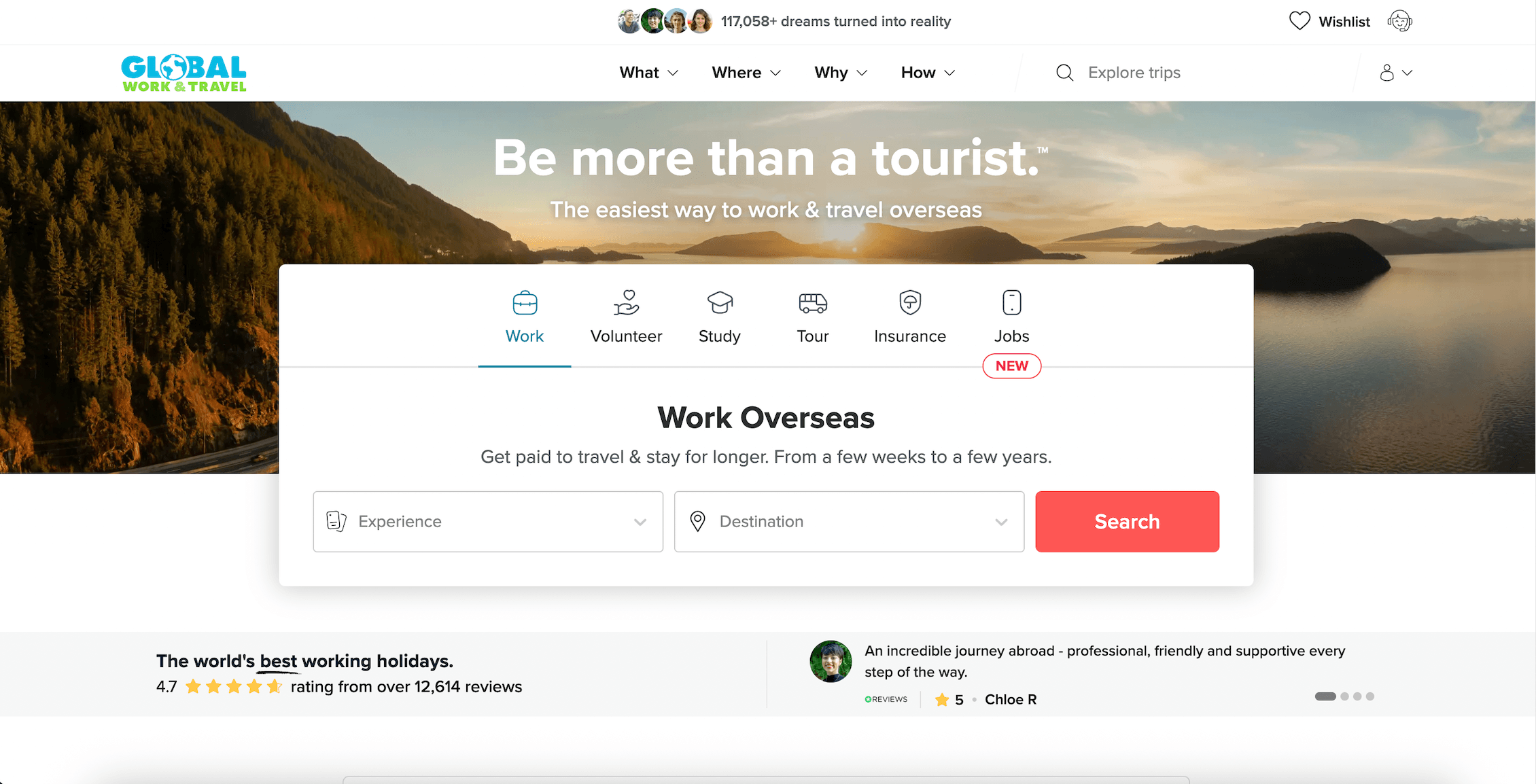
For first-time travelers and experienced globetrotters alike, relocating internationally involves daunting operational tasks. Securing employment in a competitive local market, avoiding protracted stints in shared temporary housing, managing urban transportation costs, and scheduling multiple interviews against domestic applicants can quickly overwhelm independent movers. Structured programs provide an essential scaffolding—encompassing pre-departure planning, visa guidance, job placement, and ongoing digital support through dedicated trip management applications like gWorld—transforming theoretical travel ambitions into achievable realities.
Working Holidays Versus the Digital Nomad Model
Over the past decade, the "digital nomad" lifestyle has emerged as the prevailing archetype for long-term location-independent living. Characterized by remote employment, strong-currency earnings, and residence in lower-cost economies, the nomad model has inspired millions. However, industry experts point out that this lifestyle remains inaccessible to a substantial portion of the global workforce, particularly younger travelers who lack established remote careers, high baseline incomes, or professional stability.
Working holiday programs offer a pragmatic alternative. Rather than importing remote employment, working holiday makers integrate directly into domestic labor markets upon arrival. By securing local employment, these travelers cultivate natural social networks through coworkers and community routines rather than isolated coworking spaces or transient hostels.
Labor economists observe that working holidays provide a more grounded and accessible framework for international living. Participants maintain structured schedules, contribute to local economies, and establish sustainable routines that extend far beyond the typical two-week vacation cycle. This integration fosters genuine cultural understanding and equips participants with cross-cultural competencies and international resume credentials that enhance their long-term professional trajectories.
The Rise of Ethical and Vetted Volunteering
Volunteering abroad has historically faced scrutiny regarding its efficacy and ethical implications. Critics have frequently highlighted profit-driven enterprises that prioritize volunteer gratification over measurable community benefit. To combat these concerns, reputable international organizations have instituted rigorous vetting procedures for placements in wildlife conservation, community development, education, and healthcare.
Structured volunteer placements focus on addressing self-identified local priorities. Initiatives ranging from community development projects in Zanzibar to African wildlife conservation in South Africa and elephant rehabilitation in Thailand rely on collaborative frameworks. By working alongside local stakeholders, participants gain direct insight into systemic socioeconomic and environmental challenges, fostering a more nuanced global perspective. Furthermore, institutional mechanisms such as dedicated animal welfare funds ensure that financial resources extend beyond individual placements to support long-term regional conservation goals.
Economic and Logistical Implications of Extended Travel
The shift toward structured work and travel programs carries notable economic implications for both destination markets and participant home countries. By decentralizing tourism away from over-saturated urban centers and seasonal hotspots, work-abroad initiatives distribute economic benefits to regional and rural economies facing labor shortages, particularly in agriculture, hospitality, and conservation sectors.
For participants, financial risk management remains a critical consideration. Modern providers employ flexible booking policies, such as non-expiring lifetime deposits and consumer protection affiliations, to safeguard traveler investments against geopolitical shifts or unforeseen disruptions. Furthermore, the integration of digital platforms enables participants to manage documentation, compliance, and emergency communications centrally, reducing administrative friction.
As global mobility continues to evolve beyond traditional tourism, structured programs are expected to play an increasingly vital role in international education and workforce development. By bridging the gap between independent exploration and institutional support, these initiatives provide a sustainable pathway for individuals seeking to transcend the boundaries of conventional travel and engage meaningfully with the global community.

 Anjar Salim
 Dwi Wanna
 Chandra Hamzah
 Gabriela Annisa
 Tatiana Tantri Indah Sari
 Walid Sujud Trenggono