Tatiana Tantri Indah Sari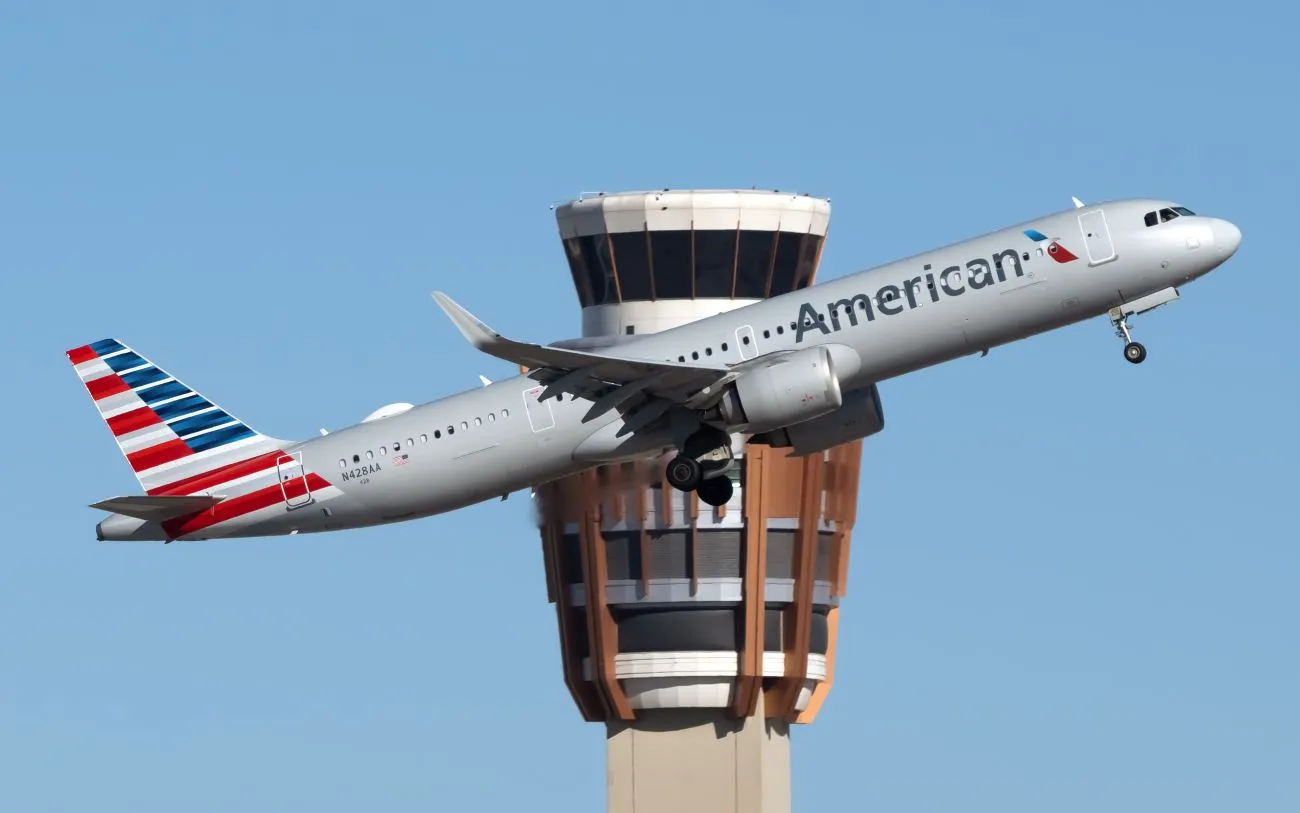
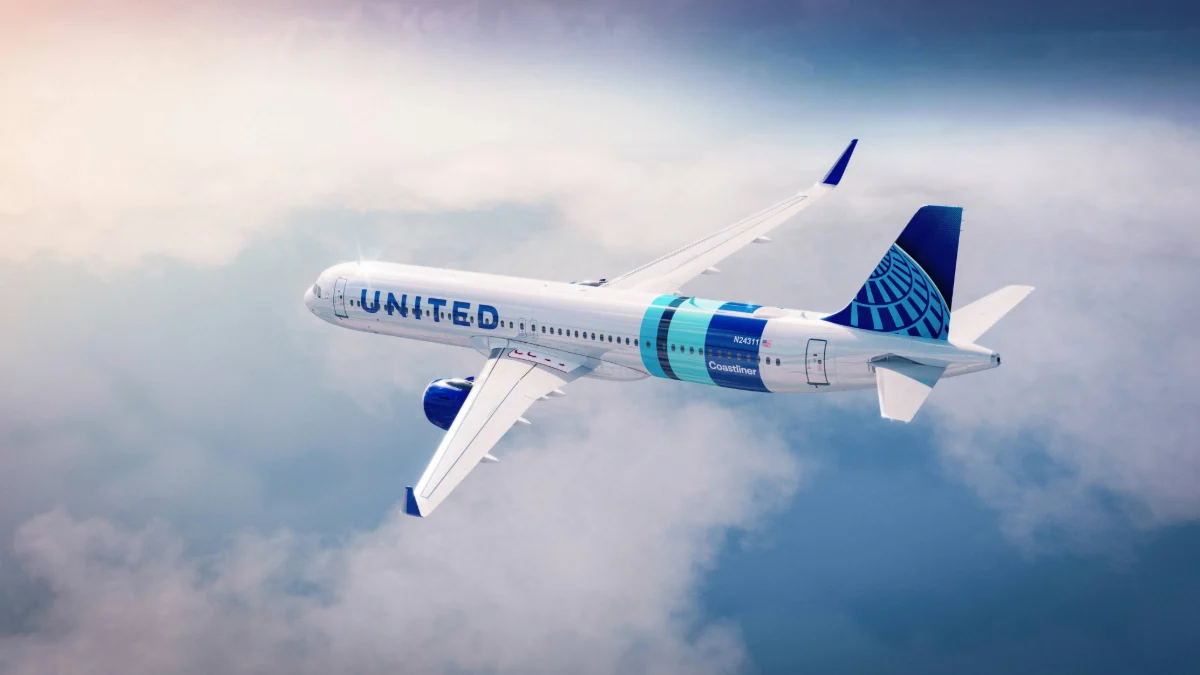
American Airlines definitively stated Friday its disinterest in any merger discussions with United Airlines, a swift and unambiguous rejection that came just days after it became public that United CEO Scott Kirby had reportedly pitched the idea of a combination to senior government officials. This brief, yet highly consequential, exchange has sent ripples through the airline industry, signaling the potential for the most significant consolidation play in over a decade and immediately raising red flags for antitrust regulators, consumer advocates, and labor unions alike.
The Merger Pitch and American’s Swift Rejection
The initial revelation, which emerged through unnamed sources close to the discussions, indicated that United CEO Scott Kirby had engaged with key figures within the U.S. government, including officials at the Department of Justice (DOJ) and the Department of Transportation (DOT), to float the concept of merging the nation’s second and third-largest airlines by passenger traffic. While the specific details of Kirby’s overture remain undisclosed, the very notion of such a colossal tie-up immediately commanded attention given the current highly concentrated nature of the U.S. airline market.
American Airlines, headquartered in Fort Worth, Texas, wasted no time in publicly quashing the speculation. In a terse statement released Friday, the airline declared, "American Airlines is not engaged with or interested in any discussions regarding a merger with United Airlines." The statement continued, acknowledging a broader industry sentiment: "While changes in the broader airline marketplace may be necessary, a combination [with United] is not something we are pursuing." This firm denial by American underscores either a lack of strategic alignment, significant practical barriers, or perhaps a preemptive move to avoid prolonged, disruptive speculation in the market. The wording "changes in the broader airline marketplace may be necessary" hints at American’s recognition of industry challenges but firmly positions them against this specific solution.
A History of Consolidation: The U.S. Airline Landscape
The U.S. airline industry has undergone dramatic consolidation over the past two decades, transforming from a fragmented landscape of numerous carriers into a market largely dominated by the "Big Four": American Airlines, Delta Air Lines, United Airlines, and Southwest Airlines. This trend began in earnest in the early 2000s, driven by economic pressures, high fuel costs, and the desire for network efficiencies.
Key mergers that shaped the current landscape include:
- Delta Air Lines and Northwest Airlines (2008): This combination created the first of the modern mega-carriers, significantly expanding network reach.
- United Airlines and Continental Airlines (2010): This merger brought together two major legacy carriers, forming United Continental Holdings (later simply United Airlines).
- Southwest Airlines and AirTran Airways (2011): A significant move for the low-cost carrier segment, expanding Southwest’s footprint.
- American Airlines and US Airways (2013): This merger, emerging from American’s bankruptcy, created the world’s largest airline at the time, solidifying the current "Big Four" structure.
Each of these mergers faced intense scrutiny from the DOJ, often resulting in significant divestitures of slots and routes at key airports to ensure competitive balance. The prevailing sentiment among regulators and industry analysts has been that further large-scale consolidation would face increasingly stringent antitrust challenges, particularly given the reduced number of major players.
United’s Strategic Play: Why Now?
While United Airlines has not publicly commented on the reported merger pitch, industry observers can infer several potential motivations behind CEO Scott Kirby’s reported overture. The airline industry continues to navigate a complex environment post-pandemic. Despite a robust recovery in passenger demand, carriers face persistent challenges:
- Labor Shortages: A scarcity of pilots, flight attendants, and ground staff continues to constrain capacity and drive up labor costs.
- High Operating Costs: Fuel prices, while fluctuating, remain a significant expenditure.
- Infrastructure Constraints: Limited airport slots and gate availability at major hubs can restrict growth.
- Intense Competition: Even among the "Big Four," competition for premium routes and corporate contracts remains fierce.
A merger with American Airlines could offer United several strategic advantages, at least in theory:
- Unparalleled Network Reach: The combined entity would boast an incredibly expansive domestic and international route network, potentially unrivaled by any other carrier.
- Enhanced Scale and Synergies: Greater purchasing power for aircraft, fuel, and services; elimination of redundant administrative functions; and optimized route scheduling could lead to significant cost savings.
- Market Dominance: A merged United-American would likely control an unprecedented share of U.S. domestic and international traffic, giving it immense pricing power and influence.
However, these potential benefits are heavily outweighed by the monumental integration challenges and, critically, the almost insurmountable regulatory hurdles.
Regulatory Titans: A Formidable Antitrust Environment
The most significant barrier to any potential United-American merger lies squarely with the U.S. Department of Justice. The current antitrust enforcement climate, particularly under the Biden administration and Assistant Attorney General Jonathan Kanter, has adopted a demonstrably more aggressive stance against corporate consolidation. This shift is clearly evidenced by recent actions:
- JetBlue and Spirit Airlines Merger Block (2024): The DOJ successfully blocked the proposed $3.8 billion merger between JetBlue Airways and Spirit Airlines, arguing that it would lead to higher fares and fewer choices for consumers, particularly those seeking low-cost options. This was a significant victory for antitrust enforcement, demonstrating the DOJ’s willingness to challenge even smaller consolidations.
- Northeast Alliance (NEA) Dissolution (2023): The DOJ also successfully challenged and dismantled the Northeast Alliance between American Airlines and JetBlue, arguing it functioned as a de facto merger in the Northeast, reducing competition.
Given these precedents, the prospect of the DOJ approving a merger between two of the "Big Four" legacy carriers appears exceedingly remote, if not entirely impossible. Such a combination would drastically reduce competition in hundreds of overlapping markets, potentially creating a duopoly or even a monopoly on certain routes. The combined entity would control an estimated 40-50% of the U.S. domestic market by passenger revenue, a level of concentration that would almost certainly trigger an immediate and aggressive legal challenge from the DOJ.
Regulators would be particularly concerned about:
- Reduced Consumer Choice: Fewer airlines mean fewer options for travelers.
- Increased Fares: Reduced competition often leads to higher prices.
- Fewer Innovations: Less competitive pressure can stifle innovation in services and amenities.
- Impact on Smaller Markets: Concerns that less profitable routes to smaller cities might be cut.
The Combined Behemoth: Market Dominance and Overlap
To grasp the sheer scale and potential competitive implications of a United-American merger, it’s essential to consider their combined operational footprint. Both airlines operate extensive domestic and international networks, with significant hubs across the U.S.:
- American Airlines Hubs: Dallas/Fort Worth (DFW), Charlotte (CLT), Chicago (ORD), Miami (MIA), Philadelphia (PHL), Phoenix (PHX), Washington D.C. (DCA), Los Angeles (LAX), New York (JFK, LGA).
- United Airlines Hubs: Chicago (ORD), Denver (DEN), Houston (IAH), Los Angeles (LAX), Newark (EWR), San Francisco (SFO), Washington D.C. (IAD).
A merger would create immense overlap in critical hub airports like Chicago O’Hare (ORD), Los Angeles (LAX), and the New York metropolitan area (JFK, LGA, EWR), as well as Washington D.C. (DCA, IAD). These overlaps would necessitate massive divestitures of slots, gates, and potentially entire routes, a process that is incredibly complex and often dilutes the strategic benefits of a merger.
The combined fleet would number well over 1,500 mainline aircraft, serving thousands of daily flights to hundreds of destinations worldwide. By revenue and passenger numbers, it would be a behemoth, dwarfing its remaining competitors, Delta and Southwest. The integration of such vast and distinct operational systems – from IT platforms, reservation systems, and maintenance protocols to frequent flyer programs and ground handling operations – would be a Herculean task, fraught with potential disruptions and massive costs. The 2013 American-US Airways merger, though ultimately successful, was plagued by IT glitches and operational challenges for years. A United-American combination would be exponentially more complex.
Stakeholder Reactions and Concerns
The mere suggestion of a United-American merger has likely already triggered alarm bells across various stakeholder groups:
-
Labor Unions: Airline mergers are notoriously difficult for labor unions. Pilots, flight attendants, mechanics, and other employee groups often face contentious seniority integration battles, which can drag on for years and create deep divisions. While a larger airline might offer more job security in the long run, the immediate disruption, potential job losses through redundancies, and the arduous process of harmonizing separate collective bargaining agreements would be a significant concern for the thousands of employees at both carriers. Given the current tight labor market, employees would likely seek robust protections and benefits in any merger scenario.
-
Consumer Advocates: Organizations advocating for consumer rights would undoubtedly vociferously oppose such a merger. Their primary concern would be the inevitable reduction in competition leading to higher airfares, fewer flight options, and potentially a decline in service quality. They would argue that consolidating two major carriers would further limit the choices available to travelers, especially in markets where both currently offer competing services.
-
Industry Competitors: Delta Air Lines and Southwest Airlines, the other members of the "Big Four," would face a vastly larger and potentially more dominant competitor. This could force them to reassess their own strategic positions, potentially leading to calls for further consolidation among the remaining players to maintain competitive parity, or a renewed focus on niche markets and operational efficiencies. Smaller regional carriers and ultra-low-cost carriers (ULCCs) would also find themselves competing against an even more powerful entity, potentially squeezed out of key markets.
-
International Alliances: American Airlines is a founding member of the Oneworld alliance, while United Airlines is a founding member of Star Alliance. A merger would create an unprecedented challenge for the global alliance system. It’s inconceivable that a combined entity could belong to both, meaning one alliance would lose a massive partner, fundamentally reshaping the landscape of global air travel partnerships and potentially forcing other airlines to realign. This aspect alone presents a complex web of legal, commercial, and operational dilemmas that would be incredibly difficult to untangle.
Potential Implications: A Deep Dive
Should such a merger miraculously gain regulatory approval – an outcome considered highly improbable by most experts – its implications would be profound and far-reaching:
-
For Consumers: The immediate impact would likely be felt in pricing. With fewer major competitors, the merged entity would have significant pricing power, potentially leading to higher fares on many routes. Fewer options could also mean less flexibility, particularly for business travelers. While a larger network might offer more seamless connections, the overall reduction in competitive pressure would likely outweigh these benefits.
-
For Employees and Labor: Beyond the immediate integration challenges, a merger of this scale could reshape labor relations in the airline industry. The harmonization of distinct union contracts, seniority lists, and corporate cultures would be a protracted and potentially acrimonious process. While some administrative redundancies would occur, the sheer scale of operations might mitigate widespread frontline job losses, but shifts in roles and responsibilities would be inevitable.
-
For the Global Alliance System: The implications for Oneworld and Star Alliance would be catastrophic. The loss of a founding member and a major global player would necessitate a complete restructuring of one of these alliances, leading to a scramble for new partners and a significant shift in global route connectivity. This would affect not only the airlines directly involved but also dozens of smaller carriers around the world that rely on these alliances for network reach.
-
For the Future of Airline Competition: If a United-American merger were to somehow clear regulatory hurdles, it would fundamentally alter the competitive dynamics of the U.S. airline industry, reducing the "Big Four" to a "Big Three" with one dominant player. This could trigger a new wave of consolidation, potentially pushing Delta to seek its own large-scale merger or forcing other carriers to explore partnerships to remain competitive. Such a scenario would represent a dramatic rollback of decades of antitrust enforcement and could usher in an era of unprecedented market concentration.
The Road Ahead: A Period of Uncertainty
American Airlines’ swift and unequivocal rejection has, for now, seemingly closed the door on a United-American merger. However, the fact that such a proposal was even floated by a major airline CEO to government officials highlights the ongoing strategic thinking within the industry about future consolidation. While the regulatory environment currently makes such a mega-merger virtually impossible, the underlying pressures – from cost containment to network optimization – continue to drive discussions.
The episode serves as a powerful reminder of the delicate balance between corporate ambition and the public interest in a competitive marketplace. It also reinforces the Biden administration’s commitment to robust antitrust enforcement, sending a clear signal that the era of unchallenged mega-mergers, particularly in concentrated industries like airlines, may well be over. For the foreseeable future, significant consolidation among the U.S. "Big Four" appears to be grounded, leaving airlines to pursue organic growth, strategic partnerships, and operational efficiencies within the existing competitive framework.

 Chandra Hamzah
 Gabriela Annisa
 Budi Mulyono
 Anjar Salim