Anjar Salim
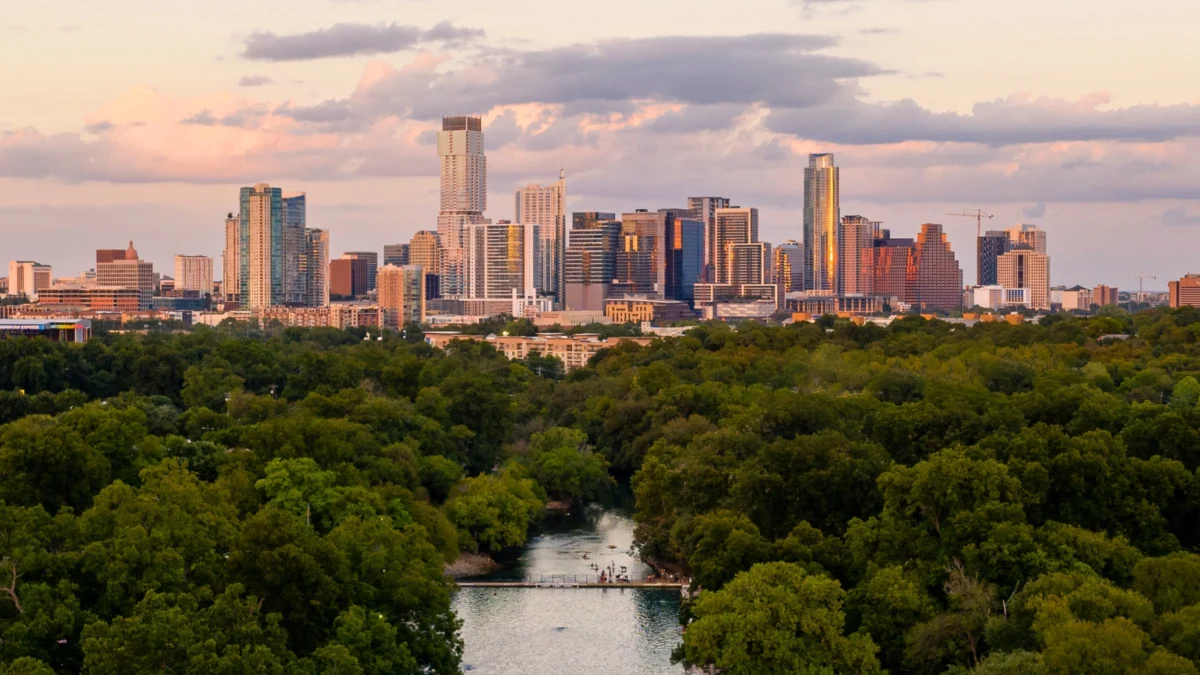
If New York is universally recognized as the city that never sleeps, Austin functions as a municipality that seemingly refuses to lower its resting heart rate. This physiological irony is underscored by the city’s punishing meteorological reality: Austin averages nearly 30 days of temperatures exceeding 100 degrees Fahrenheit annually, with severe summers pushing that threshold toward a grueling three-month duration. Despite these extreme thermal conditions, the city maintains an active, outdoor-centric culture that blends high-intensity athletics with a sprawling culinary and live-music ecosystem.
Over the past decade, rapid demographic shifts and infrastructural developments have transformed the Texas capital. While long-term residents frequently critique the influx of technology sector capital, escalating traffic congestion, and a lengthening summer season that now routinely commences in April, the city’s core identity remains anchored in physical movement. A typical autumn weekend in Austin can seamlessly incorporate a morning trail run, a thermal respite in natural spring water, attendance at a collegiate sporting event drawing crowds in the six figures, and an evening of traditional dance hall socializing.
Parks, Trails, and the City’s Hydrological Infrastructure
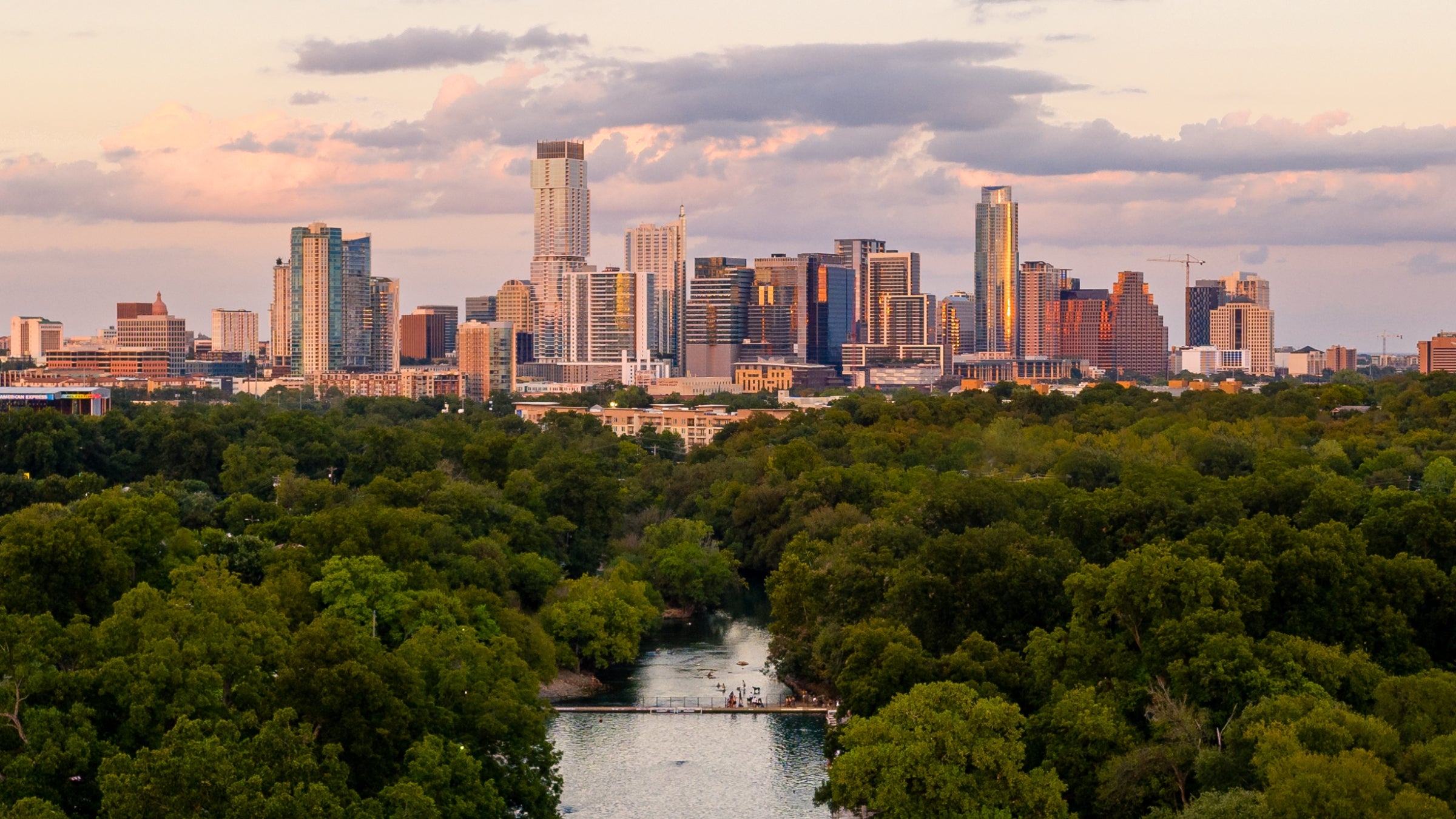
Water features heavily in Austin’s recreational urban planning, serving as both a historical anchor and a critical heat mitigation strategy. At the center of this network is Barton Springs Pool, located at 2131 William Barton Dr. Spanning three acres, this spring-fed natural body of water maintains a constant temperature of 70 degrees Fahrenheit year-round, offering a stark contrast to the ambient summer heat. Attracting approximately 800,000 visitors annually, the site accommodates early-morning lap swimmers alongside afternoon visitors utilizing the grassy hillside. Parking infrastructure surrounding the facility remains notoriously constrained, prompting transportation authorities to regularly recommend alternative transit options for visitors.
Complementing Barton Springs is Deep Eddy Pool, situated at 401 Deep Eddy Ave. Established in 1915 and subsequently expanded during the Works Progress Administration era of the 1930s, Deep Eddy is the oldest swimming pool in Texas. Maintaining a 68-degree temperature, the spring-fed facility serves endurance athletes, local retirees, and younger demographics alike. Its proximity to the Ann and Roy Butler Hike-and-Bike Trail integrates it directly into the city’s broader pedestrian network.
The Ann and Roy Butler Hike-and-Bike Trail, accessible from 301 S. Congress Ave., operates as the primary artery for Austin’s outdoor fitness community. The approximately ten-mile crushed-granite loop encircles Lady Bird Lake, providing a multi-use pathway for runners, cyclists, and commuters. Recent infrastructural investments, including the completion of a bridge and underpass on the eastern perimeter, have successfully eliminated historical transit bottlenecks. Adjacent to the trail, Lady Bird Lake itself functions as a premier urban paddling venue. While swimming is legally prohibited, the waterway accommodates heavy volume for kayakers, canoers, and stand-up paddleboarders seeking skyline vistas and evening viewings of the local Mexican free-tailed bat population emerging from the South Congress Bridge.
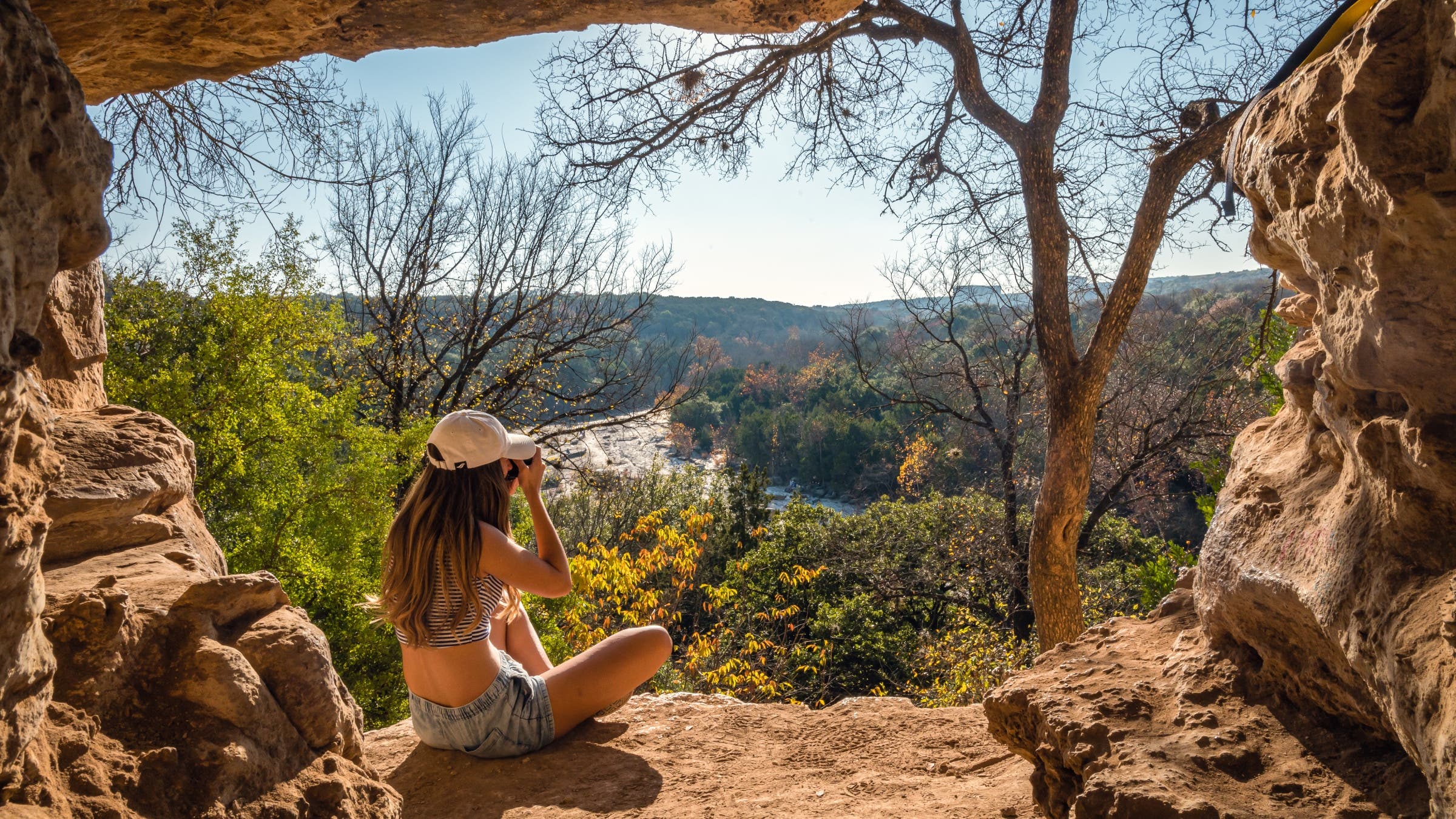
For off-road enthusiasts, the Barton Creek Greenbelt at 3918 S. MoPac Expy. offers a rugged limestone trail system spanning several miles. Depending on seasonal rainfall, the corridor features flowing water and swimming holes, though drier periods expose technical terrain utilized by mountain bikers, trail runners, and bouldering practitioners, particularly near the Gus Fruh access point. Meanwhile, Zilker Park—a 350-acre expanse adjacent to Barton Springs—serves as the city’s primary civic green space, hosting daily recreational activities and massive annual events such as the Austin City Limits music festival, which draws tens of thousands of attendees daily over two weekends each October.
Evolution of Indoor Wellness and Fitness Spaces
As temperatures routinely challenge outdoor routines, Austin’s fitness sector has expanded its indoor infrastructure, combining traditional training facilities with recovery modalities such as cold plunges and saunas. The Austin Bouldering Project, located at 979 Springdale Rd., exemplifies this hybrid model by housing extensive bouldering walls, yoga studios, weight rooms, and co-working spaces within a converted industrial warehouse. For roped climbing, Mesa Rim provides vertical terrain reaching 55 feet, representing some of the tallest indoor climbing facilities in the American Southwest.
Simultaneously, commercial bathhouses have emerged as prominent social hubs. Establishments like Bathe, situated at 2922 E. Cesar Chavez St., integrate traditional wellness offerings—including saunas, mineral soaks, and cold plunges—with yoga and Pilates programming. This trend toward communal wellness infrastructure reflects broader national shifts in urban recreation, with additional large-scale bathhouse projects slated for development through 2027.

Culinary Landscape and Regional Gastronomy
Austin’s culinary identity is defined by a dichotomy between traditional central Texas barbecue and pervasive Tex-Mex staples, increasingly augmented by modern multi-use hospitality developments. Micklethwait Craft Meats, operating from a converted historic church on Tanney Street following a relocation from its original food trailer format, offers craft brisket and house-made sausage without the multi-hour queues historically associated with legacy establishments like Franklin Barbecue.
Concurrently, the breakfast taco remains a staple of the local diet. Veracruz All Natural, with multiple locations including an outpost at The Line Hotel near the Butler Trail, maintains high volume production of regional specialties, most notably its signature migas taco comprising eggs, tortilla chips, Monterey Jack cheese, avocado, tomato, onion, and cilantro.
To accommodate the city’s year-round demand for open-air socialization, hospitality groups have proliferated multi-purpose venues that blend coffee shops, bars, and food truck courts. Cosmic, with locations on Pickle Road in South Austin and East Fourth Street, anchors this trend by offering caffeinated beverages, cocktails, and rotating culinary vendors within heavily shaded outdoor seating environments.

In the nightlife sector, historic honky-tonks and dance halls continue to operate alongside newer venues. While establishments like the Broken Spoke and Donn’s Depot preserve the city’s mid-century country music heritage, newer venues such as Sagebrush on South Congress Avenue have revitalized the scene by pairing live touring acts and dance instruction with expansive outdoor yards and extensive draft beer selections.
Hospitality Infrastructure and Tourism Impact
The hospitality sector in Austin has adapted to the city’s dual identity as both a high-tech corporate hub and a premier tourism destination. Boutique properties have largely replaced standardized chain hotels in key pedestrian corridors. The Carpenter Hotel, housed in a former union hall at 400 Josephine St., provides direct access to the Butler Trail and Zilker Park, featuring 93 rooms and localized dining options. Similarly, Hotel Magdalena on Music Lane utilizes low-timber architectural designs across an 89-room footprint, incorporating subterranean listening rooms like the Equipment Room to appeal to visitors seeking curated cultural experiences.
Broader Economic and Civic Implications
The rapid densification and cultural commercialization of Austin present ongoing challenges for municipal planners and long-term residents. As real estate valuations have escalated over the past decade, urban planners face the dual imperative of expanding public transit and preserving the natural green spaces that initially drove the city’s population growth. Infrastructure projects targeting pedestrian connectivity, such as the continuous improvements along the Butler Trail and the proliferation of integrated indoor-outdoor commercial hubs, indicate a deliberate municipal strategy to maintain the city’s active lifestyle branding despite compounding climate pressures and population density.


 Lukman Taruna Persada Ramadan
 Tatiana Tantri Indah Sari

 Budi Mulyono