
 Anjar Salim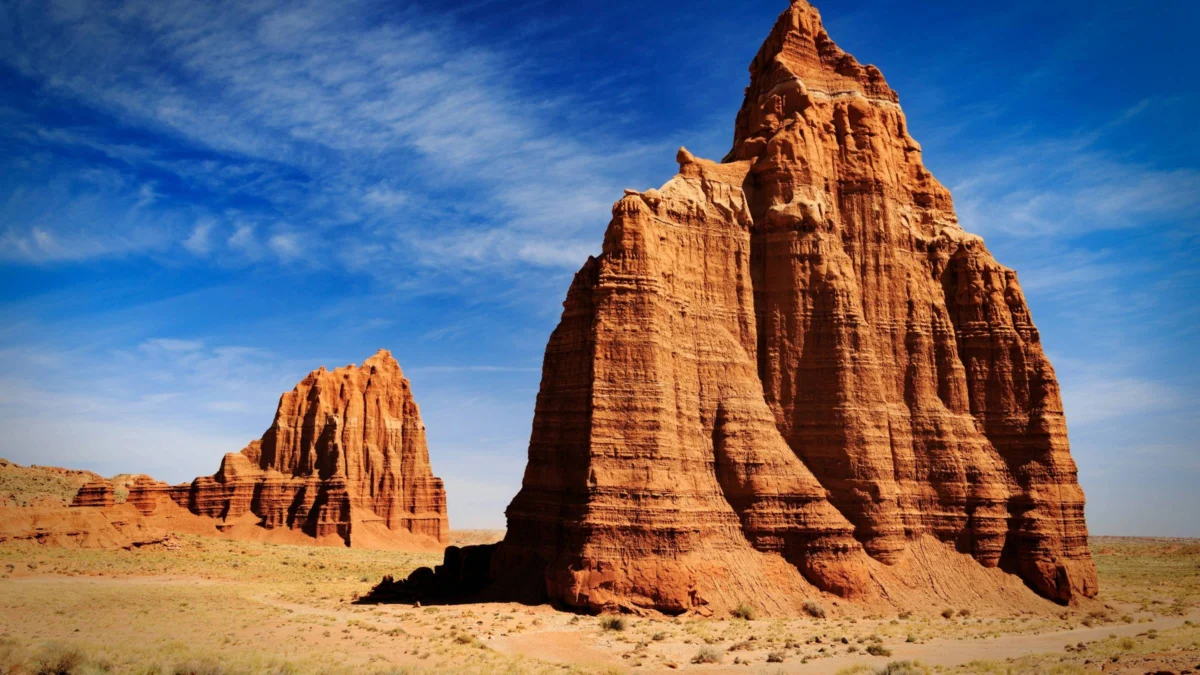
The National Park Service (NPS) has released its comprehensive visitor use statistics for the 2025 calendar year, revealing a persistent and intensifying trend of geographic concentration within the United States’ premier protected landscapes. According to the latest data dashboard, the top five most popular national parks accounted for 31.94% of all system-wide visits, while the top ten parks absorbed more than 51% of the total visitor volume. This record-level congestion has prompted park administrators and conservationists to re-evaluate visitor management strategies as popular destinations like Great Smoky Mountains, Yellowstone, and Zion face unprecedented pressure on infrastructure and natural resources.
The 2025 data underscores a significant challenge for the Department of the Interior: while the national park system comprises 63 designated "National Parks" and hundreds of other units, the majority of the public continues to gravitate toward a small handful of "legacy" parks. Great Smoky Mountains National Park remained the most visited unit in the system, recording 11,527,939 visitors in 2025. This was followed by Yellowstone at 4,762,988 and Grand Canyon National Park at 4,430,653. The logistical fallout of these numbers includes extended wait times for entry, the implementation of complex reservation systems, and localized environmental degradation on high-traffic trails.
The Geography of Congestion: Why Five Parks Dominate
The concentration of visitors is largely attributed to accessibility and brand recognition. Great Smoky Mountains National Park, for instance, is situated within a one-day drive of approximately 50% of the United States population. Its proximity to major East Coast and Midwestern metropolitan hubs makes it a perennial favorite. Similarly, the "Mighty Five" in Utah and the iconic geysers of Yellowstone have benefited from decades of international marketing and well-developed road corridors.
However, NPS social scientists note that this popularity often leads to a diminished visitor experience, characterized by "Trader Joe’s-style" parking lot congestion and single-file hiking conditions on popular routes like the Appalachian Trail or Zion’s Angels Landing. In response, land management experts are increasingly advocating for "displacement" strategies—encouraging the public to explore lesser-known parks that offer similar geological or biological features with a fraction of the human footprint.
Congaree National Park: A Biodiverse Alternative to the Smokies
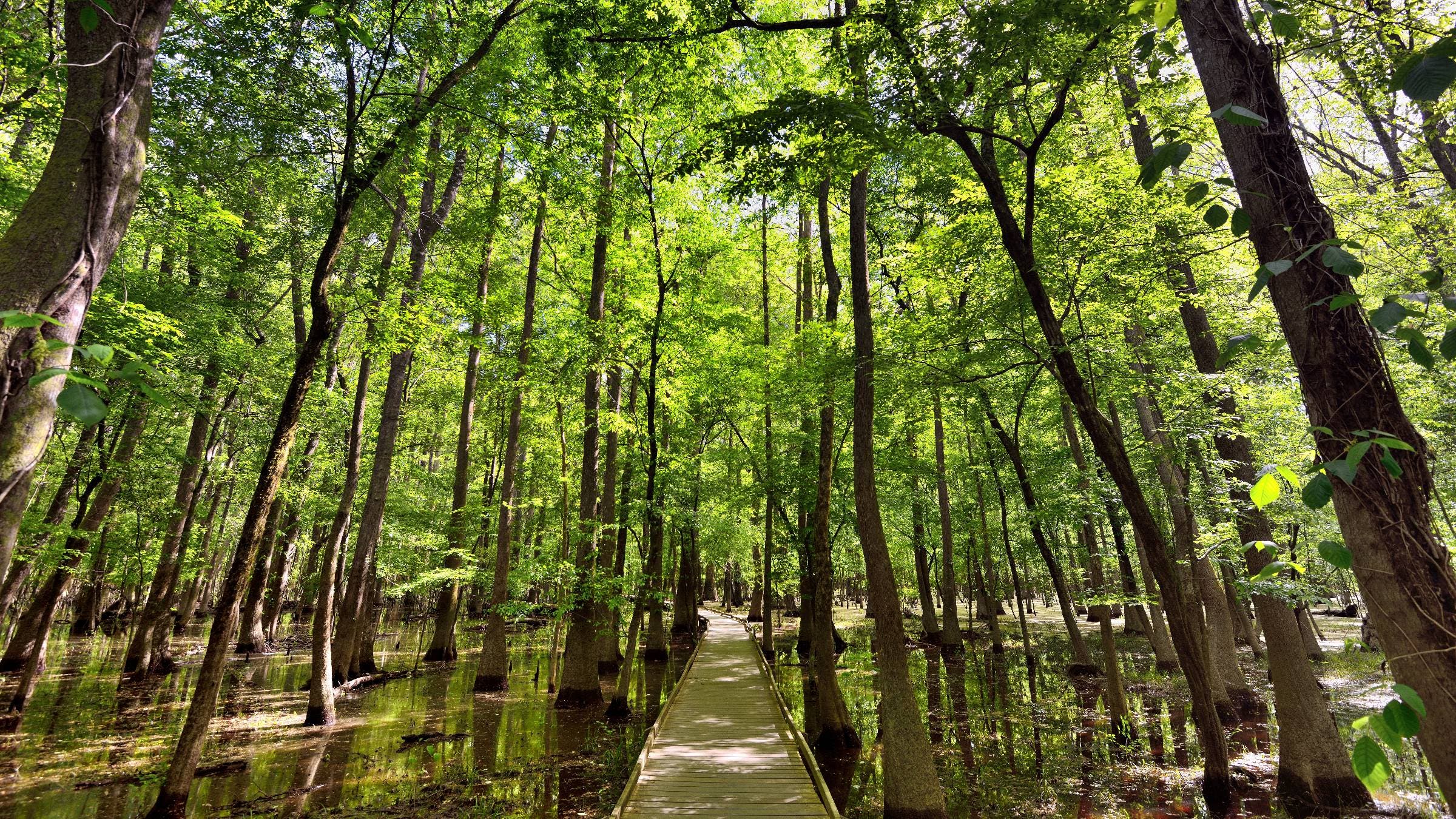
While Great Smoky Mountains National Park is celebrated for its unmatched biodiversity in the Southern Appalachians, Congaree National Park in South Carolina provides a comparable level of ecological richness with significantly fewer crowds. Spanning approximately 26,000 acres, Congaree protects the largest intact expanse of old-growth bottomland hardwood forest remaining in the southeastern United States.
Comparative Ecology and Accessibility
Like the Smokies, Congaree is highly accessible, located near major interstate corridors in the center of the East Coast. Its primary draw is its massive tree canopy—one of the tallest in the world—featuring bald cypress, tupelo, and loblolly pines. While the Smokies offer mountainous terrain, Congaree provides a unique "flooded forest" experience.
Key Expeditions
- The Fork Swamp Trail: A 0.6-mile route following an oxbow lake formed by a 19th-century hurricane, offering sightings of bald eagles and river otters.
- Cedar Creek Canoe Trail: A marked waterway through 500-year-old cypress stands. For advanced visitors, a 20-mile overnight paddle to the 601 Landing provides a wilderness experience rarely found in the crowded hollows of the Smokies.
North Cascades National Park: The "American Alps" vs. Rocky Mountain
Rocky Mountain National Park (RMNP) consistently ranks among the top ten most visited parks, protecting 415 square miles of high-elevation alpine tundra. However, its popularity has led to a strict timed-entry permit system. In contrast, North Cascades National Park in Washington offers a more rugged, glaciated landscape with remarkably low visitation. In 2025, North Cascades saw only 46,925 visitors—fewer people than the number who climbed a single peak (Longs Peak) in RMNP during the same period.
The Barrier of Ruggedness
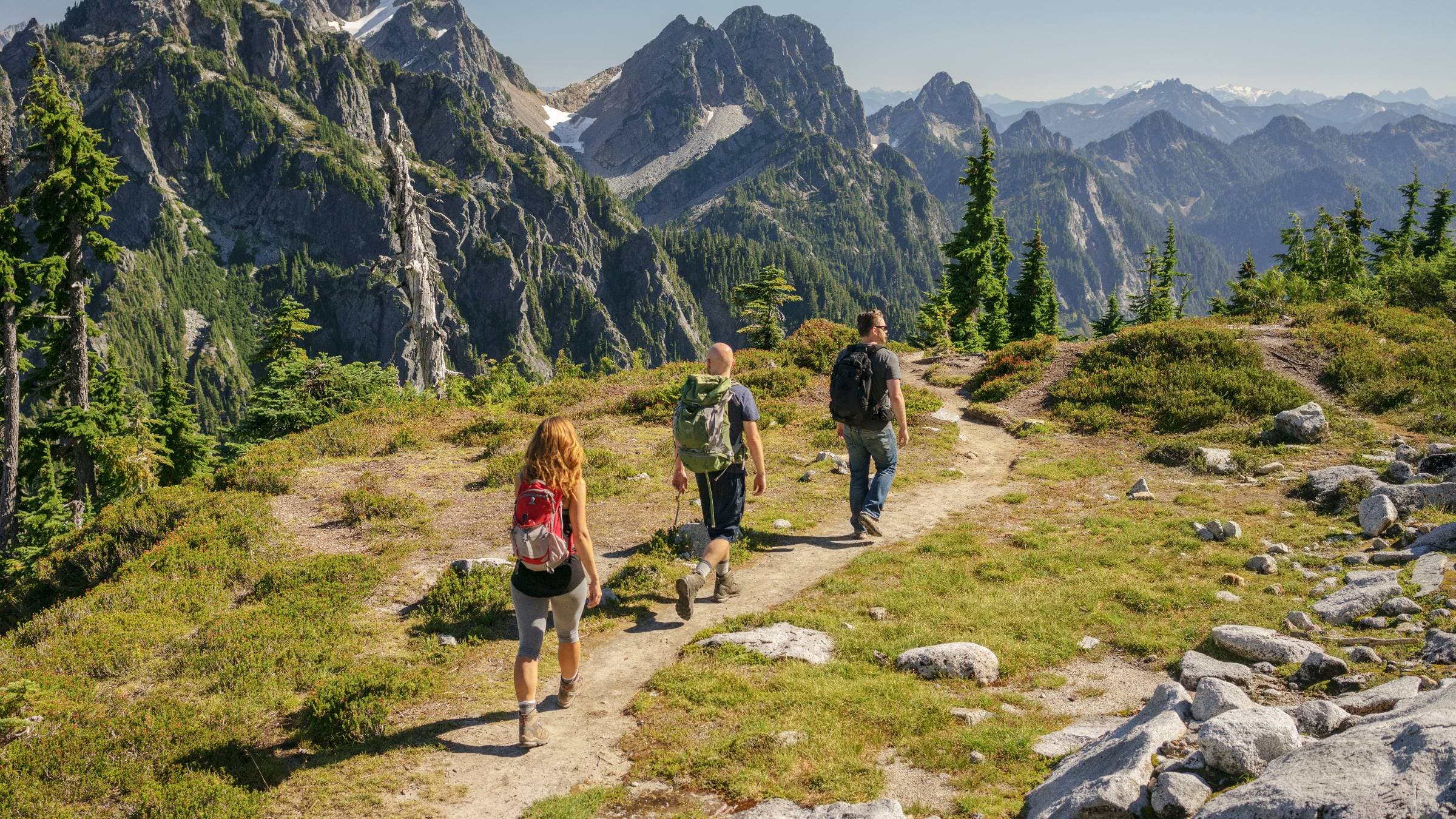
The low visitation at North Cascades is primarily due to its lack of "drive-through" infrastructure. While RMNP features the paved Trail Ridge Road, North Cascades requires significant physical effort to access its interior. It contains over 300 glaciers—more than any other park in the lower 48 states—and peaks like Mount Baker that exceed 10,000 feet.
Notable Routes
- Thunder Knob Trail: A 3-mile family-friendly hike offering panoramic views of the turquoise Diablo Lake.
- Sourdough Lookout: A strenuous 10.4-mile trek gaining nearly 5,000 feet of elevation, leading to a historic fire lookout once inhabited by poet Gary Snyder.
Capitol Reef: Escaping the Zion Bottleneck
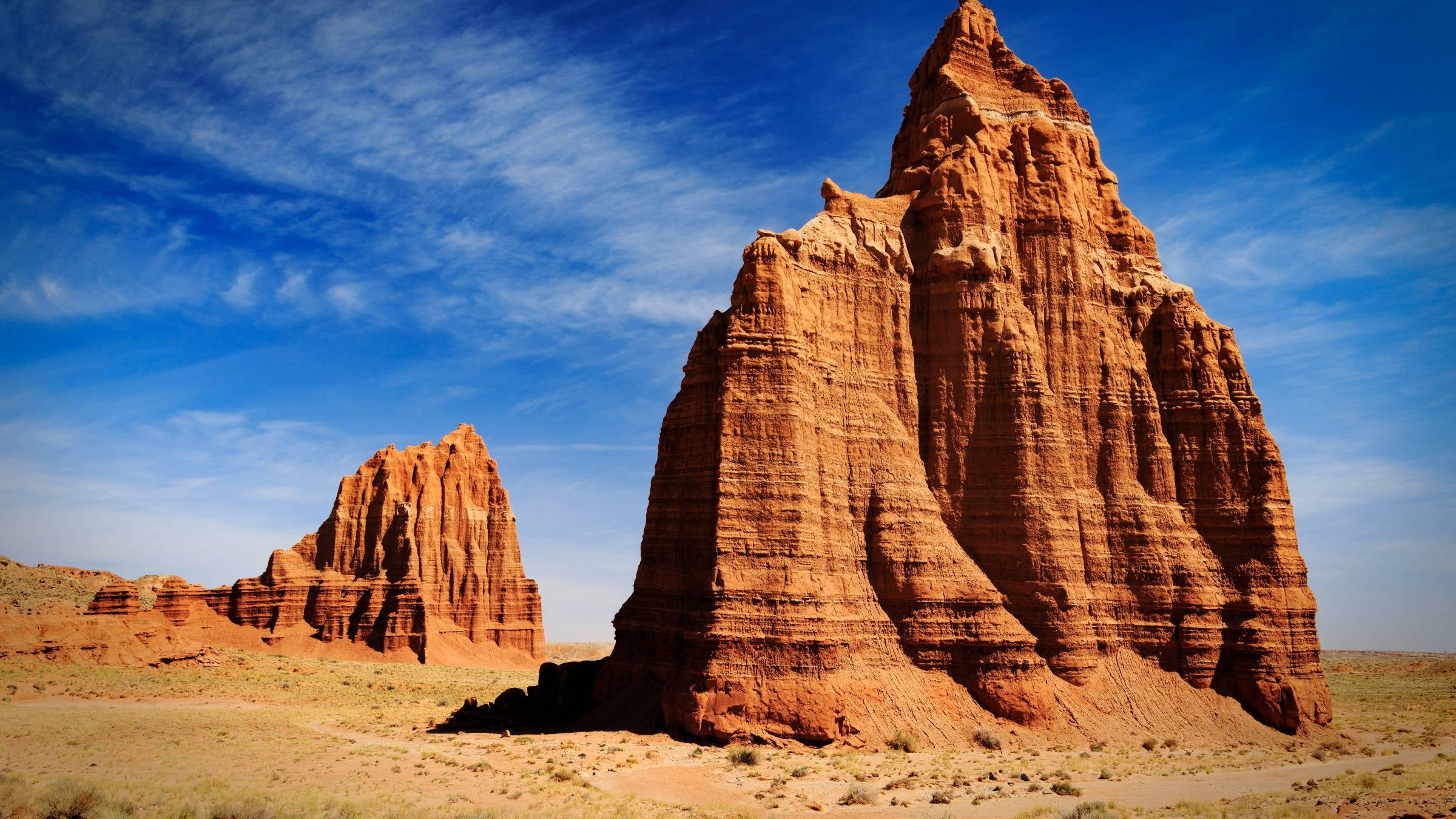
Zion National Park’s narrow canyon geography makes it particularly susceptible to overcrowding, often requiring a shuttle system to manage the millions who arrive annually. Capitol Reef National Park, located just a few hours to the northeast, offers nearly 241,000 acres of similar red-rock splendor but saw only 1.38 million visitors in 2025—roughly 25% of Zion’s volume.
Geologic Significance
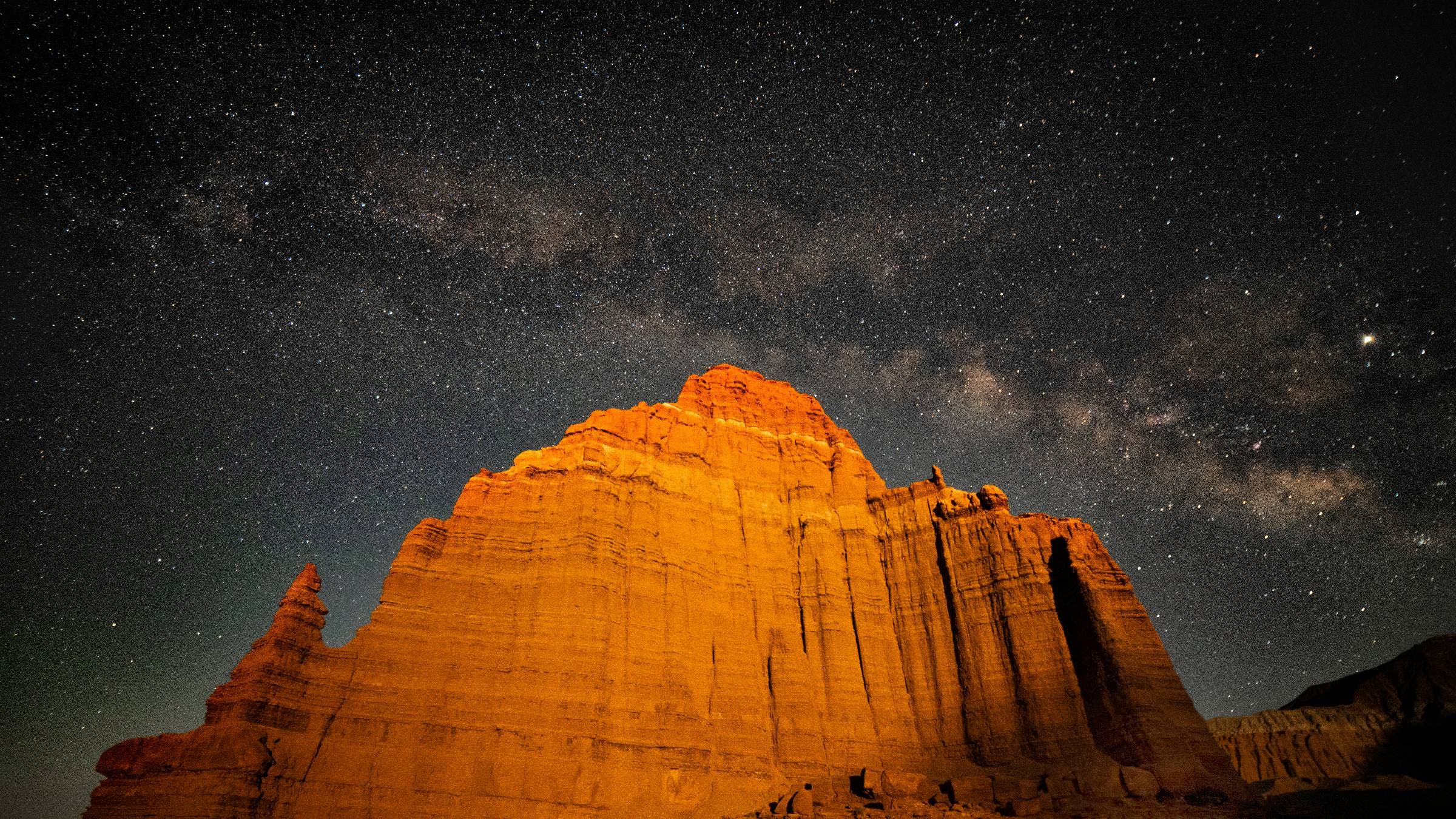
Capitol Reef is defined by the Waterpocket Fold, a 100-mile long "wrinkle" in the Earth’s crust. The park features slot canyons, natural arches, and monoliths that rival Zion’s scenery without the mandatory shuttle lines.
Strategic Hiking
- Grand Wash Trail: A 4.4-mile flat hike through a deep canyon where walls narrow to 20 feet apart, providing a slot-canyon experience without technical gear.
- Lower Spring Canyon: A 9.5-mile point-to-point adventure involving scrambling and a mandatory crossing of the Fremont River, catering to those seeking Zion-level scenery in total solitude.
Lassen Volcanic: A Geothermal Peer to Yellowstone
Yellowstone’s hydrothermal features are global icons, but they attract nearly 5 million visitors a year, leading to boardwalk congestion at sites like Old Faithful. Lassen Volcanic National Park in northeastern California serves as a formidable alternative, featuring 40 volcanoes within its 106,372 acres and an array of steaming fumaroles and bubbling mud pots.
Volcanic Activity and Climate
Lassen recorded just 504,777 visitors in 2025. The park’s landscape is shaped by its 1915 eruption, creating a "devastated area" that now serves as a living laboratory for ecological succession. Due to its high elevation, the park often receives over 30 feet of snow, limiting the peak summer season but offering a pristine winter wilderness for backcountry skiers.
Thermal Highlights
- Bumpass Hell Trail: A 3-mile round trip through the park’s largest hydrothermal basin. It offers a concentrated version of Yellowstone’s "Geyser Hill" with vibrant acidic pools and steam vents.
- Terminal Geyser: Located in the remote Warner Valley, this feature spews a constant stream of steam, reachable via a 6-mile hike through conifer forests and lush meadows.
Black Canyon of the Gunnison: A Vertical Wilderness
Grand Canyon National Park remains the gold standard for North American chasm scenery, yet its 4.4 million annual visitors often struggle with parking and viewpoint crowding. The Black Canyon of the Gunnison in Colorado offers a different kind of drama. While smaller in scale, its walls are significantly steeper and more sheer, earning it the moniker of a "vertical wilderness."
Comparative Analysis of Scale and Crowds
In 2025, the Black Canyon saw only 250,086 visitors. The canyon drops 2,722 feet at its deepest point, and at its narrowest, the rim-to-rim distance is only 1,100 feet, creating a sense of claustrophobic grandeur that the wider Grand Canyon lacks.
Recovery and Access
The park is currently recovering from a significant wildfire that impacted the South Rim in the summer of 2025. While some campgrounds remain closed for rehabilitation, the South Rim Road and several key trails have reopened.
- North Vista Trail: A 3-mile trek to Exclamation Point, providing some of the most dramatic sheer-drop views in the national park system.
- The Warner Route: An arduous, unmaintained wilderness route that drops 2,700 feet to the Gunnison River, intended for experienced hikers looking to escape the "moving sidewalk" feel of the Grand Canyon’s Bright Angel Trail.
Broader Impact and Policy Implications
The shift in visitation patterns is not merely a matter of tourist preference; it is a critical management objective for the National Park Service. Over-tourism in flagship parks leads to increased maintenance backlogs, which currently exceed $23 billion across the system. By redirecting traffic to underutilized units like Congaree or North Cascades, the NPS can distribute the economic benefits of tourism to a wider range of gateway communities while mitigating the environmental impact on "celebrity" landscapes.
Official responses from park superintendents suggest that the next five years will see an expansion of the "alternative destination" marketing campaign. "Our goal is not to discourage people from seeing the Grand Canyon or Yellowstone," one NPS administrator noted in a recent social science briefing, "but to ensure that the public understands that the ‘national park experience’ is available in 63 different flavors, many of which do not require a reservation or a parking battle."
As the 2026 summer season approaches, the 2025 data serves as a roadmap for the "strategic traveler." For those willing to trade name recognition for solitude, the United States’ lesser-known national parks offer a glimpse of the wilderness as it was intended to be seen: vast, quiet, and uncrowded.




 Chandra Hamzah
 Tatiana Tantri Indah Sari
 Budi Mulyono

