
 Anjar Salim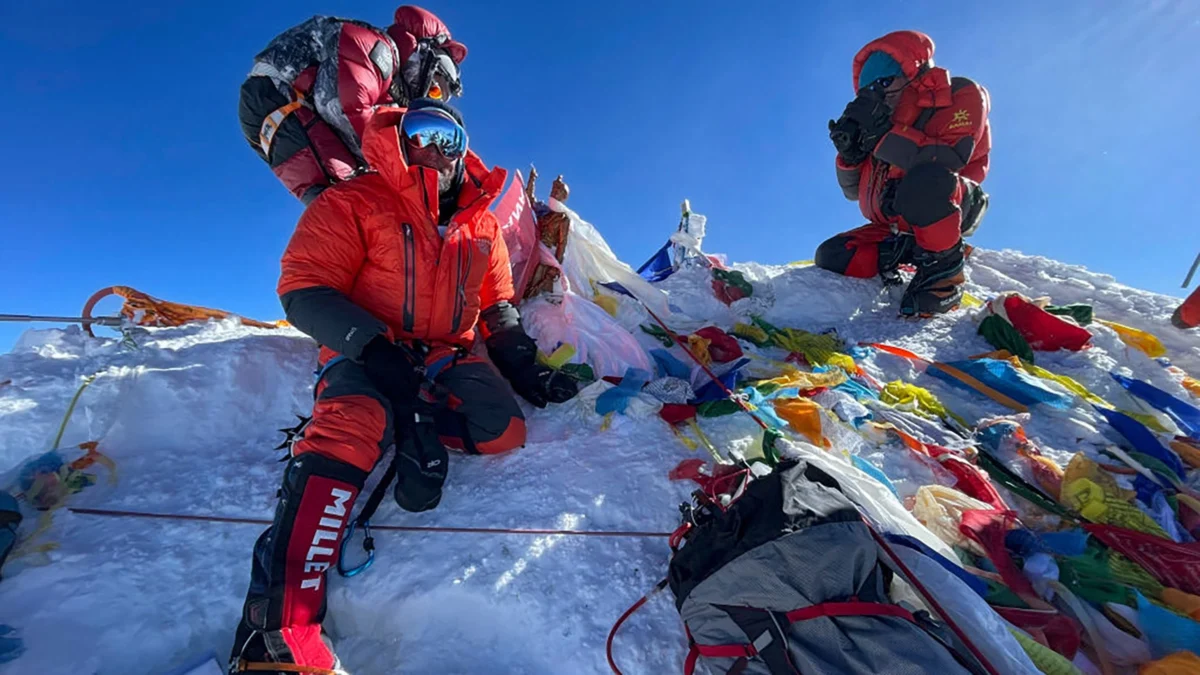
For much of the 20th century, reaching the summit of Mount Everest was regarded as the pinnacle of human endurance, a feat reserved for the most elite and daring explorers. However, in the three decades since the rise of commercial mountaineering, the public perception of the world’s highest peak has undergone a radical transformation. Today, Everest is frequently characterized in popular media as a high-altitude tourist trap for the ultra-wealthy—a place where clients with more money than experience are supposedly shuttled to the top by Sherpa guides while breathing from a seemingly endless supply of bottled oxygen.
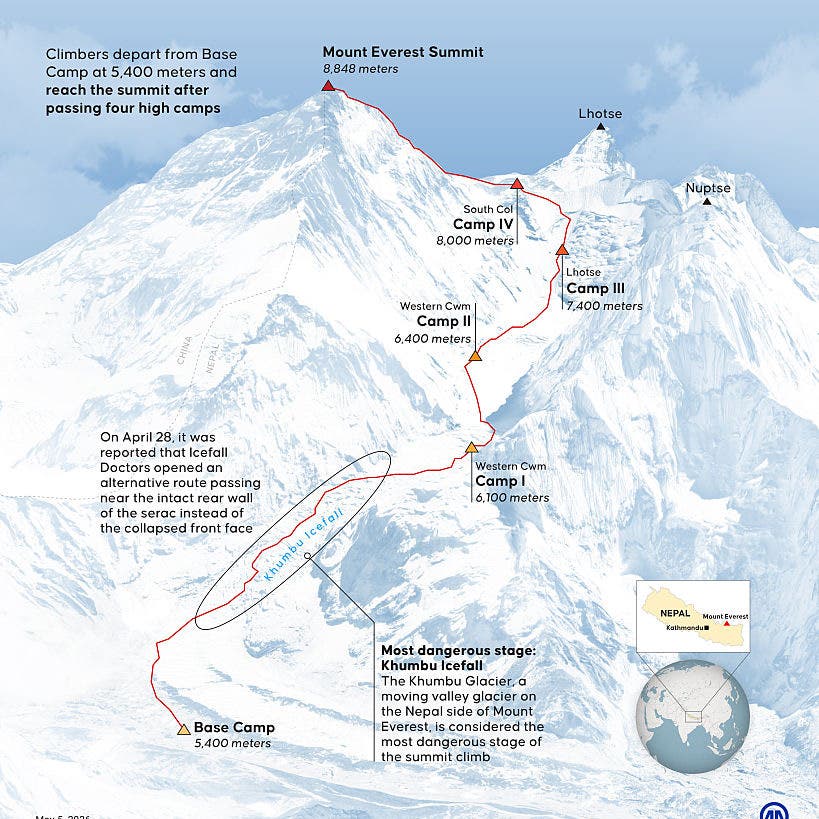
This narrative of the "commoditized mountain" suggests that the inherent dangers of the 8,848.86-meter (29,031.7-foot) peak have been neutralized by technology and professional support. Yet, veteran climbers, expedition leaders, and physiological experts tell a different story. Despite the luxury tents at Base Camp and the fixed ropes that now line the route from the Khumbu Icefall to the South Summit, the physical reality of the mountain remains as brutal and unforgiving as it was when George Mallory first set foot on its slopes a century ago.
The Myth of the Easy Ascent
The modern dismissal of Everest’s difficulty often stems from the sheer volume of successful summits. In the 2023 climbing season alone, the Nepali government issued a record 478 permits to foreign climbers, resulting in hundreds of successful ascents. Social media imagery of "traffic jams" in the Death Zone—specifically the viral 2019 photo of a long line at the Hillary Step—has reinforced the idea that the climb is merely a matter of waiting in line.
However, professional climbers argue that this visibility is deceptive. Mark Synnott, an IFMGA-accredited guide and author of The Third Pole, notes that even for elite athletes, Everest presents a unique form of suffering. Synnott, whose resume includes world-class first ascents on Baffin Island and Pakistan’s Great Trango Tower, found his 2019 expedition to Everest to be one of the most grueling experiences of his career.
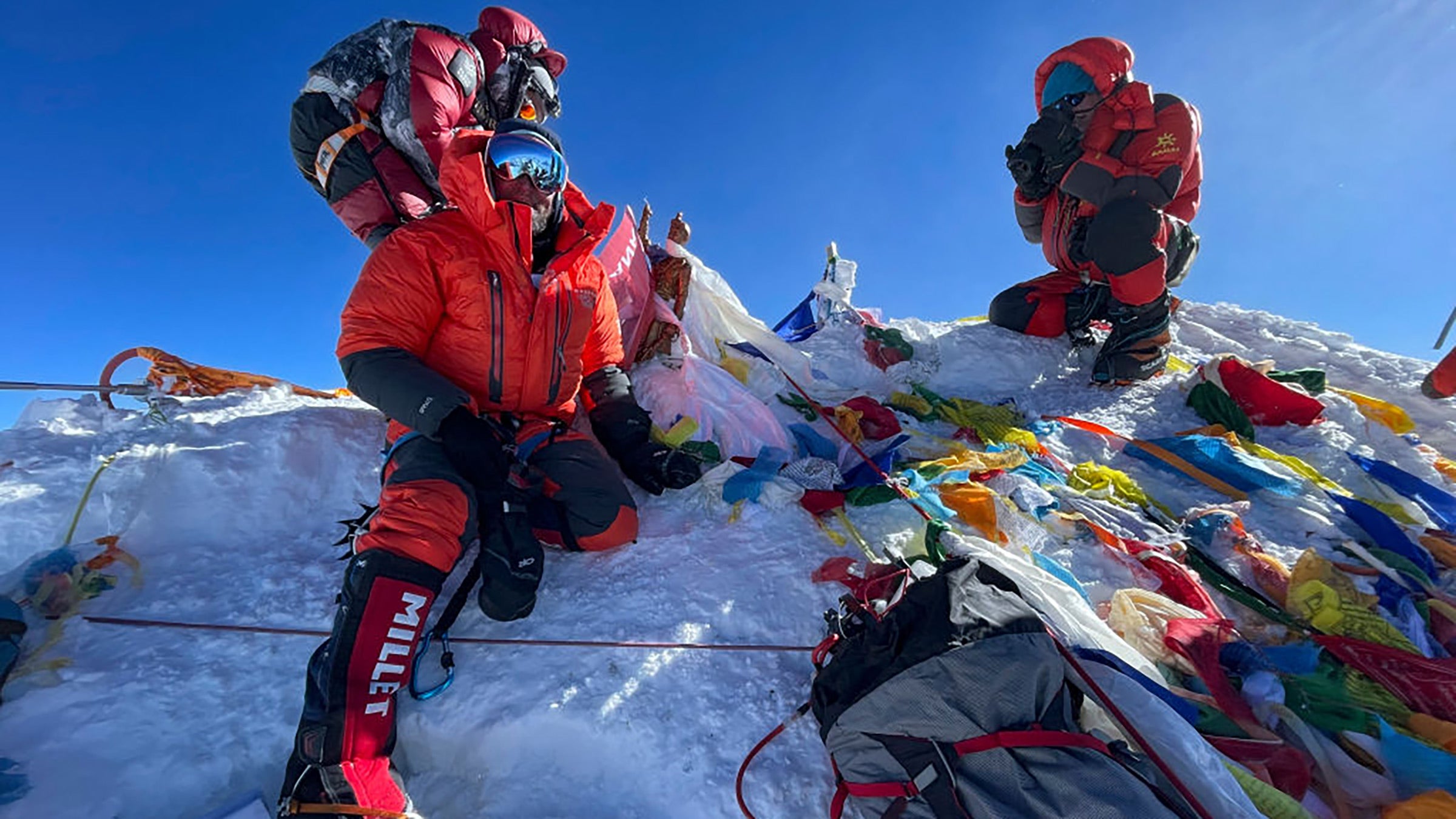
"People told me that when you’re on oxygen, Everest only feels like you’re at 20,000 feet," Synnott said. "I’ve been at 20,000 feet, and it didn’t feel anything like that. It felt at least ten times harder." Synnott’s experience—characterized by an inability to breathe even with supplemental oxygen, total loss of appetite, and violent nausea—highlights a fundamental truth: technology can mitigate the environment, but it cannot eliminate the physiological toll of extreme altitude.
The Biological Reality of the Death Zone
The primary reason Everest remains "hard" is a matter of simple biology. Once a climber ascends above 8,000 meters (26,247 feet), they enter what is known as the "Death Zone." At this altitude, the atmospheric pressure is so low that there is only about one-third of the oxygen available at sea level.
In the Death Zone, the human body can no longer acclimatize; instead, it begins to die. The brain and lungs are at constant risk of swelling (edema), and the blood becomes thick and sludge-like as the body overproduces red blood cells to compensate for the lack of oxygen, significantly increasing the risk of stroke or heart attack.
"Even with all the help people get, climbing Everest is still really hard," says Arnold Coster, a veteran Dutch guide with over two decades of experience on the mountain. "We can reduce some of the weight people have to carry, but you cannot take away the deterioration of your body at altitude."
Coster points out that while other 8,000-meter peaks like K2 are technically steeper and more difficult in terms of rock and ice climbing, Everest’s sheer height requires climbers to spend more time in the Death Zone. This prolonged exposure leads to a state of "autophagia," where the body begins to consume its own muscle tissue and fat stores simply to maintain basic organ function.
A Chronology of Risk: From Pioneers to Commercial Giants
The transition of Everest from a remote wilderness to a commercial hub has been marked by several key turning points that have shaped the current "easy" narrative.
- 1953: Sir Edmund Hillary and Tenzing Norgay achieve the first confirmed summit, using primitive oxygen sets and heavy canvas gear.
- 1980s: The first commercial expeditions begin, led by pioneers like David Breashears and Scott Fischer, opening the mountain to non-professional climbers.
- 1996: The Everest Disaster, chronicled in Jon Krakauer’s Into Thin Air, results in eight deaths in a single storm. This event introduced the global public to the "commercialization" of the peak and established the mountain as a site of tragic hubris.
- 2014–2015: Massive disasters—an avalanche in the Khumbu Icefall and a devastating earthquake—remind the world that no amount of money can safeguard against the mountain’s tectonic and glacial volatility.
- 2023: The deadliest year on record, with 18 confirmed deaths. This statistic directly contradicts the notion that the mountain has been "tamed."
The Logistics of Survival: Beyond the Climbing
For many participants, the difficulty of Everest is not found in the technicality of the climbing moves, but in the logistical and psychological endurance required to survive two months in a hostile environment. Matt Irving, a cinematographer and climber, emphasizes that the greatest threat is often the "minor" illnesses that proliferate in the crowded environment of Base Camp.
Every spring, Base Camp transforms into a seasonal city of over 2,000 people. In these cramped quarters, viruses and bacterial infections spread rapidly. "If you get sick at the wrong time, you are probably not going to the top," Irving explains. A simple chest cold at sea level can evolve into life-threatening High Altitude Pulmonary Edema (HAPE) within hours at 23,000 feet.
Furthermore, the "support" provided by Sherpas and expedition companies adds its own layer of complexity. Managing hundreds of oxygen bottles, miles of fixed rope, and tons of human waste requires a massive logistical machine. When this machine fails—due to weather, human error, or overcrowding—the results are often fatal. The reliance on this infrastructure creates a "thin margin" of safety; if a climber loses their oxygen mask or their guide becomes incapacitated, they often lack the skills or the physical reserve to survive independently.
The Perspective of Elite Alpinists
Kristin Harila, the Norwegian climber who holds the world record for the fastest ascent of all 14 of the world’s 8,000-meter peaks, rejects the idea that Everest is a "walk-up." Having climbed the mountain multiple times, she notes that even with the best support in the world, the physical output required is staggering.
"People believe that there is so much support available that they barely have to climb the mountain," Harila said. "They say, ‘but I have three Sherpas and ten bottles of oxygen.’ That doesn’t matter. There is still so much suffering. Everest can be just as hard or even harder than K2, and it’s higher."
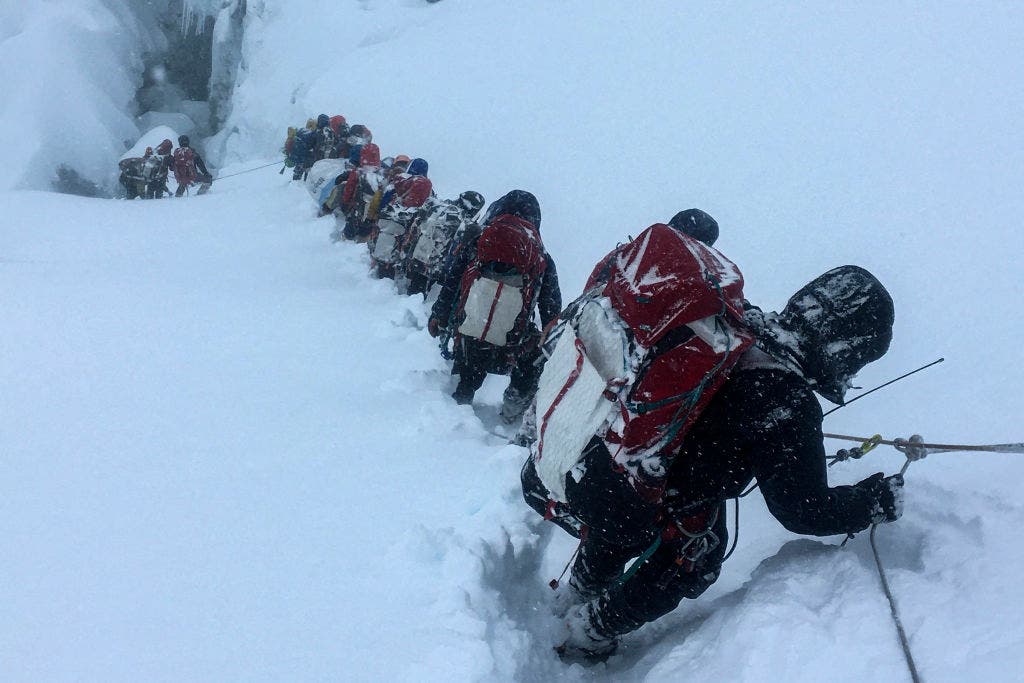
This sentiment is echoed by the Sherpa community, who perform the bulk of the high-risk labor. For a Sherpa, the "difficulty" of Everest is measured in the number of trips through the Khumbu Icefall—a shifting labyrinth of ice towers—to carry gear for clients. While a client may walk through the Icefall twice, a Sherpa may do it 20 to 30 times in a single season.
Broader Implications and the Future of the Peak
The persistent narrative that Everest is "easy" has dangerous real-world implications. It encourages inexperienced climbers to attempt the peak, believing that their financial investment guarantees their safety. This, in turn, puts more pressure on the Nepali government to regulate the mountain and on search-and-rescue teams to perform high-risk extractions.
The 2023 death toll of 18 serves as a sobering reminder of the mountain’s reality. Causes of death included exhaustion, altitude sickness, and exposure—classic mountaineering hazards that supplemental oxygen and Sherpa support could not prevent.
In conclusion, the "commercialization" of Everest has certainly changed the way people climb the mountain, but it has not changed the mountain itself. The thinning air, the sub-zero temperatures, and the psychological pressure of the Death Zone remain constants. As Mark Synnott aptly noted, the narrative of Everest being easy "definitely didn’t come from anyone who has actually climbed it." For those who stand on the summit, the achievement is not diminished by the crowds or the oxygen bottles; it is defined by the same grit and survival instinct that has characterized Himalayan climbing for a century.




 Chandra Hamzah
 Tatiana Tantri Indah Sari
 Budi Mulyono
 Lukman Taruna Persada Ramadan