
 Chandra Hamzah
For decades, the European travel industry has operated on a foundational assumption: the period between June and September represents the quintessential window for tourism. This paradigm is driven by the human biological preference for warmth and extended daylight. However, recent environmental and infrastructural data suggest that the traditional summer model is undergoing a significant shift. Climate records from 2022 and 2023 indicate that the Mediterranean basin is experiencing unprecedented heatwaves, with temperatures frequently exceeding 40°C, leading to severe wildfires and strained public services. As travelers become increasingly conscious of the risks associated with extreme heat and the drawbacks of over-tourism, a growing cohort of tourists is re-evaluating the value proposition of off-season travel.
The shift toward cooler-month exploration is not merely a response to rising temperatures; it is a strategic move to optimize the quality of the visitor experience. Urban centers, which often become stifling in July and August, reveal their true architectural and cultural character when the mercury drops. Museums, historic cathedrals, and galleries—the cornerstones of European travel—are better suited to the contemplative atmosphere of winter. Furthermore, the economic impact of shifting travel to the off-season provides a more sustainable distribution of tourism revenue, helping to mitigate the logistical pressures that cities face during the peak summer months.
The Case for Winter Urbanism: Seville and the Andalusian Climate
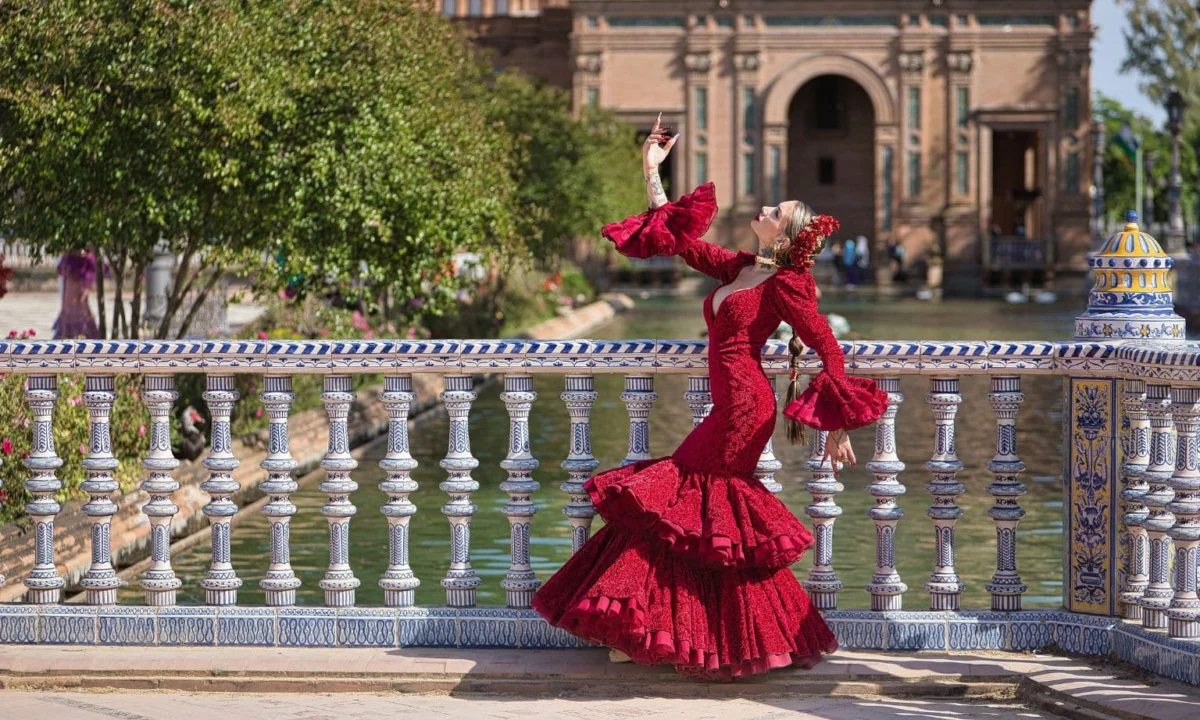
Seville serves as a primary example of how geography can dictate a more successful travel schedule. In the heart of Andalusia, the summer heat is not merely uncomfortable; it is physically restrictive. By contrast, the winter months, specifically from November through March, offer a temperate climate that averages 20°C.
The historical and architectural significance of the Real Alcázar remains constant, but its utility as a destination is enhanced during the cooler months. In the height of summer, the marble surfaces and fountains function primarily as cooling mechanisms. In the off-season, these same features can be appreciated for their intricate Mudéjar craftsmanship without the distraction of extreme thermal stress. Furthermore, the Setas de Sevilla, a massive timber structure in the Plaza de la Encarnación, transitions from a necessity for shade to a functional urban art installation, offering panoramic views of the city that are far more accessible when one is not contending with mid-afternoon heat exhaustion.
Geopolitical Echoes: Berlin’s Winter Identity
Berlin presents a unique narrative where the city’s history is inextricably linked to its colder, more austere climate. Having served as the epicenter of the Cold War, the city’s architectural landscape—ranging from the remnants of the Berlin Wall to the Reichstag—is often best viewed through a lens that acknowledges its somber, reflective past.
Data regarding visitor trends in the German capital suggests that while summer tourism is high, the winter months provide a unique cultural experience that is difficult to replicate. The city’s transition into a festive hub during December, characterized by the traditional Christmas markets at Potsdamer Platz and BreitscheidPaltz, integrates modern commerce with long-standing German customs. The repurposing of infrastructure, such as the Tempelhof airport into a public park, underscores a commitment to urban sustainability that is best experienced without the crowds of peak summer.
The Greek Pivot: Thessaloniki as a Winter Alternative
Thessaloniki provides a compelling counter-narrative to the standard Greek island-hopping itinerary. With the Aegean region experiencing record-breaking temperatures and recurring wildfire threats in recent years, travelers are seeking more stable, urban-centric environments.
Thessaloniki’s identity is built on a complex blend of Ottoman, Roman, and Byzantine influences. Unlike the seasonal nature of seaside resorts, the city’s major landmarks—including the White Tower and the Roman Forum—function as year-round repositories of history. The Kapani Market offers an authentic look at Greek daily life that is largely absent from the seasonal resort experience. By shifting the focus to December, travelers can experience the city’s vibrant gastronomy and its unique cultural festivities, such as the lighting of the Christmas tree in Aristotelous Square, while avoiding the logistical challenges of the summer tourist surge.
Seasonal Extremes and Nordic Resilience: Helsinki
Helsinki demonstrates that geography is not a barrier to tourism, but rather a unique feature to be navigated. The Finnish capital deals with the reality of limited daylight in December and January, yet the city leverages this to its advantage.
The reflection of artificial light against snow-covered streets creates a distinct aesthetic that is unique to the Nordic winter. The development of the Allas Sea Pool and the continued popularity of traditional saunas demonstrate a cultural resilience that appeals to modern wellness-focused travelers. The Lutheran Cathedral (Tuomiokirkko) serves as a focal point for this experience, particularly when the Senate Square hosts its festive market. The ability to integrate modern architectural improvements, such as the Sky Wheel, with traditional winter activities makes Helsinki an essential off-season destination.
The Festive Renaissance: Vienna
Vienna has refined the art of the off-season by extending the festive spirit into the first three months of the year. While many cities dismantle their holiday infrastructure by early January, Vienna maintains a commitment to winter elegance through the first quarter.
The Vienna Ice World (Wiener Eistraum) at the Rathausplatz is a testament to this strategy. By hosting this event from late January through early March, the city provides a reason for visitors to engage with the urban environment during the traditionally slow post-holiday period. This approach stabilizes the local economy and provides a more consistent flow of tourism revenue, reducing the reliance on summer foot traffic.
Pre-Lenten Celebrations: Tenerife and Nice
The tradition of pre-Lenten carnivals offers a vibrant alternative to the quiet reflection of winter travel. Santa Cruz de Tenerife, in particular, hosts a world-class carnival that rivals Rio de Janeiro in scope and participation. The 2026 calendar, with festivities scheduled from February 13 to 22, highlights the massive scale of this event. The tradition of the "Burial of the Sardine" serves as a cultural landmark, drawing significant domestic and international interest.
Similarly, the Carnaval de Nice on the Côte d’Azur provides a historical context to pre-Lenten festivities that dates back to 1294. This event proves that the French Riviera is not exclusively a summer destination. By participating in these traditions, travelers gain insight into the local social fabric that is often obscured during the high-intensity beach season.
The Fire and the Future: Valencia’s Las Fallas
Valencia’s Las Fallas festival, occurring each March, represents a critical intersection of history, art, and urban management. Originally a method for carpenters to dispose of wood scraps, the event has evolved into a sophisticated display of papier-mâché artistry.
The festival serves as a prime example of how local traditions can drive significant economic activity in the off-season. With the main events concentrated between March 15 and 19, the city experiences a surge in occupancy and spending that offsets the post-winter lull. The daily "mascletà" in the Plaza del Ayuntamiento is a sensory experience that highlights the city’s unique cultural identity, separate from the beach-focused tourism of the Mediterranean summer.
Broader Implications and Future Outlook
The transition toward off-season tourism in Europe is supported by a growing body of evidence regarding climate adaptability and the benefits of dispersed tourism. Official reports from the European Travel Commission have repeatedly highlighted the need to spread demand throughout the year to ensure the sustainability of popular destinations.
For the traveler, the implications are clear: the off-season offers a higher degree of authenticity, lower costs, and a more intimate connection with the destination. For the destinations themselves, the shift toward winter programming represents a strategy for long-term economic stability and environmental resilience. As the climate continues to evolve, the European travel industry will likely continue to move away from the "summer-only" model, favoring a year-round approach that celebrates the distinct character of each season. This shift is not merely a change in calendar dates; it is a fundamental evolution in how the world experiences the heritage, culture, and life of the European continent.

 Diana Nuri Rohmawati

 Gabriela Annisa

 Lukman Taruna Persada Ramadan

 Tatiana Tantri Indah Sari

 Anjar Salim

