
 Chandra Hamzah
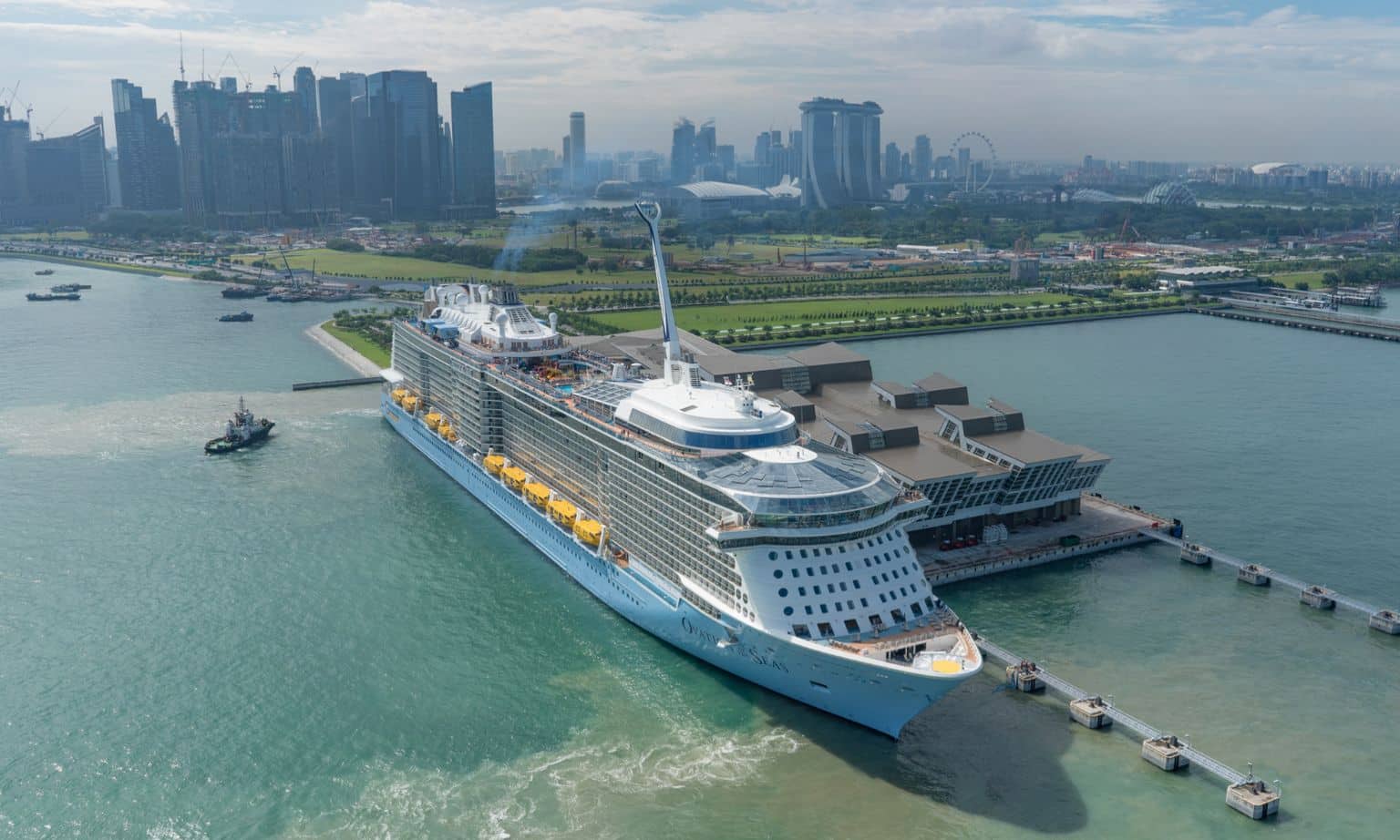
The global cruise industry is currently witnessing a significant shift in strategic deployment, with Royal Caribbean International announcing a substantial increase in its commitment to the Asian market. Ben Bouldin, the President of Greater China and Managing Director of Asia, has articulated a vision that positions the region as the next frontier for Australian holidaymakers. This strategic pivot involves extending the deployment of Navigator of the Seas to a year-round Singapore schedule through October 2027, alongside the inclusion of Voyager of the Seas in itineraries departing from Singapore, Hong Kong, and Tokyo.
The Strategic Evolution of Asian Cruising
For decades, the Asian cruise market was viewed primarily as a seasonal opportunity, often secondary to the massive Caribbean and Mediterranean sectors. However, recent data from the Cruise Lines International Association (CLIA) suggests that the Asia-Pacific region is experiencing a robust recovery and growth phase. The post-pandemic landscape has seen a shift in consumer behavior, with a heightened demand for "fly-cruise" models—holidays that combine international air travel with maritime voyages.
Royal Caribbean’s decision to move beyond seasonal sailings indicates a long-term belief in the region’s economic trajectory. The expansion is underpinned by three primary factors: the rapid growth of the Asian middle class, the modernization of port infrastructure across Southeast Asia, and the increasing ease of air connectivity between major Australian hubs and Asian cruise gateways. By anchoring Navigator of the Seas in Singapore for a full twelve-month cycle, the line is effectively removing the logistical barriers that previously limited regional itinerary planning.
Chronology of Expansion and Deployment
The roadmap for this expansion is meticulously planned to capture both the domestic Asian market and the international fly-cruise segment. The current deployment schedule follows a clear, multi-year progression:
- 2025-2026 Season: Royal Caribbean maintains its strong presence in the Australian domestic market, with fan-favorite vessels such as Anthem of the Seas and Quantum of the Seas returning to serve local waters.
- 2027 Expansion: The centerpiece of the new strategy is the year-round deployment of Navigator of the Seas from Singapore, marking the first time the company has committed to such a long-term, uninterrupted schedule in the region.
- Early 2028: Voyager of the Seas will integrate into the rotation, expanding the line’s reach to include Hong Kong and Tokyo, providing a broader range of "open-jaw" or one-way cruise itineraries.
- October 2027: This date serves as a milestone for the broader Asia-Pacific strategy, coinciding with the scheduled opening of the Royal Beach Club Lelepa in the South Pacific, which the company views as a prototype for future regional land-based cruise experiences.
The Australian Fly-Cruise Demographic
For Australian travelers, the allure of an Asian cruise lies in the efficiency of the travel experience. Traditional European fly-cruises, while popular, require long-haul flights that can take 20 to 24 hours. In contrast, flight times from Sydney, Melbourne, or Brisbane to Singapore range from seven to nine hours. Furthermore, the minimal time-zone variance—typically within two to three hours—drastically reduces the impact of jet lag, making these trips more attractive for short-duration holidays.
Market analysis suggests that Australians are increasingly seeking "combination holidays." This involves pairing a three-to-four-day land-based stay in a major metropolis like Tokyo, Hong Kong, or Singapore with a short-duration cruise to regional destinations such as Penang, Phuket, or the Vietnamese coast. This model maximizes the value of the airfare investment and provides a hybrid vacation experience that appeals to both first-time cruisers and seasoned travelers looking for cultural immersion.
Infrastructure and the Regulatory Environment
The expansion of cruise capacity is inherently linked to the development of port infrastructure. According to maritime analysts, the successful scaling of the industry in Southeast Asia depends on the ability of governments and port authorities to handle larger vessels and higher passenger volumes.

Royal Caribbean is currently engaged in collaborative discussions with various national tourism authorities to ensure that port facilities can accommodate the operational demands of the modern fleet. This includes the development of efficient passenger terminal facilities, customs and immigration processing, and the integration of sustainable shore power to reduce the environmental footprint of docked vessels.
"The development of cruising in Asia is a collaborative effort," noted Bouldin during his discussion with industry stakeholders. "We are working closely with local partners to identify where the infrastructure can support sustained growth. It is not just about the ships; it is about the entire ecosystem of the destination—from the quality of shore excursions to the logistical capability of the port."
Economic and Industry Implications
The shift toward a year-round presence in Asia carries significant implications for the broader cruise industry. First, it diversifies the revenue streams for cruise lines, reducing dependence on the highly competitive North American and European summer markets. By balancing capacity across different hemispheres and seasons, companies like Royal Caribbean can optimize fleet utilization rates throughout the calendar year.
Second, the "open-jaw" itinerary model—where passengers embark in one city and disembark in another—is expected to stimulate tourism in secondary ports. This creates a ripple effect in local economies, benefiting everything from local tour operators to hospitality providers in ports that were previously ignored by larger cruise lines.

Third, the move represents a direct challenge to regional competitors. By leveraging the brand recognition already established in the Australian market, Royal Caribbean is betting that its existing customer base will act as brand ambassadors for its Asian offerings. If successful, this could lead to an accelerated shift in Australian outbound tourism, where Asia increasingly replaces the Mediterranean as the primary destination for luxury and premium cruise travel.
Future Outlook and Strategic Challenges
While the outlook is optimistic, the industry faces challenges, including fluctuating fuel costs, regional geopolitical complexities, and the need for ongoing investment in environmental sustainability. The move toward private island-style experiences, such as the upcoming developments in the South Pacific, suggests that Royal Caribbean is looking to control more of the guest experience, effectively creating a "walled garden" that ensures consistent service levels and quality.
Whether the company will replicate this private destination model in Asia remains a subject of industry speculation. However, the current focus remains on strengthening the "hub-and-spoke" model, where Singapore acts as the primary gateway to the rest of the continent.
As the industry looks toward 2028 and beyond, the focus will undoubtedly remain on balancing the scale of the operation with the localized, authentic experiences that modern travelers demand. For the Australian market, the message from Royal Caribbean is unequivocal: the "next big thing" in cruising is not across the ocean, but just a short flight to the north. Through this aggressive capacity expansion, the company is positioning itself to be the dominant force in shaping the future of Asian maritime tourism.



 Gabriela Annisa
 Lukman Taruna Persada Ramadan
 Tatiana Tantri Indah Sari

 Anjar Salim

 Dwi Wanna
