Anjar Salim
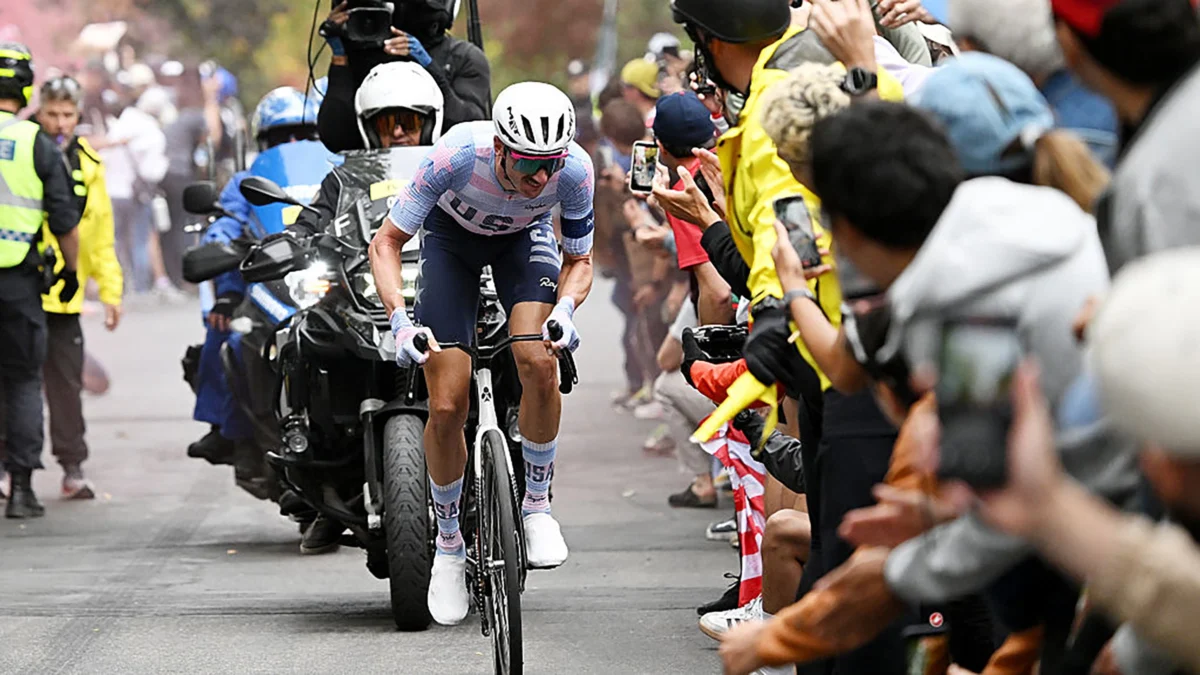
On September 27, 2026, American professional cyclist Brandon McNulty secured a historic victory in the elite men’s road race at the UCI Road World Championships in Montreal, Canada. Competing across a grueling 170-mile course, McNulty executed a daring solo breakaway with 19 miles remaining, successfully holding off a relentless chase group to cross the finish line first. This victory marks the first time an American male has won the world road racing title in 33 years, ending a drought that began after Lance Armstrong’s victory in 1993. The win places McNulty alongside cycling legends Greg LeMond and Armstrong as the only American men to claim the elite world championship title.
The Anatomy of a Dramatic Solo Breakaway
The 2026 World Championships road race delivered high-stakes tactical drama reminiscent of a championship-deciding play in traditional team sports. The race route through Montreal presented a relentless series of climbs and technical descents that severely tested the stamina of the elite peloton.
With 19 miles left in the punishing 170-mile event, McNulty launched his decisive attack, slipping away from the primary group of favorites. What followed was a tense, agonizing pursuit. Multiple times during the closing miles, elite chasers closed the gap to mere seconds, raising questions of whether McNulty’s lead would evaporate. However, each surge by the chasing pack was met with a resilient response from the American, who dug deep into his reserves to extend his advantage.
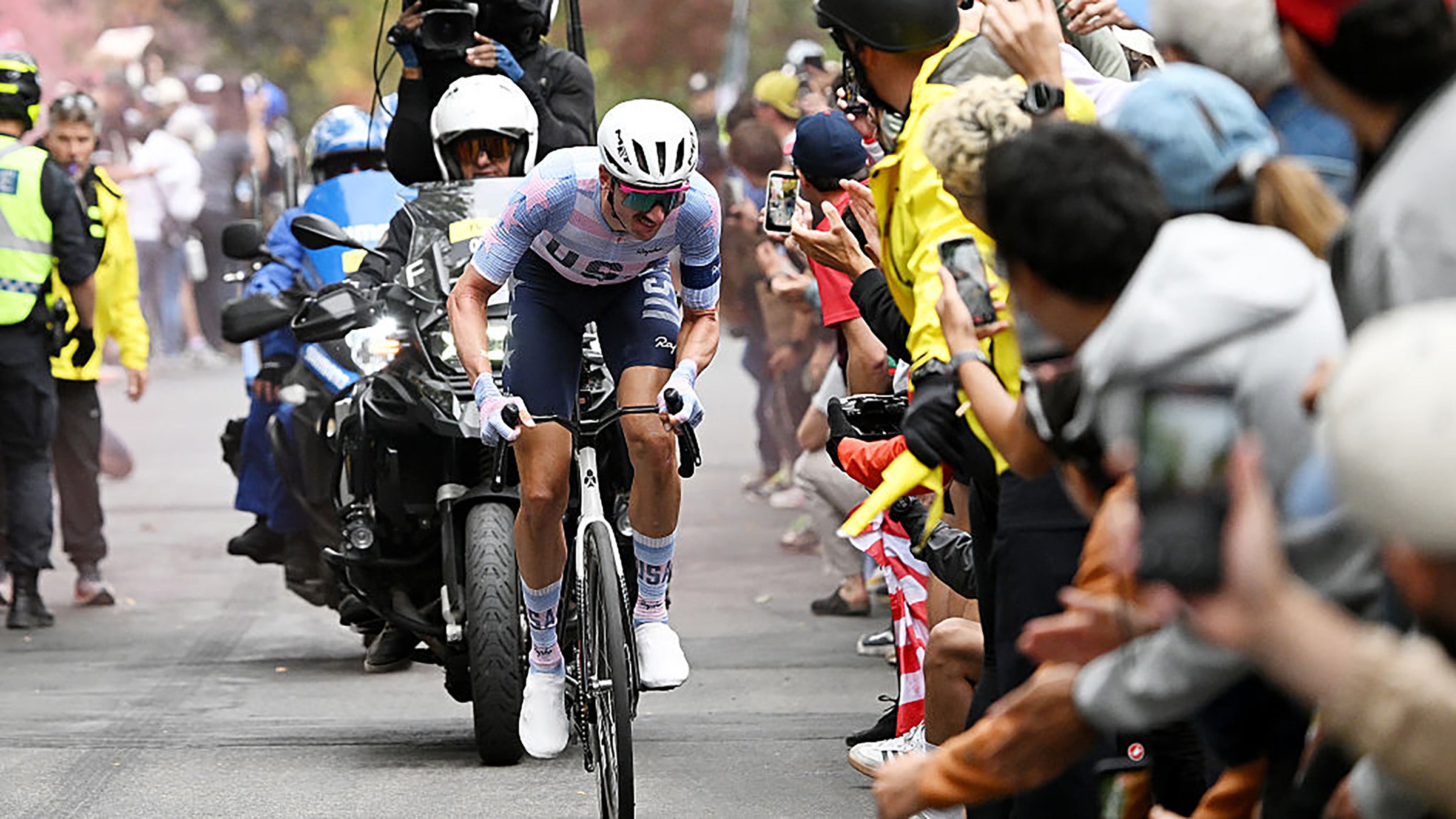
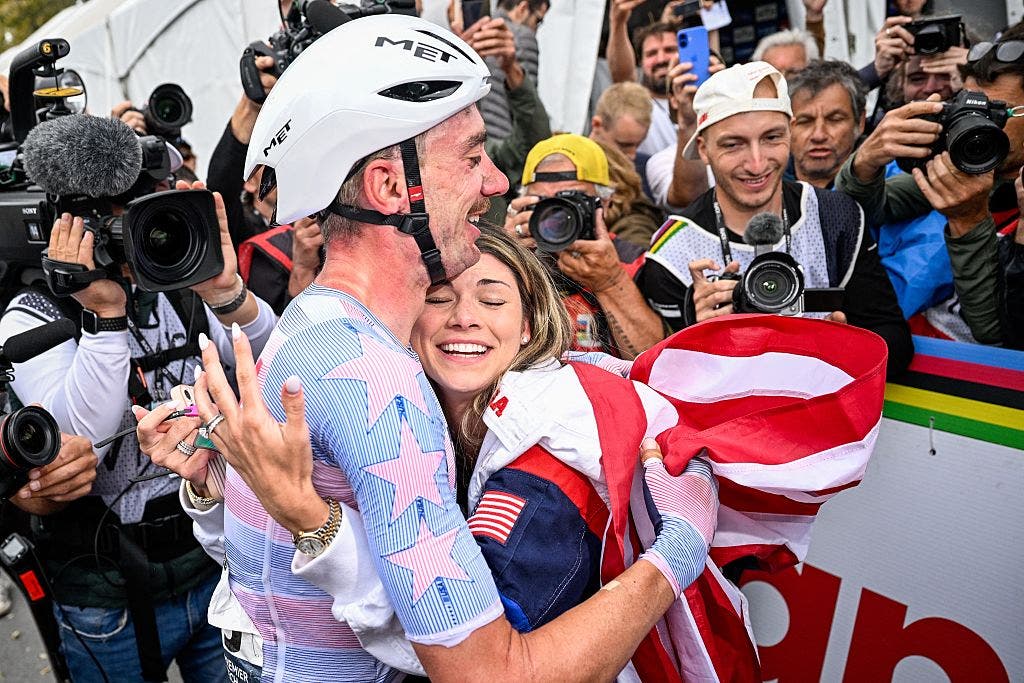
When McNulty finally crossed the finish line in Montreal, his expression of exhausted disbelief resonated with spectators worldwide. Reflecting on the achievement immediately after the race, McNulty noted the magnitude of the accomplishment. "I never really thought this was something possible," he stated to reporters. "It’s absolutely crazy. It was my dream to be in the WorldTour even as a kid. But to do something like this is unbelievable."
A Golden Generation Comes of Age
McNulty’s victory is not an isolated occurrence but rather the culmination of a broader developmental peak for American men’s road cycling. At 28 years old, McNulty is part of a formidable cohort of U.S. cyclists currently competing at the highest levels of the sport.
This generation includes riders such as 27-year-old Matteo Jorgenson of Idaho, 25-year-old Quinn Simmons of Colorado, and WorldTour veterans Riley Sheehan, Kevin Vermaerke, and Sean Quinn. For decades, Team USA faced inherent structural disadvantages at the world championships. Unlike the regular season—where riders compete for commercial trade teams—the world championships require athletes to race on national squads. Consequently, powerhouse cycling nations such as Belgium, France, Italy, and the Netherlands routinely field deeper and more cohesive rosters than the United States. Furthermore, the championship event takes place late in the professional calendar, often finding top American riders fatigued from grueling campaigns at the Tour de France and other major European tours.
To overcome these historical hurdles in Montreal, Team USA deployed disciplined tactical execution. With 45 miles remaining, Simmons shadowed a major offensive move by Dutch star Mathieu van der Poel, positioning himself perfectly to neutralize threats. Later, as McNulty pressed his solo advantage, teammates Simmons and Jorgenson actively disrupted the chase group, marking counter-attacks and sacrificing their own individual podium aspirations to protect McNulty’s dwindling gap. This textbook team strategy successfully neutralized the chase and secured the rainbow jersey for the United States.
From Phoenix Wunderkind to World Champion
McNulty’s path to the world championship was forged through a deliberate, cautious career trajectory that bucked common industry trends. Growing up in Phoenix, Arizona, McNulty displayed an unusual affinity for endurance cycling at an early age. His father, RJ McNulty, frequently recounted anecdotes of an eight-year-old Brandon refusing to abandon a challenging mountain biking loop featuring a climb too steep for him to clear without walking, insisting on mastering the ascent before returning home.
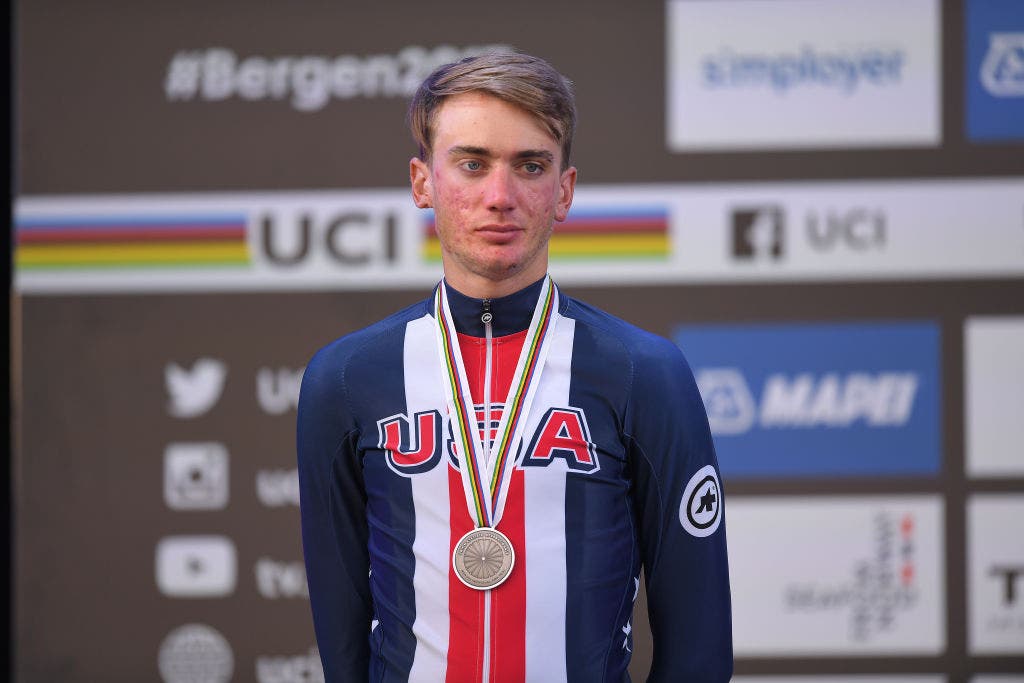
By 2016, McNulty’s immense talent became internationally recognized when he won the junior world time trial championship. Following this success, many young American prodigies accepted lucrative contracts with major European teams, only to encounter severe culture shock, language barriers, and the immense competitive leap from junior racing to the WorldTour. Many talented prospects washed out of the professional ranks prematurely.
Opting for a measured approach, McNulty declined immediate offers from top-tier European squads. Instead, he signed a three-year contract with a smaller American-based professional team that balanced North American events with select European races. This deliberate pacing allowed him to develop physically and tactically without the crushing pressure of the elite European circuit.
The strategy yielded steady progression. Following a 2017 season hampered by injury, McNulty secured a European race victory in 2018 and established himself as a competitive force in 2019. His measured entry into the professional peloton earned him a contract in 2020 with UAE Team Emirates, the premier WorldTour squad home to five-time Tour de France champion Tadej Pogacar.
Historical Context and Non-European Rarities
The UCI Road World Championships date back to 1927, originating on the Nürburgring auto racetrack in Germany. Historically, the event has been heavily dominated by European cyclists, reflecting the sport’s deep cultural roots on the continent.
Prior to the 2026 championships, only three non-European riders had ever claimed the elite men’s road race world Greg LeMond of the United States (1983, 1989), Lance Armstrong of the United States (1993), and Cadel Evans of Australia (2009). McNulty’s victory adds his name to this exclusive, highly elite group, making him just the fourth non-European—and the third American—to achieve the feat in nearly a century of competition.
Implications and the 2027 Outlook
As the reigning world champion, McNulty will wear the iconic white rainbow jersey throughout the 2027 calendar year, ensuring high visibility within the professional peloton. However, analysts note that the victory is unlikely to fundamentally alter his primary responsibilities within his professional trade team, UAE Team Emirates.
Within the team structure, McNulty functions primarily as an elite domestique—a support rider tasked with pacing the team’s leadership during grueling mountain stages in the Alps and Pyrenees at the Tour de France. His exceptional capacity to set punishing tempos on major climbs has frequently served as a vital mechanism for Tadej Pogacar’s grand tour victories. While McNulty may occasionally be granted leadership opportunities at shorter, one-week stage races, his core role during the major tours is expected to remain supportive.
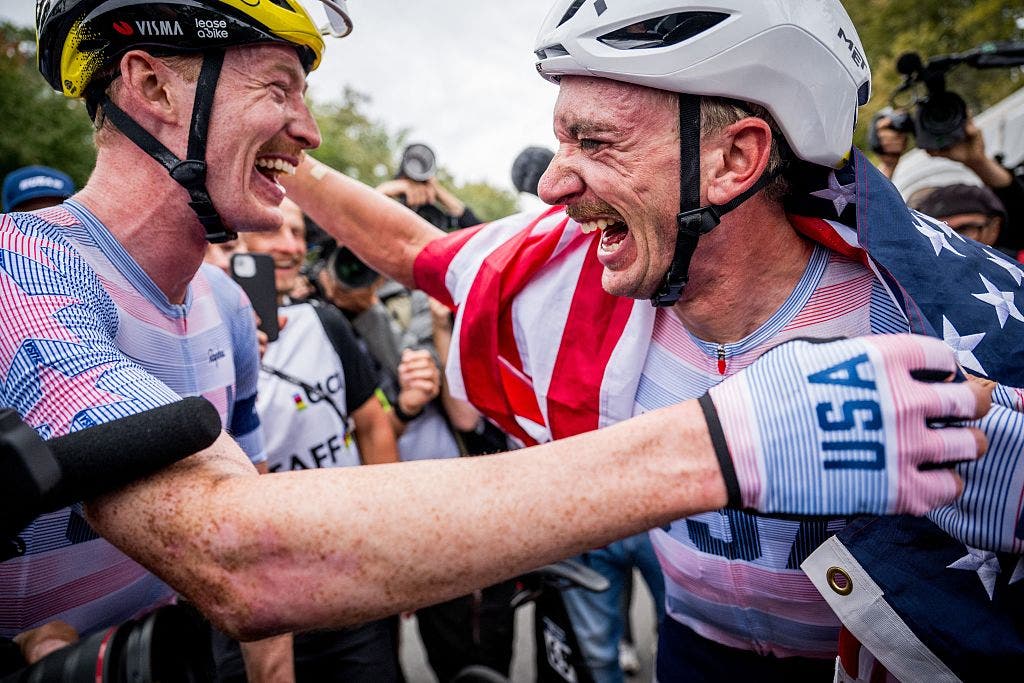
Nevertheless, the broader implications of McNulty’s triumph in Montreal extend far beyond his day-to-day team duties. By breaking a 33-year U.S. title drought and cementing his status among the sport’s all-time greats, McNulty has permanently altered the landscape of American professional cycling, validating a generation of athletes who chose patience, resilience, and tactical precision over rapid, high-pressure advancement.

 Lukman Taruna Persada Ramadan
 Tatiana Tantri Indah Sari

 Budi Mulyono